
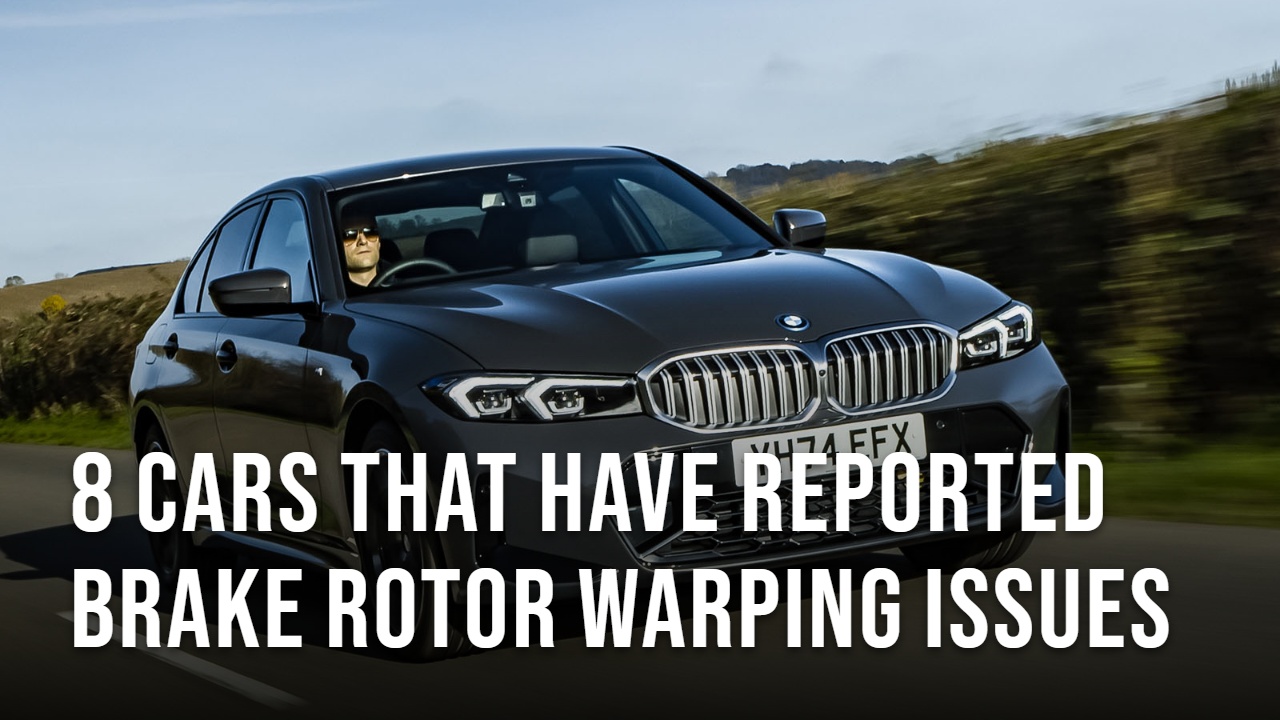
Brake rotors play a major role in a vehicle’s braking performance by providing the surface where brake pads create friction to slow down and stop the car. When rotors develop problems such as uneven wear, excessive heat damage, or thickness variations, drivers may experience symptoms including steering wheel vibration, brake pedal pulsation, unusual noises, or reduced braking smoothness.
Brake rotor warping is a commonly discussed issue among vehicle owners, though the actual causes can vary widely depending on driving habits, road conditions, brake components, maintenance practices, and vehicle design.
Certain cars have gained attention from owners and automotive communities because of repeated reports involving brake vibration or rotor-related complaints. These reports do not necessarily mean every example of a particular vehicle will experience the issue.
Many vehicles operate for years without brake concerns when maintained properly and driven under normal conditions. However, some models have received more attention due to patterns noticed by drivers, repair shops, or online automotive discussions.
This article examines eight cars that have had reported brake rotor warping concerns and explains the possible reasons behind those complaints. Factors such as vehicle weight, brake system design, heat management, driving conditions, and replacement part quality can all influence rotor performance.
Understanding these factors can help owners recognize early warning signs and make informed decisions about brake maintenance.
Also Read: 5 Best Toyota RAV4 Years vs 5 to Skip
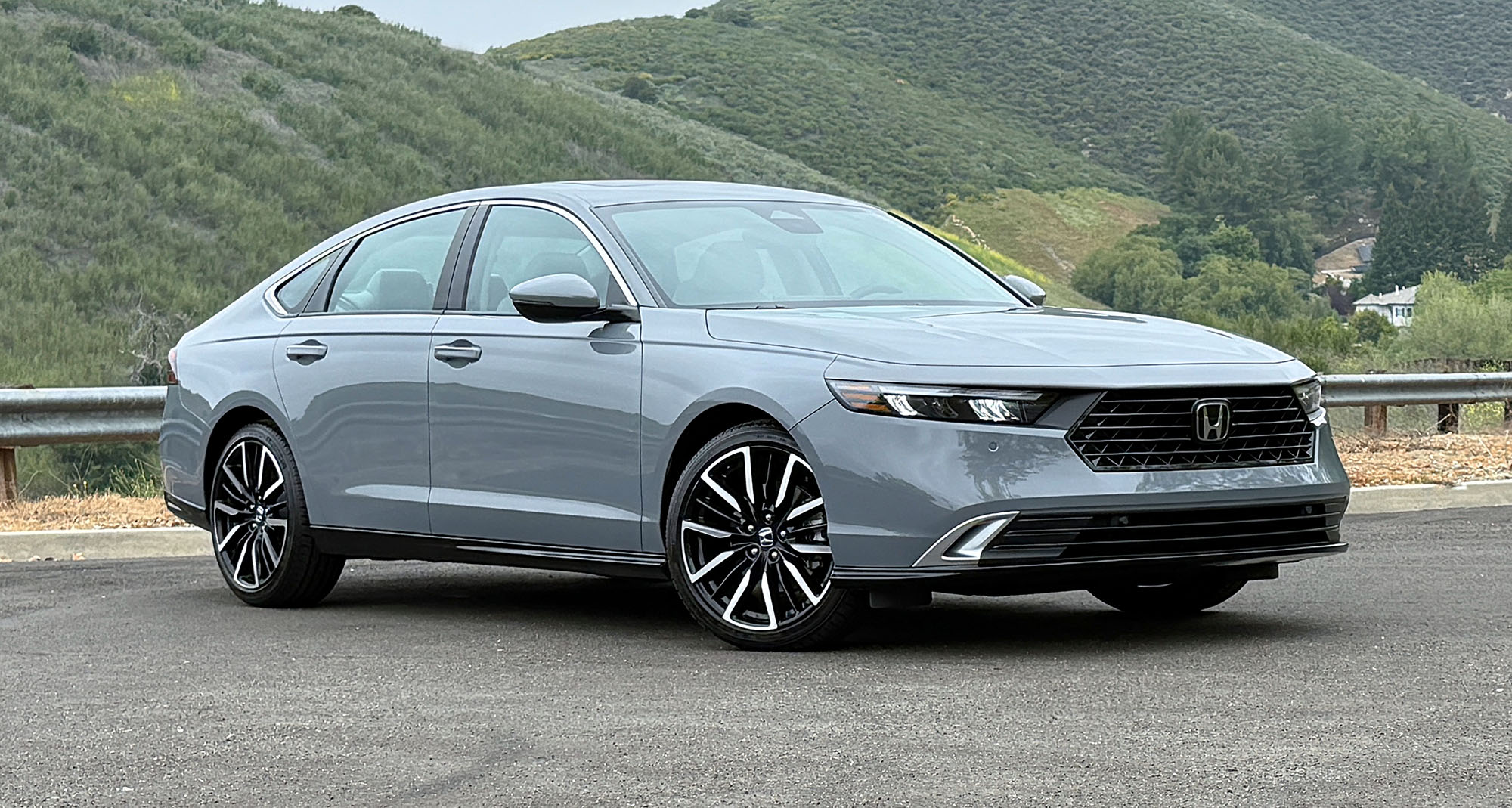
- Engine: 2.0L turbocharged 4-cylinder gasoline engine (10th generation example)
- Horsepower: 252 hp
- Torque: 273 lb-ft
- Length: 192.2 inches (4,884 mm)
- Width: 73.3 inches (1,862 mm)
1. Honda Accord
The Honda Accord has earned a strong reputation for reliability, comfort, and long-term ownership value. However, certain model years have received reports from owners who experienced brake pedal pulsation, steering vibration during braking, and concerns related to premature rotor wear.
These complaints have appeared more frequently among some generations and may be linked to several factors rather than a single universal problem. Many brake specialists explain that what drivers commonly call “warped rotors” is often related to uneven deposits of brake pad material on the rotor surface or uneven rotor wear.
When a vehicle frequently experiences hard braking, especially in heavy traffic or mountainous areas, heat can build up quickly. If the braking system does not cool evenly, the rotor surface may develop inconsistent friction levels that create vibration.
Some Accord owners have reported noticing brake shudder at higher speeds, especially when applying moderate to heavy brake pressure.
The sensation is often felt through the steering wheel and may become more noticeable over time. In some cases, replacing the rotors and pads resolves the issue, while other situations require checking calipers, suspension components, and wheel installation practices.
Vehicle weight and driving style can influence brake performance. The Accord is available with different engines and configurations across generations, and some versions place greater demands on braking components. Drivers who frequently carry passengers, drive aggressively, or travel through areas with steep roads may put additional stress on the braking system.
Proper maintenance can reduce the chances of recurring rotor problems. Using quality brake pads, following correct installation procedures, avoiding excessive tightening of wheel lug nuts, and allowing brakes to cool after heavy use can improve rotor lifespan.
While reported rotor concerns exist among some Accord owners, the model remains widely recognized for dependable ownership when properly maintained.
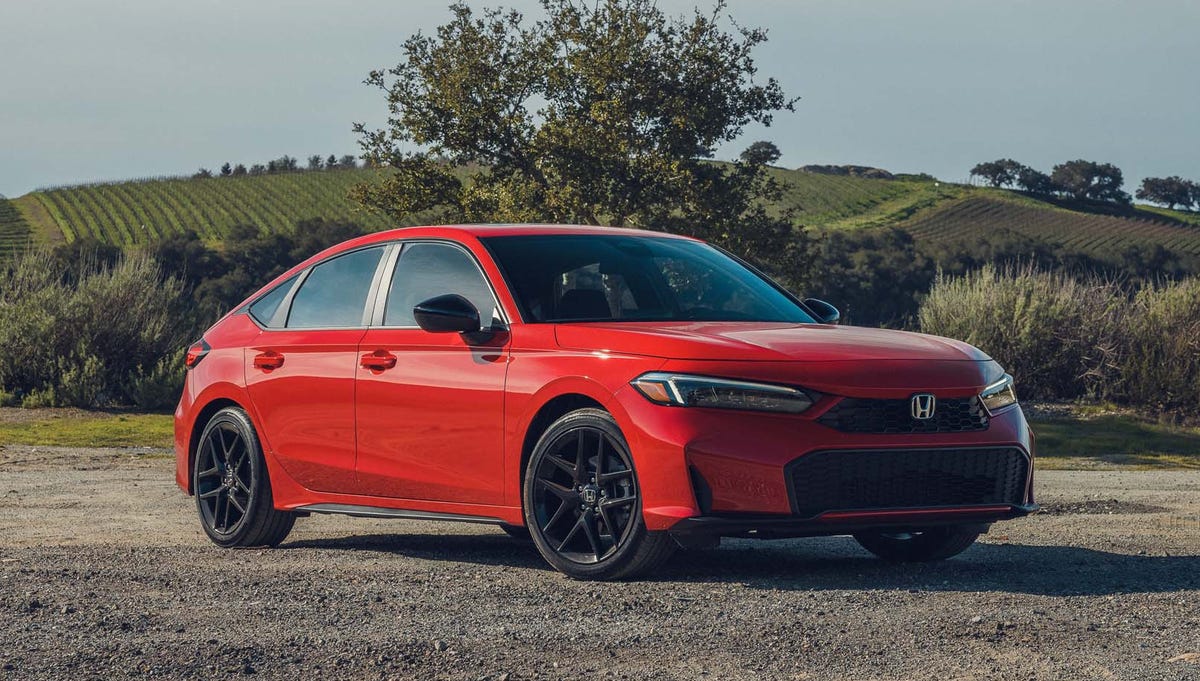
- Engine: 1.5L turbocharged 4-cylinder gasoline engine (11th generation example)
- Horsepower: 180 hp
- Torque: 177 lb-ft
- Length: 184.0 inches (4,674 mm)
- Width: 70.9 inches (1,801 mm)
2. Honda Civic
The Honda Civic is among the most popular compact cars worldwide, known for efficient engines, affordable maintenance, and practical design.
Some Civic owners have reported brake vibration issues that they associate with rotor warping, particularly in certain model years. These concerns have generally involved symptoms such as steering wheel shake, brake pedal movement, or uneven braking feel.
Compact vehicles like the Civic often use smaller braking components compared with larger sedans and SUVs. While the braking system is designed to handle normal driving conditions, repeated high-temperature situations can place additional stress on rotors. Frequent stop-and-go driving, aggressive braking, and carrying heavy loads may contribute to accelerated wear.
Some reports from Civic owners describe brake issues appearing earlier than expected, leading to discussions about rotor quality, pad materials, and heat management. However, many brake professionals point out that rotor problems are not always caused by manufacturing defects. Uneven pad transfer, improper bedding of new brakes, rust buildup, or sticking brake components can create similar symptoms.
The Civic has gone through many generations, with major differences in suspension systems, brake designs, and available trims. A concern reported on one generation does not automatically apply to every Civic produced. Factors such as driving environment and maintenance history often play a major role in brake performance.
Owners can help protect their Civic’s braking system by inspecting brake components regularly, replacing worn pads before they damage rotors, and using parts that meet manufacturer specifications. Routine inspections are especially useful because early signs of brake issues can often be corrected before more expensive repairs are required.
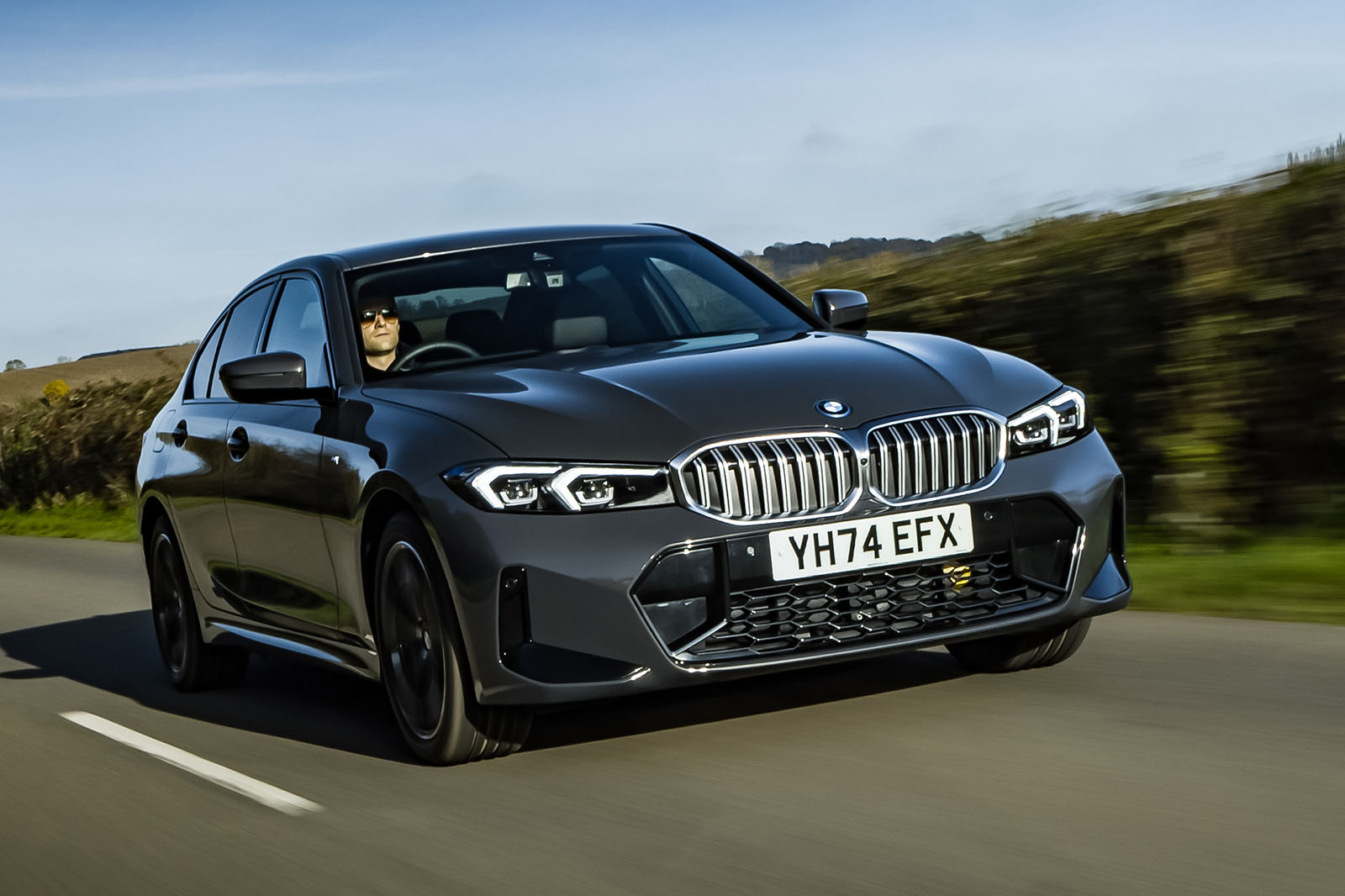
- Engine: 2.0L turbocharged 4-cylinder gasoline engine (330i example)
- Horsepower: 255 hp
- Torque: 295 lb-ft
- Length: 185.9 inches (4,720 mm)
- Width: 71.9 inches (1,827 mm)
3. BMW 3 Series
The BMW 3 Series is widely recognized for sporty handling, responsive performance, and strong driving dynamics. Its braking systems are designed to provide confident stopping power, especially on performance-oriented versions.
However, some owners have reported premature brake vibration and rotor-related concerns, particularly on models equipped with larger wheels, performance tires, or upgraded braking systems.
Performance-focused vehicles often place greater demands on brake components. Drivers who enjoy spirited driving may generate more heat through repeated acceleration and braking cycles. High temperatures can affect rotor surfaces and may contribute to uneven wear patterns if the system is not allowed sufficient cooling time.
Some BMW owners describe symptoms such as steering vibration during braking, pulsing brake pedals, or reduced braking smoothness. In many cases, these complaints are connected with rotor thickness variations or uneven pad deposits rather than a physically bent rotor. Modern braking systems are engineered with tight tolerances, so even minor surface changes can become noticeable to drivers.
Maintenance costs can also influence owner experiences. Premium vehicles often require specific brake components, and using lower-quality replacement parts may lead to shorter service life or inconsistent braking performance. Proper installation and selecting components designed for the vehicle are important steps in preventing repeated brake issues.
The BMW 3 Series remains highly regarded for performance and engineering quality. Reported brake rotor concerns generally depend on model year, driving habits, and maintenance history. Owners who monitor brake wear, avoid unnecessary overheating, and follow recommended service schedules can often achieve reliable brake performance.

- Engine: 2.3L turbocharged EcoBoost 4-cylinder gasoline engine
- Horsepower: 300 hp
- Torque: 310 lb-ft
- Length: 198.8 inches (5,050 mm)
- Width: 78.9 inches (2,004 mm)
4. Ford Explorer
The Ford Explorer has been a popular choice among families and drivers who need a spacious SUV with strong capability and everyday practicality.
Over various generations, some Explorer owners have reported brake-related concerns, including vibration while braking and complaints that they experienced rotor issues earlier than expected. These reports have attracted attention because SUVs place different demands on braking systems compared with smaller passenger vehicles.
SUVs generally carry more weight than compact cars, which means their brake components must handle greater energy during stops.
When a heavier vehicle repeatedly brakes from higher speeds, more heat is produced at the rotor and pad surfaces. If heat is not distributed evenly or the braking system is exposed to repeated stress, drivers may notice symptoms linked to rotor surface irregularities.
Some Explorer owners have described shaking through the steering wheel or a pulsating brake pedal during braking. These symptoms are often associated with uneven rotor wear, but several other causes can create similar sensations. Issues such as worn suspension components, improperly installed wheels, uneven tire wear, or brake caliper problems may contribute to braking vibrations.
The driving environment can have a major impact on brake performance. An Explorer used mainly for highway driving may experience different brake wear compared with one used in crowded urban areas with frequent stops. Vehicles used for towing, carrying heavy loads, or driving in mountainous regions can place additional demands on braking components.
Regular brake inspections are important for SUV owners because early detection can prevent more extensive repairs. Replacing worn brake pads on time, checking caliper operation, and choosing suitable replacement rotors can help improve durability.
While some Explorers have reported rotor concerns, many examples continue to provide dependable service when properly maintained.
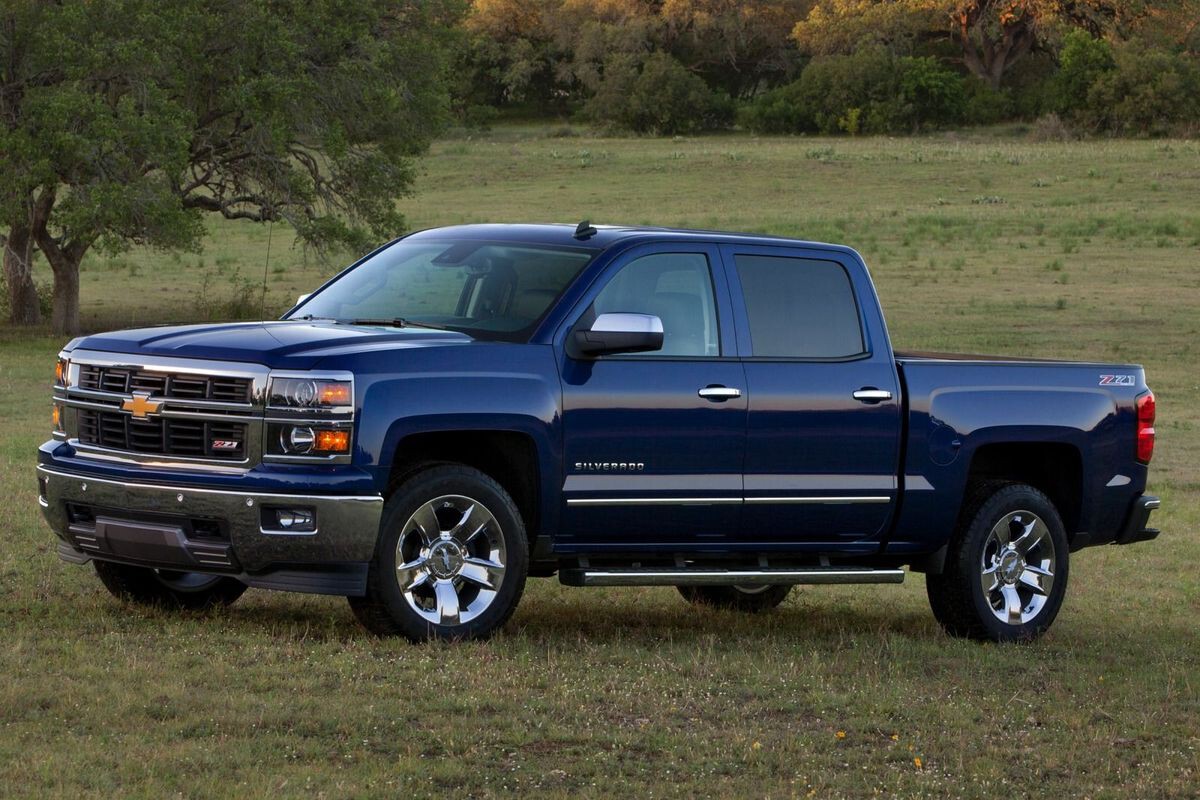
- Engine: 5.3L EcoTec3 V8 gasoline engine
- Horsepower: 355 hp
- Torque: 383 lb-ft
- Length: 231.7 inches (5,885 mm) (Crew Cab short bed example)
- Width: 81.2 inches (2,065 mm)
5. Chevrolet Silverado
The Chevrolet Silverado is a full-size pickup truck designed for work, towing, and daily transportation. Its size and capability make it a useful vehicle for demanding tasks, but the same characteristics can place significant pressure on braking components.
Some Silverado owners have reported brake rotor issues, including vibration, uneven braking, and concerns about rotor longevity.
Pickup trucks experience different braking challenges compared with lighter vehicles. A Silverado carrying cargo or towing a trailer requires more braking force to slow down safely. This additional load creates more heat, especially during repeated stops or downhill driving. Excessive heat cycles can contribute to changes in rotor surfaces and may result in noticeable brake feedback.
Reports from some owners have mentioned brake pulsation during moderate or heavy braking. In many cases, drivers describe this as a shaking sensation through the steering wheel or a movement in the brake pedal.
While these symptoms are often blamed on warped rotors, automotive technicians frequently examine several possible causes before confirming the source.
Brake maintenance is especially important for trucks because they are often used in conditions that create additional wear. Towing, off-road driving, frequent hauling, and driving in areas with steep terrain can shorten the lifespan of braking components. Choosing brake parts designed for the vehicle’s workload can make a significant difference.
The Silverado has been produced across many generations, and brake designs have changed over time. A complaint reported for a particular year or configuration does not necessarily represent every Silverado. Owners who follow maintenance schedules, inspect brakes regularly, and address warning signs early can reduce the likelihood of serious brake problems.
Also Read: 10 BMW Cars Ranked by Total Sales Volume in the Last 5 Years

- Engine: 3.6L Pentastar V6 gasoline engine
- Horsepower: 293 hp
- Torque: 260 lb-ft
- Length: 193.5 inches (4,915 mm)
- Width: 77.5 inches (1,969 mm)
6. Jeep Grand Cherokee
The Jeep Grand Cherokee combines SUV comfort with off-road capability, making it popular among drivers who want versatility. Some owners have reported brake rotor concerns, including vibration during braking and premature wear. These reports have often been discussed alongside the vehicle’s size, weight, and performance expectations.
A heavier SUV places greater demands on its braking system because the brakes must manage more energy during stops. Grand Cherokee models equipped with powerful engines or larger wheels may experience additional stress during aggressive driving. Heat buildup from repeated braking can influence rotor condition over time.
Some drivers notice brake shudder at highway speeds or during firm braking applications. This sensation can be caused by rotor thickness differences, uneven brake pad deposits, or other mechanical issues. A proper diagnosis is necessary because replacing rotors without identifying the underlying cause may lead to the same problem returning.
Driving conditions also affect brake longevity. A Grand Cherokee used for off-road adventures, towing, or frequent city driving may experience different brake wear compared with a vehicle used mainly for relaxed highway travel. Environmental factors such as moisture, road salt, and dirt can also affect brake components.
Maintaining a Grand Cherokee’s braking system requires attention to both routine service and driving habits. High-quality brake pads, correct installation, proper wheel torque, and regular inspections can help reduce brake-related concerns. Many enjoy long-term reliability from their vehicles when maintenance is performed correctly.
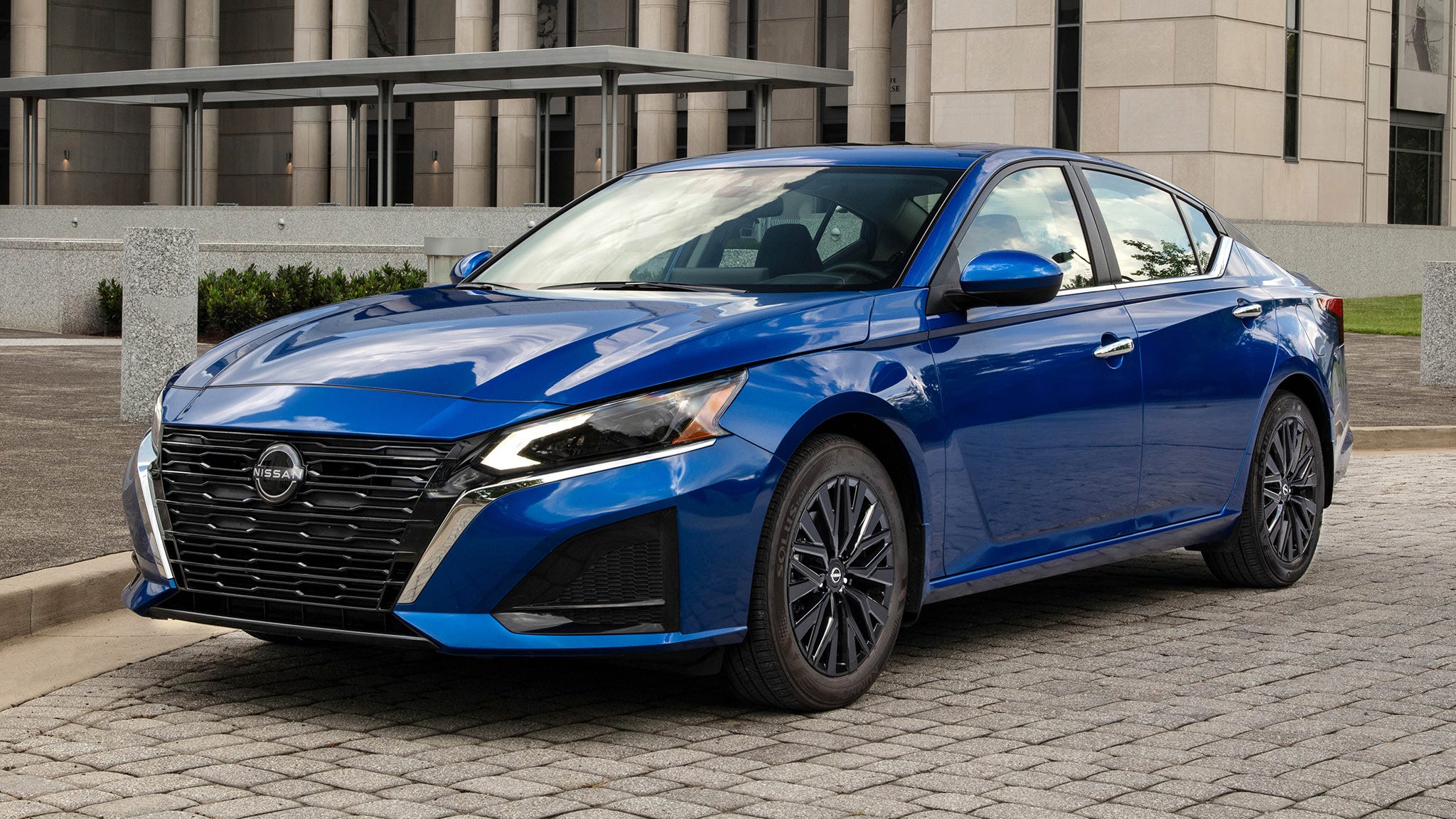
- Engine: 2.0L VC-Turbo variable compression turbocharged 4-cylinder engine
- Horsepower: 248 hp
- Torque: 273 lb-ft
- Length: 192.9 inches (4,902 mm)
- Width: 72.9 inches (1,852 mm)
7. Nissan Altima
The Nissan Altima has been a common midsize sedan choice for drivers seeking comfort, fuel efficiency, and affordability. Some Altima owners have reported brake vibration and rotor-related complaints, particularly in certain model years. These concerns have generally involved sensations such as brake pedal pulsation or steering wheel movement during braking.
Midsize sedans like the Altima are designed for everyday transportation, but braking systems still experience significant stress during regular use. Daily commuting, heavy traffic, and frequent stop-and-go conditions can increase heat cycles. Over time, these conditions may contribute to uneven brake wear if components are not maintained properly.
Some reports suggest that certain drivers experienced brake concerns earlier than expected. However, brake performance depends on many variables, including driving style, replacement parts, road conditions, and service quality. A vehicle driven gently on open roads may have very different brake results compared with one used in demanding traffic conditions.
Brake specialists often recommend inspecting the entire braking system when vibration occurs. The issue may involve rotors, pads, calipers, wheel bearings, or suspension components. Replacing only one part without identifying the actual cause may not provide a lasting solution.
The Altima remains a widely used sedan with many satisfied owners. Reported brake rotor concerns should be viewed as specific experiences rather than a guarantee that every vehicle will develop the issue. Proper care and timely maintenance play important roles in keeping the braking system operating smoothly.
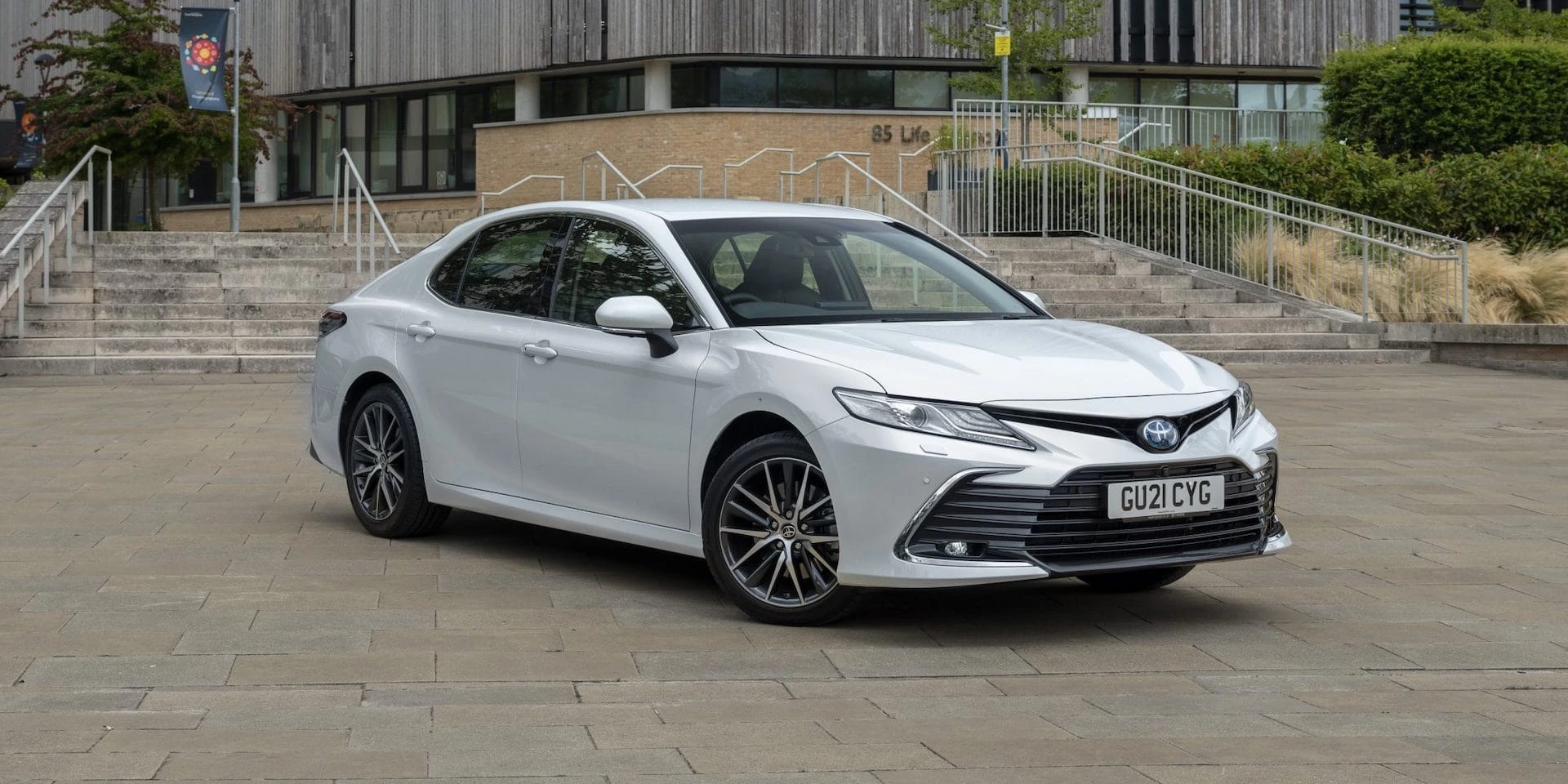
- Engine: 2.5L Dynamic Force 4-cylinder gasoline engine
- Horsepower: 203 hp
- Torque: 184 lb-ft
- Length: 193.5 inches (4,915 mm)
- Width: 72.4 inches (1,839 mm)
8. Toyota Camry
The Toyota Camry is known for reliability, comfort, and long-term ownership appeal. However, some Camry owners have reported brake vibration and rotor-related complaints across certain generations. These reports have included concerns about brake pulsation, uneven stopping feel, and rotor wear occurring sooner than expected.
The Camry is commonly used as a commuter vehicle, meaning many examples spend years handling daily traffic conditions. Frequent braking in crowded areas can create repeated heat cycles. When braking components experience constant temperature changes, surface irregularities may develop if conditions are unfavorable.
Some drivers describe a shaking sensation while braking at higher speeds. While this is often called rotor warping, technicians may identify other causes such as uneven pad material transfer or worn supporting components. Accurate diagnosis helps prevent unnecessary repairs and ensures that the correct solution is applied.
Brake rotor durability depends on several factors, including driving habits, climate, maintenance history, and replacement part quality. Two identical Camry models can have very different brake experiences depending on how they are driven and serviced. This is why owner reports should be considered alongside professional inspection findings.
For a Camry, regular brake checks are one of the best ways to maintain reliable performance. Replacing brake pads before excessive wear occurs, keeping wheels properly installed, and addressing unusual vibrations early can extend brake system life. The Camry continues to be a dependable vehicle choice for many drivers.
