
The sound of a performance car has always been one of the biggest parts of the driving experience. For decades, enthusiasts judged a vehicle not only by how quickly it accelerated but also by the character of its engine note.
The rumble of an American V8, the growl of an inline-six, or the high-revving scream of a naturally aspirated sports car created an emotional connection that could not be measured on a specification sheet.
However, modern emissions regulations, stricter noise limits, turbocharging, improved cabin insulation, and the rise of hybrid and electric vehicles have dramatically reduced the amount of natural engine sound reaching occupants.
To compensate, many automakers now use electronically generated or electronically enhanced engine noise. These systems may route synthesized sound through the vehicle’s speakers, amplify certain engine frequencies, or blend recorded engine tones with the real exhaust note.
The goal is not necessarily to fool drivers into believing the sound is completely natural. Instead, manufacturers use these systems to deliver a more engaging driving experience while meeting increasingly strict environmental and noise regulations.
Some systems are subtle enough that many owners never realize they are hearing digital assistance. Others intentionally create dramatic exhaust-like sounds that are impossible for the actual engine to produce.
The following eight vehicles sold in the United States are among the best-known examples of factory-installed artificial engine sound technology.
Each uses a different approach, but every model demonstrates how automotive performance has entered an era where software contributes almost as much to the soundtrack as mechanical engineering.
Also Read: 10 Cars With the Lowest 15-Year Cost to Own
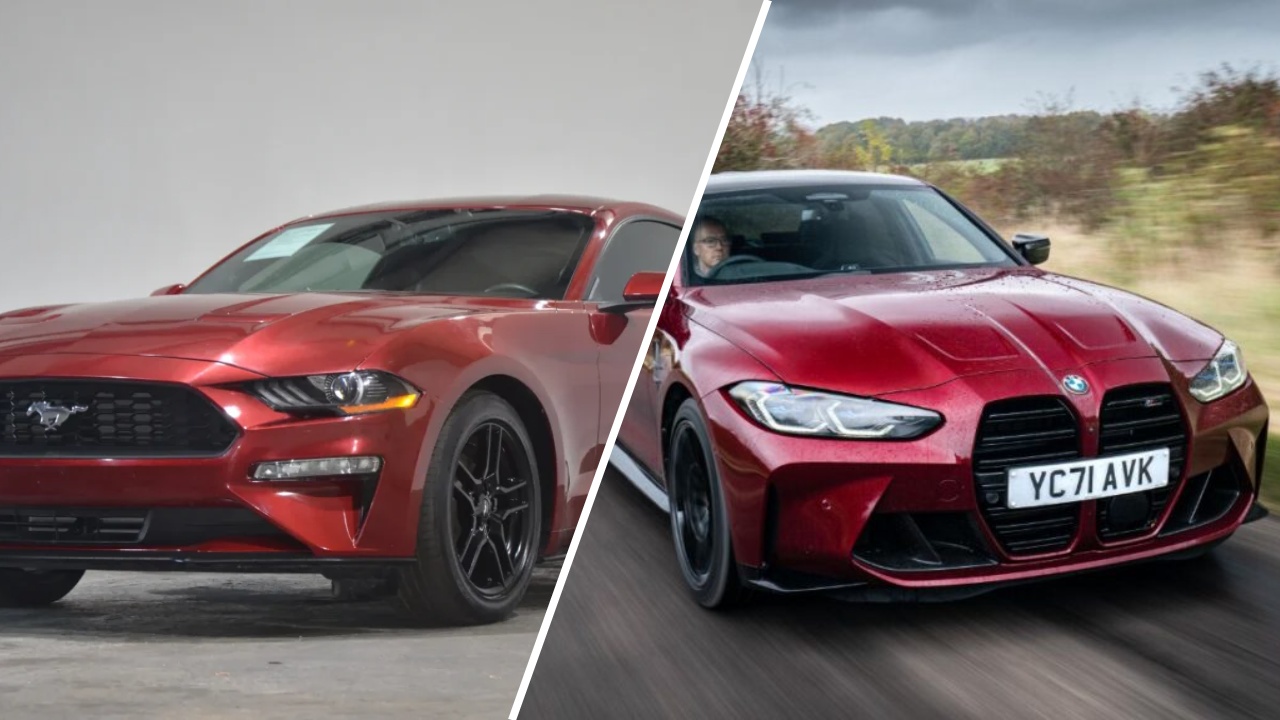
1. Ford Mustang EcoBoost
Few cars illustrate the need for synthetic engine sound better than the Ford Mustang EcoBoost. The Mustang name is closely associated with the deep rumble of a naturally aspirated V8, yet the EcoBoost model relies on a turbocharged 2.3-liter four-cylinder.
While the engine delivers impressive performance, its natural exhaust note cannot replicate the iconic character buyers expect from a Mustang. Ford addressed this by integrating active noise control and electronic sound enhancement that projects additional engine sound through the cabin speakers during acceleration.
Rather than playing a fixed recording, the system continuously adjusts its sound output according to throttle position and engine speed. The result is a richer, more aggressive soundtrack inside the cabin, while those outside the vehicle hear the comparatively subdued note of the four-cylinder engine.
This approach allows Ford to maintain refinement during highway cruising while giving the driver a more emotional experience during spirited driving.
The EcoBoost Mustang remains one of America’s most successful affordable sports cars because its performance credentials are genuine. Independent testing regularly records 0 to 60 mph times in under five seconds for recent Performance Package models.
The synthetic sound does not increase horsepower, but it helps reinforce the performance image that buyers associate with the Mustang badge.
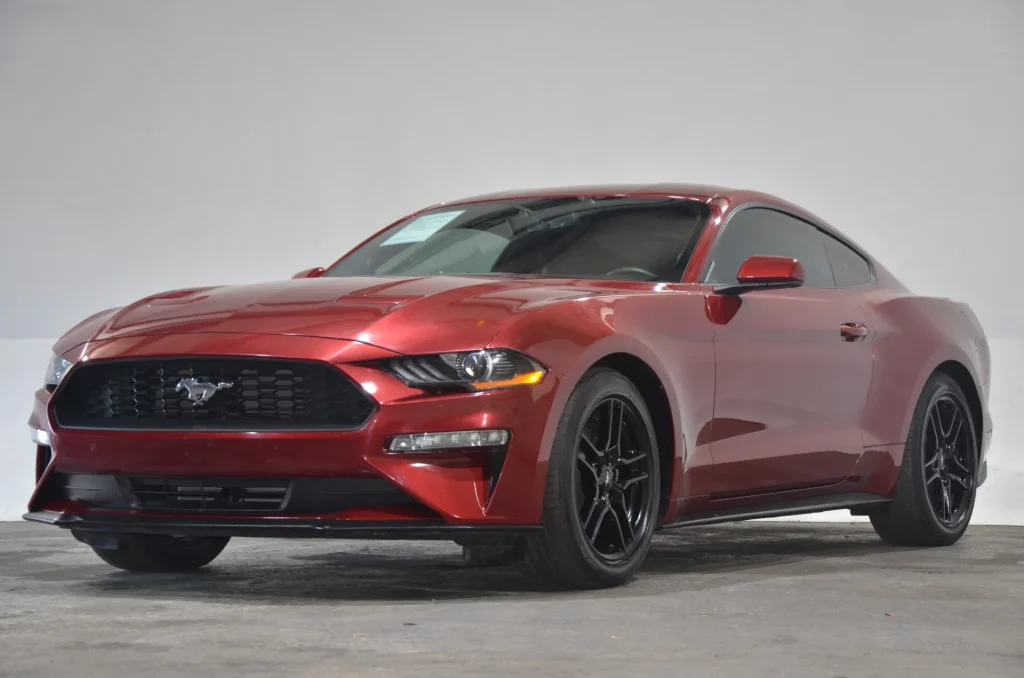
Many owners are surprised to learn the enhanced soundtrack comes through the audio system rather than solely from the exhaust. Some enthusiasts disable the feature, while others appreciate the added excitement.
Regardless of personal preference, the EcoBoost Mustang remains one of the clearest examples of artificial engine sound becoming part of a mainstream performance car.
Specifications
- Engine: 2.3-liter turbocharged inline-four
- Torque: 350 lb-ft
- Horsepower: 315 hp
- Length/Width: 189.4 inches / 75.4 inches
2. BMW M3 Competition (G80)
BMW has spent decades building a reputation around naturally aspirated inline-six engines that produced an unmistakable mechanical sound. As turbocharging became essential for efficiency and emissions compliance, engineers discovered that modern insulation significantly reduced engine noise inside the cabin.
The solution was M Sound, an electronically generated soundtrack played through the speakers.
BMW’s latest sound enhancement software goes beyond amplifying the engine’s natural frequencies. It actively generates additional engine tones that change in real time according to throttle input, transmission selection, and engine speed, creating a more dynamic driving experience.
The soundtrack becomes much louder in Sport and Sport Plus modes, making the cabin feel considerably more dramatic than the exterior would suggest.
The G80 M3 Competition uses a twin-turbocharged 3.0-liter inline-six producing remarkable acceleration. Despite the artificial sound assistance, the vehicle still has a genuine performance exhaust with electronically controlled valves. The synthetic element simply supplements what occupants hear, particularly under heavy acceleration.
BMW engineers argue that the system restores some of the emotional connection that thick insulation and modern emissions equipment naturally remove. Critics, however, often point out that the digital soundtrack lacks the authenticity of older naturally aspirated M cars.
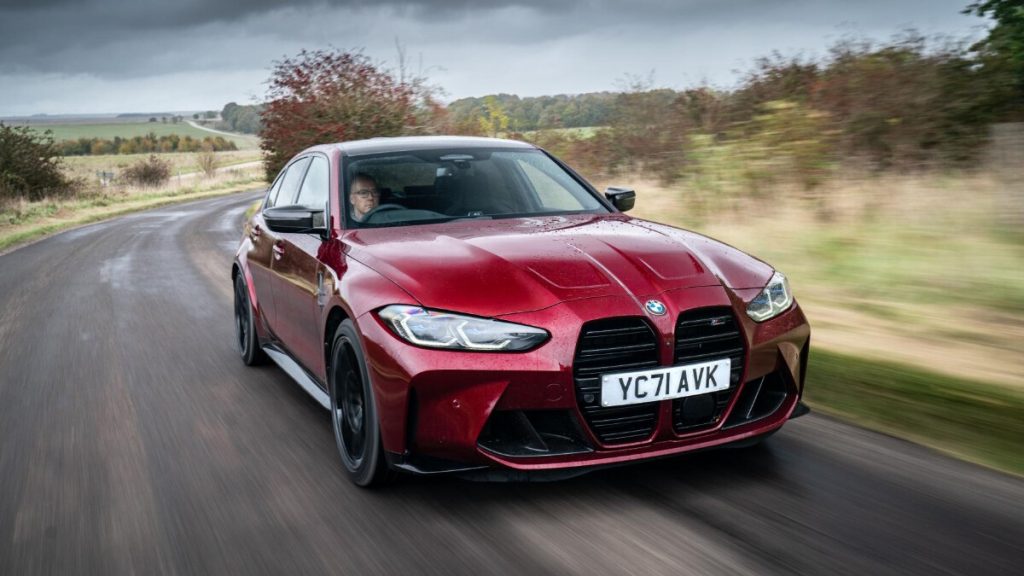
Regardless of the debate, the M3 Competition remains one of the most recognizable examples of speaker-generated performance sound in today’s automotive industry.
Numerous aftermarket tuning companies even offer software modifications specifically to reduce or eliminate BMW’s Active Sound Design, demonstrating just how noticeable the feature has become among enthusiasts.
Specifications
- Engine: 3.0-liter twin-turbocharged inline-six
- Torque: 479 lb-ft
- Horsepower: 523 hp
- Length/Width: 189.1 inches / 74.3 inches
3. Volkswagen Golf GTI (Mk8)
For decades, the Volkswagen Golf GTI earned its reputation through a balanced combination of everyday usability and lively performance. Earlier generations relied almost entirely on the natural sound of their turbocharged engines, but modern regulations and improved cabin insulation significantly reduced the amount of mechanical character reaching the driver.
Volkswagen responded by introducing a system known as the Soundaktor, one of the industry’s most unusual approaches to artificial engine sound.
Instead of relying exclusively on the cabin speakers, the Soundaktor uses an electronic actuator mounted near the firewall. The device vibrates in synchronization with engine speed and load, creating additional low-frequency sound that travels through the vehicle’s structure into the cabin.
On newer GTI models, digital audio enhancement through the infotainment system can also supplement the experience depending on the drive mode. The result is a deeper, sportier soundtrack inside the vehicle than the engine naturally produces.
The effect becomes most noticeable in sport mode, where throttle response, steering weight, and sound enhancement all increase together. During relaxed highway driving, the system remains relatively subdued, preserving the GTI’s reputation as a comfortable daily driver.
Independent reviewers have consistently noted that occupants hear a much richer engine note inside the cabin than observers standing outside the vehicle.
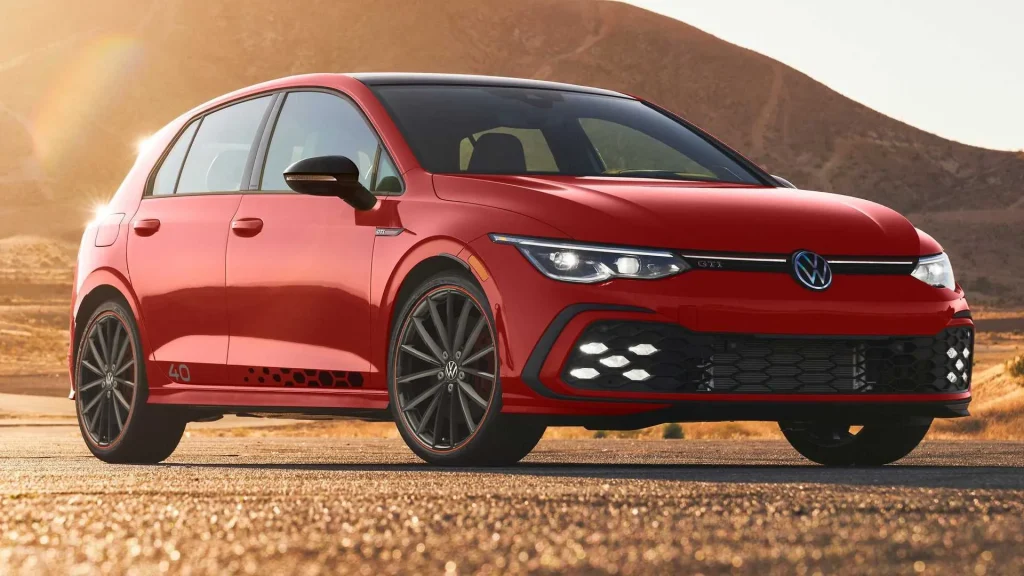
While some enthusiasts disconnect the Soundaktor for a more authentic experience, many owners appreciate that it restores some of the excitement lost to modern emissions equipment and quieter exhaust systems.
The GTI continues to deliver sharp handling and strong real-world performance, while its electronically enhanced soundtrack helps maintain the engaging personality that has defined the model for nearly five decades.
Specifications
- Engine: 2.0-liter turbocharged inline-four
- Torque: 273 lb-ft
- Horsepower: 241 hp
- Length/Width: 168.8 inches / 70.4 inches
4. Hyundai Elantra N
The Hyundai Elantra N demonstrates that artificial engine sound does not have to be subtle. Developed by Hyundai’s N performance division, the sedan combines a genuine performance exhaust with one of the most customizable synthetic sound systems currently offered in the United States.
The objective was not to imitate another engine configuration but to make the driving experience feel more engaging despite the limitations of a turbocharged four-cylinder.
Drivers can select different sound profiles through the vehicle’s N Mode settings. Depending on the configuration, the cabin receives electronically generated engine noise through the audio system that changes in volume and tone according to throttle input and engine speed.
Hyundai pairs this with electronically controlled exhaust valves and programmed ignition timing that produce real pops and crackles from the exhaust. The combination of authentic exhaust sounds and synthesized cabin audio creates an unusually dramatic experience for a compact sport sedan.
What separates the Elantra N from many competitors is the degree of driver control. Owners can customize steering, suspension, transmission behavior, throttle response, differential settings, and sound independently, allowing the synthetic audio to match their preferred driving style.
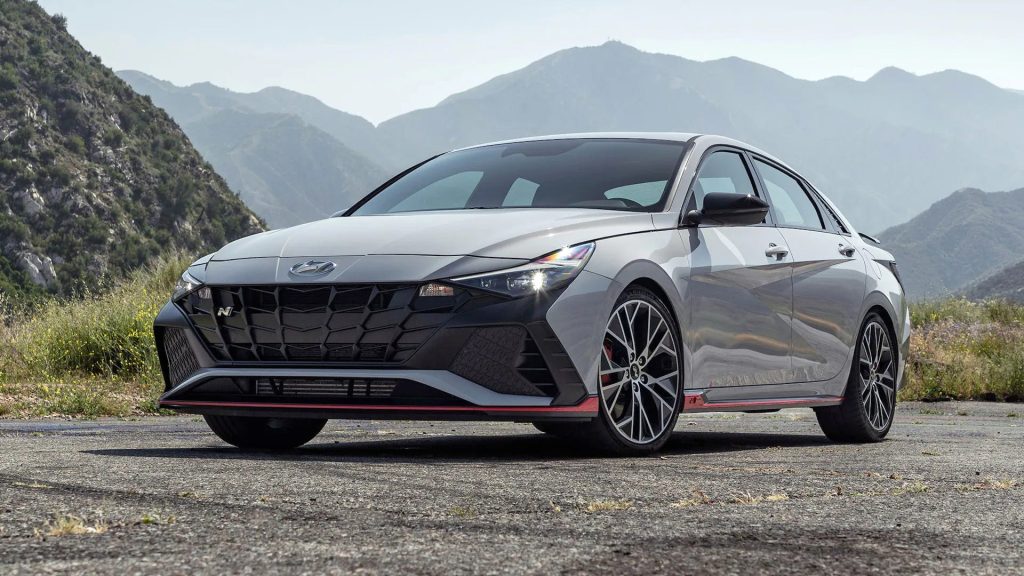
Reviews from American automotive publications consistently describe the sound experience as intentionally theatrical rather than attempting to disguise the engine’s true identity.
Even without the enhanced soundtrack, the Elantra N is a legitimate performance sedan capable of competing with more established rivals in handling and acceleration. Hyundai simply recognized that emotional engagement is an important part of the package, and software became another tool for delivering that excitement.
Specifications
- Engine: 2.0-liter turbocharged inline-four
- Torque: 289 lb-ft (310 lb-ft with N-Grin Shift)
- Horsepower: 276 hp (286 hp with N Grin Shift)
- Length/Width: 184.1 inches / 71.9 inches
5. Honda Civic Type R (FL5)
The latest Honda Civic Type R proves that even one of the world’s most respected front-wheel-drive performance cars is not immune to the realities of modern noise regulations.
Beneath its aggressive bodywork sits a turbocharged 2.0-liter four-cylinder that delivers exceptional performance, but its natural exhaust note is quieter than many enthusiasts expected.
To compensate, Honda incorporates Active Sound Control, which supplements the real engine sound through the vehicle’s speaker system.
Honda’s software builds upon the natural sound characteristics of the K20C1 engine rather than creating the impression of an entirely different powertrain. The level of enhancement varies with the selected drive mode, becoming more pronounced as the driving experience becomes more performance-focused.
Comfort mode keeps the cabin sound relatively restrained, Sport increases the effect, and +R mode delivers the loudest and most aggressive soundtrack. The transition is seamless because the system continuously monitors engine speed and throttle position, ensuring the synthesized sound rises and falls naturally with driver inputs.
Honda did not rely solely on electronics. The Civic Type R also features a triple-outlet exhaust system that produces genuine mechanical sound, especially under heavy acceleration.
Even so, independent reviews and owner discussions have confirmed that a noticeable portion of what occupants hear originates from the audio system rather than exclusively from the exhaust.
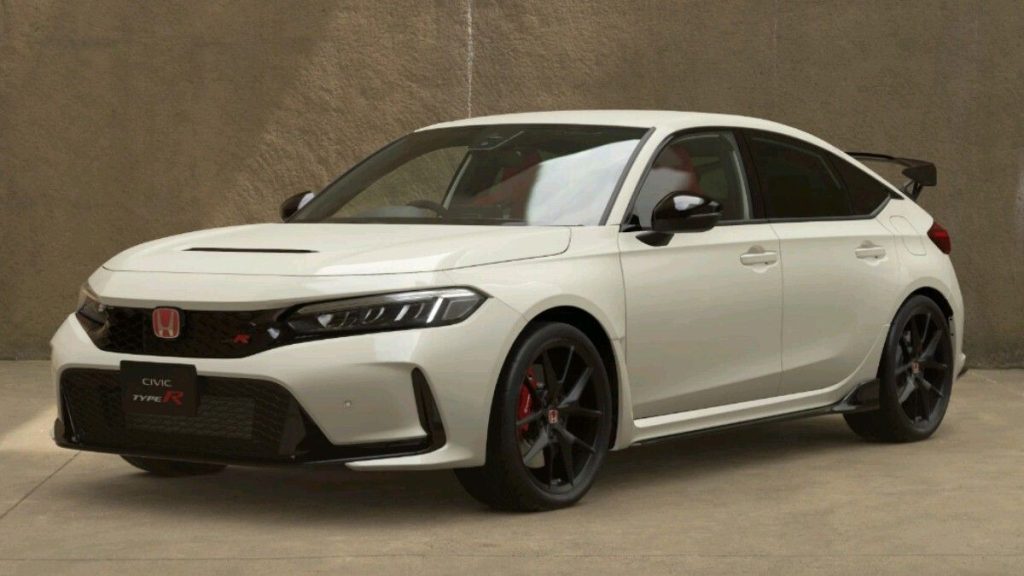
The additional cabin sound helps preserve the emotional character expected from Honda’s flagship performance hatchback despite increasingly strict federal and state noise standards.
Although some traditional enthusiasts would prefer only mechanical sound, many drivers appreciate the added sense of involvement during spirited driving.
The Civic Type R remains one of the highest-performing front-wheel-drive cars available in the American market, and its carefully tuned sound enhancement complements its exceptional chassis, steering precision, and six-speed manual transmission rather than attempting to hide the engine’s true identity.
Specifications
- Engine: 2.0-liter turbocharged inline-four
- Torque: 310 lb-ft
- Horsepower: 315 hp
- Length/Width: 180.9 inches / 74.4 inches
6. Kia Stinger GT
When Kia introduced the Stinger GT, it entered a segment traditionally dominated by established European sport sedans. Delivering competitive acceleration and handling was only part of the challenge.
Engineers also wanted the car to provide an engaging soundtrack without violating increasingly restrictive exterior noise regulations. Their solution combined a genuine dual exhaust system with Active Sound Design that projects additional engine sound into the cabin through the vehicle’s speakers.
The Stinger GT’s twin-turbocharged V6 naturally produces a pleasing exhaust note, but thick sound insulation and modern emissions equipment reduce much of that character for occupants.
Active Sound Design restores some of the missing drama by generating engine tones that closely follow throttle position and engine speed. The enhancement is particularly noticeable in Sport mode, where the soundtrack becomes deeper and more pronounced during acceleration while remaining subdued during normal cruising.
Kia’s software is designed to enhance the natural character of the V6 rather than simulate the sound of a V8 or a different engine configuration. This approach preserves the engine’s authentic personality while adding a more engaging acoustic experience.
This balance helped the Stinger receive praise from many reviewers for maintaining refinement during everyday driving while still feeling lively on winding roads.
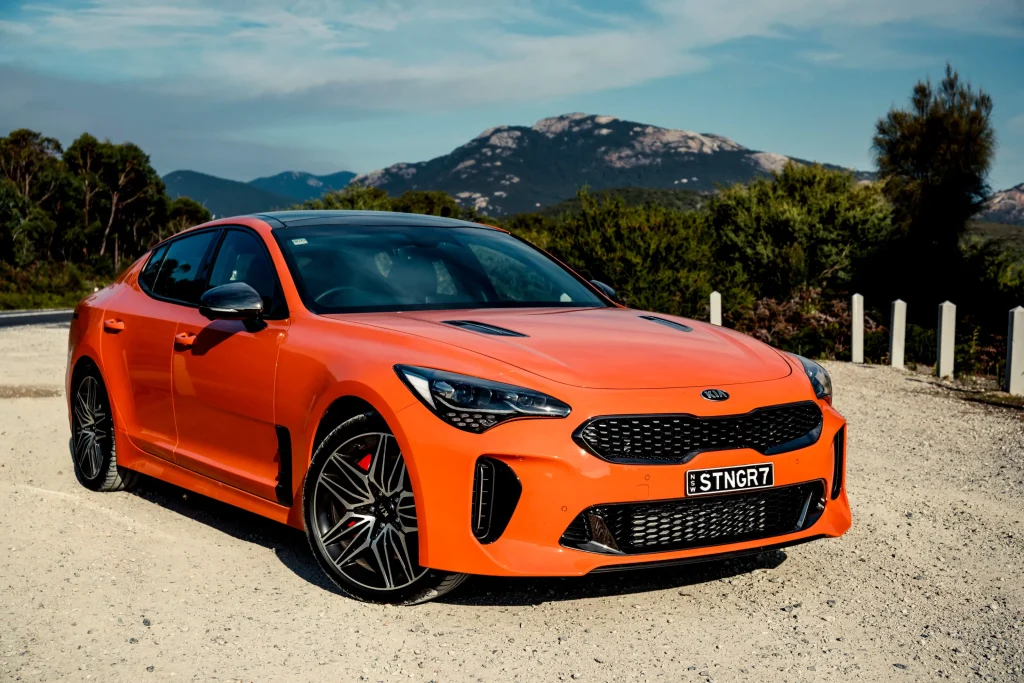
The technology reflects a broader trend across the performance car market. Manufacturers increasingly rely on software to deliver an emotional driving experience as exhaust systems become quieter due to emissions compliance and consumer comfort expectations.
In the Stinger GT, the electronically enhanced soundtrack works alongside genuine mechanical performance, allowing Kia’s flagship sport sedan to compete with premium rivals in both acceleration and driver engagement.
Specifications
- Engine: 3.3-liter twin-turbocharged V6
- Torque: 376 lb-ft
- Horsepower: 368 hp
- Length/Width: 190.2 inches / 73.6 inches
7. BMW i4 M50
The BMW i4 M50 highlights how artificial engine noise has evolved beyond gasoline-powered vehicles. Because battery-electric cars operate with almost no traditional engine sound, BMW collaborated with acclaimed film composer Hans Zimmer to create a digital audio experience called BMW IconicSounds Electric.
Rather than reproducing the noise of an internal combustion engine, the system generates futuristic acceleration tones through the cabin speakers that change according to throttle input, vehicle speed, and the selected driving mode.
The sound profile becomes noticeably more intense in Sport mode, where the synthetic tones build in pitch and volume as the car accelerates. During gentle driving, the audio remains subtle, preserving the quiet refinement many EV buyers expect.
Since electric motors produce instant torque without gear changes or combustion pulses, the synthesized soundtrack gives drivers additional sensory feedback that would otherwise be absent.
BMW has been transparent that the sounds are entirely digital and intended to increase driver engagement instead of pretending an engine is under the hood.
Reviews from U.S. automotive publications consistently note that the system adds excitement during hard acceleration while remaining optional for drivers who prefer the near-silent nature of an electric vehicle.
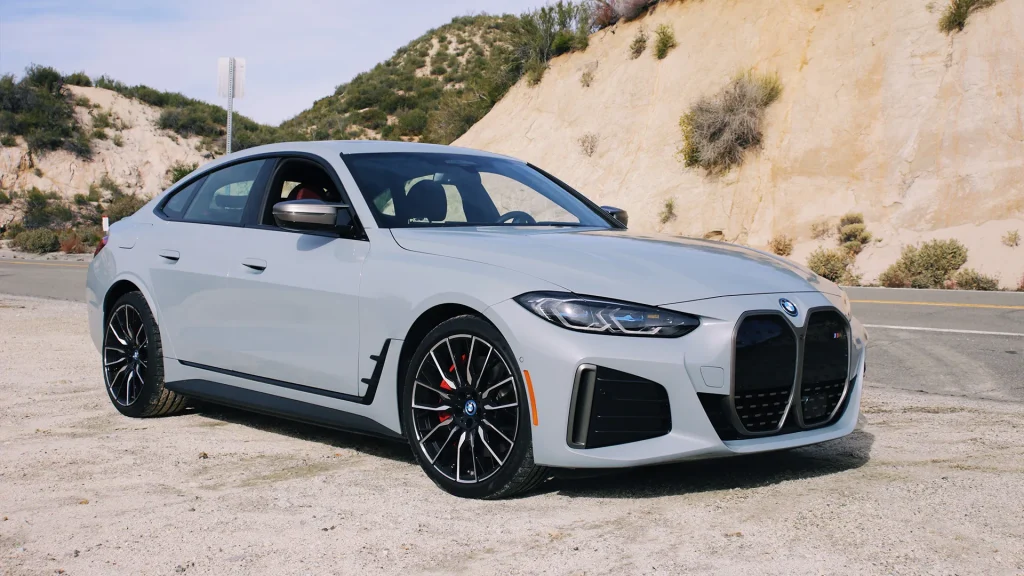
Despite relying on artificial sound, the i4 M50’s performance is unquestionably real. Dual electric motors deliver sports-car levels of acceleration, and the synthetic audio simply complements that capability.
The vehicle represents a new generation of performance automobiles where software contributes to the emotional experience just as much as horsepower, demonstrating that “fake engine noise” has expanded into purpose-built electric driving sounds.
Specifications
- Engine: Dual electric motors
- Torque: 586 lb-ft
- Horsepower: 536 hp
- Length/Width: 188.5 inches / 72.9 inches
8. Dodge Charger Daytona Scat Pack (Electric)
The all-electric Dodge Charger Daytona Scat Pack takes artificial engine sound further than almost any production vehicle sold in the United States. Dodge understood that muscle-car buyers associate the Charger name with the unmistakable roar of large-displacement V8 engines.
Since an electric powertrain naturally operates almost silently, engineers developed the patented Fratzonic Chambered Exhaust system to create a completely new exterior and interior sound experience.
The Fratzonic system takes a different approach from conventional sound enhancement technologies by using an external sound chamber and amplifier mounted at the rear of the vehicle. This hardware generates sound outside the cabin rather than relying solely on the interior speakers.
Dodge states that the system can produce sound levels comparable to traditional high-performance muscle cars while varying its tone according to accelerator input, vehicle speed, and power output.
The result is a loud, aggressive soundtrack that is intentionally synthetic but designed to preserve the emotional identity of the Charger.
The company has openly marketed the feature as a defining characteristic of the electric Charger rather than trying to disguise its artificial nature. It is one of the first production EVs to prioritize audible performance as a key part of its brand image.
Drivers hear the digital soundtrack inside the cabin, while pedestrians and nearby vehicles also hear the electronically generated exhaust note from outside the car.
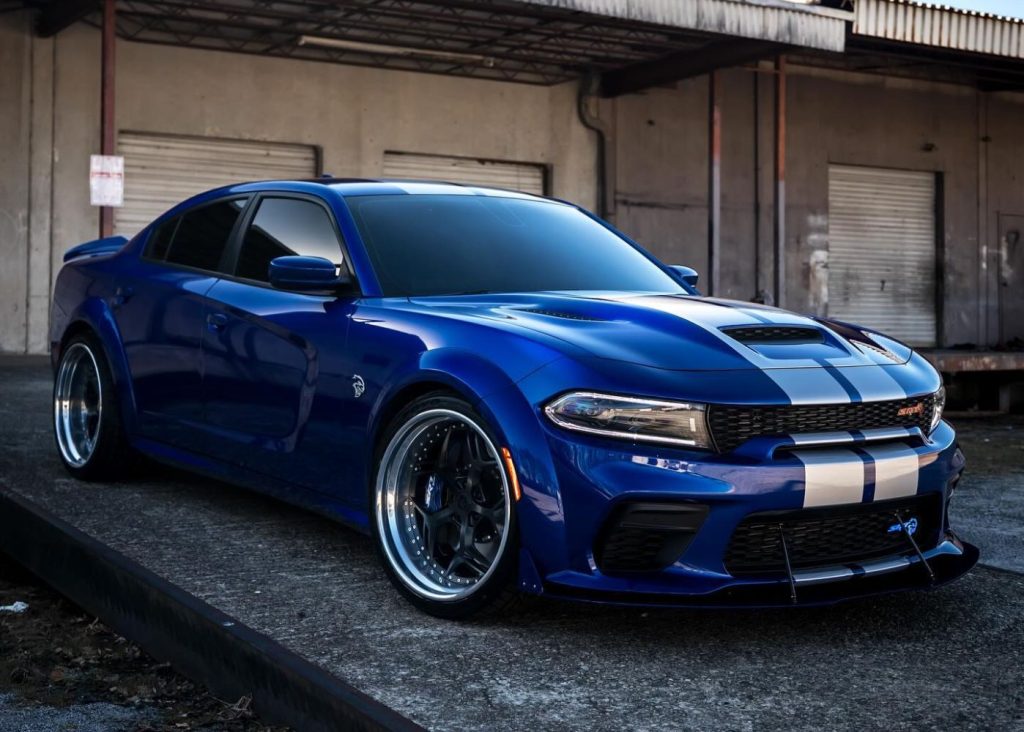
Whether enthusiasts embrace the concept remains a matter of personal opinion, but there is little debate that the Charger Daytona represents one of the boldest implementations of synthetic vehicle sound in the American market.
Instead of quietly accepting the silence of electrification, Dodge chose to engineer an entirely new performance soundtrack for the electric era.
Specifications
- Engine: Dual electric motors
- Torque: 627 lb-ft
- Horsepower: 670 hp
- Length/Width: 206.6 inches / 79.8 inches
