
Car theft has changed dramatically in the last two decades. What once depended mostly on broken windows, forced ignitions, and crude tools has now become a sophisticated business driven by technology, organized crime, global parts demand, and even social media trends.
Some vehicles disappear from parking lots within minutes, while others remain untouched for years despite being parked in the same neighborhood. The difference rarely comes down to luck alone. Certain characteristics make specific vehicles more attractive, easier to target, or more profitable for thieves.
One major reason behind theft patterns is familiarity. Criminals usually target vehicles they already understand. If a particular model has a weak security flaw, thieves share methods quickly through online forums, private groups, or local criminal networks. Once a weakness becomes widely known, theft numbers can rise rapidly.
In some situations, the criminals do not even need advanced equipment. Repeated success creates confidence, and confidence creates repetition. That is why theft statistics often concentrate on specific types of vehicles rather than being evenly spread across the market.
Another important factor is the demand for replacement parts. A stolen vehicle is not always sold intact. Many are dismantled within hours, and their components are distributed across repair shops, illegal markets, or export channels.
Vehicles with interchangeable parts become especially vulnerable because their components fit many years and trims. Engines, doors, headlights, wheels, infotainment systems, catalytic converters, and airbags can all generate profit separately. In many cases, the individual pieces become more valuable than the vehicle itself.
Location also shapes theft rates. Dense cities, poorly lit apartment complexes, crowded public parking lots, and areas near shipping routes create favorable conditions for criminals. Owners sometimes assume modern security systems guarantee protection, yet thieves continue adapting faster than expected.
Signal amplification devices, key cloning tools, and onboard diagnostic exploits have become increasingly common. Vehicles once considered highly secure now face completely different risks than they did ten years ago.
Public perception also plays a role. Some owners believe a common vehicle is safer because it blends into traffic. Ironically, that popularity may increase theft risk because stolen examples attract less attention and replacement parts sell quickly.
At the same time, rare luxury vehicles can become targets due to prestige and export value. The reasons vary widely, but the pattern remains consistent. Vehicles become vulnerable when thieves see simplicity, profit, or opportunity.
Understanding those motivations explains why some vehicles attract criminals repeatedly while others rarely appear in theft reports.
Also Read: Why Mechanics Quietly Drive Older Cars, Explained
1. Popularity Creates Opportunity
The vehicles seen most frequently on roads often become the easiest targets for organized theft operations. A common model provides familiarity, predictable construction, and a massive aftermarket for parts.
Thieves prefer efficiency, and common vehicles reduce uncertainty. They already know where trackers are usually hidden, how door systems behave, and which components can be removed quickly. Familiarity saves time, and time matters during theft.
A highly recognizable vehicle also blends into traffic after being stolen. When thousands of identical units circulate through a city every day, a stolen example attracts little attention.
That anonymity becomes valuable for criminals trying to move vehicles across neighborhoods or state lines. Police officers searching for suspicious activity have a harder time identifying one ordinary vehicle among hundreds of similar examples.
Another issue comes from repair economics. Common vehicles are constantly repaired after accidents, mechanical failures, and cosmetic damage. That creates steady demand for inexpensive replacement parts. Illegal dismantling operations feed this demand because buyers sometimes prioritize affordability over traceability.
A stolen vehicle may be stripped within hours, with every usable component sold separately. Doors, mirrors, airbags, dashboards, and wheels move through underground markets surprisingly fast.
Insurance data repeatedly shows that mass market vehicles appear on theft lists more often than some expensive luxury models. Many people assume exotic vehicles face the highest risk because of their price tags, but high production volume changes the equation.
A thief may prefer stealing a familiar vehicle that can be sold quickly instead of risking attention with a rare supercar.
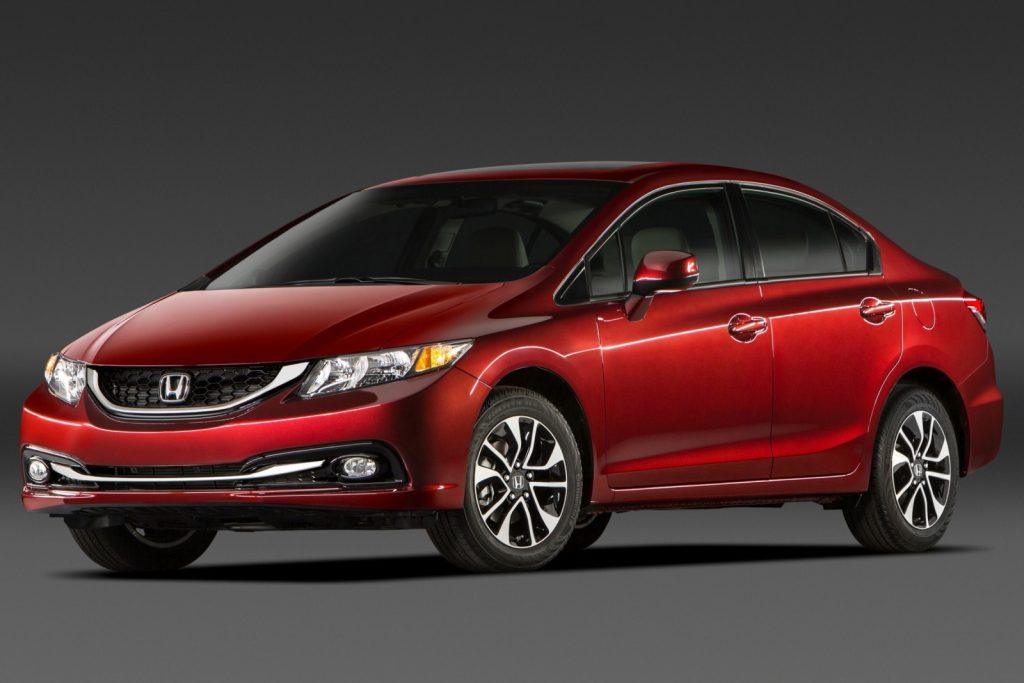
Parking habits also contribute to the problem. Owners of common vehicles sometimes feel less urgency about security because their vehicle does not appear flashy or unusual.
They may leave it unlocked briefly, keep spare keys nearby, or rely entirely on factory protections. Criminals benefit from that casual mindset. Theft often succeeds not because security is absent, but because predictability and opportunity intersect at the right moment.
2. Weak Security Systems Invite Repetition
When criminals discover a successful theft technique, they rarely keep it secret for long. Methods spread quickly through online communities, messaging groups, and local criminal circles.
Once a vulnerability becomes widely known, the affected vehicles can experience dramatic increases in theft attempts. Security flaws effectively turn certain models into repeat targets.
Older vehicles with traditional mechanical ignitions remain vulnerable because many lack advanced immobilisers or encrypted key systems. A skilled thief can bypass those defenses relatively quickly using simple tools. Yet modern vehicles are not automatically safe.
Digital technology introduced convenience, but it also created new attack points. Relay attacks, signal amplification, and programming devices allow criminals to manipulate electronic systems without visibly damaging the vehicle.
Keyless entry systems deserve special attention. Many owners enjoy the convenience of unlocking and starting a vehicle without touching the key fob. Unfortunately, criminals learned to exploit that convenience using relay equipment.
One device captures the signal from a key inside a home while another transmits it near the vehicle. The vehicle interprets the signal as legitimate access. In some cases, thieves drive away silently within seconds.
Manufacturers sometimes react slowly after vulnerabilities become public. Software updates may take months to reach owners, and not every owner installs them promptly.
During that gap, theft rates can surge. Social media can worsen the situation because viral demonstrations spread awareness rapidly. Even inexperienced criminals may attempt theft after watching simplified tutorials online.
Certain vehicles also suffer because security hardware varies between trims or production years. Owners may assume every version includes the same protections when that is not true.
Criminals specifically search for weaker variants because they know success rates are higher. A vehicle that appears modern from the outside may still carry outdated electronic protections underneath.
The psychological impact matters too. Once a model gains a reputation for being easy to steal, more thieves target it simply because they expect success. Reputation alone can increase theft frequency.
Criminals prefer low-risk situations, and repeated stories of successful thefts encourage imitation. Security weaknesses, therefore, create a cycle where public awareness unintentionally attracts even more criminal attention.
3. High Demand for Parts Fuels Theft Networks
Not every stolen vehicle ends up with fake plates or forged documents. Many disappear into dismantling operations where every usable component becomes merchandise. This hidden economy plays a massive role in modern vehicle theft. A single stolen vehicle can generate income from dozens of separate parts sold individually across multiple regions.
Some components carry especially high value because replacement costs continue rising. Advanced headlights, touchscreens, catalytic converters, radar sensors, and airbag modules can cost thousands through official repair channels.
That pricing creates strong incentives for illegal alternatives. Criminal groups recognize which components generate the fastest returns and prioritize vehicles containing those items.
Repair demand also shapes theft patterns. Vehicles involved in collisions often require expensive replacement parts, and shortages can delay repairs for weeks or months.
Independent buyers searching for cheaper alternatives sometimes turn to unofficial markets without asking enough questions about origin. This demand quietly supports theft operations because stolen components move quickly once listed.
Another factor involves compatibility. Some vehicle platforms share parts across several years and trims. That interchangeability increases the resale potential of stolen components.
A single engine or transmission might fit dozens of configurations, making it easier to find buyers. Thieves pay close attention to those patterns because broader compatibility means broader profit opportunities.
Export markets further complicate the issue. Certain parts become extremely valuable overseas, where supply chains are weaker, or import costs remain high. Organized groups may steal vehicles specifically for shipping containers destined for foreign buyers. In those situations, the vehicle itself acts more like inventory than transportation.
Unlike dramatic movie scenes, dismantling operations are often quiet and systematic. Vehicles may enter garages, warehouses, or hidden workshops shortly after theft. Identification numbers disappear, parts are catalogued, and distribution begins rapidly. By the time authorities identify the theft, the original vehicle may no longer exist as a complete unit.
Owners frequently underestimate how valuable ordinary components have become. Even side mirrors now contain cameras, sensors, heating systems, and electronic modules.
Modern vehicles are packed with expensive technology, and criminals understand the resale value attached to each piece. Theft increasingly follows economics rather than thrill-seeking behavior.
4. Urban Environments Make Theft Easier
Dense cities create ideal conditions for vehicle theft because movement, anonymity, and congestion work in favor of criminals.
Large parking structures, crowded apartment complexes, and busy streets provide countless opportunities to observe routines without attracting suspicion. Thieves prefer environments where they can study targets while blending into everyday activity.
Apartment communities present particular challenges. Residents often park in shared garages where hundreds of vehicles enter and exit daily. Security cameras may exist, but poor lighting, limited staffing, or obstructed views reduce effectiveness.
Criminals exploit these weak points carefully. A thief walking through a crowded garage rarely appears unusual because constant foot traffic normalizes movement.
Street parking increases vulnerability even further. Vehicles left overnight in dimly lit areas face longer exposure periods and reduced supervision. Owners cannot monitor suspicious activity easily from upper floors or distant buildings. Criminals know response times are slower during late hours, especially in neighborhoods where alarms frequently trigger falsely.
Traffic density also helps thieves escape unnoticed. In a crowded city, a stolen vehicle can disappear into normal traffic within minutes.
Highway access routes near urban centers make transportation faster, particularly for organized groups moving vehicles toward dismantling locations or shipping hubs. Speed matters after a theft, and cities provide multiple escape paths.
Public habits unintentionally assist criminals, too. Many drivers leave valuables visible inside vehicles, forget to lock doors briefly during errands, or leave vehicles unattended during cold mornings. Those small actions create openings. Opportunistic thefts often begin with simple negligence rather than advanced planning.
Interestingly, affluent areas are not automatically safer. Luxury neighborhoods may contain higher concentrations of desirable vehicles, attracting professional criminals willing to invest more preparation. Gated communities help somewhat, but determined groups often bypass barriers through tailgating techniques or stolen access credentials.
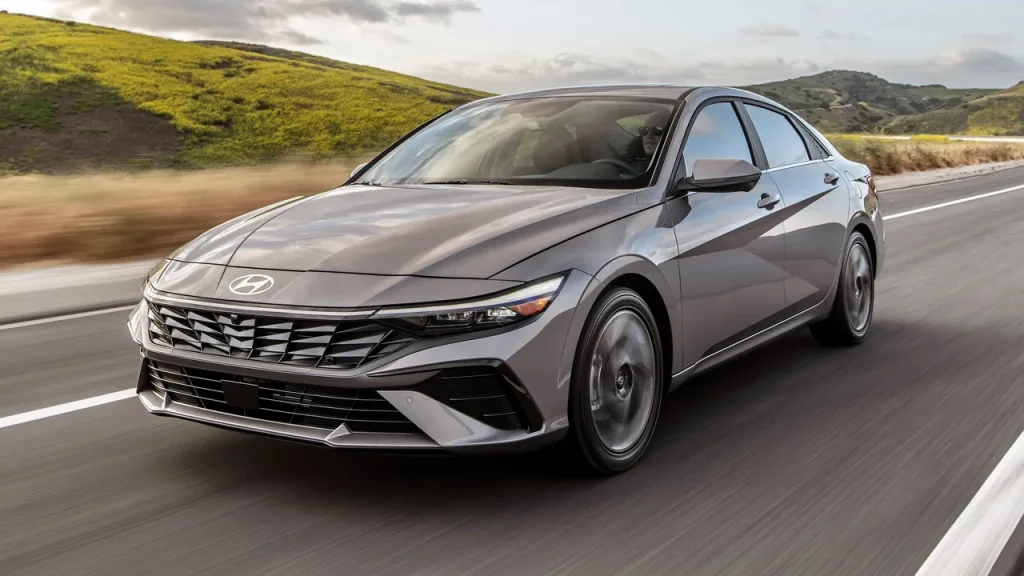
Urban theft patterns reveal how the environment shapes criminal behavior. A vehicle parked safely in a suburban driveway might face significantly greater risk when left overnight near entertainment districts, transit stations, or crowded residential blocks.
Location changes exposure levels dramatically. Vehicle security depends not only on engineering but also on where the vehicle spends its time.
5. Social Media and Trends Influence Theft Waves
Vehicle theft no longer spreads only through local criminal networks. Social media platforms accelerate information sharing at a remarkable speed. A single viral video demonstrating a weakness can influence theft activity across entire countries within days. Criminal techniques once limited to experienced thieves now reach enormous audiences almost instantly.
Some online content glamorizes theft culture rather than treating it as a serious crime. Videos featuring stolen vehicles, reckless driving, and simplified tutorials attract attention because controversy spreads rapidly online.
Younger audiences may imitate dangerous behavior without understanding legal or financial consequences. The digital environment sometimes transforms theft methods into temporary trends.
Law enforcement agencies have repeatedly warned that online exposure increases copycat incidents. When specific vulnerabilities become widely publicized, opportunistic criminals begin targeting those vehicles even without prior experience. Curiosity turns into experimentation, and experimentation can become an organized activity surprisingly quickly.
Another issue involves misinformation. Viral clips often exaggerate how easy certain vehicles are to steal, creating panic among owners. Yet even exaggerated claims can still produce real consequences because thieves respond to perception. If criminals believe a vehicle has weak protection, theft attempts increase regardless of actual difficulty.
Manufacturers face enormous pressure during these moments. Public trust declines rapidly when theft-related content dominates headlines or social feeds. Companies may release software patches, steering wheel locks, or extended warranties in response.
Still, public awareness tends to outpace official solutions. By the time updates reach consumers, theft numbers may already have climbed substantially.
The role of online marketplaces should not be ignored either. Stolen components and counterfeit replacement keys sometimes circulate through digital platforms disguised as legitimate products. Tracking those networks becomes difficult because listings change constantly and sellers operate across different regions.

What makes this situation unique is the speed of influence. Traditional crime patterns evolved gradually over the years. Social media can reshape theft behavior almost overnight.
One viral narrative can redirect criminal attention toward specific vehicles nationwide. Technology, therefore, affects theft in two directions simultaneously. It changes how vehicles are stolen and also how criminals learn which vehicles to target.
6. Owner Behaviour Still Matters More Than Many Realise
Modern security technology receives enormous attention, yet human behavior continues playing a major role in theft risk. Many successful thefts happen because owners unintentionally create opportunities through routine habits. Criminals consistently search for convenience, and careless behavior provides exactly that.
Leaving keys near entry doors remains a common mistake. Relay attack equipment works most effectively when signals are easy to capture from outside a home. Simply placing keys deeper inside the house or using signal-blocking storage can reduce vulnerability substantially. Yet many people remain unaware of how these attacks function.
Unlocked vehicles create another recurring issue. Some drivers believe quick errands do not require locking doors, especially in familiar neighborhoods. Criminals specifically watch for those moments because entry becomes effortless. In some cases, thieves steal valuables first and return later for the vehicle itself after learning more about the owner’s schedule.
Routine patterns can also expose vulnerabilities. Parking in the same isolated location daily allows criminals to monitor habits and identify low-risk opportunities. Predictability helps thieves prepare. Changing parking locations occasionally and choosing visible areas can discourage targeting.
There is also a psychological factor tied to confidence. Owners often assume factory alarms guarantee safety, but many alarms attract little attention because false triggers are so common. People hear alarms constantly in urban areas and frequently ignore them. Criminals understand this reaction and operate accordingly.
Surprisingly, visible deterrents still matter. Steering wheel locks, tracking stickers, security cameras, and motion lighting may appear old-fashioned compared to digital systems, but they increase effort and attention. Thieves usually prefer easier targets nearby rather than dealing with obstacles that slow them down.

Insurance coverage shapes behavior, too. Some owners become less cautious because they believe insurance eliminates the consequences of theft.
Financial reimbursement helps, but it does not replace personal belongings, sentimental value, or the disruption caused by losing transportation unexpectedly. Recovery processes can take weeks, and stolen vehicles often return damaged.
Vehicle theft is rarely caused by a single factor alone. Criminals look for combinations of opportunity, weak protection, profitable parts, and predictable behavior. Technology matters, location matters, and market demand matters, but owner awareness still influences outcomes significantly. Simple habits continue separating many avoided thefts from successful ones.
Also Read: Why Dealer Service Costs Are Becoming Impossible to Justify
