
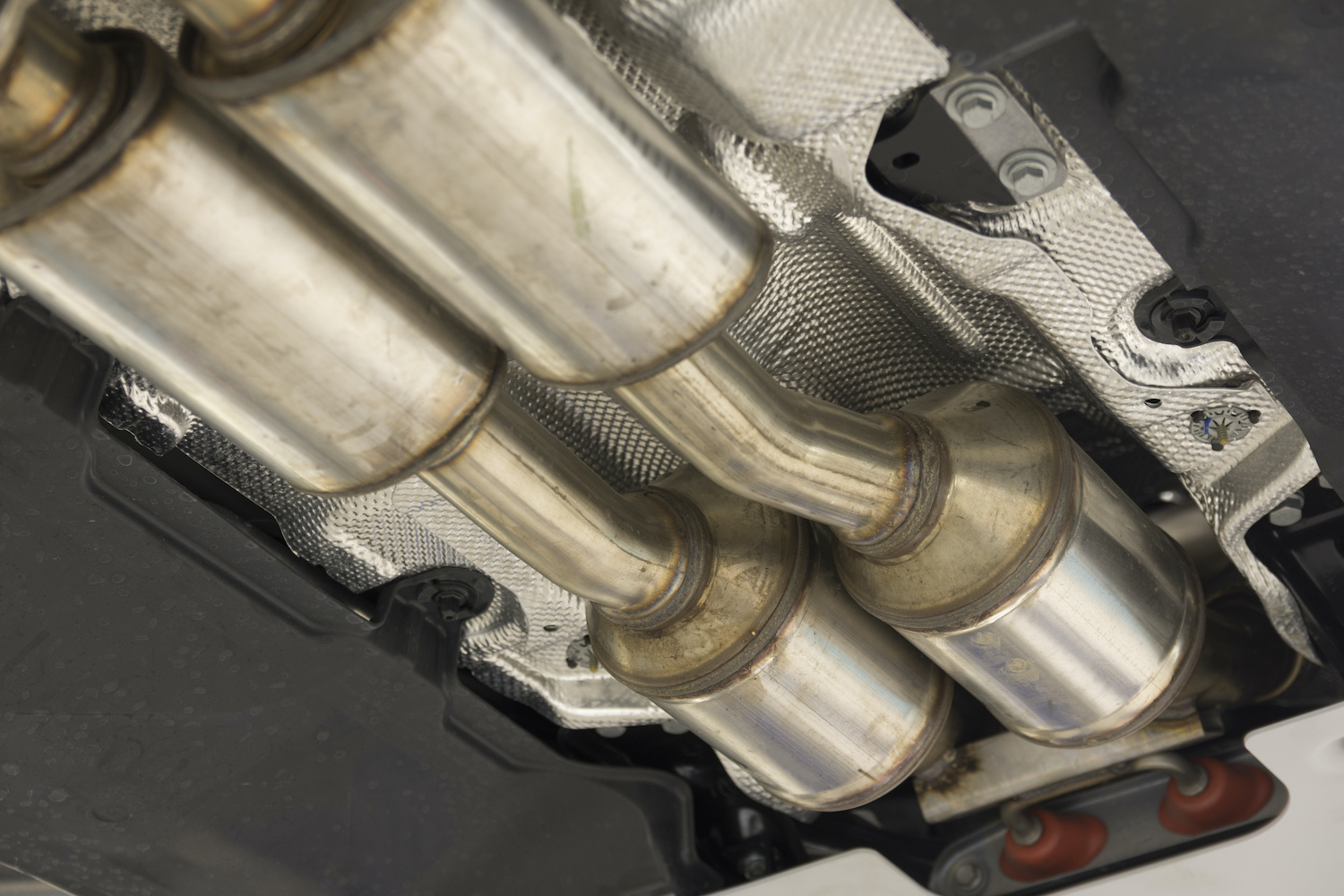
A catalytic converter is one of the most expensive components in a modern vehicle’s exhaust system, yet many drivers never think about it until something goes wrong.
Whether it fails because of age, contamination, physical damage, or theft, replacing a catalytic converter can quickly become one of the costliest repairs a vehicle owner faces. In 2026, the average replacement bill will remain high due to stricter emissions regulations, rising precious-metal prices, and increasingly complex exhaust systems.
Many owners are shocked when they receive a repair estimate ranging from several hundred dollars to several thousand dollars for what appears to be a relatively small part. The reason is that a catalytic converter is far more than a simple section of exhaust pipe.
It contains valuable metals such as platinum, palladium, and rhodium that help convert harmful exhaust gases into less harmful emissions before they leave the tailpipe. These materials remain expensive, and modern vehicles often use multiple catalytic converters to meet increasingly strict emissions standards.
Understanding what influences replacement costs can help drivers make informed decisions and avoid unnecessary expenses if the converter ever needs to be replaced.
Also Read: What It Actually Costs to Charge an EV at Home vs a Public Fast Charger
What Does a Catalytic Converter Actually Do?
The catalytic converter is part of the vehicle’s emissions control system. Its job is to convert harmful gases produced during combustion into cleaner emissions before they enter the atmosphere.
It reduces pollutants, including:
- Carbon monoxide
- Hydrocarbons
- Nitrogen oxides
This chemical process occurs as exhaust gases pass through a ceramic or metallic honeycomb coated with precious metals.
Without a functioning catalytic converter, a vehicle may fail emissions inspections, illuminate the check engine light, and release significantly higher levels of pollution.
Average Replacement Costs in 2026
Replacement costs vary considerably depending on the vehicle. Typical price ranges include the following:
- Economy cars: $900 to $1,800
- Mainstream SUVs and trucks: $1,300 to $2,800
- Luxury vehicles: $2,000 to $4,500
- High-performance or imported models: $3,000 to $6,000 or more
These estimates generally include:
- Replacement converter
- Labor
- New gaskets
- Hardware
- Diagnostic work
Vehicles with multiple catalytic converters may require substantially higher repair bills if more than one unit has failed.
Why Catalytic Converters Are So Expensive
Most of the cost comes from the materials inside the converter itself. Catalytic converters contain small amounts of:
- Platinum
- Palladium
- Rhodium
Although only a few grams are used, these precious metals are among the most valuable commodities traded globally.
Their prices fluctuate regularly based on:
- Mining output
- Industrial demand
- Global supply chains
- Automotive production
Even modest increases in metal prices can significantly raise manufacturing costs.
Vehicle Design Makes a Difference
Not every catalytic converter costs the same. Several design factors influence pricing. These include:
- Engine size
- Number of converters
- Emissions certification
- Vehicle packaging
- Exhaust complexity
Many four-cylinder cars use a single primary converter. V6 and V8 vehicles often use multiple converters located at different points in the exhaust system.
Hybrid vehicles and turbocharged engines may also use specialized converter designs optimized for their operating characteristics. Replacing multiple converters obviously increases repair costs.
OEM Parts Cost More Than Aftermarket Options
Owners generally have two replacement choices.
Original Equipment Manufacturer (OEM)
OEM converters are produced by or for the vehicle manufacturer.
Advantages include:
- Exact factory fit
- Original emissions performance
- Better long-term durability
- Guaranteed compatibility
The downside is the price.
OEM converters are almost always the most expensive option.
Aftermarket Converters
Aftermarket units are usually less expensive. They often reduce repair costs by several hundred dollars. However, quality varies significantly between manufacturers.
Some aftermarket converters perform extremely well. Others contain smaller quantities of precious metals and may not last as long.
In states with strict emissions regulations, not every aftermarket converter is legally approved.
Labor Costs Add to the Bill
The converter itself represents most of the repair cost, but labor also contributes. Typical labor ranges from
- $150 to $600
Labor time depends on:
- Vehicle design
- Rusted fasteners
- Exhaust configuration
- Number of converters
- Sensor removal
Some converters are easily accessible beneath the vehicle. Others are integrated directly into the exhaust manifold, requiring substantially more disassembly.
Oxygen Sensors May Also Need Replacement
Many converter repairs include additional parts. Technicians often recommend replacing:
- Oxygen sensors
- Exhaust gaskets
- Mounting hardware
Older oxygen sensors may become difficult to remove without damage. Since they directly monitor converter performance, replacing worn sensors during the repair can improve long-term reliability.
These additional components typically add $100 to $500, depending on the vehicle.
Theft Continues to Be a Major Problem
Catalytic converter theft remains an issue in many areas. Thieves target converters because the precious metals inside have significant recycling value.
Vehicles frequently targeted include:
- Pickup trucks
- SUVs
- Hybrid vehicles
- Commercial vans
Ground clearance often makes trucks and SUVs easier targets because thieves can access the exhaust system without using a jack.
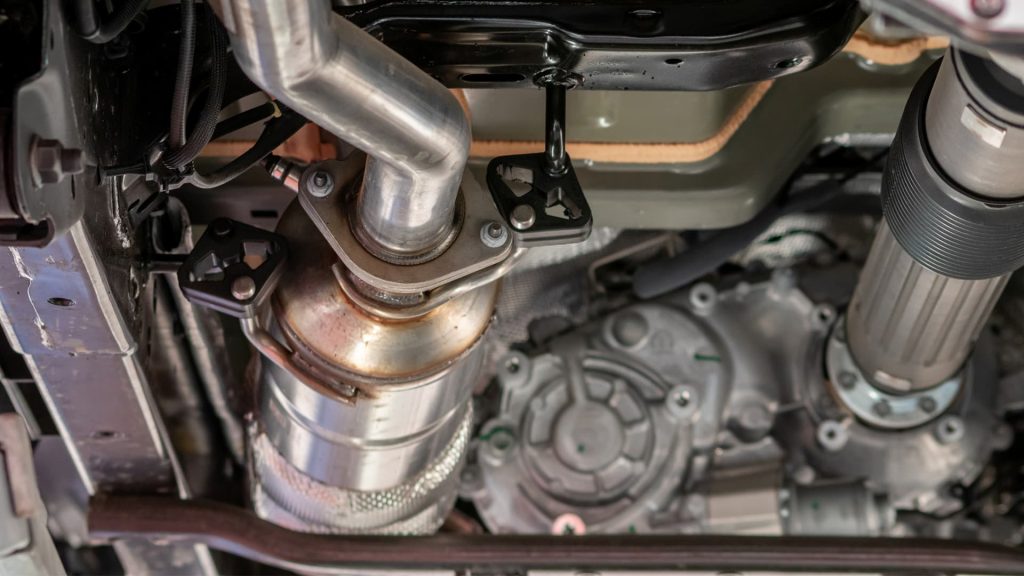
Repairing theft damage sometimes costs more than replacing a failed converter because thieves often cut surrounding exhaust pipes. Additional welding or exhaust replacement may be required.
What Causes a Catalytic Converter to Fail?
Converters are designed to last many years, but several problems can shorten their lifespan.
Common causes include:
- Engine misfires
- Oil consumption
- Coolant leaks
- Rich fuel mixtures
- Physical impact damage
- Internal overheating
In many cases, the converter itself is not the original problem. Instead, another engine issue damages the converter over time.
Replacing the converter without correcting the underlying cause can lead to another expensive failure.
Warning Signs of a Failing Converter
Drivers should watch for symptoms, including:
- Check engine light
- Rotten egg smell
- Reduced engine power
- Poor acceleration
- Decreased fuel economy
- Rattling noises underneath the vehicle
- Failed emissions inspection
Modern engine management systems usually detect converter efficiency problems long before complete failure occurs. Prompt diagnosis may prevent additional damage.
Can You Drive With a Bad Catalytic Converter?
Sometimes, but it is not recommended. A partially clogged converter may allow the vehicle to continue operating while gradually reducing performance.
A severely blocked converter can:
- Restrict exhaust flow
- Cause overheating
- Damage the engine
- Reduce fuel economy
- Trigger limp mode
Ignoring the problem often increases repair costs later. In addition, driving with a failed converter may violate emissions regulations in many states.
Insurance May Cover Theft
If the converter is stolen, comprehensive auto insurance often helps cover replacement costs.
Coverage depends on:
- Policy type
- Deductible
- Insurance company
- Local regulations
Mechanical failure, however, is generally considered normal wear and is not covered by standard auto insurance.
Some extended warranties may cover converter replacement if emissions components are included in the contract.
Can Preventive Maintenance Help?
Yes.
The best way to maximize catalytic converter life is to keep the engine operating properly.
Important maintenance includes:
- Repairing misfires immediately
- Fixing oil consumption
- Addressing coolant leaks
- Replacing faulty oxygen sensors
- Following the scheduled maintenance
A healthy engine produces cleaner exhaust, reducing stress on the converter. Many converters last well beyond 150,000 miles when the engine remains in good condition.
Is Replacement Worth It on an Older Car?
The answer depends on the vehicle’s value. If a repair costs $3,000 on a car worth only $4,500, owners may consider replacing the vehicle instead.
However, replacing the converter may still be worthwhile if:
- The vehicle is otherwise reliable.
- It has relatively low mileage.
- Replacement vehicle prices remain high.
- Major mechanical systems are in good condition.
Comparing repair cost with replacement cost often produces the most sensible financial decision.
Replacing a catalytic converter in 2026 remains one of the most expensive exhaust repairs most vehicle owners will encounter. Depending on the vehicle, total costs commonly range from $900 to well over $4,000, driven largely by the high value of platinum, palladium, and rhodium used inside the converter.
Vehicle design, labor requirements, emissions regulations, and the choice between OEM and aftermarket parts all influence the final repair bill.
While the expense can be significant, a catalytic converter is a critical emissions component that helps modern vehicles meet environmental standards while maintaining proper engine performance.
Addressing engine problems early, following regular maintenance schedules, and responding quickly to warning lights can greatly extend converter life and reduce the likelihood of facing one of the automotive industry’s most costly routine repairs.
Also Read: How Much Does It Really Cost to Replace an EV’s 12-Volt Battery?
