
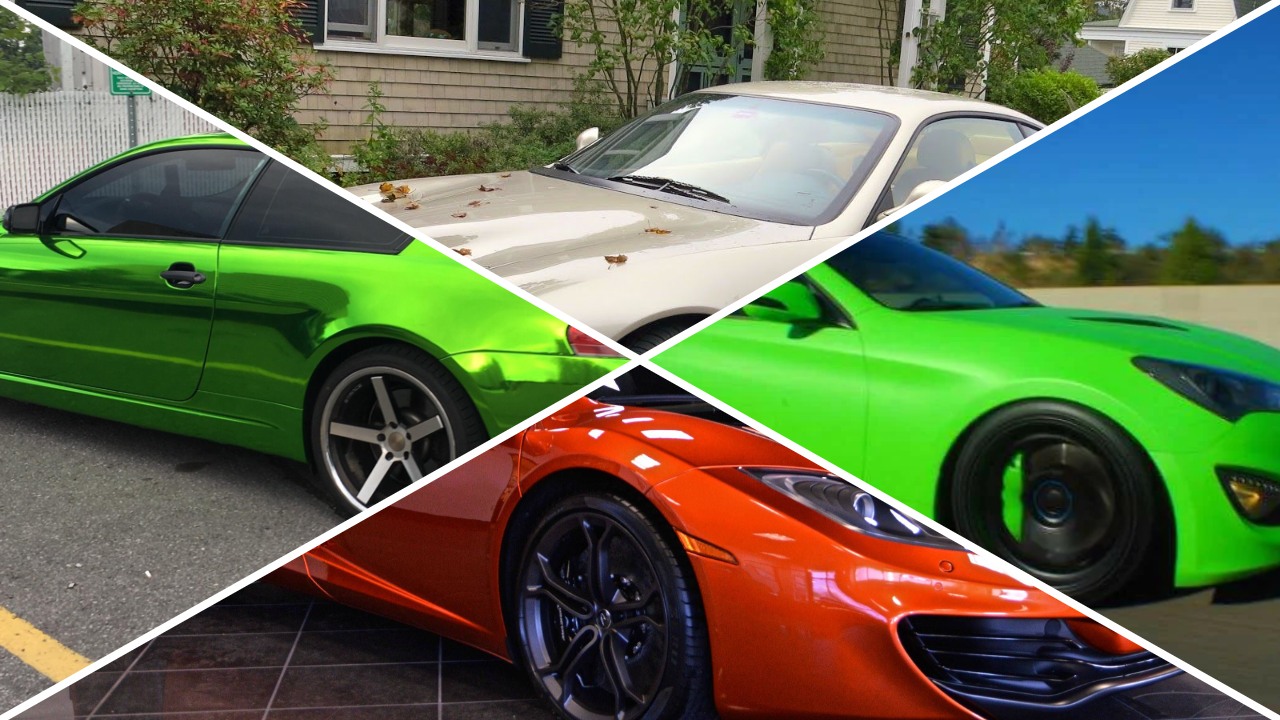
Vehicle color influences far more than appearance. It can also affect resale value, trade-in offers, and how quickly a used vehicle sells. An iSeeCars study analyzing millions of used vehicle transactions found that some paint colors consistently depreciate faster than others because buyer demand is lower in the used market.
Neutral shades such as white, black, silver, and gray dominate new-car sales, while several less popular colors attract a much smaller pool of buyers at trade-in time.
Dealers often discount these vehicles to move inventory more quickly, resulting in lower trade-in values. Here are the paint colors that can cost owners the most when it’s time to trade their vehicle.
Also Read: 8 Trucks and SUVs That Tow 10,000 Pounds Under $60,000
1. Brown Paint
Brown has consistently ranked among the least desirable exterior colors in modern vehicle resale studies, including analyses from iSeeCars. While it enjoyed brief popularity during the late 2000s and early 2010s, consumer preferences shifted heavily toward white, gray, black, and blue.
Today, many dealerships receive fewer inquiries about brown vehicles, making them slower to sell on used lots. A slower-selling vehicle ties up inventory, so dealers frequently lower their trade-in offer to compensate for the additional time they expect the vehicle to remain unsold.
The impact is especially noticeable on mainstream sedans and crossovers where buyers have dozens of competing listings available. When two nearly identical vehicles differ only in paint color, shoppers often gravitate toward the more conventional choice.
Dealers understand this buying behavior because it is reflected in auction performance across the United States. Brown vehicles generally attract fewer bidders than comparable examples finished in high-demand colors.
That does not mean every brown vehicle loses value dramatically. Limited-production luxury models or specialty off-road vehicles can still perform well if the shade complements the vehicle’s character.
However, for mass-market vehicles, brown usually narrows the potential buyer pool. Owners planning to maximize resale value should remember that paint color cannot overcome market demand.
Even a meticulously maintained vehicle may receive a lower trade-in appraisal simply because dealers expect a longer selling period after acquisition.
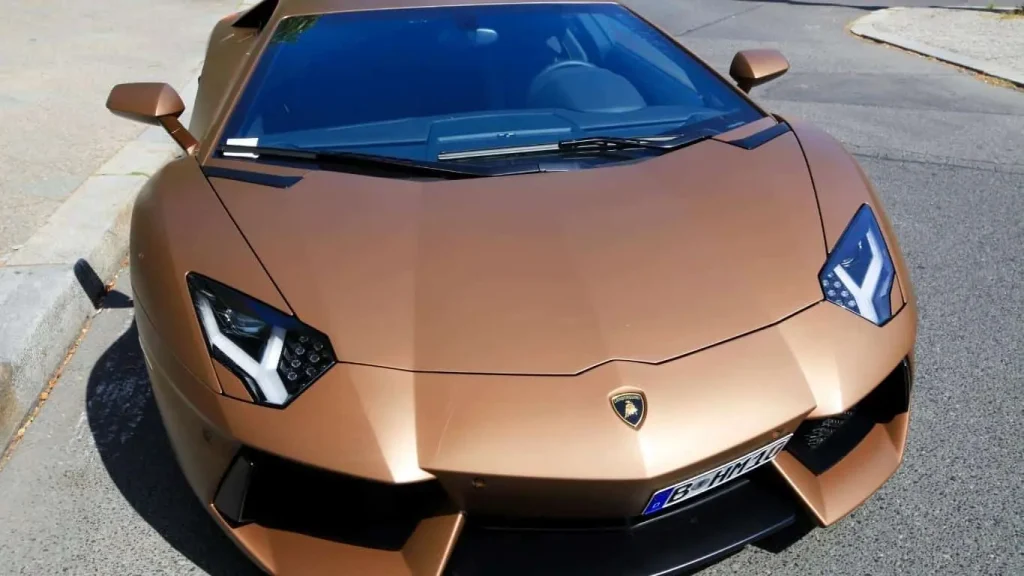
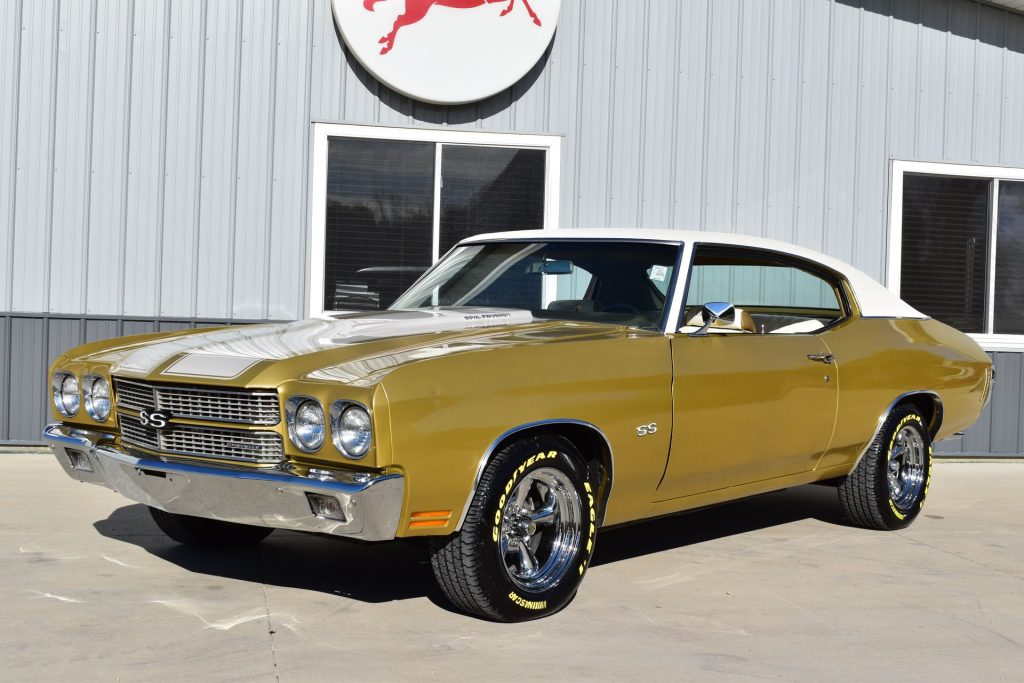
2. Gold Paint
Gold was once associated with premium trim levels, but buyer preferences have changed considerably over the past two decades. According to iSeeCars’ resale analysis, gold is one of the colors that often experiences greater depreciation because demand in the used market remains relatively limited.
Many buyers now associate gold with older vehicle styling trends, causing newer vehicles finished in the color to attract fewer shoppers than similar models painted white, gray, black, or blue.
Dealerships monitor how long vehicles remain on their lots, and color plays a measurable role in that calculation. If historical sales data show that gold vehicles require more time to find buyers, trade-in values are adjusted accordingly.
The reduction is not necessarily due to vehicle quality but rather expected market demand. This explains why two identical vehicles with the same mileage and condition can receive different appraisals based solely on exterior color.
Gold also presents another challenge. Modern buyers seeking a premium appearance often favor metallic gray, pearl white, or deep black finishes instead.
Those colors photograph well for online listings and appeal to a broader audience. Since the majority of used-car shopping begins online, visual appeal has become increasingly important in determining how quickly a vehicle sells.
For buyers intending to keep a vehicle for many years, gold may not present any financial concern. However, owners who trade vehicles every few years may find that choosing a more popular color helps preserve resale value and improves dealer interest.
3. Beige Paint
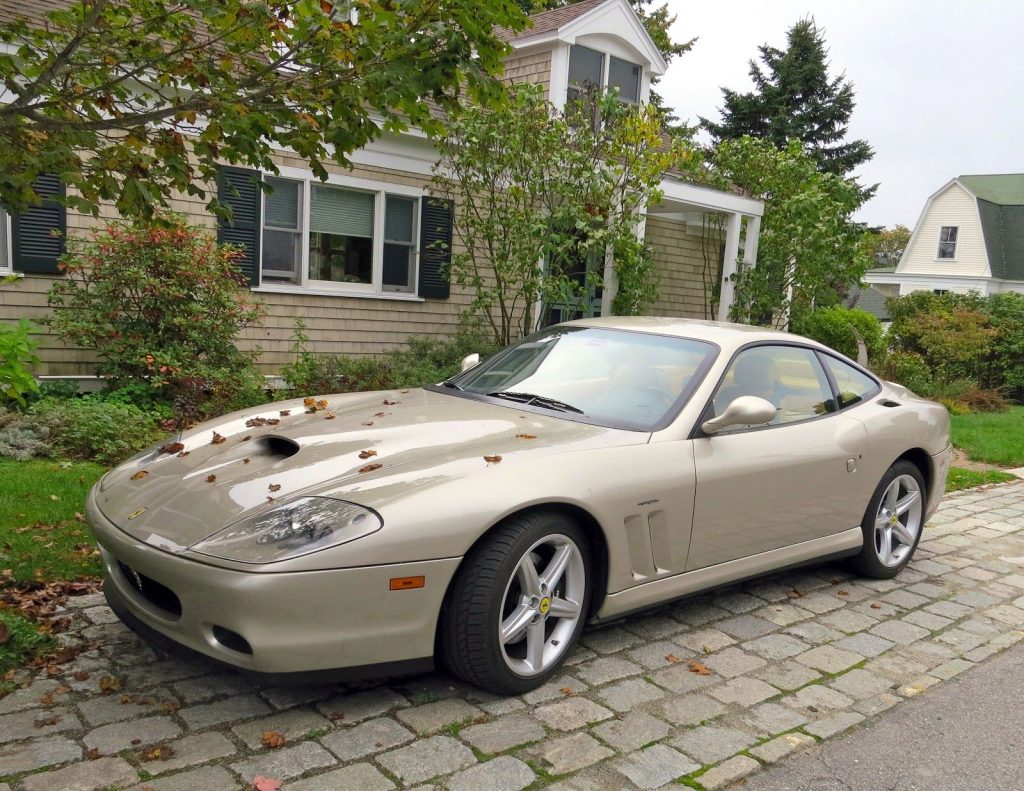
Beige rarely generates excitement in today’s used vehicle market, and that lack of demand is reflected in trade-in values. According to iSeeCars’ depreciation research, neutral colors are not all equal.
While white, black, gray, and silver remain consistently popular, beige attracts a much smaller audience. Dealers recognize that vehicles finished in beige typically take longer to sell, especially among younger buyers who often favor modern metallic shades or bolder colors.
The effect is most noticeable on family sedans, compact SUVs, and midsize crossovers. These vehicles compete in crowded segments where buyers can choose from hundreds of similar listings.
If one example is finished in beige while another has a more desirable gray or pearl white exterior, many shoppers gravitate toward the latter. Dealers account for that purchasing behavior when determining trade-in offers because slower inventory turnover directly affects profitability.
Beige also tends to hide dirt reasonably well, but that practical advantage has done little to improve its popularity.
Current automotive design trends emphasize sharper body lines and contrasting trim, features that are often highlighted more effectively by darker or metallic finishes. As a result, beige vehicles can appear less contemporary even when they are only a few years old.
This does not mean a beige vehicle is difficult to sell. Condition, mileage, maintenance history, and accident records remain the primary factors influencing value.
However, when comparing two nearly identical vehicles, dealers frequently place a slightly lower value on the beige example because they anticipate a narrower buyer pool and potentially longer time on the lot.
4. Purple Paint
Purple is among the rarest factory paint colors sold in the United States, and scarcity does not always translate into stronger resale value. iSeeCars has found that uncommon colors can either outperform or underperform depending on buyer demand, and purple often struggles in the mainstream market.
Although enthusiasts may appreciate unique finishes on performance cars, the average used-car shopper usually looks for colors that appeal to a wider audience and are easier to resell later.
From a dealership’s perspective, a purple vehicle represents a greater sales risk. Managers know that unusual colors typically appeal to a smaller group of buyers, meaning the vehicle may remain on the lot longer than one finished in silver, white, black, or blue.
Longer inventory times increase holding costs, so dealers often reduce trade-in offers to offset that risk. Purple can perform better on limited-production sports cars where exclusivity adds value, but the same advantage rarely applies to everyday sedans, hatchbacks, or crossovers.
In those segments, practicality and broad appeal usually outweigh uniqueness. Online listings also illustrate this trend, as many buyers use exterior color as one of their search filters before comparing mileage or equipment.
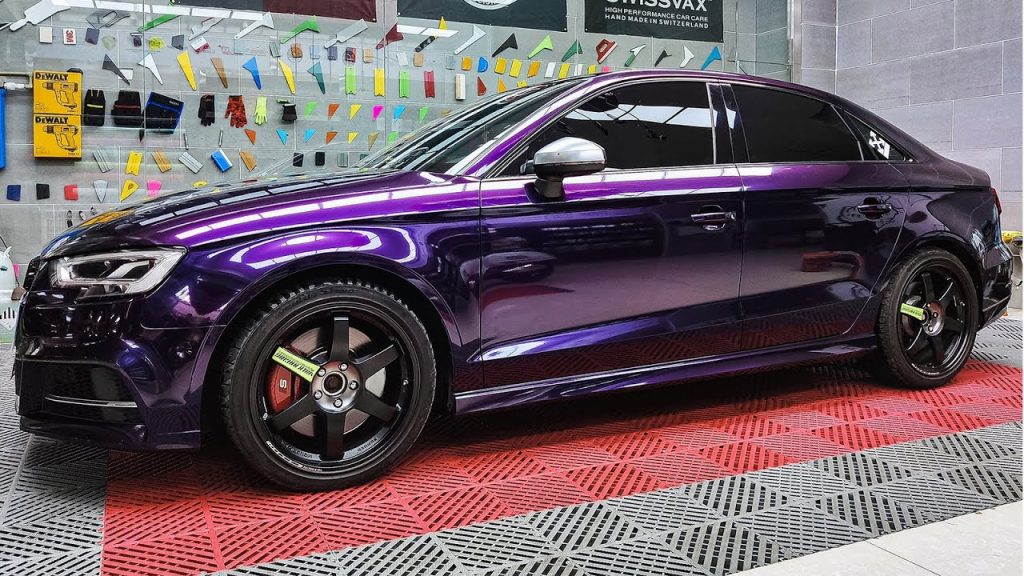
For owners who enjoy standing out, purple remains an attractive personal choice. However, those who regularly replace their vehicles should understand that uncommon paint colors may reduce the number of interested buyers when trade-in time arrives. Market demand, rather than rarity alone, ultimately determines how much a dealer is willing to pay.
5. Green Paint
Green occupies an unusual position in the used vehicle market. Certain shades such as British Racing Green or specialty off-road colors can command strong interest on enthusiast models, but mainstream green finishes generally perform less favorably at trade-in.
iSeeCars’ depreciation research has shown that buyer demand, rather than rarity alone, determines resale value. For everyday vehicles, green is selected far less frequently than white, black, gray, silver, or blue, limiting the number of shoppers interested in purchasing one.
Dealers analyze years of auction data and retail sales to determine how quickly specific colors sell. Vehicles that spend longer on the lot create additional costs through financing, storage, insurance, and depreciation.
Because green vehicles often require more time to find the right buyer, dealerships may reduce trade-in offers to compensate for that increased risk. The difference is not necessarily dramatic, but it becomes noticeable when comparing two identical vehicles in different colors.
Another factor is changing design trends. Modern styling often emphasizes black trim, large alloy wheels, and sharp body lines. Neutral metallic colors typically complement these design elements more effectively than traditional green shades, making them more appealing to a broader audience browsing online listings.
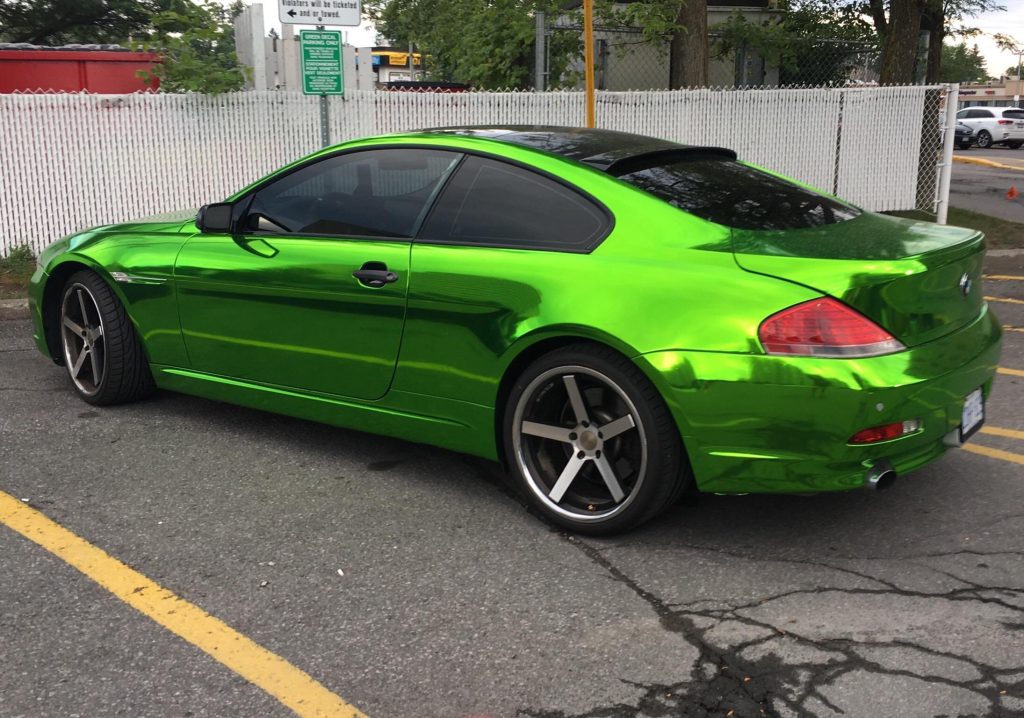
There are exceptions. Rugged SUVs, certain pickup trucks, and limited-production performance vehicles sometimes benefit from distinctive green paint. However, those cases are relatively uncommon compared with the broader used market.
Owners planning to trade a family sedan or crossover after only a few years should recognize that green may narrow the pool of interested buyers, which can ultimately influence the dealership’s appraisal.
6. Orange Paint
Orange immediately attracts attention, but attracting attention is not always beneficial when a vehicle reaches the used market. While bright orange works well on specialty sports cars, muscle cars, and certain off-road models, it appeals to a relatively small percentage of buyers shopping for everyday transportation.
iSeeCars has repeatedly found that colors with limited mainstream appeal often experience greater depreciation because dealerships expect a slower sales process.
Trade-in managers evaluate more than condition and mileage. They also consider how easily they can resell the vehicle. An orange crossover or midsize sedan may receive fewer online inquiries than the same vehicle finished in silver or white.
Since many buyers use color filters while searching inventory, uncommon colors naturally reach a smaller audience before anyone even views the listing. Orange also tends to polarize opinions. Buyers either love it or avoid it entirely, leaving dealerships with fewer potential customers.
That reduced demand is reflected in wholesale auction values, where unusual colors sometimes attract fewer competitive bids. Dealers factor those auction trends into the offers they present to owners trading in their vehicles.
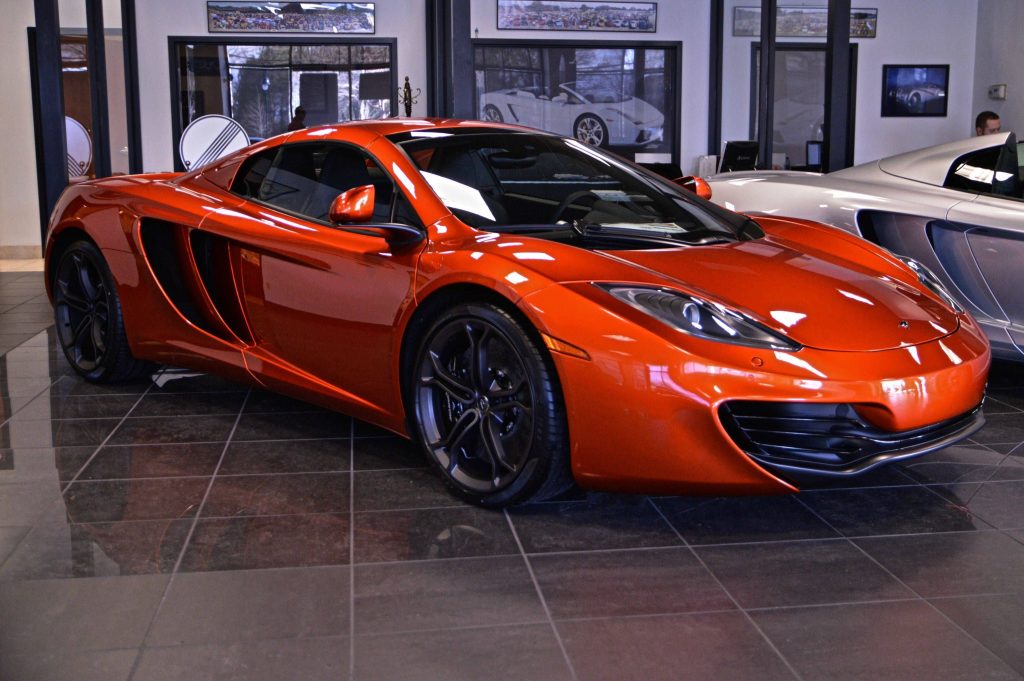
Despite these challenges, orange remains an excellent choice for buyers who value individuality over resale value. It stands out in parking lots, photographs well in the right lighting, and often complements sporty styling.
Owners simply need to recognize that when the time comes to trade, the dealership may account for the smaller buyer pool by offering a slightly lower value than an equivalent vehicle finished in a more conventional color.
7. Yellow Paint
Yellow is one of the least common factory paint colors offered on modern passenger vehicles, and its rarity creates mixed results at trade-in time. According to iSeeCars depreciation studies, colors that appeal to a narrow audience generally experience weaker resale performance because dealers anticipate a longer selling period.
While yellow can enhance the character of sports cars such as the Chevrolet Corvette or Porsche 911, it is far less popular on family sedans, compact SUVs, and midsize crossovers.
From a dealership’s standpoint, inventory turnover is critical. A yellow vehicle may attract enthusiastic buyers, but that audience is considerably smaller than the one shopping for white, gray, black, or silver vehicles.
Dealers often compensate for this reduced demand by lowering their trade-in offer, knowing the vehicle could remain on the lot for several additional weeks before finding the right customer.
Another consideration is buyer psychology. Many consumers purchasing a used vehicle are thinking ahead to their next resale. Because they know yellow appeals to fewer buyers, they often avoid it entirely, further reducing demand in the secondary market.
Auction data consistently reflect this behavior, with mainstream yellow vehicles frequently receiving fewer bids than identical models finished in more traditional colors.
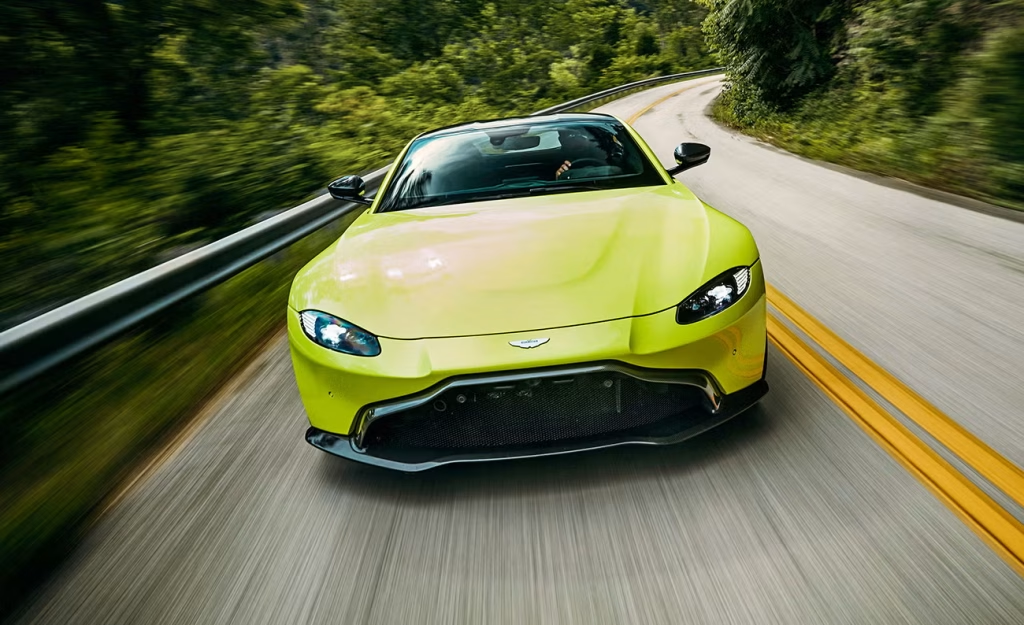
That does not mean yellow is always a poor financial decision. Limited-production performance cars, special editions, and collector vehicles can hold their value exceptionally well in factory yellow because originality matters more than broad appeal.
For everyday commuter vehicles, however, the smaller buyer pool generally works against owners during trade-in negotiations, making yellow one of the more challenging colors for maximizing resale value.
8. Turquoise Paint
Turquoise was once a defining automotive color during the 1950s and 1960s, but it has become an extremely uncommon choice in today’s new-car market. Because modern buyers rarely seek turquoise on everyday vehicles, dealerships generally approach these trade-ins cautiously.
iSeeCars has consistently shown that unusual colors with limited mainstream demand often depreciate faster than neutral shades, not because the paint itself is undesirable but because fewer shoppers are actively searching for it.
When evaluating a trade-in, dealers consider historical sales performance. If previous turquoise vehicles required larger discounts or longer listing periods before selling, that experience influences future appraisals.
The result is often a lower trade-in value compared with an otherwise identical vehicle finished in white, gray, black, or blue.
Turquoise also presents marketing challenges. Online vehicle listings depend heavily on photographs, and while some buyers appreciate distinctive colors, many simply skip unusual paint options while browsing.
Since dealers aim to stock vehicles that appeal to the widest audience possible, uncommon colors naturally receive more conservative valuations.
Classic vehicles remain an exception. Factory-correct turquoise on vintage American cars can significantly enhance collector value because originality carries tremendous importance. The situation is very different for modern family vehicles, where practicality and broad market appeal dominate purchasing decisions.
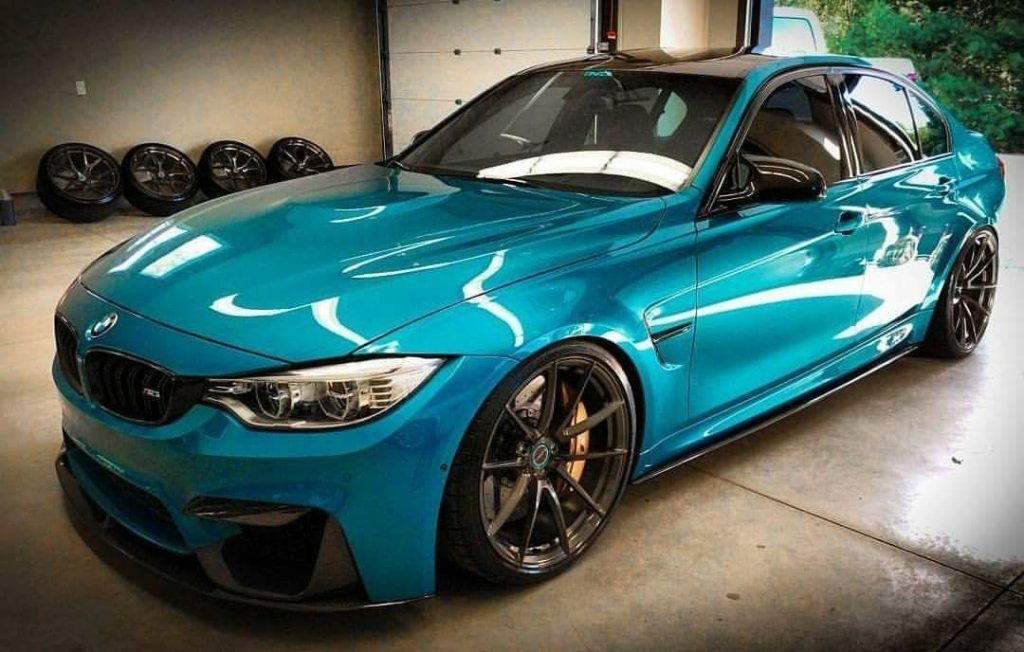
Owners choosing turquoise should do so because they genuinely enjoy the color rather than expecting stronger resale performance. Personal preference always matters, but buyers who frequently trade vehicles should understand how color influences dealer demand and ultimately affects the final appraisal.
9. Maroon Paint
Maroon has long been offered by manufacturers as a sophisticated alternative to bright red, yet current resale trends show it no longer enjoys the broad appeal it once did.
According to iSeeCars’ depreciation analyses, mainstream buyers increasingly favor neutral colors or modern metallic blues, leaving maroon with a smaller audience in the used market. While the color still has loyal fans, dealerships base trade-in values on how quickly they believe a vehicle will sell rather than on individual preferences.
The challenge with maroon is that it occupies a middle ground. It is not neutral enough to attract buyers seeking conservative colors, yet it is not bold enough to appeal to shoppers looking for something distinctive.
This limits demand when dealers list the vehicle for resale. Since inventory that remains unsold for longer periods increases carrying costs, trade-in offers often reflect that anticipated delay.
Maroon can also show swirl marks and oxidation more readily than lighter metallic finishes if it has not been maintained properly.
Although detailing can restore much of the paint’s appearance, buyers comparing several similar vehicles often perceive brighter or more modern colors as newer. That perception alone can influence purchasing decisions before they even review mileage or equipment.
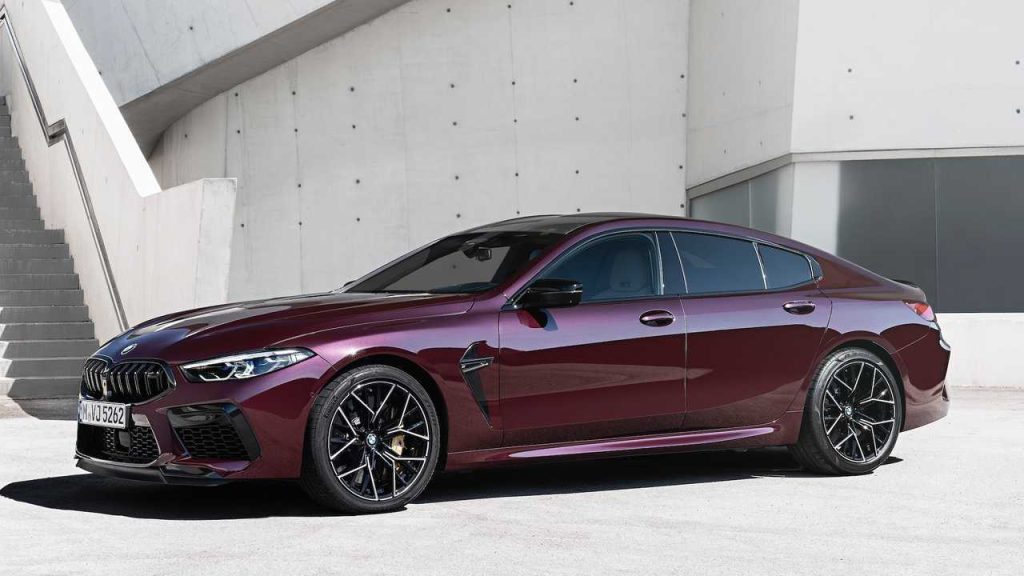
There are exceptions for luxury sedans and certain premium SUVs where deep metallic maroon complements upscale styling. However, across the broader U.S. market, the color generally attracts fewer shoppers than white, gray, silver, black, or blue.
Owners planning to trade their vehicle within a few years should recognize that color preference plays a measurable role in dealer demand, making maroon one of the finishes that may receive a more conservative appraisal.
10. Lime Green Paint
Lime green is designed to stand out, and it certainly succeeds in that respect. However, standing out is not always beneficial when it comes time to trade a vehicle.
iSeeCars research has consistently demonstrated that highly specialized colors appeal to a much smaller segment of used-car buyers than traditional shades. For mainstream vehicles, that reduced demand often translates into lower trade-in values because dealerships anticipate longer selling times.
A dealer accepting a lime-green vehicle must consider whether local buyers will embrace such an eye-catching color. If comparable vehicles in white or gray typically sell within a few weeks while the lime green example may require months to find the right customer, the dealership adjusts its offer to account for that additional risk.
This pricing strategy reflects expected market demand rather than any concern about the vehicle’s mechanical condition.
Online shopping habits reinforce this trend. Many consumers filter search results by common colors, meaning unusual finishes can receive fewer views from the beginning. Even buyers who appreciate the vehicle itself may hesitate because they are already thinking about their own future resale value.
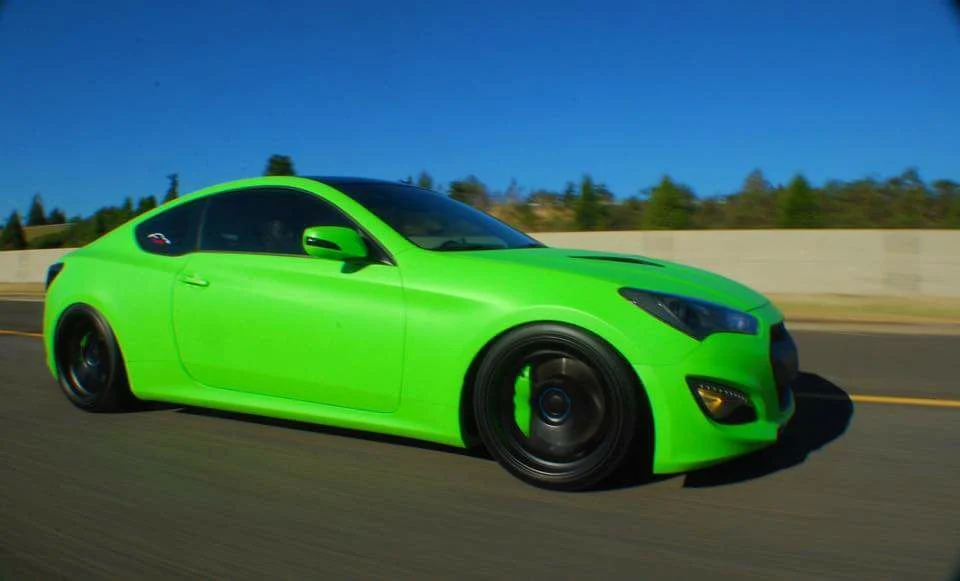
Performance cars and limited-production models sometimes avoid this penalty because distinctive colors enhance exclusivity. On everyday sedans, hatchbacks, and crossovers, however, lime green remains a niche choice with limited appeal.
Owners who prioritize individuality may gladly accept that compromise, but those focused on maximizing trade-in value are generally better served by choosing colors that consistently rank among the most popular in the U.S. used vehicle market.
Also Read: 10 Bikes That Outlived the Companies That Built Them
