
When buying a car, most consumers focus on price, fuel economy, and style. Very few prioritize safety until it is too late. Crash testing exists precisely to bridge that gap to give drivers a clear, data-backed picture of how well a vehicle protects its occupants in the moments that matter most.
Two primary organizations govern crash safety evaluations in the United States: the National Highway Traffic Safety Administration (NHTSA), which rates vehicles on a one-to-five-star scale across frontal, side, and rollover tests, and the Insurance Institute for Highway Safety (IIHS), which grades vehicles as Good, Acceptable, Marginal, or Poor across a demanding battery of crashworthiness evaluations.
Over recent years, both organizations have raised the bar considerably. The IIHS introduced an updated moderate overlap front crash test and a tougher side impact evaluation that explicitly measures rear-seat occupant safety changes that exposed alarming structural weaknesses in many popular models. Vehicles that had previously earned top marks were suddenly downgraded to the lowest tier.
The results have been sobering, and in many cases, surprising. Models from mainstream brands, such as sedans, subcompact SUVs, minivans, and off-road icons, have all struggled under the new and more rigorous standards.
This list examines ten cars that have earned some of the lowest crash test scores in their respective segments, as documented by NHTSA and IIHS data. Each entry includes full technical specifications, specific safety ratings, and a detailed explanation of where and why these vehicles fall short. Being informed is the first step to being safe.
1. Mitsubishi Mirage (2017–2024)
The Mitsubishi Mirage has long been the most affordable new car on the American market. Its rock-bottom price tag attracts budget-conscious buyers who may not realize they are also buying one of the least crashworthy vehicles available.
The IIHS has documented significant concerns with the Mirage’s structural performance across multiple test generations, and the car has consistently landed near the bottom of crashworthiness rankings for its segment.
The Mirage struggles most visibly in the small overlap front crash test, which simulates the front corner of a vehicle striking a tree, pole, or oncoming car at 40 mph.
In IIHS evaluations dating back to the original 2014 test vehicle, which applies ratings to all subsequent 2017–2024 models, the Mirage received a Poor overall score for this evaluation.
The test revealed a significant intrusion into the occupant compartment. The footwell area was heavily compromised, and the dummy’s head struck both the airbag and the side structure, indicating that real-world head injuries would be highly probable in a similar collision.
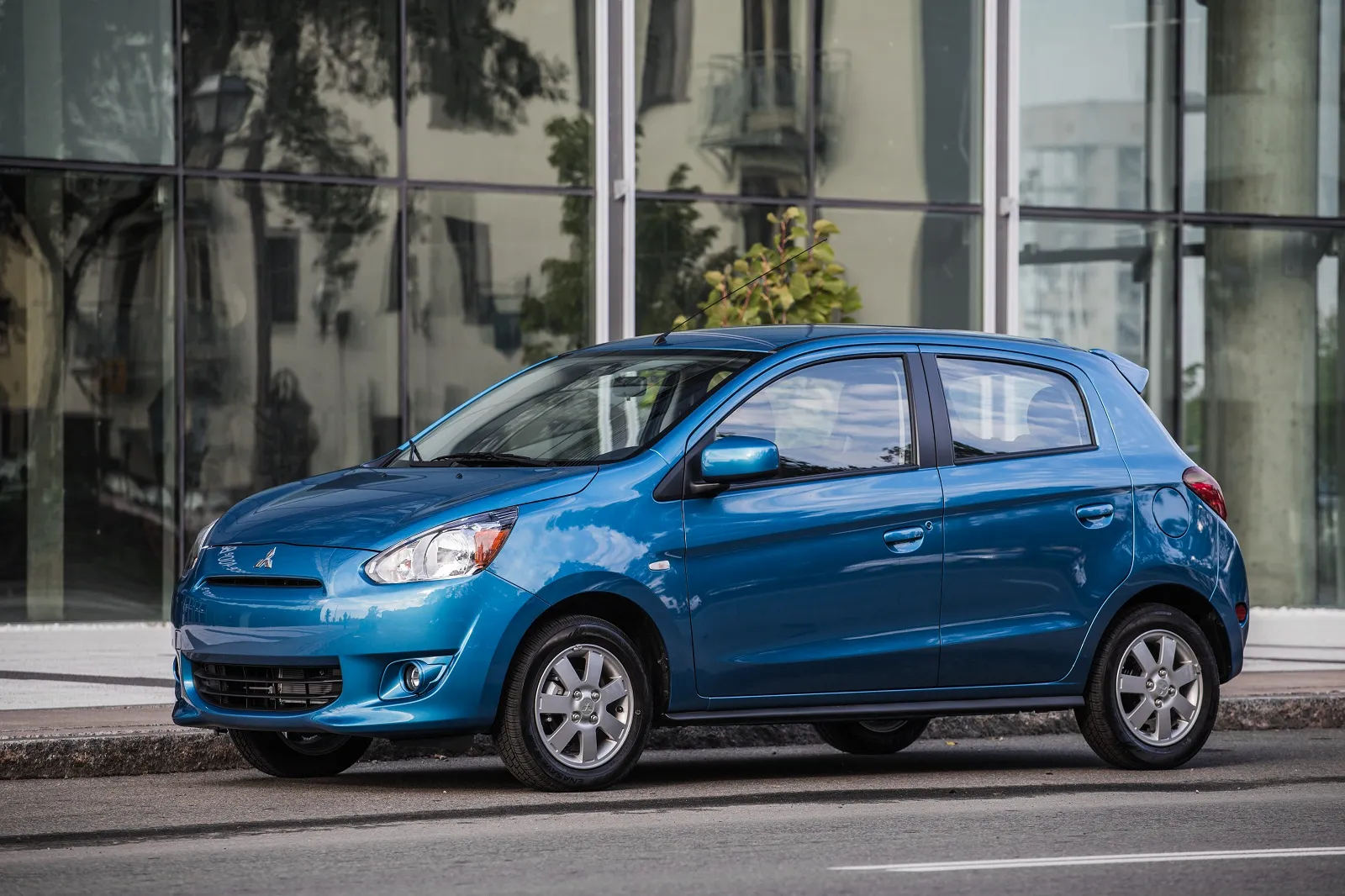
IIHS Rating:
- Poor (Overall)
- NHTSA Rating: 3 Stars (Overall)
The side impact test, too, tells a concerning story. The Mirage’s lightweight body structure, which contributes to its impressive fuel efficiency, also limits the amount of energy it can absorb during a lateral collision.
Smaller vehicles inherently face a disadvantage in crashes involving heavier cars, and the Mirage’s mass of just over 2,000 pounds means it has very little resistance to deformation when struck from the side.
In real-world accident data compiled by iSeeCars, the Mirage has one of the highest fatal accident rates among modern vehicles on American roads. Its light construction is a deliberate engineering choice to maximize fuel economy and keep sticker prices low. However, the trade-off in crashworthiness is measurable and documented.
Buyers attracted by its exceptional 41 mpg combined rating and $16,000 starting price should factor these safety findings into their purchasing decision.
The NHTSA’s rollover rating for the Mirage reflects similar concerns, awarding just three stars as a direct consequence of the vehicle’s narrow track width and high center-of-gravity ratio relative to its body mass.
The Mirage does include front and side curtain airbags and forward collision warning on higher trims, but passive restraints alone cannot compensate for structural deficiencies.
Specifications:
- Engine: 1.2-liter 3-cylinder DOHC
- Horsepower: 78 hp @ 6,000 RPM
- Torque: 74 lb-ft @ 3,500 RPM
- Length: 149.0 inches
- Width: 65.9 inches
2. 2024–2025 Chevrolet Trax
The 2024 Chevrolet Trax was a ground-up redesign, completely new in dimensions, platform, and technology. General Motors invested heavily in modernizing the entry-level crossover, making it significantly larger and more feature-rich than the previous generation.
Despite all of that effort, when the IIHS ran the redesigned Trax through its updated moderate overlap front crash test, the results were disappointing. The crossover earned the lowest possible Poor rating in that evaluation.
The updated moderate overlap test, introduced by the IIHS in 2022, is notably stricter than the original version. It now includes rear-seat occupant measurements and uses more demanding impact parameters.
The 2024 Trax failed this evaluation primarily because of raised injury risk to rear-seat passengers. During the crash, the rear dummy’s measurements indicated a high risk of chest injuries, and the vehicle’s structure did not adequately manage the forces transmitted to back-seat occupants.
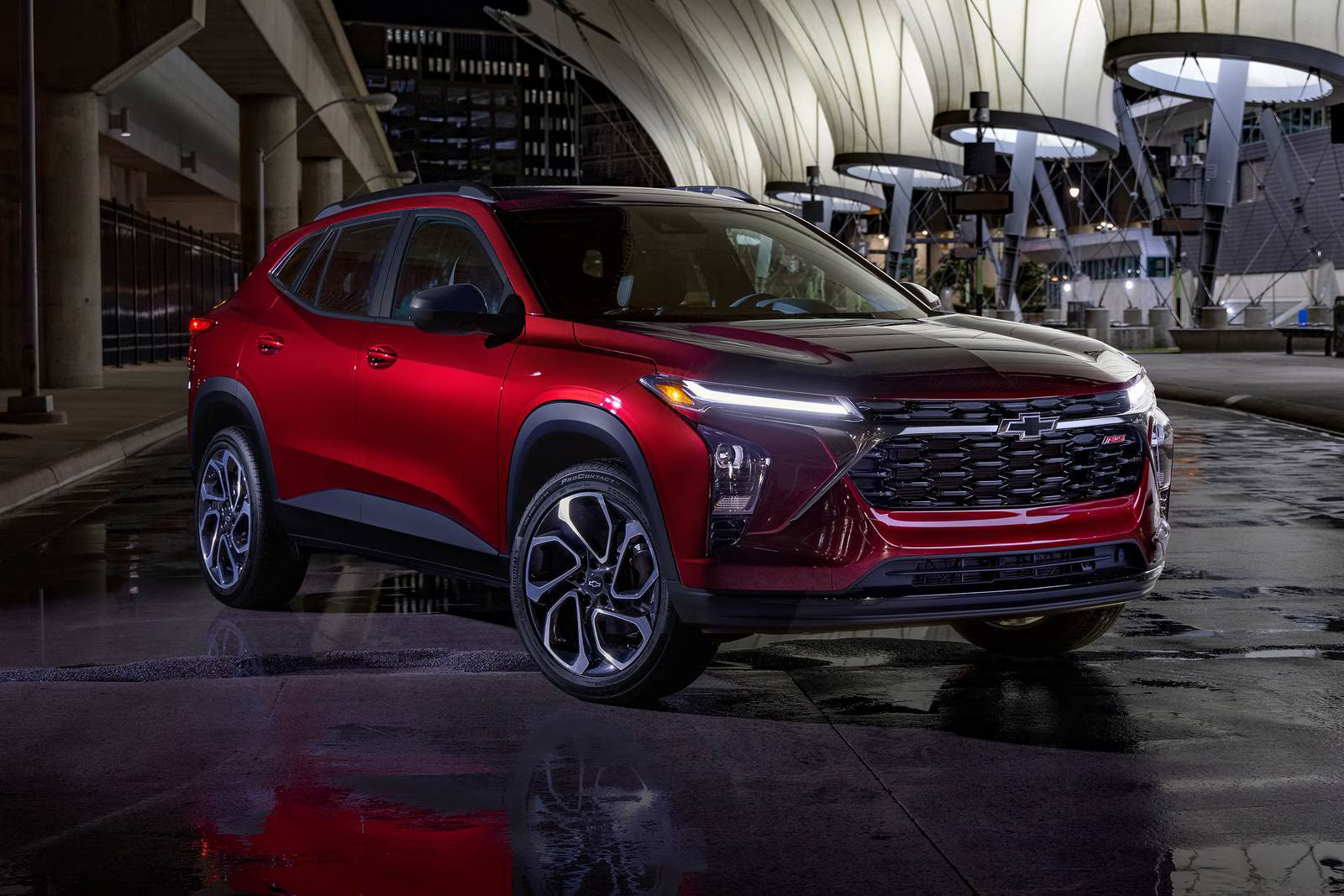
IIHS Rating:
- Poor (Updated Moderate Overlap Front), Acceptable (Updated Side)
Beyond the rear-seat concerns, the Trax also earned only an Acceptable rating in the updated side impact test. The IIHS recorded raised risks of chest and pelvis injuries to the front passenger during this evaluation.
Given that these are among the most common injury zones in real-world side crashes, the Acceptable-rather-than-Good score represents a meaningful gap in protection. The Buick Envista, which rides on the same GM platform, received nearly identical results, suggesting the underlying architecture itself presents limitations.
The Trax’s headlights received only a Marginal rating, meaning visibility in dark conditions is substandard across the tested trim levels. Its pedestrian front crash prevention system also earned only a Marginal score, indicating that the automatic emergency braking system does not perform reliably in pedestrian-detection scenarios. For a vehicle marketed to young, urban buyers who frequently drive in pedestrian-dense areas, this is a particularly significant shortcoming.
The Trax does earn Good scores in the original moderate overlap front and small overlap front tests, which confirms that the vehicle’s structure is not universally weak.
However, the Poor result in the updated test, combined with the headlight and crash prevention deficiencies, means the 2024 Trax does not qualify for any IIHS Top Safety Pick recognition.
Specifications:
- Engine: Turbocharged 1.2-liter Inline-3 DOHC
- Horsepower: 137 hp @ 5,000 RPM
- Torque: 162 lb-ft @ 2,500 RPM
- Length: 178.6 inches
- Width: 71.8 inches
3. 2022–2023 Kia Forte
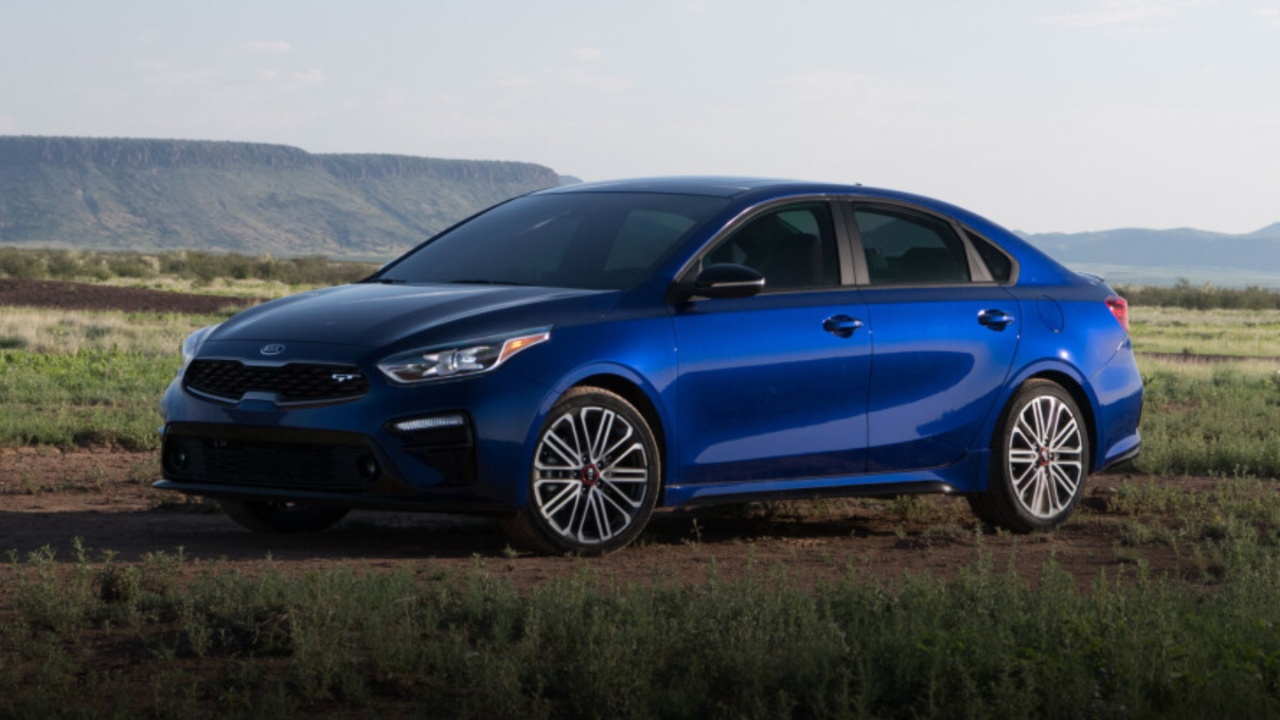
The Kia Forte has been a dependable, affordable compact sedan since 2008, earning reasonable safety scores for most of its life. However, when the IIHS applied its updated moderate overlap front crash test to the 2022 and 2023 model years, the Forte received the lowest possible overall rating of Poor.
The downgrade was swift and significant, and it came as a surprise, given that the Forte had previously earned Good ratings in earlier versions of the same evaluation.
The core failure in the updated test was rear-seat occupant protection. In the crash sequence, the rear dummy’s lap belt migrated from the ideal position on the pelvis upward onto the abdomen.
This is a serious concern because an abdominal lap belt, rather than one correctly seated on the pelvic bone, can cause catastrophic internal injuries during a high-energy frontal collision. The IIHS noted a raised risk of head and neck injuries to rear passengers, and the dummy’s chest measurements also reflected concerning force levels.
The 2023 Forte also earned a Poor overall rating in the updated side impact test, compounding the vehicle’s safety profile. Additionally, the Forte’s headlights were independently rated Poor, meaning that across headlights, the updated moderate overlap test, and the updated side test, the Forte registered the lowest possible grade in three separate IIHS evaluations. No other compact sedan in the Forte’s price class had such a broad sweep of Poor-level results in the same testing cycle.
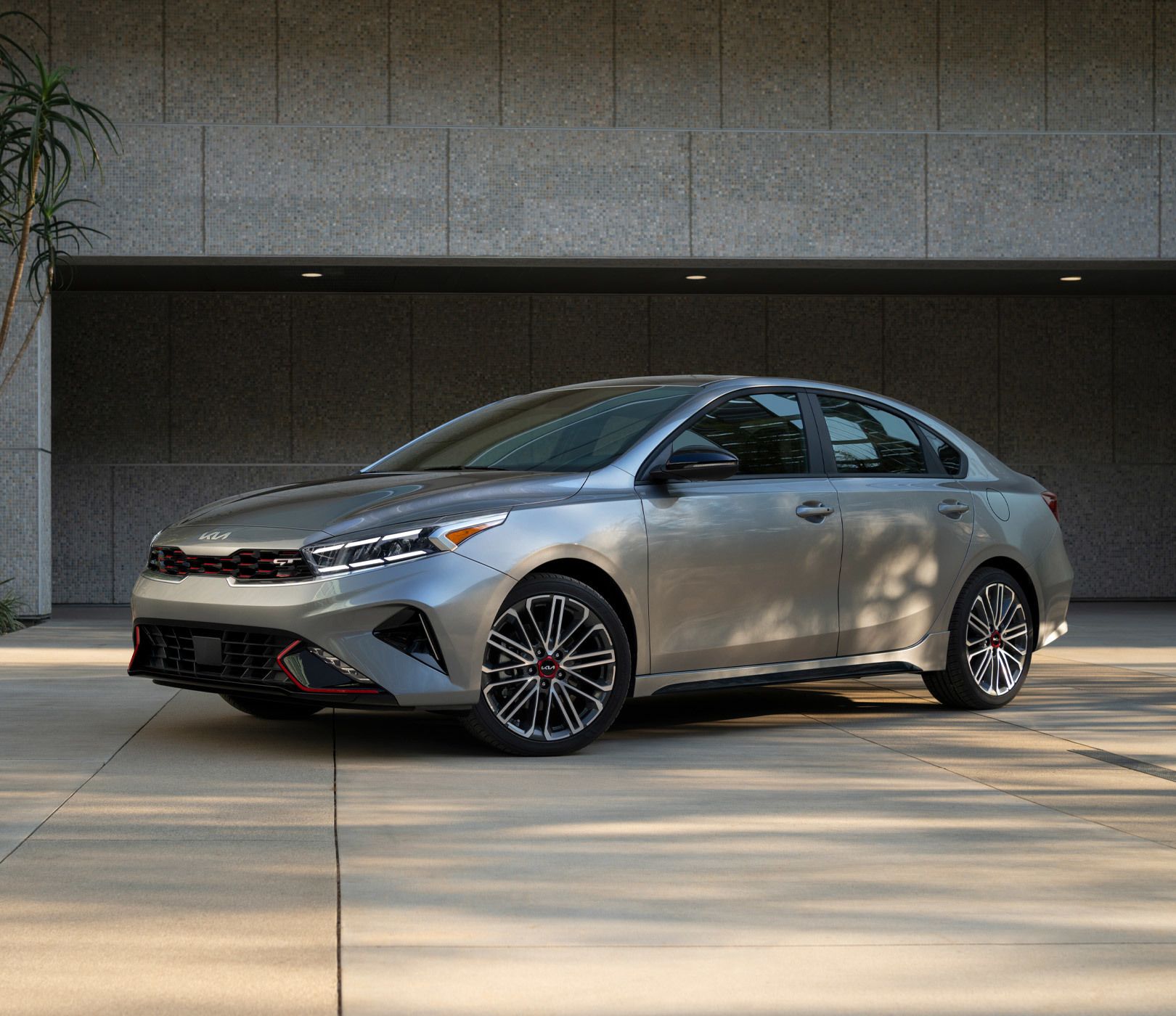
IIHS Rating: Poor (Updated Moderate Overlap Front & Updated Side), Poor (Headlights)
iSeeCars data ranked the Kia K5, the Forte’s platform sibling, as among the deadliest passenger cars measured by fatal accidents per billion miles traveled. While the Forte and K5 are distinct models, their shared engineering DNA raises valid concerns.
The Forte does receive Good ratings in the driver-side and passenger-side small overlap front tests, as well as in roof strength and head restraints.
These results confirm that Kia engineered the front occupant zone reasonably well. It is the rear compartment and side structure where the car’s design falls measurably short.
Kia has since made updates, and the 2025 K5 redesign reflects the company’s acknowledgment that its mid-size and compact platforms needed rear-occupant safety improvements. But for buyers evaluating 2022 or 2023 Forte models on the used market, the Poor ratings in three key categories remain relevant and important.
Specifications:
- Engine: 2.0-liter Inline-4 MPI (base) / 1.6-liter Turbocharged Inline-4 (GT-Line)
- Horsepower: 147 hp (2.0L) / 201 hp (1.6T)
- Torque: 132 lb-ft (2.0L) / 195 lb-ft (1.6T)
- Length: 179.5 inches
- Width: 70.9 inches
4. 2022–2023 Nissan Sentra
The Nissan Sentra is one of the most recognizable compact sedans in the American market, sold for decades as a practical and reliable family car. The eighth-generation Sentra, introduced for 2020, brought improved styling and a more refined interior.
But when the IIHS applied its updated testing protocols, the Sentra’s crash safety profile revealed significant weaknesses, earning a Poor overall rating in the updated moderate overlap front test.
The failure mechanism was consistent with what the IIHS discovered in other small cars tested in the same cycle. The rear-seat dummy’s lap belt rode up off the pelvis and onto the softer abdominal region.
This positioning dramatically increases the likelihood of serious internal injuries in a real-world frontal collision. Measurements from the dummy also showed a raised risk of head and neck injuries to rear occupants, a finding that is especially alarming for parents who routinely place children in the back seat.
What makes the Sentra’s profile particularly concerning is the breadth of its below-average scores. The vehicle earned a Poor rating for vehicle-to-vehicle front crash prevention, meaning its standard automatic emergency braking system is not reliably effective at detecting and responding to oncoming traffic.
The headlights, across all available configurations, both the standard halogen units and the optional LED lamps also rated Poor. Combined, this means the Sentra is not only structurally weak in certain crash scenarios but also lacks the technology to avoid them or see clearly at night.
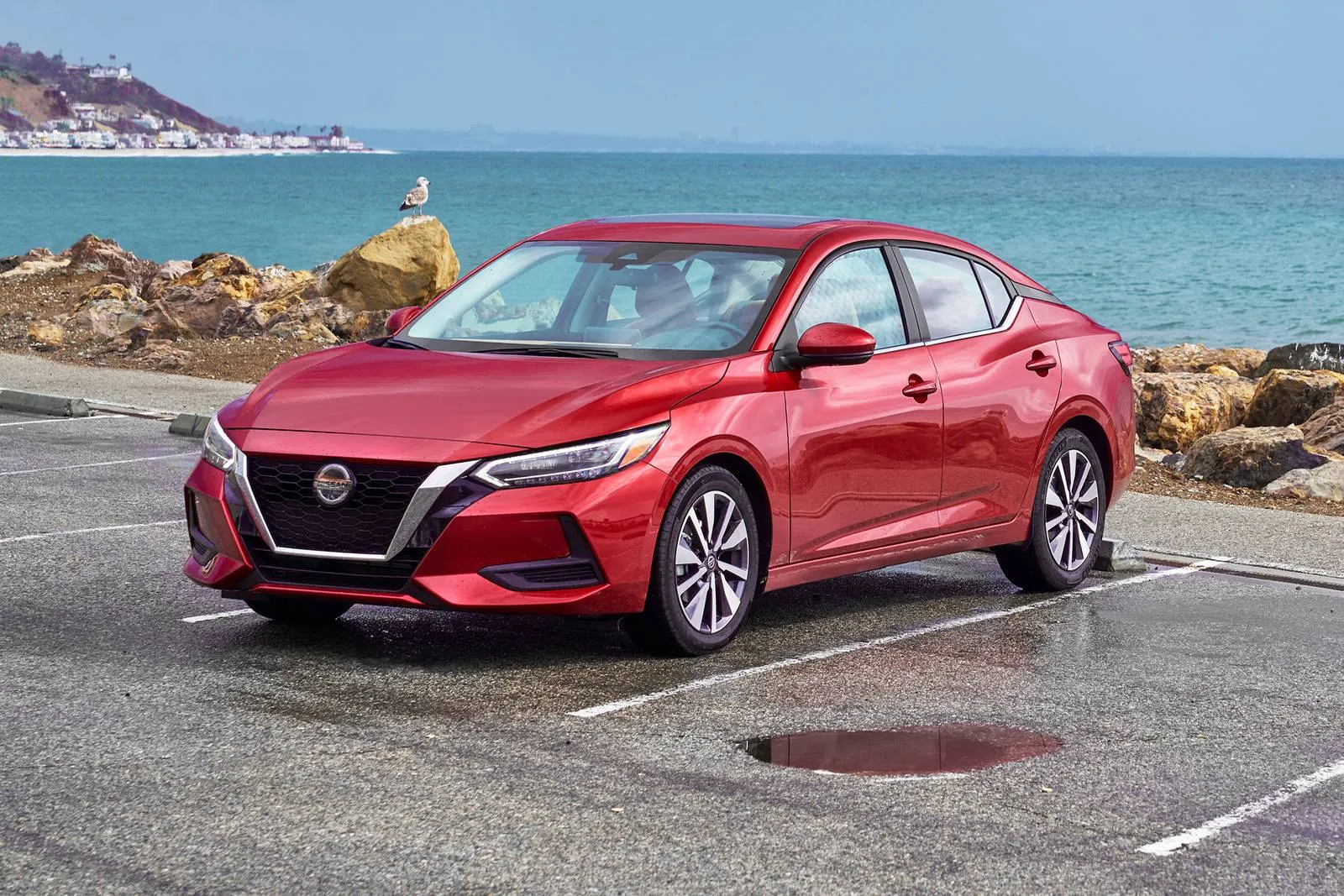
IIHS Rating: Poor (Updated Moderate Overlap Front), Poor (Headlights & Vehicle-to-Vehicle Crash Prevention)
Nissan did respond to the IIHS findings by modifying the rear seat belts in the Altima (the Sentra’s platform sibling) to try to improve scores, but the updated belts still only managed a Marginal rating, indicating the fix was incomplete.
The standard Sentra’s pedestrian front crash prevention system earned only a Marginal score as well, indicating limited effectiveness in urban scenarios where pedestrian-detection matters most.
On the positive side, the Sentra does earn Good ratings in the driver-side small overlap front test and shows reasonable structural integrity in frontal driver-position scenarios.
The vehicle’s airbag deployment and restraint system for the front driver received adequate marks, which limits the Poor rating to the more nuanced rear-seat and technology categories.
Specifications:
- Engine: 2.0-liter Inline-4 DOHC
- Horsepower: 149 hp @ 6,300 RPM
- Torque: 146 lb-ft @ 4,000 RPM
- Length: 182.7 inches
- Width: 70.8 inches
Also Read: 10 Hidden Features in Ford Trucks Most Owners Never Use
5. 2022–2023 Subaru Crosstrek
The Subaru Crosstrek occupies a unique position in the automotive market. It is frequently recommended for its all-wheel-drive capability, fuel efficiency, and reputation for reliability.
It has long been marketed as a safe, sensible choice for outdoor enthusiasts and family buyers alike. That reputation took a direct hit when the IIHS published its updated crash test results, demoting the 2022–2023 Crosstrek to a Poor overall rating in both the updated moderate overlap front test and the updated side impact test.
The Crosstrek’s results in the updated moderate overlap front test were particularly telling. While the vehicle earned Good scores in driver-related metrics, including head and neck protection and driver restraints, the rear-seat occupant dummy told a different story.
The lap belt migrated upward onto the abdomen, and the rear dummy showed a raised risk of injury to the head, neck, and chest. The rear passenger chest injury metrics specifically rated Poor, meaning the forces transmitted to a back-seat occupant’s thorax in this crash scenario were dangerously high.
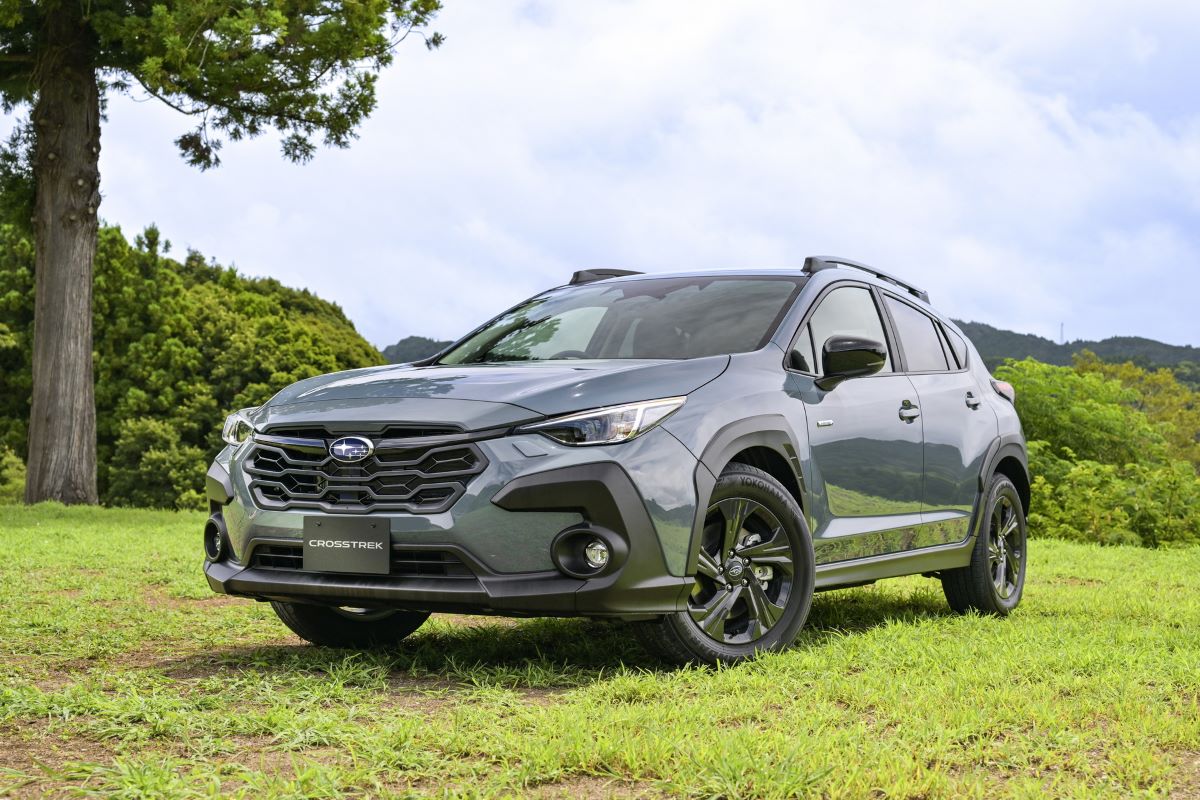
IIHS Rating: Poor (Updated Moderate Overlap Front & Updated Side)
The updated side impact test also yielded a Poor overall rating, reflecting the Crosstrek’s structural limitations under the new, more aggressive side-strike conditions.
The updated test uses a heavier barrier moving at a higher speed, simulating the growing proportion of large SUVs and trucks in the American vehicle fleet.
Lighter, lower vehicles like the Crosstrek absorb proportionally more energy in these crashes, and the Crosstrek’s side structure did not adequately protect occupants under these new conditions.
What makes this finding especially significant is the Crosstrek’s strong reputation for occupant safety under older test protocols. The 2022 model had earned IIHS Top Safety Pick honors under the previous standards.
The shift to Poor in the updated tests was not due to any degradation of the vehicle itself, it was a consequence of the IIHS raising its benchmarks to reflect real-world crash environments more accurately. Subaru addressed these issues in the completely redesigned 2024 Crosstrek, which earned a Top Safety Pick award under the new standards.
Specifications:
- Engine: 2.0-liter Horizontally-Opposed 4-cylinder (Boxer)
- Horsepower: 152 hp @ 6,000 RPM
- Torque: 145 lb-ft @ 4,000 RPM
- Length: 175.8 inches
- Width: 71.0 inches
6. 2023 Honda Odyssey
The Honda Odyssey is one of the most trusted family minivans on the American road. It has historically performed well in crash testing and earned a strong safety reputation among parents.
That reputation was challenged significantly when the IIHS tested the 2023 Odyssey using its updated moderate overlap front crash test and assigned the lowest possible Poor overall rating, the worst result among all four minivans tested in the same evaluation cycle.
The IIHS focused its updated minivan testing specifically on rear-seat occupant protection, a critical concern for family vehicles that routinely carry children in second and third-row seats.
In the Honda Odyssey’s case, measurements from the rear-seat crash dummy indicated a raised risk of chest injuries to back-seat passengers. The institute’s vice president for research specifically noted that rear occupants in all four tested minivans faced an increased risk of chest injury, either due to poor belt positioning or excessive belt forces.
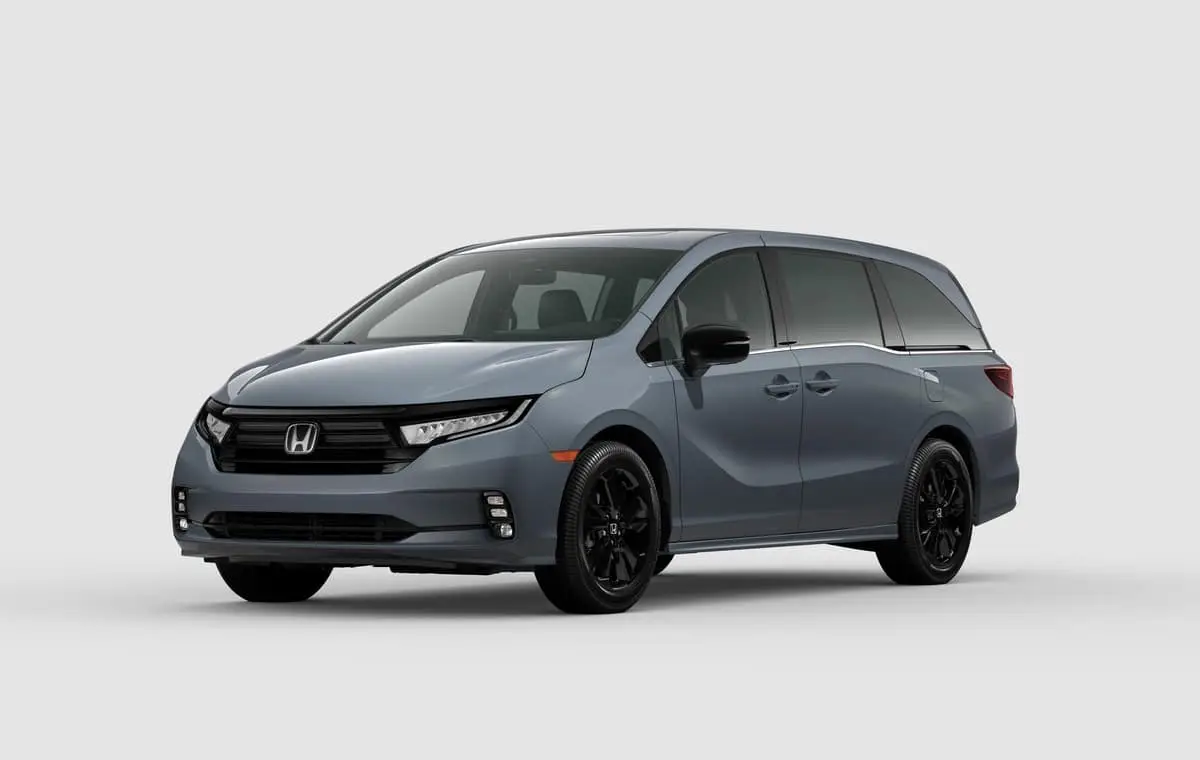
IIHS Rating: Poor (Updated Moderate Overlap Front-Overall)
The Honda Odyssey received the worst score of the four minivans tested, which also included the Toyota Sienna, Chrysler Pacifica, and Kia Carnival. Those three vehicles received Marginal overall ratings, one step above Poor.
The Odyssey’s Poor designation reflects a more severe failure in managing rear-seat forces. Given that the Odyssey is specifically marketed as a family hauler and that its most common occupants are children, who are biologically more vulnerable to chest and abdominal injuries, the poor rear-seat protection finding carries considerable practical weight.
Honda emphasized that the Odyssey had previously earned high marks in earlier versions of the same test and that the downgrade reflected IIHS’s revised and more demanding standards rather than any change to the vehicle.
That context is accurate, but does not change the outcome: under the most current and representative test conditions available, the 2023 Odyssey did not adequately protect rear-seat occupants. Honda maintains a strong lineup, with ten models earning 2023 Top Safety Pick or better. However, the Odyssey was not among them.
Specifications:
- Engine: 3.5-liter V6 SOHC i-VTEC
- Horsepower: 280 hp @ 6,000 RPM
- Torque: 262 lb-ft @ 4,700 RPM
- Length: 203.2 inches
- Width: 79.2 inches
7. 2023 Jeep Wrangler
The Jeep Wrangler is an American icon. Its removable doors, fold-down windshield, and open-air design have made it the definitive off-road vehicle for generations of enthusiasts.
However, those very features that make the Wrangler a uniquely capable adventure machine are also the source of its persistent safety challenges. The Wrangler has consistently struggled in crash evaluations, and its safety record under IIHS testing represents one of the most complicated profiles of any vehicle in this list.
The most severe documented failure occurred in the IIHS small overlap front test, where a 2022-model Wrangler actually experienced a partial rollover during the 40 mph crash evaluation, an extraordinary event that had occurred in a previous test as well.
The IIHS noted that this presents an additional injury risk beyond what standard criteria measure. As of the most recent testing cycles, the Wrangler retains an Incomplete designation for the small overlap front test because the IIHS has declined to retest until Jeep makes structural changes to address the rollover tendency.
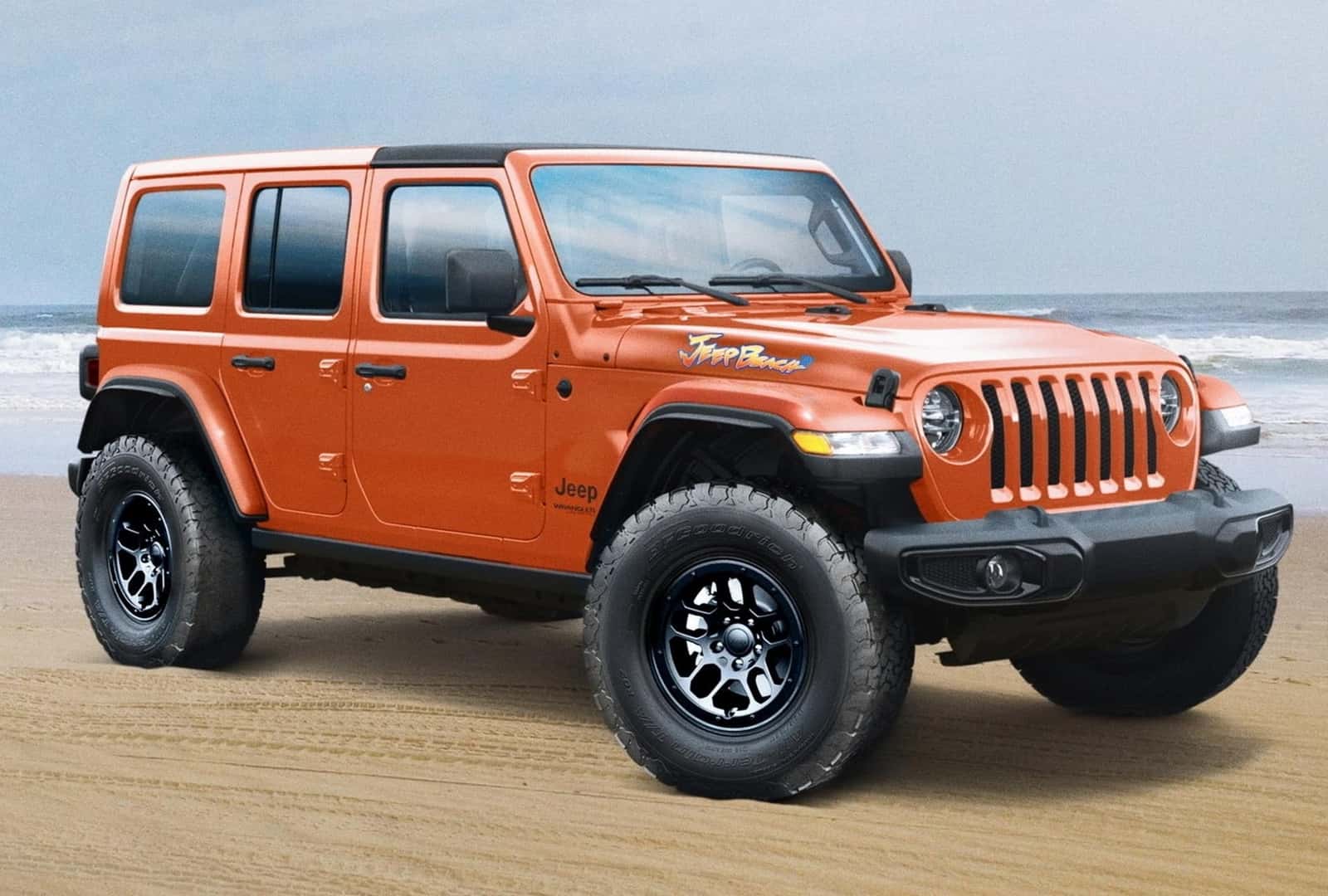
IIHS Rating: Marginal (Small Overlap Front – Driver Side) | Poor (Headlights) | NHTSA Rollover: 3 Stars
The Wrangler’s headlights have historically earned Poor ratings from the IIHS, with base-trim halogen units providing severely inadequate illumination under nighttime conditions.
Poor headlights are not merely a comfort issue. Reduced visibility is directly correlated with higher rates of nighttime crashes, and the Wrangler’s persistently low headlight scores across multiple model years represent a recurring safety failure.
The NHTSA assigns the Wrangler just three stars in rollover resistance, which reflects the vehicle’s raised center of gravity, narrow track width relative to its height, and body-on-frame construction.
That said, the Wrangler has made genuine improvements. Beginning with the 2024 model, Jeep added load limiters and pre-tensioners to the rear seat belts, and the updated moderate overlap front test returned a Good rating for the newer model years.
The 2023 Wrangler sits in a transitional zone better than earlier generations in some areas, but still carries unresolved concerns in headlights and the small overlap front test.
Specifications:
- Engine: 3.6-liter V6 Pentastar VVT (standard)
- Horsepower: 285 hp @ 6,400 RPM
- Torque: 260 lb-ft @ 4,800 RPM
- Length: 188.4 inches (4-door Unlimited)
- Width: 73.8 inches
8. 2025 Nissan Kicks (Redesigned)
The story of the 2025 Nissan Kicks is a cautionary tale about how redesigning a vehicle’s exterior can inadvertently compromise its structural safety.
The outgoing Kicks sold in its previous generation had earned an IIHS Top Safety Pick for the 2024 model year, a testament to its reasonably solid crash performance under existing standards. For 2025, Nissan gave the Kicks a significant body redesign, transitioning the vehicle’s silhouette from a hatchback to a wagon-like profile.
When the IIHS ran the newly restyled 2025 Kicks through its small overlap front crash test, the vehicle earned a Poor rating. The updated test, which evaluates both driver-side and passenger-side small overlap impacts, revealed that structural changes associated with the new body design had introduced vulnerabilities.
The safety cage in certain impact scenarios did not maintain adequate integrity, raising occupant injury risk in the frontal overlap zone. The contrast with the previous generation’s performance makes the 2025 result all the more striking.
Nissan was credited for responding quickly to the findings. By the 2026 model year, the Kicks had been further modified and once again earned Good or Good+ ratings across all crashworthiness categories, indicating that Nissan’s engineering team identified and corrected the structural issue.
But buyers who purchased 2025 Kicks models before these corrections were made or who are considering used 2025 units should be aware of the vehicle’s documented Poor performance in the small overlap front evaluation.
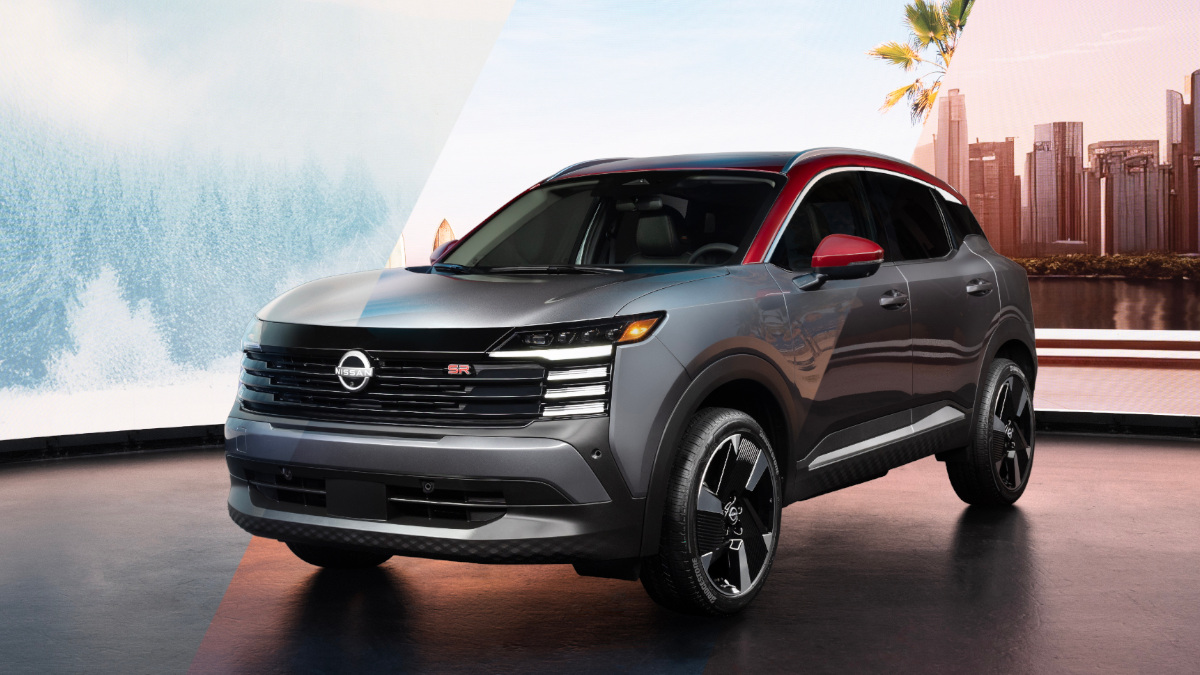
IIHS Rating: Poor (Small Overlap Front – Updated Test)
This scenario illustrates a broader truth about crash safety that many consumers do not appreciate: a vehicle’s safety rating is specific to its model year and configuration.
A design update, even a cosmetically motivated one, can meaningfully alter crash behavior. The 2025 Kicks serves as an important reminder to always check the IIHS and NHTSA ratings for the specific model year being considered, not just the nameplate’s general reputation.
Specifications:
- Engine: 1.6-liter Inline-4 DOHC
- Horsepower: 122 hp @ 6,300 RPM
- Torque: 114 lb-ft @ 4,800 RPM
- Length: 170.5 inches
- Width: 70.0 inches
9. 2025 Kia K5
The Kia K5 is the successor to the long-running Optima sedan, repositioned with sportier styling and a more upscale interior for the American market. It debuted for 2021 and quickly became a well-regarded mid-size sedan option, praised for its performance value and design quality.
However, when the IIHS evaluated the 2025 model following Kia’s exterior refresh for that year, the K5 earned a Poor rating in the updated moderate overlap front test despite the fact that the 2024 model had earned a Good rating in the same evaluation.
The regression was directly tied to the exterior changes Kia made for the 2025 refresh. Modifications to the front-end structure and body panels, made for styling purposes, appear to have altered the vehicle’s crash energy management characteristics in the moderate overlap scenario.
The revised front crumple zone did not perform as effectively as its predecessor’s, and the occupant compartment showed higher intrusion metrics.
The rear-seat occupant measurements also reflected raised injury risk, consistent with the broader pattern of rear-seat protection concerns that the IIHS has highlighted across multiple vehicle segments.
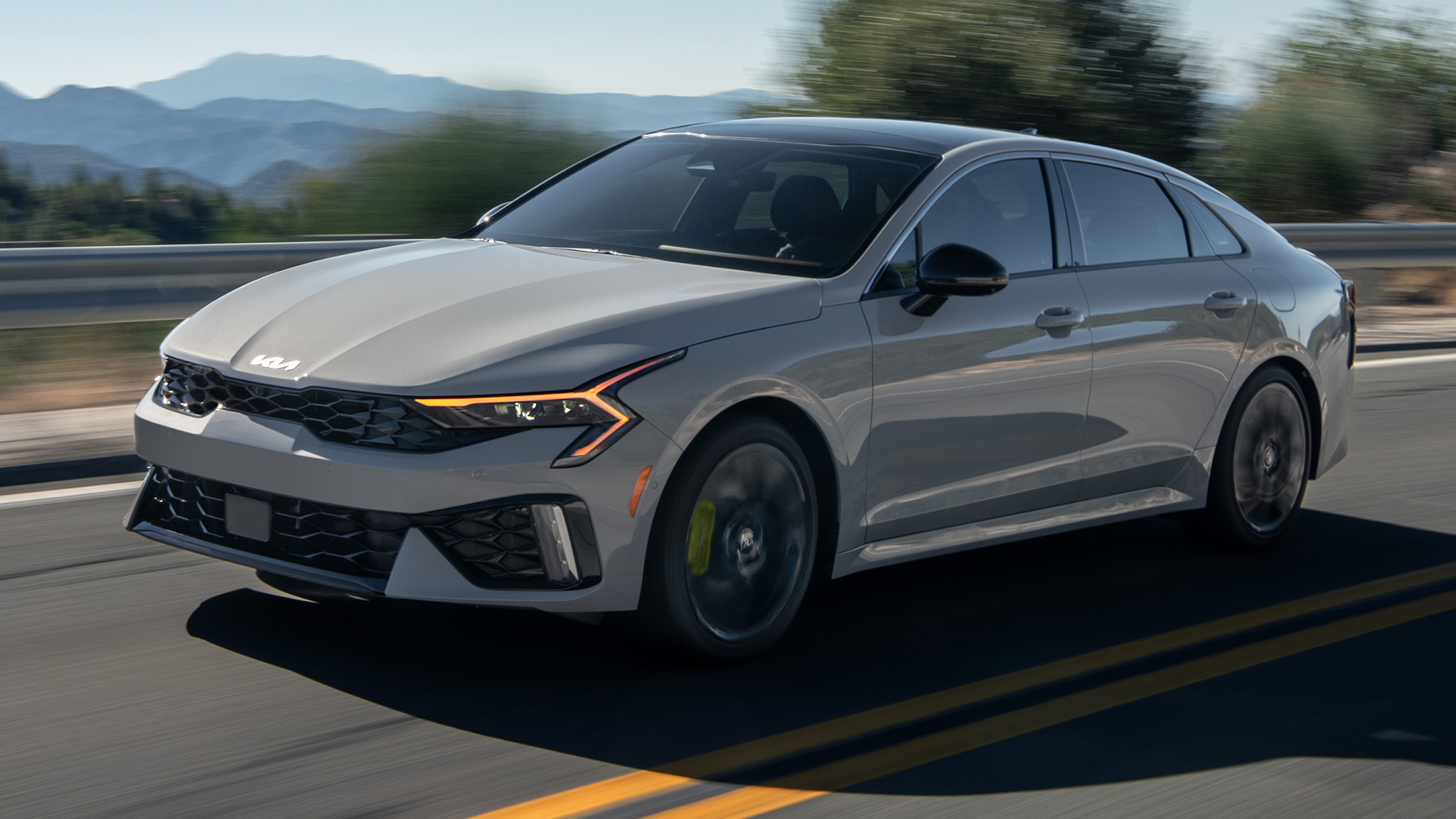
IIHS Rating:
- Poor (Updated Moderate Overlap Front)
- Marginal (Side)
The K5 also earned only a Marginal rating in the side impact evaluation, which indicates a meaningful gap in side-structure integrity. For a mid-size family sedan competing against vehicles like the Toyota Camry and Honda Accord, both of which achieve better crash scores, the K5’s combined Marginal and Poor ratings represent a competitive disadvantage in a segment where buyers increasingly prioritize safety.
iSeeCars data has also noted raised fatal accident rates associated with the K5 nameplate, suggesting the IIHS laboratory findings may reflect real-world risks.
Kia did update its Drive Wise driver assistance suite for 2025 and added improved blind-spot monitoring, and the K5’s crash prevention technology received reasonable scores.
However, active safety technology cannot fully compensate for deficiencies in passive structural protection, and the K5’s Poor result in the updated moderate overlap test is the type of finding that matters most in unavoidable collision scenarios.
Specifications:
- Engine: 1.6-liter Turbocharged Inline-4 (base GT-Line) / 2.5-liter Turbocharged Inline-4 (GT)
- Horsepower: 180 hp (1.6T) / 290 hp (2.5T)
- Torque: 195 lb-ft (1.6T) / 311 lb-ft (2.5T)
- Length: 191.1 inches
- Width: 73.2 inches
10. 2025 Ford Bronco Sport
The Ford Bronco Sport arrived for the 2021 model year to enormous popularity, riding the wave of renewed interest in the Bronco nameplate. Its first two years of IIHS testing were impressive. The 2021 Bronco Sport earned a Top Safety Pick+ award, the highest possible IIHS recognition.
That strong start has gradually eroded under the updated testing protocols, and the 2025 model year finds the Bronco Sport in a notably weaker position, with a Marginal rating in the updated moderate overlap front test and no Top Safety Pick designation of any kind.
The failure in the updated moderate overlap test centered on rear-seat occupant safety, a recurring theme across this list and a reflection of how comprehensively the IIHS’s updated standards are exposing rear-seat protection gaps across the industry.
During the crash test, the rear dummy’s lap belt migrated from the pelvis onto the abdomen. The IIHS also recorded a raised risk of chest and head or neck injuries to the rear-seat occupant. These are precisely the injury patterns the updated test was designed to detect, and the Bronco Sport demonstrated them clearly.
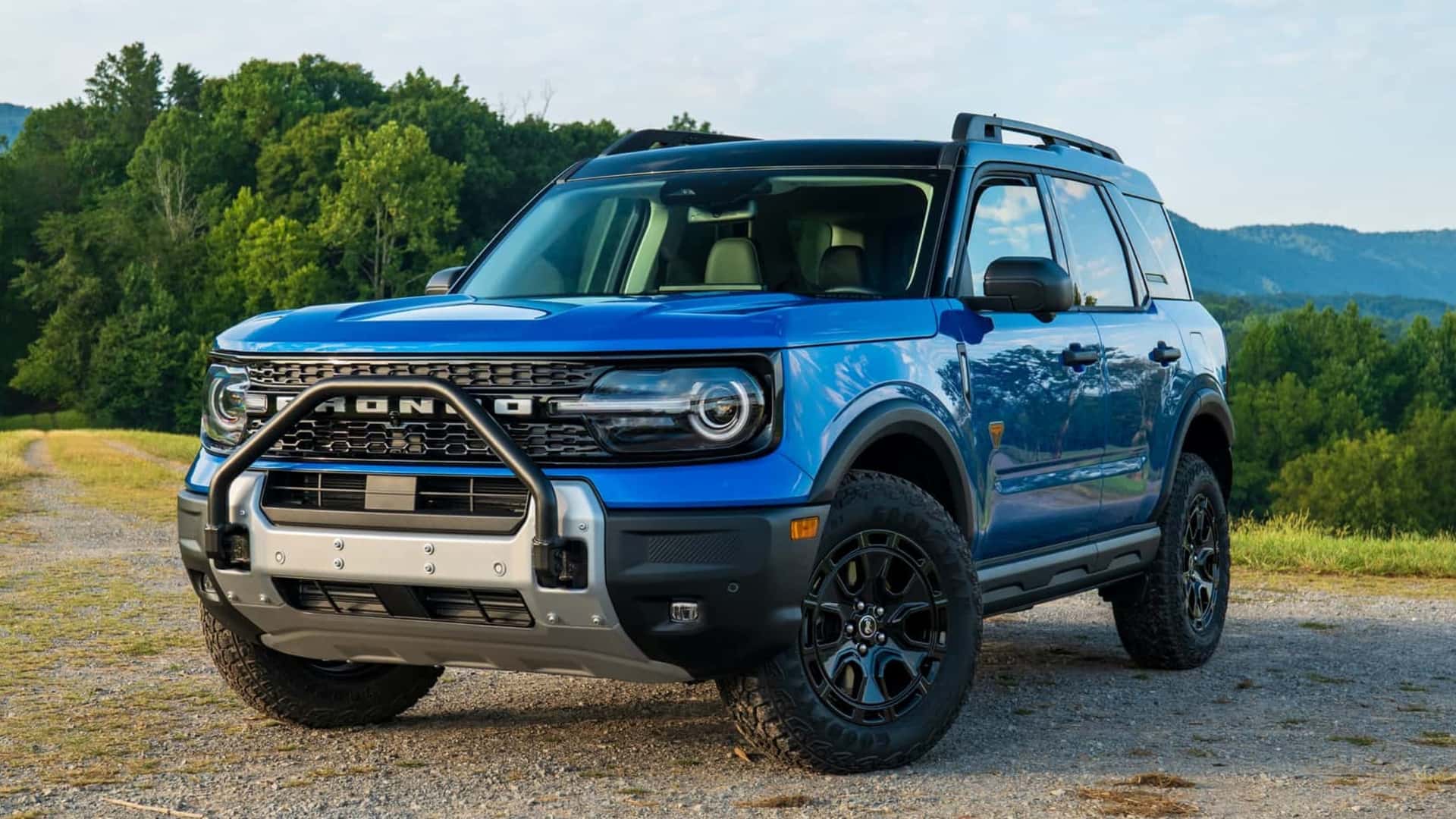
IIHS Rating:
- Marginal (Updated Moderate Overlap Front)
- Acceptable (Updated Side)
- No Top Safety Pick
The updated side impact test returned an Acceptable rating, primarily because of raised pelvis injury metrics for the driver position. An Acceptable rating is not as alarming as a Marginal or Poor, but it still falls short of the Good rating required for either the Top Safety Pick award.
The Bronco Sport’s headlights, however, earned a Good rating, one of the few bright spots in its 2025 IIHS evaluation. Its pedestrian automatic emergency braking was also rated as Good, indicating effective crash-avoidance capability in low-speed urban environments.
For buyers choosing between the Bronco Sport and the standard Ford Bronco, it is worth noting that both models missed the 2025 Top Safety Pick awards for similar reasons.
The full-size Bronco earned a Marginal in the updated moderate overlap test due to raised rear chest injury risk, though its small overlap front, updated side, and roof strength tests all returned Good scores.
The Bronco Sport, despite sharing the “Bronco” name, is built on a completely different unibody car-based platform rather than the full Bronco’s body-on-frame construction.
Specifications:
- Engine: 1.5-liter EcoBoost Turbocharged Inline-3 (base) / 2.0-liter EcoBoost Turbocharged Inline-4 (Badlands/First Edition)
- Horsepower: 181 hp (1.5L) / 250 hp (2.0L)
- Torque: 190 lb-ft (1.5L) / 277 lb-ft (2.0L)
- Length: 172.7 inches
- Width: 74.5 inches
Also Read: 10 Cars Built for Texas Hailstorms
