
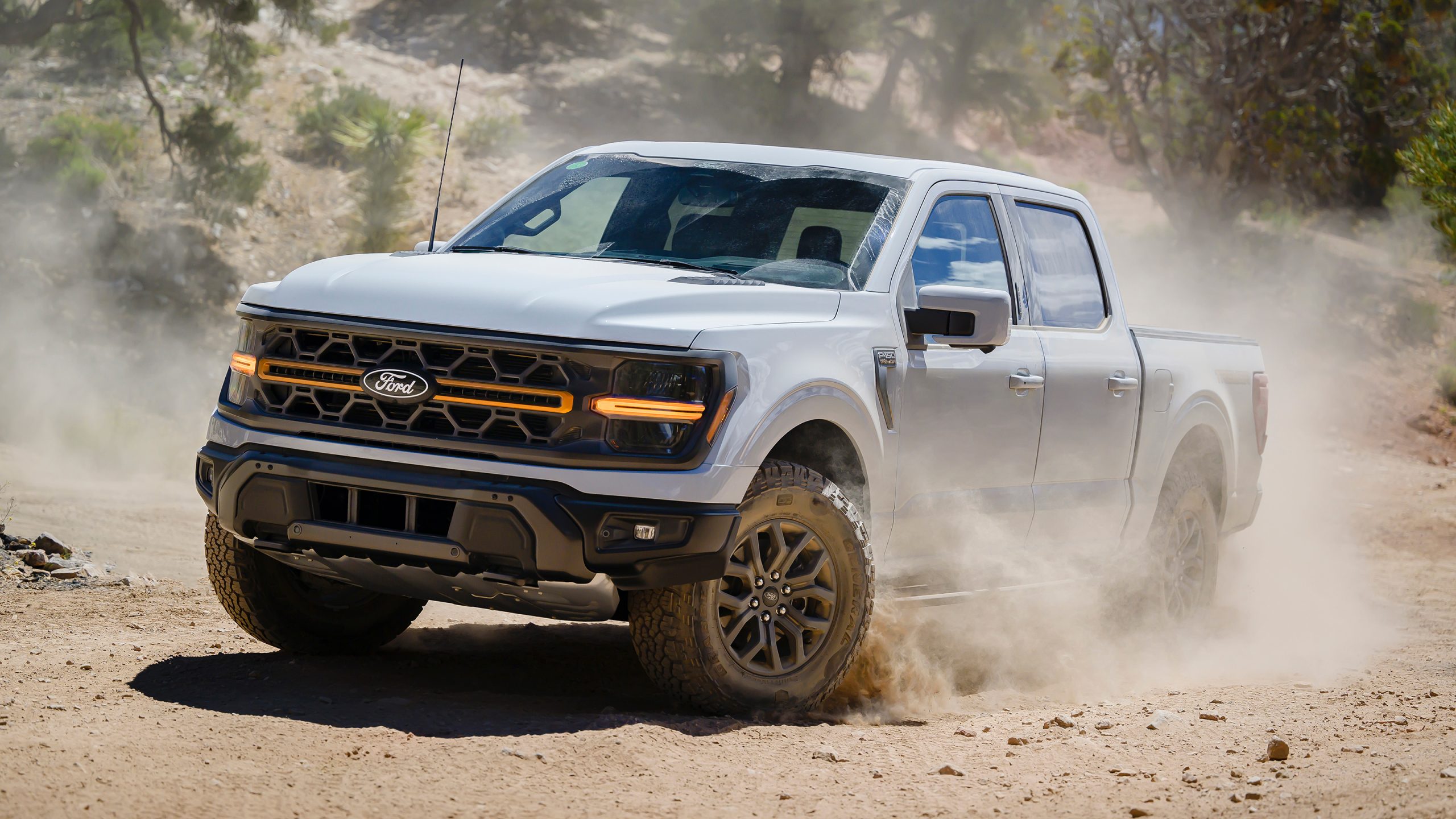
Ford’s ongoing quality control problems are becoming impossible for the automotive industry to ignore. Just four months into 2026, the company has already issued 34 recalls across its vehicle lineup, placing it far ahead of every other major automaker in the United States and putting it on pace to surpass its own troubling record set only a year earlier.
According to industry tracking data and federal safety filings released this month, Ford’s recalls in 2026 have already impacted approximately 9.8 million vehicles. That number is especially alarming because it arrives before the halfway point of the year.
If the current pace continues, Ford could exceed the 153 recalls it issued during 2024, a figure that already represented one of the worst recall years in modern automotive history.
The gap between Ford and its competitors has also become strikingly large. Reports show General Motors, Chrysler, and Toyota have each issued around 12 recalls so far in 2026, meaning Ford has nearly tripled the recall activity of the next closest manufacturers.
For consumers, the growing list of recalls raises serious questions about reliability, manufacturing oversight, and whether Ford can regain control of its quality assurance systems before the damage to its reputation becomes long-term.
Also Read: Why Buying a Hybrid Out of Warranty Is the Single Riskiest Used-Car Purchase?
Ford’s Recall Numbers Continue Climbing at an Unusual Rate
Automakers issue recalls every year, and many involve relatively small fixes that never become major public controversies. What makes Ford’s situation different is the sheer volume and frequency of the problems emerging across multiple product lines.
The company’s 34 recalls in just the opening months of 2026 cover a broad range of issues, including software malfunctions, electrical system defects, engine concerns, brake problems, and potential fire risks. Some recalls affect only a limited number of vehicles, while others involve hundreds of thousands or even millions of units across several model years.
Industry analysts say the pace itself has become one of the biggest concerns. Instead of isolated incidents tied to a single production mistake, Ford’s recalls appear spread across numerous factories, platforms, and technologies.
That pattern has fueled speculation that the automaker may be struggling with deeper systemic issues related to development, supplier management, or quality control processes.
The numbers become even more concerning when compared with Ford’s recent history. In 2025, the company issued 153 recalls affecting around 13 million vehicles, setting a modern company record and drawing intense scrutiny from federal regulators.
Many experts expected Ford to stabilize operations after such a difficult year. Instead, the company now appears to be moving toward an even more chaotic period.
Several recalls issued during 2026 reportedly involve vehicles that were already subject to earlier fixes, creating frustration among customers who believed their cars had already been repaired properly.
Repeat recall situations often damage consumer confidence because they suggest the original solutions may not have fully addressed the underlying problem.
That perception can become especially harmful for a company whose reputation historically depended heavily on toughness and dependability.
Trucks and SUVs Remain Central to Ford’s Problems
Many of Ford’s recalls continue affecting its most profitable and strategically important vehicles, including the F Series truck lineup, large SUVs, and crossover models that generate enormous sales volume across North America.
The Ford F-150 remains one of the best-selling vehicles in America, making any widespread defect particularly serious because of the number of owners potentially impacted. Recalls tied to major products also create greater visibility since those vehicles form the core of Ford’s public identity.
For years, Ford successfully positioned itself as a leader in trucks and utility vehicles. Buyers often associated the company with durability, work capability, and long-term ownership confidence. The ongoing wave of recalls threatens that image because repeated safety notices create doubts even among loyal customers.
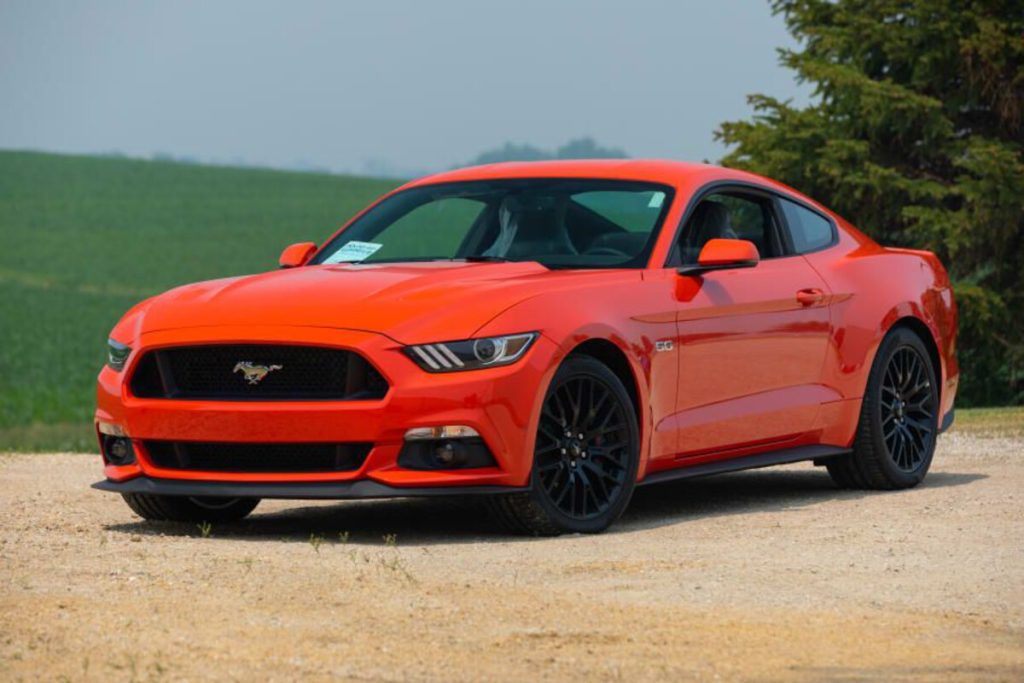
Some automotive analysts believe Ford’s aggressive push toward advanced technology may be contributing to the problem.
Modern vehicles rely heavily on software systems, electronic controls, digital driver assistance features, and increasingly complex powertrain management systems. While these technologies improve efficiency and convenience, they also introduce more potential failure points during development and production.
Ford has aggressively expanded connected vehicle features and advanced software integration throughout its lineup over the past several years. As vehicles become more technologically complicated, identifying problems before production reaches customers becomes more challenging.
That reality is affecting the entire industry to some extent, but Ford’s numbers remain far above those of its competitors, which is why the company continues attracting intense attention from regulators and analysts.
Federal Regulators Are Watching Closely
The National Highway Traffic Safety Administration has reportedly maintained close oversight of Ford’s recall activity after repeated concerns surrounding delayed responses and incomplete repairs in previous cases.
Federal investigations involving Ford have increased over the past several years as regulators examined whether certain defects were handled quickly enough and whether earlier recall remedies fully corrected the problems.
The company has already faced substantial fines tied to recall compliance issues in the past, adding further pressure to improve performance.
Safety experts warn that recall fatigue may also become a growing concern among consumers.
When drivers receive repeated recall notices over short periods, some eventually begin ignoring them altogether, especially if the vehicle appears to operate normally. That creates additional risks because unresolved safety defects can remain active for years without owners seeking repairs.
Ford dealers now face the difficult task of managing growing repair demands while reassuring customers that the company remains committed to solving the issues permanently.
The situation becomes even more challenging because supply chain delays and parts shortages can slow repair completion times for certain recalls. Owners sometimes wait weeks or months for replacement components, adding to frustration levels.
Ford’s Reputation Faces a Critical Test
Ford has survived difficult periods before, including financial crises, restructuring efforts, and major industry transitions. However, the current recall situation presents a different type of challenge because it directly affects consumer trust.
Reliability concerns can damage a brand slowly but persistently. Customers spending tens of thousands of dollars on new vehicles expect problems to be rare, not constant headlines appearing month after month. Even buyers who never personally experience defects may become hesitant after seeing repeated recall reports dominate automotive news coverage.
That risk becomes particularly serious as competition intensifies. Toyota continues benefiting from its long-standing reliability reputation, while Hyundai and Kia have dramatically improved quality perceptions over the past decade.
General Motors has also invested heavily in manufacturing consistency and software validation processes after dealing with its own high-profile recall crises years ago.
Ford now faces pressure not only from regulators and investors but also from ordinary buyers deciding where to spend increasingly large amounts of money on new vehicles.
Some analysts believe the company’s rapid expansion into electric vehicles and advanced technology systems may have stretched engineering and quality assurance teams too aggressively. Others argue the issue reflects broader organizational problems that cannot be solved quickly through isolated fixes.

Ford executives have repeatedly acknowledged quality concerns during investor discussions and earnings calls. The company has promised improvements in manufacturing discipline, software testing, and supplier coordination, but the recall numbers released so far in 2026 suggest meaningful progress remains difficult to achieve.
The financial consequences could also become significant if the trend continues. Recalls cost automakers billions through repairs, legal exposure, warranty claims, and reputational damage. Large-scale safety campaigns also consume engineering resources that might otherwise focus on future product development.
For now, Ford remains one of America’s strongest automotive brands with enormous customer loyalty and a powerful presence in trucks and commercial vehicles. Yet the growing recall crisis has become one of the company’s biggest modern challenges.
If the current pace continues through the rest of 2026, Ford may soon break a record it never wanted to set in the first place.
Also Read: Why a 15-Year-Old Honda Beats a New Compact Sedan for Most Buyers
