
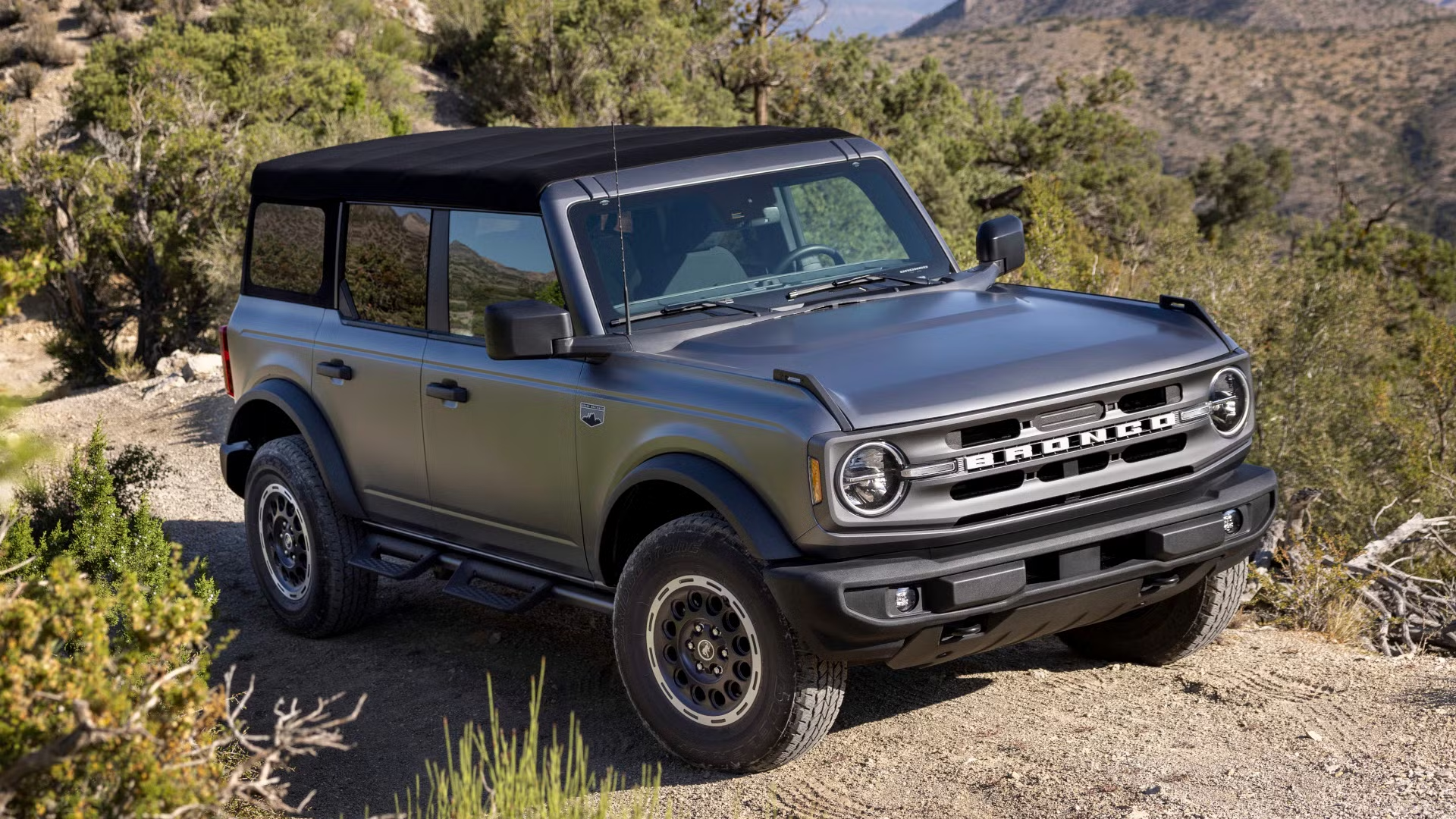
Ford has significantly expanded a safety recall involving the Bronco after identifying an engine compartment fire risk linked to exposed wiring in more than 566,000 SUVs across the United States.
According to Motor1, citing documents filed with the National Highway Traffic Safety Administration (NHTSA), the expanded campaign now covers multiple Bronco variants and has become one of the largest U.S. vehicle recalls announced during July 2026.
The recall centers on electrical wiring located within the engine compartment that may become exposed under certain conditions. If the wiring insulation is damaged, electrical shorts could occur, potentially generating enough heat to ignite surrounding materials.
Although engine fires remain relatively uncommon, they pose a serious safety concern because they can develop rapidly and may occur while the vehicle is being driven or shortly after it has been parked.
Ford says owners of affected vehicles will be notified and instructed to visit authorized dealerships, where technicians will inspect the wiring and perform the necessary repairs at no cost. The company is urging customers to respond promptly once recall notices are issued to reduce the possibility of an engine compartment fire.
The expanded campaign reflects how automakers continue monitoring vehicles after production, using field reports, engineering investigations, and warranty data to identify issues that may require corrective action.
Also Read: Jeep Recalls 641 Wrangler and Gladiator Models Over Defective Steel Wheels
Recall Now Covers More Than 566,000 Broncos
According to the recall documents submitted to NHTSA, Ford has expanded the affected vehicle population to more than 566,000 Bronco SUVs after determining that additional vehicles may contain the same defect.
Motor1 reported that the campaign now includes multiple Bronco variants produced during specific manufacturing periods. While the original recall involved a smaller number of vehicles, further investigation prompted Ford to broaden the campaign to ensure all potentially affected models receive repairs.
Large recall expansions are not unusual within the automotive industry. Engineers frequently begin with a limited population while investigating a defect, then increase the number of covered vehicles if production records indicate the issue extends beyond the original estimate.
Ford says the expanded campaign is intended to address every vehicle that may contain the affected wiring configuration.
What Causes the Fire Risk?
According to NHTSA, the recall involves electrical wiring located within the engine compartment that may become exposed because of contact with surrounding components.
Under normal operating conditions, automotive wiring is protected by insulation designed to prevent electrical shorts and withstand the heat generated inside the engine bay. If that insulation becomes damaged, however, exposed conductors may contact metal components or other wiring.
Such contact can create electrical arcing or excessive heat, increasing the possibility of an engine compartment fire.
Although these events are uncommon, automotive manufacturers treat electrical defects with particular seriousness because they can develop without warning and may affect vehicle safety even when the engine is not under heavy load. Ford’s investigation concluded that the potential fire risk warranted a nationwide safety recall.
Why Engine Compartment Fires Are Taken Seriously
Engine compartment fires represent one of the most serious types of vehicle safety defects because they can spread quickly once combustible materials ignite. Modern engine bays contain electrical wiring, plastic components, hoses, insulation, and various fluids that may contribute to fire development if an ignition source is present.
According to NHTSA, even a relatively small electrical short can become hazardous if sufficient heat is generated near combustible materials. Drivers may first notice warning signs such as the smell of burning insulation, smoke emerging from beneath the hood, or dashboard warning lights related to electrical systems.
Safety experts recommend safely stopping the vehicle and turning off the engine immediately if smoke or signs of fire appear, then moving occupants away from the vehicle before contacting emergency services.
How Ford Identified the Issue
According to information filed with federal regulators, Ford identified the defect through its ongoing quality monitoring process.
Automakers routinely review warranty claims, dealership repair reports, supplier information, manufacturing records, and customer complaints to identify potential safety concerns after vehicles have entered service.
Following its investigation, Ford engineers determined that certain Bronco models could experience wiring exposure capable of increasing the likelihood of an engine compartment fire.
The company subsequently notified NHTSA and expanded the recall to include additional vehicles that may have received the same components during production. Industry analysts note that expanding an existing recall often reflects additional engineering analysis rather than the discovery of an entirely new defect.
The Repair Will Be Performed Free of Charge
Ford has developed a repair procedure designed to eliminate the fire risk. According to the recall documents, authorized Ford dealerships will inspect the engine compartment wiring on affected vehicles and perform any required repairs or component replacements free of charge.
The repair may include rerouting wiring, installing additional protective materials, replacing damaged harnesses, or implementing other engineering improvements depending on the vehicle’s condition.
Owners will receive official notification letters explaining how to schedule service appointments. Federal law requires manufacturers to complete recall repairs without charge regardless of whether the vehicle remains covered by its original warranty.
How Owners Can Determine Whether Their Bronco Is Affected
Bronco owners do not need to wait for a recall letter before checking their vehicle. NHTSA recommends entering the vehicle’s 17-digit Vehicle Identification Number into its online recall lookup database, which displays all active safety recalls associated with that specific vehicle.
Ford dealerships can also verify recall eligibility using the VIN and schedule repair appointments once parts and service procedures are available. Owners who purchased their Bronco on the used market should also verify recall status because safety recalls remain attached to the vehicle rather than its original owner.
Completing recall repairs promptly helps ensure the vehicle continues meeting federal safety standards. As modern vehicles incorporate increasingly sophisticated electronics, recalls involving electrical systems have become more frequent across the automotive industry.
Today’s SUVs contain extensive wiring networks supporting engine controls, safety systems, infotainment, driver assistance technologies, lighting, sensors, and connectivity features.
Although these systems improve vehicle capability, they also increase the complexity of electrical architecture, making proper routing, insulation, and protection essential. Manufacturers continuously evaluate field performance data to identify potential weaknesses before they become widespread safety issues.
Industry experts emphasize that many electrical recalls are precautionary, allowing defects to be corrected before failures occur under real-world driving conditions. The expanded Bronco recall demonstrates Ford’s continuing efforts to address potential safety issues as additional engineering information becomes available.
According to Motor1 and NHTSA, increasing the recall population to more than 566,000 vehicles ensures that owners of all potentially affected Broncos have the opportunity to receive repairs before the defect can lead to more serious consequences.
Although the issue involves only specific wiring within the engine compartment, electrical defects capable of increasing fire risk receive immediate attention because of their potential impact on occupant safety.
By offering inspections and repairs free of charge, Ford aims to eliminate the hazard while maintaining customer confidence in one of its most popular SUVs.
For Bronco owners, the next step is straightforward. Verify whether the vehicle is included in the recall using its VIN and arrange for the repair as soon as it becomes available.
While most owners may never experience any symptoms related to the defect, addressing the issue promptly helps reduce the possibility of an engine compartment fire and ensures the vehicle continues operating as Ford originally intended.
Also Read: Nissan Recalls More Than 168,000 Armada and Infiniti SUVs Over Incorrect Weight Labels
