
Vehicle theft has evolved dramatically over the last two decades. Modern thieves no longer rely only on broken windows and screwdriver tricks. Many now use relay attacks, signal amplifiers, key cloning devices, and sophisticated electronic hacking tools to bypass factory security systems in minutes.
In response, automakers have invested heavily in advanced anti-theft technology designed to make modern vehicles harder to steal. Among the most effective and least understood security systems is the factory-installed kill switch.
Unlike aftermarket immobilizers, factory kill switches are integrated directly into the vehicle’s electronic architecture and can disable fuel delivery, ignition, or engine startup when unauthorized access is detected.
These systems often operate silently in the background, activating automatically without the driver even realizing it. In many cases, the existence and operation of these kill switches remain intentionally obscure to reduce the chances of thieves learning how to bypass them.
As a result, countless car owners drive vehicles equipped with sophisticated hidden anti-theft mechanisms without fully understanding how much protection they actually have.
Factory kill switches come in many forms. Some rely on encrypted key authentication before allowing the engine control module to activate the fuel system. Others use motion sensors, steering lock communication, GPS-linked shutdown protocols, or remote immobilization systems connected to telematics services.
Luxury automakers have been especially aggressive in implementing layered security because their vehicles are prime theft targets worldwide. However, mainstream brands have also adopted increasingly advanced immobilization systems as vehicle theft statistics continue rising in urban markets.
Certain models can even shut themselves down after suspicious activity is detected, while others allow owners or manufacturers to remotely disable the engine if the vehicle is reported stolen. These technologies not only protect expensive hardware but also reduce insurance losses and improve owner confidence.
The fascinating part about factory kill switches is how discreetly they are integrated. Automakers rarely advertise the exact details publicly because revealing the operation of these systems would undermine their effectiveness. Security through obscurity is still a major component of vehicle protection.
This secrecy has led to widespread myths and speculation among enthusiasts, mechanics, and car thieves alike. Some systems are simple transponder-based immobilizers, while others involve encrypted rolling codes and communication between multiple onboard modules.
In high-end vehicles, dozens of electronic control units work together to validate whether the person attempting to drive the car is authorized. If any part of the authentication chain fails, the vehicle may crank without starting or refuse to engage critical systems entirely.
As automotive technology continues moving toward fully connected and software-driven vehicles, kill switches are becoming more sophisticated than ever before. Many new models now feature smartphone integration, cloud-based security services, biometric authentication, and real-time theft monitoring.
Future vehicles may rely almost entirely on digital authorization systems that make traditional theft methods obsolete. Yet even now, many current production vehicles already include hidden factory systems capable of immobilizing the car in ways most owners never notice until something goes wrong.
Understanding which cars include these hidden protections offers valuable insight into how modern automotive security really works and why certain models remain significantly harder to steal than others.
Below are ten cars known for having particularly advanced or interesting factory-installed kill switch systems that can immobilize the vehicle in case of theft. These systems vary from basic electronic immobilizers to highly sophisticated remote disabling technologies integrated into the vehicle’s core electronics.
Also Read: 10 Fastest Hennessey-Tuned Models & Ranked by Top Speed
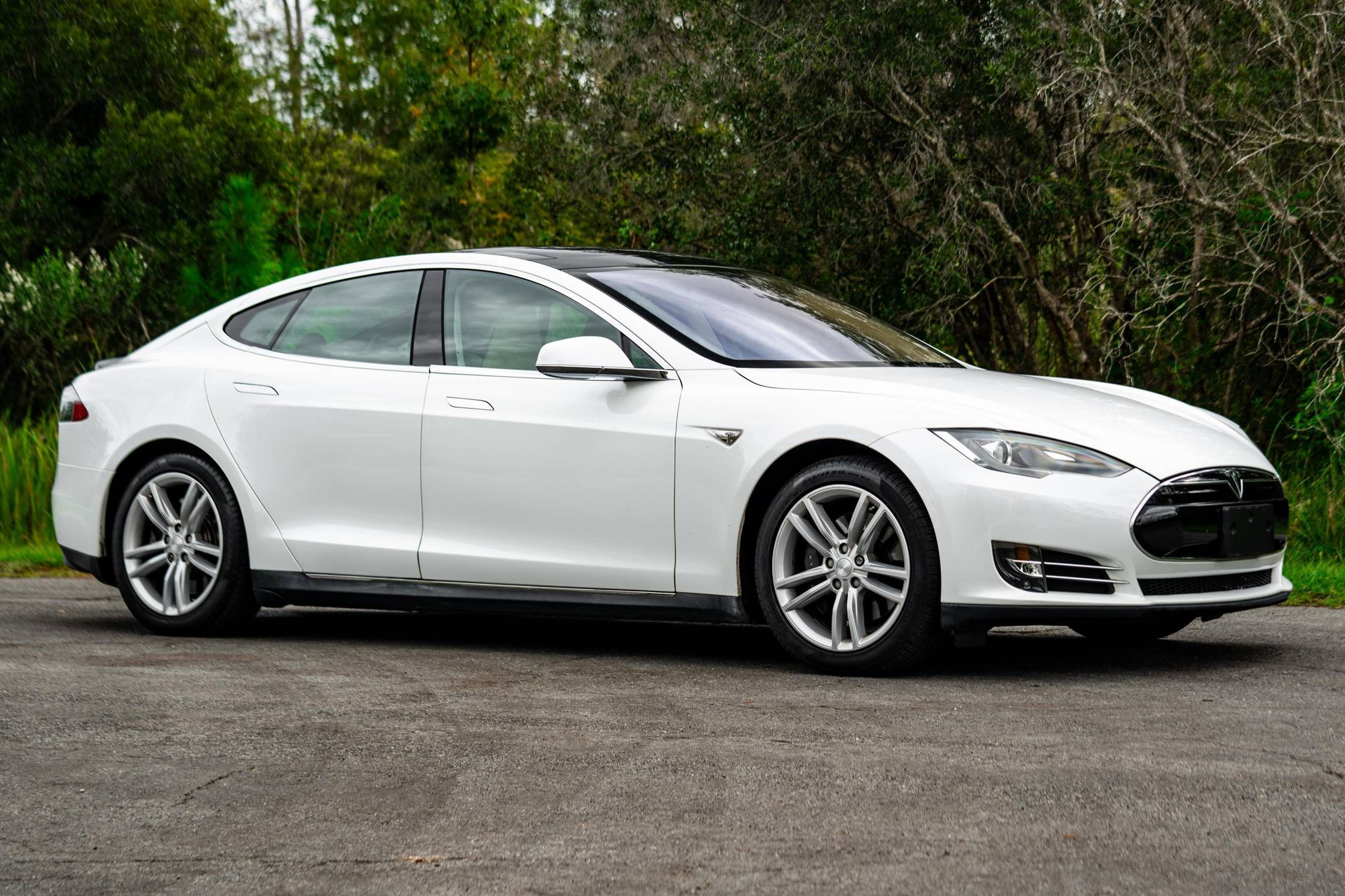
- Engine: Dual Motor / Tri-Motor electric
- Horsepower: ~670 hp
- Torque: ~1,050 Nm
- Length: 4,979 mm
- Width: 1,964 mm
1. Tesla Model S
The Tesla Model S transformed public perception of what a modern car could be, but one of its most underrated features is its advanced anti-theft architecture. Tesla vehicles use multiple layers of digital authentication to prevent unauthorized operation.
The car constantly communicates with encrypted key fobs and authenticated smartphones before enabling driving functionality. If authentication fails, the system can completely disable the operation of the vehicle. This effectively acts as a hidden kill switch embedded deep within Tesla’s software ecosystem.
Unlike traditional systems that only prevent ignition, Tesla’s architecture can lock down multiple operational functions simultaneously.
Tesla also introduced PIN to Drive, an optional feature requiring drivers to enter a personal security code before the vehicle can be shifted into gear. Even if a thief gains physical access to the cabin and has possession of the key card or phone, the vehicle remains immobilized without the correct PIN.
This adds another layer of protection that many conventional vehicles still lack. Owners can also monitor their vehicles in real time using Tesla’s mobile app, which integrates directly with the car’s security systems and allows remote interaction with locking and tracking features.
Another important aspect of Tesla’s anti-theft strategy is its continuous software update capability. Security vulnerabilities discovered after production can be patched remotely through over-the-air updates.
Traditional automakers often require dealership recalls or service visits to update critical software, but Tesla can improve immobilization protocols almost instantly across its global fleet. This dynamic approach makes the system more resilient against evolving theft methods and digital hacking attempts.
Tesla’s Sentry Mode also contributes indirectly to its immobilization strategy. While not technically a kill switch, the system records suspicious activity around the vehicle using external cameras and can trigger alarms, flash lights, and notify the owner. Potential thieves know the vehicle may already be recording them before they attempt a theft.
Combined with GPS tracking and remote disabling capability, stolen Teslas are notoriously difficult to keep hidden for long periods.
Law enforcement agencies and recovery services have repeatedly credited Tesla’s integrated security systems for rapid vehicle recovery after theft attempts. In many cases, stolen Teslas were tracked and immobilized remotely within hours. The hidden nature of these systems means thieves often underestimate the complexity of bypassing Tesla’s digital infrastructure until it is too late.
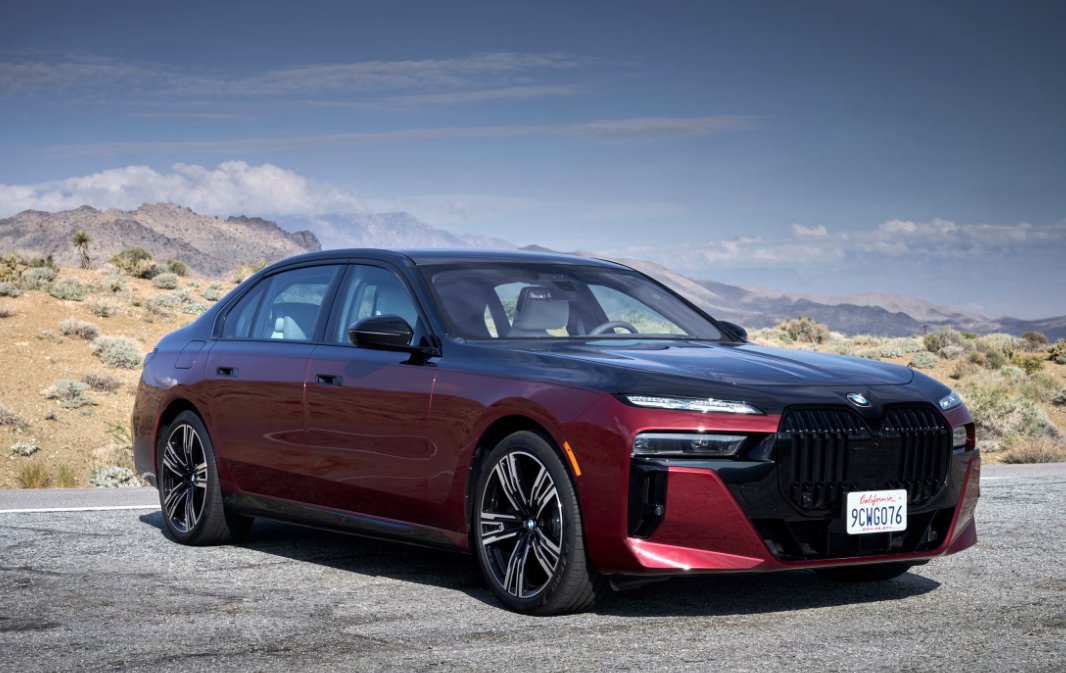
- Engine: 3.0L turbocharged inline-6 (740i)
- Horsepower: 375 hp
- Torque: 520 Nm
- Length: 5,391 mm
- Width: 1,950 mm
2. BMW 7 Series
The BMW 7 Series has long served as a technological showcase for the German automaker, and its anti-theft systems are no exception. Modern versions include highly sophisticated immobilizer technology integrated into the vehicle’s electronic control units.
BMW uses encrypted communication between the key fob, engine computer, transmission control module, and immobilizer system. If any authentication sequence fails, the engine management system disables fuel injection and ignition operation automatically.
BMW’s factory immobilizer systems are deeply integrated into the vehicle’s architecture, making them difficult to bypass even for experienced thieves. Earlier car theft methods that involved physically manipulating the ignition cylinder became largely ineffective once these encrypted systems were introduced.
Today’s BMW systems rely heavily on rolling encryption codes that constantly change communication patterns between the key and vehicle.
Another interesting layer is BMW ConnectedDrive technology. Certain markets allow owners to remotely locate and interact with the vehicle through connected services. If theft is suspected, authorities can coordinate with BMW’s systems to assist in tracking and immobilization procedures. This creates a secondary level of theft protection beyond physical key authentication.
BMW also includes interior motion sensors and tilt sensors in many 7 Series models. These systems detect unusual movement such as towing attempts or unauthorized cabin entry. If suspicious activity occurs, the vehicle can trigger alarms while simultaneously locking down electronic systems that are essential for operation. This hidden defensive strategy makes the car significantly harder to steal quietly.
The 7 Series remains a popular target among organized theft groups because of its luxury status and export value. However, BMW’s evolving security architecture has made successful theft increasingly difficult without specialized electronic equipment.
Even when thieves gain temporary access, bypassing the integrated immobilizer network often requires advanced knowledge and expensive tools unavailable to casual criminals.
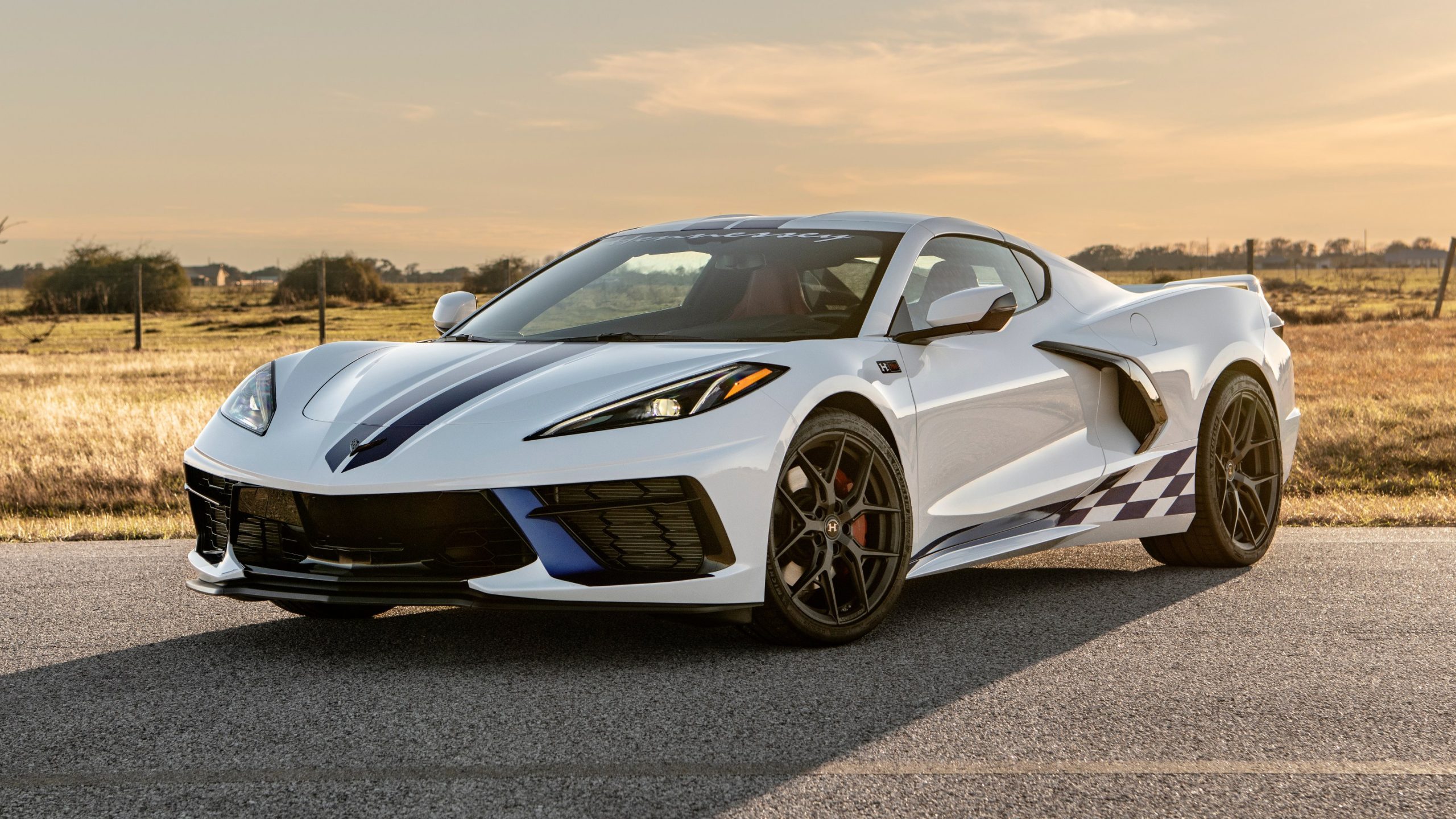
- Engine: 6.2L V8 (naturally aspirated)
- Horsepower: 490 hp (495 with performance exhaust)
- Torque: 637 Nm
- Length: 4,630 mm
- Width: 2,025 mm
3. Chevrolet Corvette C8
The mid-engine Chevrolet Corvette C8 introduced not only radical design changes but also substantial improvements in electronic security. General Motors implemented a sophisticated immobilizer system that communicates directly with the engine control module before startup authorization occurs. Without the proper encrypted key signal, the car’s systems refuse to enable fuel delivery and ignition functions.
One hidden security advantage of the Corvette C8 lies in its electronically controlled architecture. Modern Corvettes rely heavily on networked modules that communicate over encrypted channels. If one module detects irregular authentication data, startup procedures can be interrupted instantly. This interconnected design creates multiple verification checkpoints before the car becomes drivable.
General Motors also offers OnStar services, which include vehicle tracking and remote slowdown functionality in certain situations. If the vehicle is reported stolen and law enforcement confirms pursuit conditions are safe, authorized personnel may remotely reduce engine power and eventually bring the vehicle to a stop.
This capability acts as a powerful hidden kill switch that extends beyond local hardware and into connected telematics infrastructure.
The Corvette’s keyless entry system also incorporates anti-relay attack measures designed to reduce unauthorized signal amplification attempts. While no system is completely immune to sophisticated attacks, Chevrolet continuously updates software protocols to improve resistance against modern electronic theft techniques.
The company recognized early that high-performance sports cars attract organized theft rings, making strong digital security essential.
Enthusiasts often focus on the Corvette’s horsepower and performance figures, but its anti-theft systems represent some of the most advanced security technology ever installed in an American sports car. The hidden nature of these protections means many owners never fully appreciate how many electronic safeguards operate silently every time they start the vehicle.
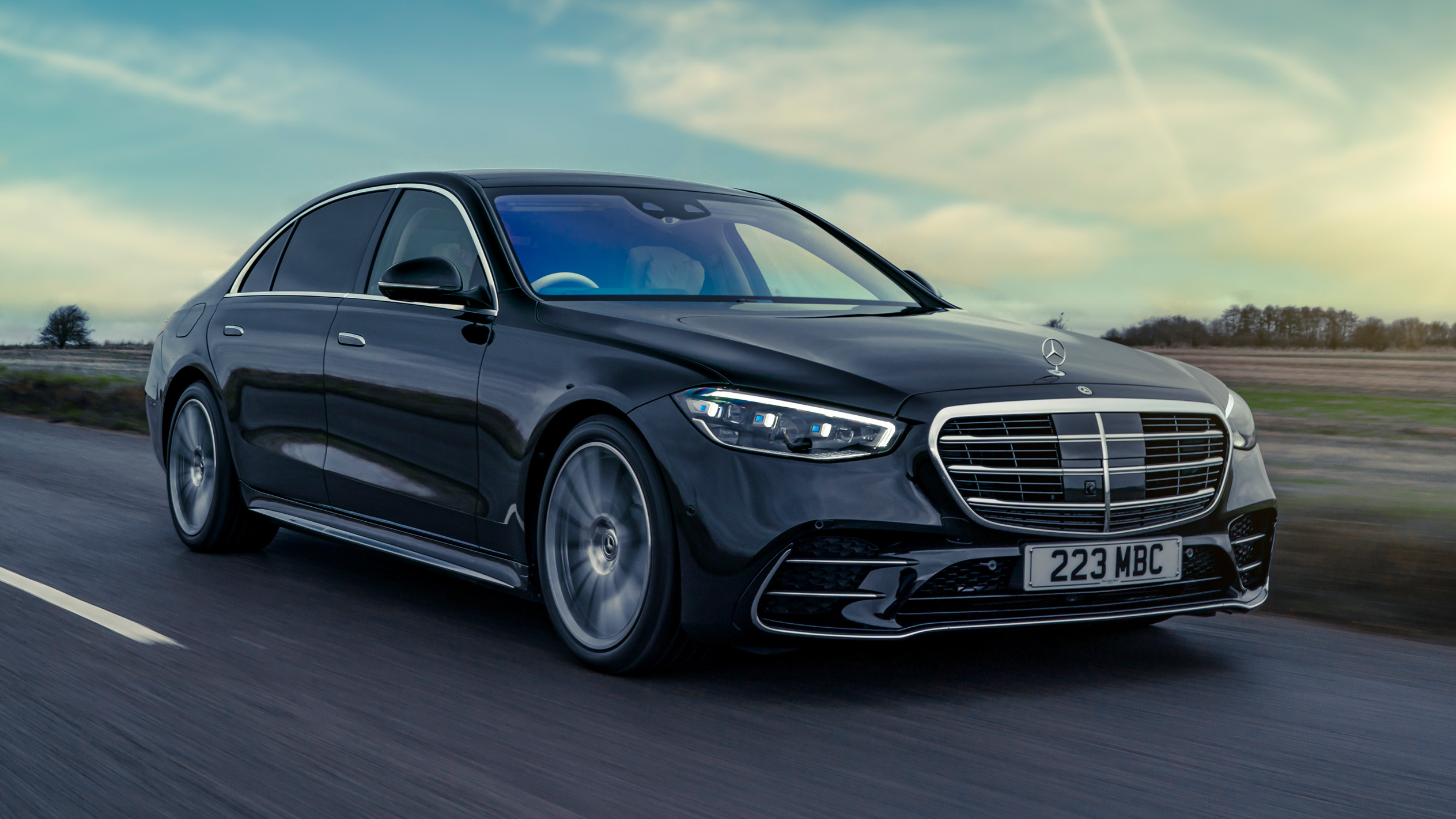
- Engine: 3.0L turbo inline-6 mild hybrid
- Horsepower: 429 hp
- Torque: 700 Nm
- Length: 5,179 mm
- Width: 1,954 mm
4. Mercedes-Benz S Class
The Mercedes-Benz S-Class has consistently pioneered automotive technology, including sophisticated security systems designed to prevent unauthorized use.
Modern S-Class models incorporate advanced immobilizer technology tied directly to encrypted key authentication and multiple onboard control units. If authentication fails at any point, the vehicle disables core operational systems and prevents engine startup.
Mercedes also integrates advanced steering lock communication systems that work alongside the ignition authorization process. If irregularities are detected, the electronic steering lock may remain engaged while the ignition systems stay disabled. This dual-layer immobilization makes physical theft significantly more difficult compared to older mechanical systems.
One feature in some Mercedes vehicles is the ability to remotely interact with vehicle security through connected services. Owners can monitor vehicle location, receive theft alerts, and in some regions coordinate with authorities to assist recovery efforts. These connected capabilities effectively extend the factory kill switch concept into cloud-based vehicle management.
Mercedes engineers also focus heavily on anti-tampering measures within the vehicle’s electronic systems. Modules are encrypted and paired to specific vehicle identities, making component swapping and unauthorized reprogramming far more challenging.
Even if thieves replace one control unit, other modules may reject communication because authentication chains no longer match factory coding.
Luxury vehicle theft remains a global problem, particularly for flagship sedans like the S-Class. However, Mercedes continues refining its layered security strategy by combining physical barriers, encrypted digital communication, and connected telematics. The result is a sophisticated hidden immobilization network designed to frustrate both traditional thieves and modern electronic attackers.
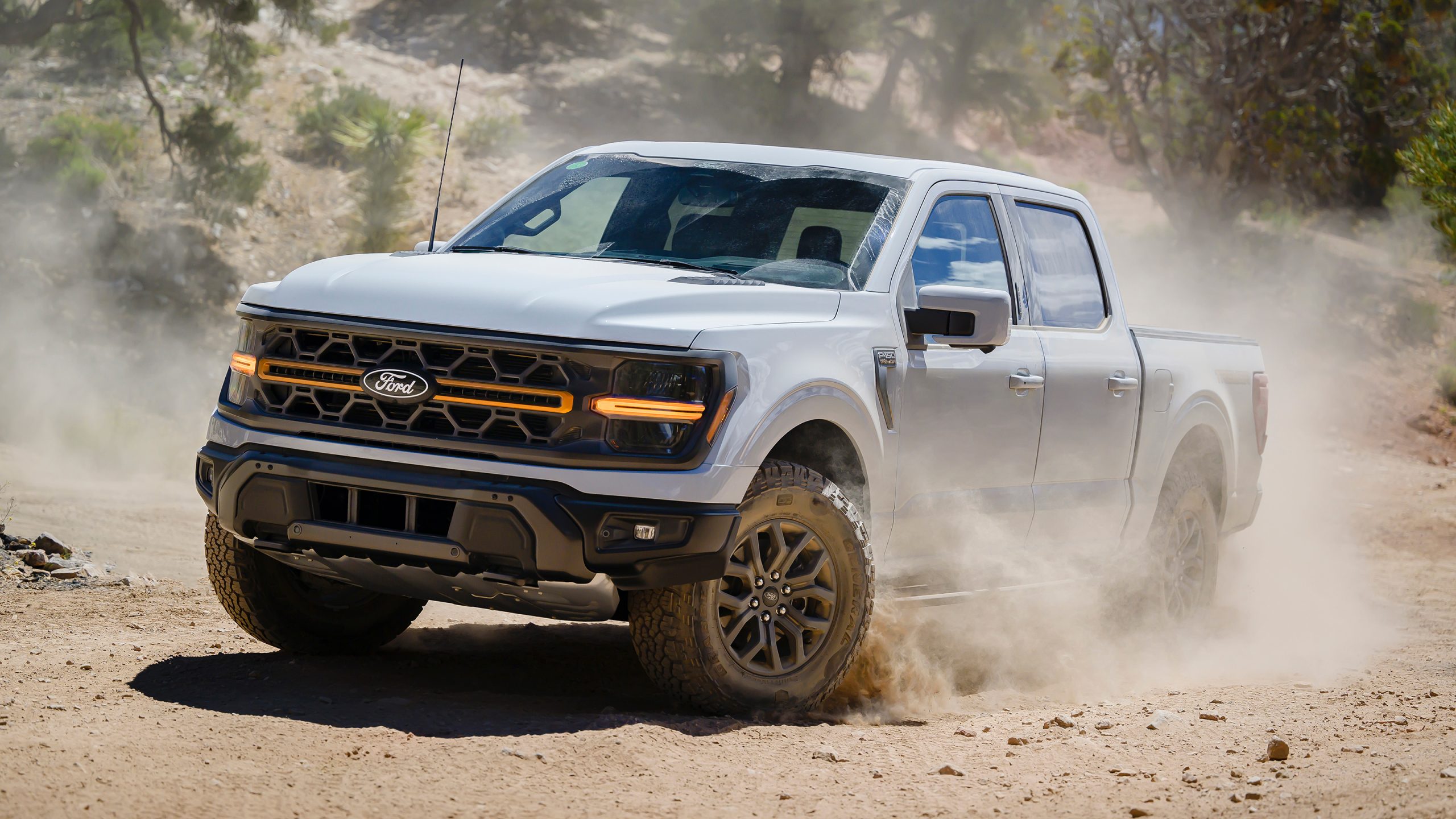
- Engine: 3.5L EcoBoost V6
- Horsepower: 400 hp
- Torque: 678 Nm
- Length: ~5,316–6,311 mm
- Width: 2,029 mm
5. Ford F-150
The Ford F-150 may not initially seem like a vehicle associated with hidden factory kill switches, but modern versions contain highly effective immobilizer technology integrated into Ford’s Passive Anti-Theft System. This system uses transponder keys containing unique identification chips that must match encrypted codes stored within the vehicle’s computer system before startup is allowed.
If authentication fails, the engine may crank briefly, but fuel delivery and ignition timing remain disabled. This hidden kill switch functionality prevents hot-wiring methods that were once common in older trucks.
Since the F-150 is one of the most stolen vehicles in North America due to its popularity and parts demand, Ford has invested heavily in improving electronic security systems over multiple generations.
Ford also offers connected vehicle services that allow owners to track location data and interact with certain security functions remotely. In fleet applications, additional immobilization capabilities may be integrated through telematics systems that can restrict unauthorized operation under specific conditions.
Modern F-50 models include advanced alarm systems with perimeter sensors, hood monitoring, and intrusion detection. If suspicious activity is detected, electronic modules can trigger security responses that complicate theft attempts significantly. These systems work quietly in the background and are rarely noticed during normal daily operation.
The transition from mechanical ignition systems to encrypted digital authentication transformed truck security dramatically.
Today’s F-150 combines rugged physical engineering with sophisticated electronic immobilization systems that make unauthorized startup far more difficult than in previous decades. For many thieves, bypassing the modern anti-theft network requires technical expertise well beyond traditional methods.
Also Read: 10 Honda Cars Cheaper In Japan Than in the USA
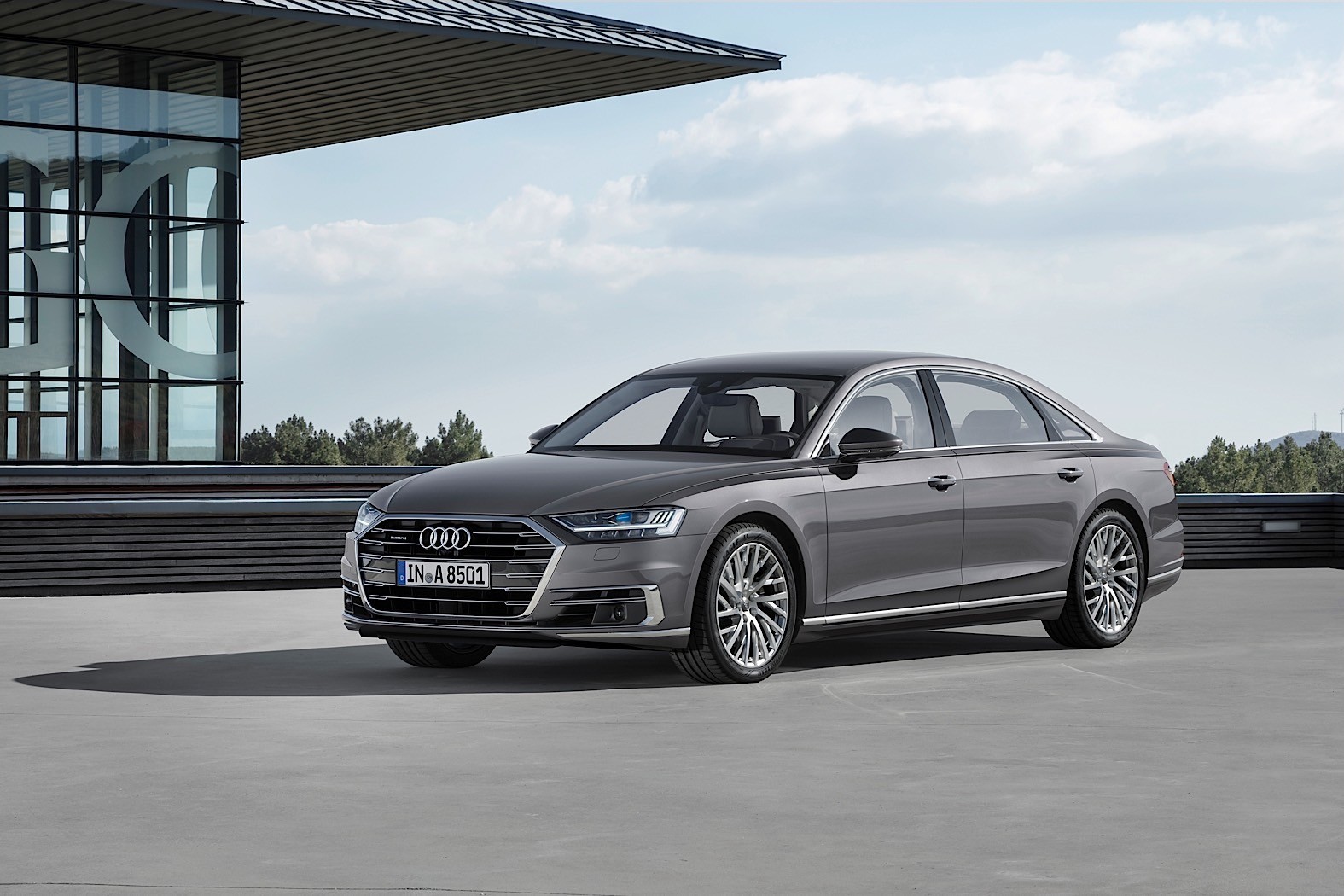
- Engine: 3.0L turbo V6
- Horsepower: 335 hp
- Torque: 500 Nm
- Length: 5,172 mm
- Width: 1,945 mm
6. Audi A8
The Audi A8 combines luxury and advanced engineering with an impressively complex security system architecture. Audi uses encrypted immobilizer communication between the key, instrument cluster, engine control unit, and transmission systems. All these components must validate one another before startup authorization is granted.
Audi’s immobilizer technology evolved significantly through the years as vehicle theft techniques became more sophisticated. Modern systems employ rolling encryption codes and challenge-response authentication methods that constantly change digital communication patterns. This makes cloning or replay attacks considerably harder compared to static code systems.
The A8 also benefits from Volkswagen Group’s extensive cybersecurity development efforts. Software engineers continuously refine electronic protections to address emerging threats such as key signal amplification and module hacking. The hidden nature of these updates means many improvements occur without owners even realizing their vehicle has become more secure over time.
Connected services further enhance the vehicle’s anti-theft capabilities. Certain configurations allow remote monitoring, theft alerts, and emergency assistance integration. If suspicious activity occurs, owners may receive immediate notifications while location tracking assists recovery efforts.
Audi’s layered approach reflects the reality that luxury sedans remain high-priority targets for organized criminal networks. Instead of relying on a single immobilizer component, the A8 distributes security responsibilities across multiple interconnected systems.
This redundancy creates a hidden kill switch network that becomes increasingly difficult to defeat as thieves encounter multiple authentication barriers simultaneously.
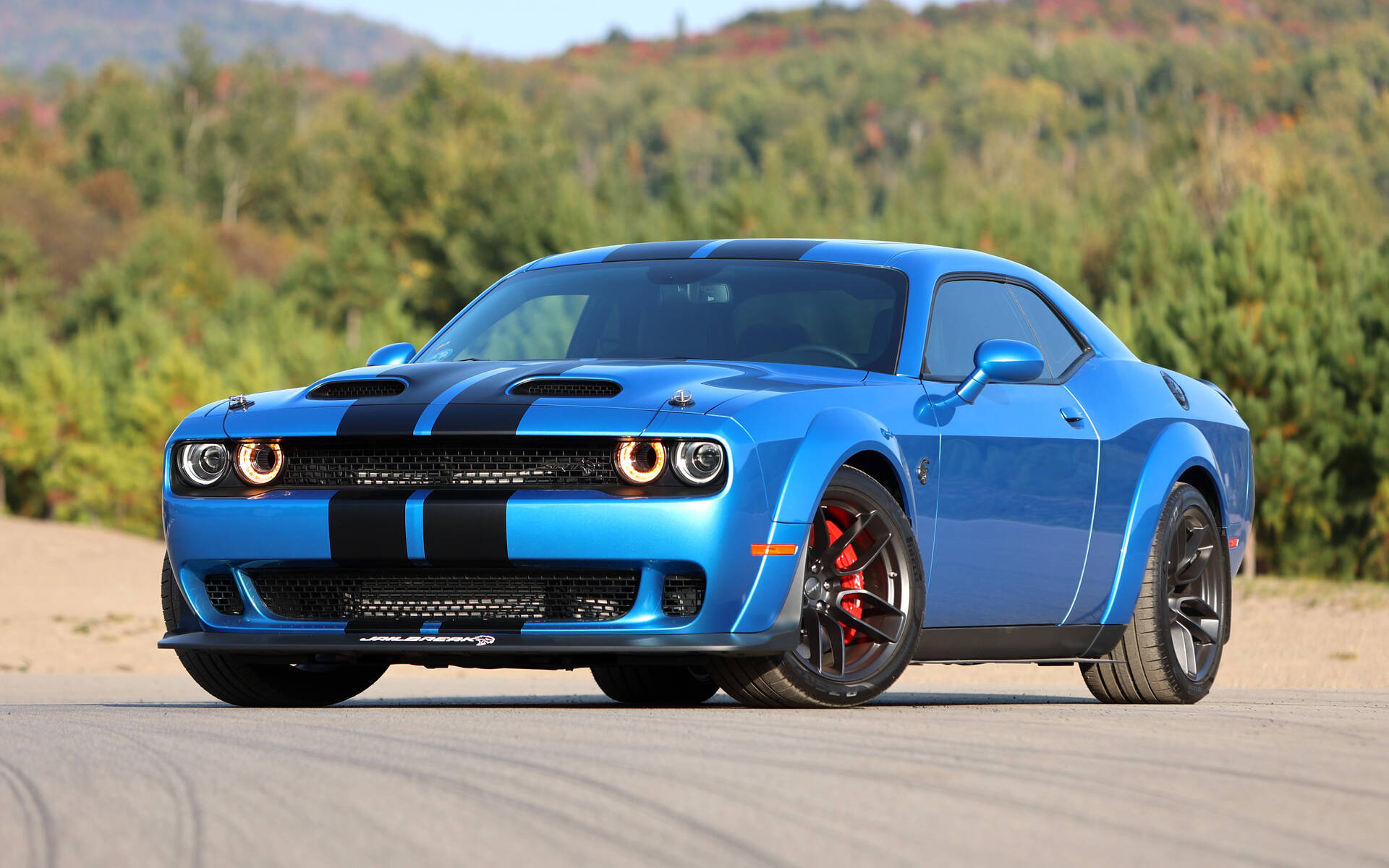
- Engine: 6.2L supercharged V8
- Horsepower: 717 hp
- Torque: 881 Nm
- Length: 5,027 mm
- Width: 1,923 mm
7. Dodge Challenger Hellcat
The Dodge Challenger Hellcat is one of the most targeted performance cars in North America due to its powerful engine and high resale value. In response to increasing theft rates, Dodge implemented several advanced security measures that effectively function as hidden factory kill switches.
One of the most talked about features is Valet Mode, which significantly limits engine power and restricts vehicle performance. While originally designed for parking attendants and service situations, the system also adds a layer of theft deterrence. Without the correct activation sequence, thieves may find themselves unable to access the car’s full capabilities.
More recent Hellcat models include enhanced security software updates specifically aimed at preventing unauthorized key programming. Thieves previously exploited vulnerabilities that allowed them to program new key fobs rapidly. Dodge responded by requiring additional authentication procedures before key enrollment can occur.
The immobilizer system itself uses encrypted communication between the key and onboard control modules. If authentication fails, ignition and fuel systems remain disabled. Dodge also introduced a feature requiring a personal identification code before enabling full engine output in some performance models. This effectively creates another hidden operational barrier.
Owners of high-horsepower muscle cars often add aftermarket security systems, but many are unaware of how much factory protection already exists within the Hellcat’s electronics. Dodge recognized the growing threat posed by organized theft rings and adapted its factory systems accordingly, making newer Hellcats significantly harder to steal than earlier generations.
- Engine: 3.5L twin-turbo V6
- Horsepower: 416 hp
- Torque: 600 Nm
- Length: 5,235 mm
- Width: 1,900 mm
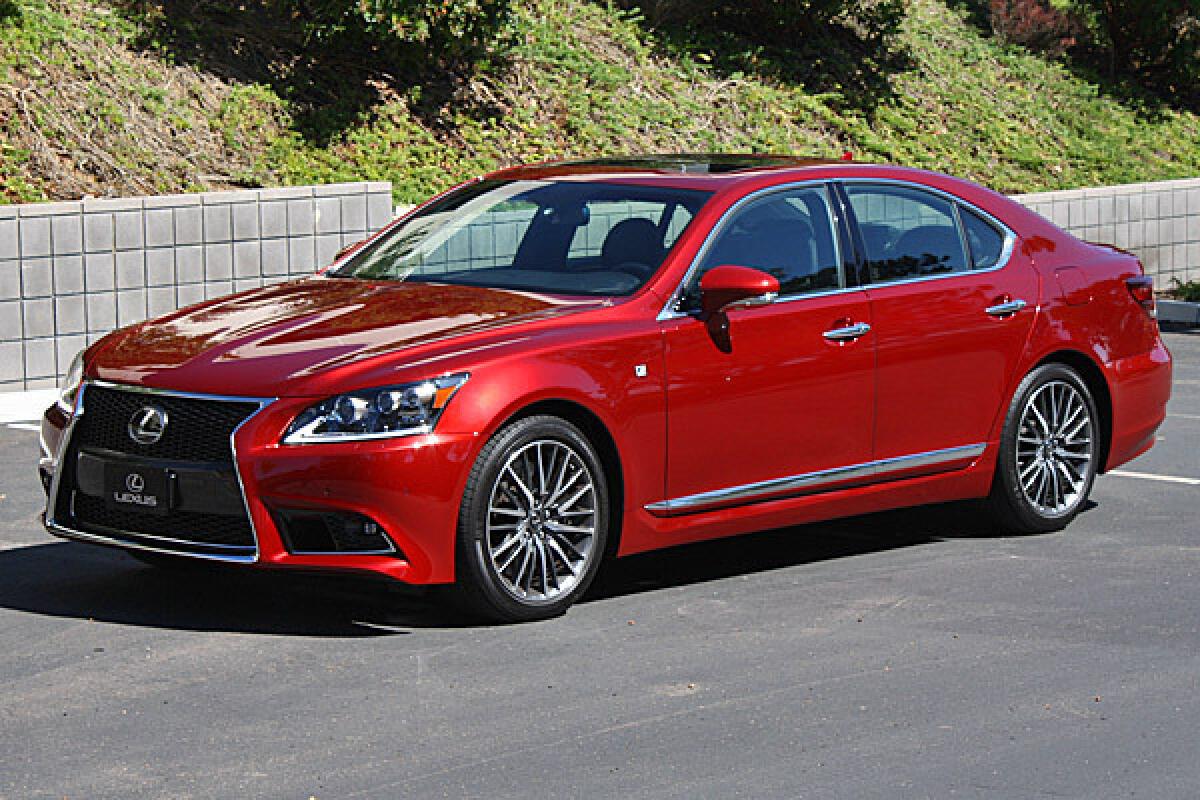
8. Lexus LS
Lexus built its reputation on reliability and refinement, but the flagship Lexus LS also incorporates highly sophisticated anti-theft technology. Toyota’s immobilizer systems are widely respected for their reliability and security integration. The LS uses encrypted transponder authentication linked directly to engine management systems before startup authorization occurs.
One hidden strength of Lexus security systems is their conservative but robust software architecture. Toyota engineers prioritize long-term reliability and stability, which reduces the likelihood of exploitable software vulnerabilities. This careful engineering philosophy contributes to the effectiveness of the immobilizer network.
Many Lexus LS models also feature advanced intrusion sensors, glass break detection, and intelligent key verification systems. If irregular behavior is detected, multiple electronic systems coordinate to restrict operation and activate alarms. These responses occur automatically and often without visible indicators to potential thieves.
Connected services available in newer Lexus vehicles provide additional protection through vehicle tracking and emergency support integration. If theft occurs, owners can coordinate with authorities using real-time location information to improve recovery chances.
While not always marketed as kill switch technology, these integrated systems contribute to a broader immobilization and recovery strategy.
The Lexus LS demonstrates how subtle engineering refinement can produce highly effective security outcomes. Instead of flashy marketing, Lexus focuses on deeply integrated systems that operate reliably under all conditions. This quiet effectiveness makes the LS one of the more secure luxury sedans on the road today.
- Engine: 3.0L inline-6 turbo mild hybrid
- Horsepower: 395 hp
- Torque: 550 Nm
- Length: 5,052 mm
- Width: 2,005 mm
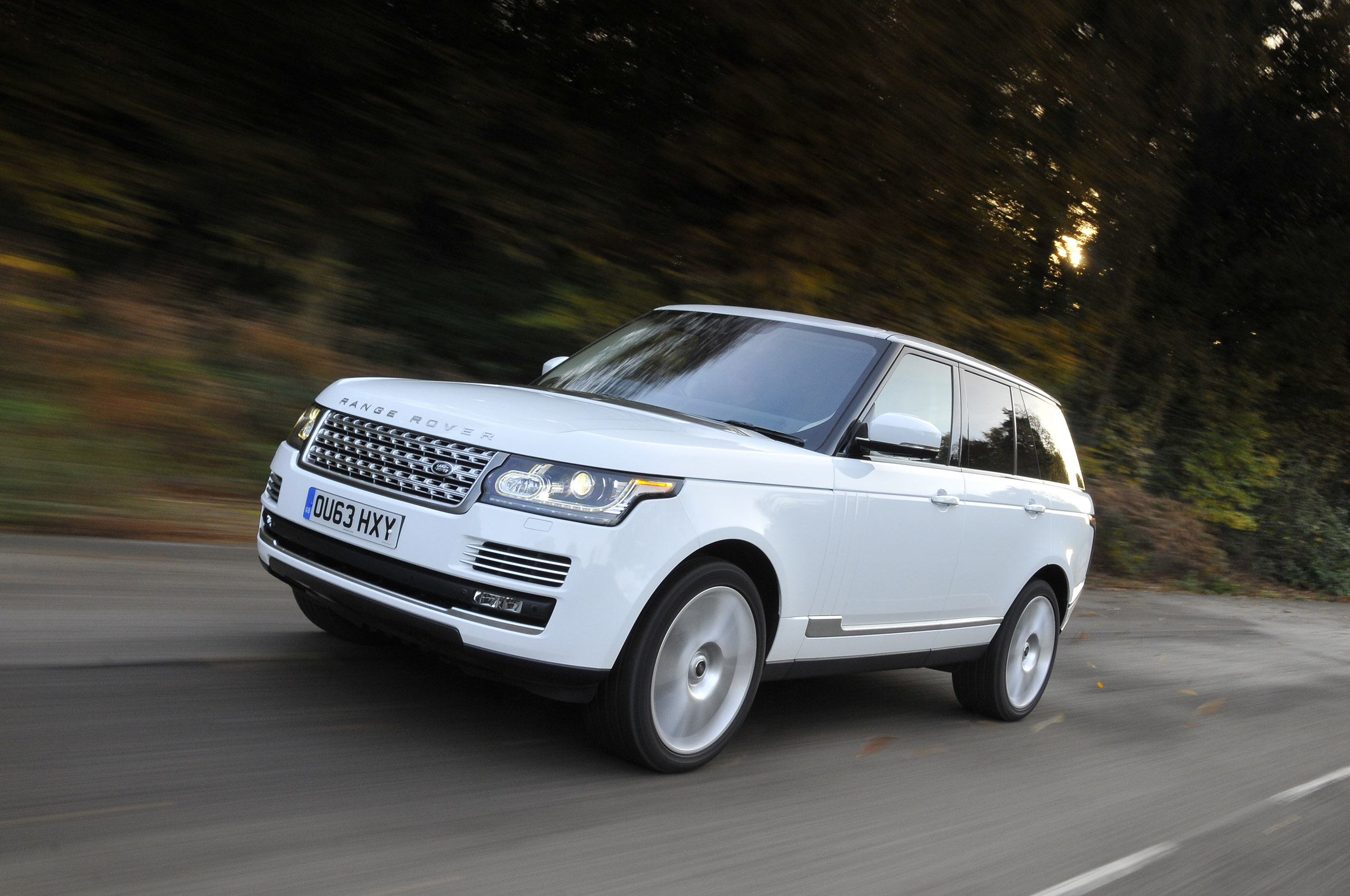
9. Range Rover
Range Rover vehicles are among the most stolen luxury SUVs globally, largely because of their desirability and export demand. In response, Land Rover has continuously upgraded its factory anti-theft systems with increasingly sophisticated immobilization technology.
Modern Range Rover models feature encrypted key communication, motion sensing technology, and ultra-wideband anti-relay protection. These systems help prevent thieves from amplifying key signals from inside homes, a tactic commonly used against keyless entry vehicles. If unauthorized access attempts are detected, engine startup authorization can be denied automatically.
Land Rover also introduced Guardian Mode and advanced telematics integration in many markets. Owners receive notifications if suspicious activity occurs around the vehicle, including unauthorized movement or towing attempts. These connected systems extend vehicle security beyond physical proximity.
The hidden immobilization architecture within Range Rover vehicles involves multiple control units validating authorization data before enabling operation. This layered strategy reduces the effectiveness of simple electronic bypass tools that may work against less sophisticated vehicles.
Because Range Rovers remain prime theft targets, Land Rover treats cybersecurity as an ongoing development priority. Security software updates and hardware revisions are regularly implemented to address evolving criminal techniques. While no vehicle is impossible to steal, newer Range Rover systems are substantially more resistant than earlier generations.
- Engine: 6.2L V8
- Horsepower: 420 hp
- Torque: 623 Nm
- Length: 5,382 mm
- Width: 2,060 mm
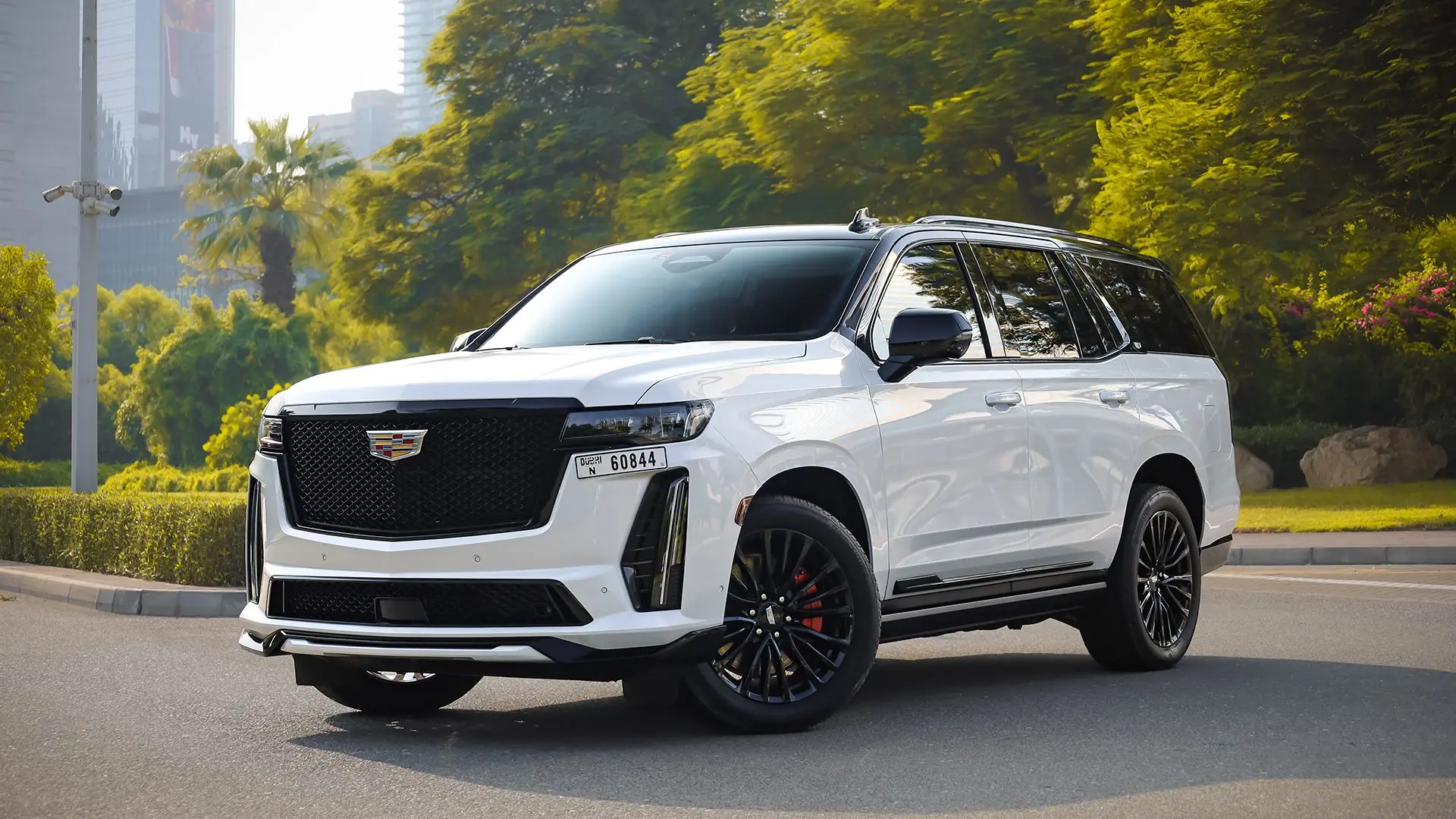
10. Cadillac Escalade
The Cadillac Escalade has long been associated with luxury, status, and, unfortunately, high theft rates. General Motors responded by equipping modern Escalades with advanced factory immobilizer systems and connected anti-theft technology designed to act as hidden kill switches when necessary.
The Escalade’s immobilizer communicates with encrypted transponder keys and multiple onboard modules before startup authorization occurs. If authentication fails, critical engine functions remain disabled. This prevents traditional theft methods that relied on ignition manipulation or hot wiring.
One major advantage for Escalade owners is OnStar integration. In theft situations, authorized personnel may track the vehicle in real time and assist law enforcement with remote slowdown capabilities. This system can gradually reduce engine power and immobilize the vehicle under controlled circumstances. Such capabilities represent one of the clearest examples of a modern factory-integrated kill switch.
Cadillac also incorporates intrusion detection systems, motion sensors, and advanced alarm technology into newer Escalade models. These systems coordinate electronically to identify suspicious behavior and initiate protective responses automatically. Combined with GPS tracking, they significantly improve the chances of vehicle recovery.
The Escalade illustrates how modern luxury SUVs blend traditional physical security with cloud-connected digital protection. Factory kill switch systems are no longer limited to simple ignition interruption. They now involve entire ecosystems of encrypted communication, remote monitoring, and telematics integration working together to protect the vehicle from increasingly sophisticated threats.
