
Rural mail carriers who operate under the United States Postal Service (USPS) Rural Carrier Associate (RCA) or Rural Carrier (Regular) roles face a very different driving environment compared to urban postal workers. Unlike city carriers who are typically provided with government-owned delivery vehicles, rural carriers are often required to use their own personal vehicles to complete daily mail routes.
This unique system makes vehicle selection one of the most important decisions in the profession, as the wrong choice can lead to higher maintenance costs, fatigue, inefficiency, and long-term mechanical damage.
Rural delivery routes are often long, sometimes exceeding 50 to 100 miles per day, and involve frequent stops at curbside mailboxes. This stop-and-go pattern places constant strain on engines, brakes, transmissions, and suspension systems.
Additionally, rural roads can vary dramatically in quality, ranging from paved highways to gravel paths, dirt roads, and poorly maintained farm access routes. Weather conditions also play a significant role, with snow, mud, and heavy rain making traction and stability critical considerations. As a result, rural mail carriers need vehicles that are not only fuel-efficient but also durable, easy to maintain, and capable of handling mixed terrain without frequent breakdowns.
Another major factor is right-hand accessibility. Many rural routes are designed for curbside delivery, meaning carriers must frequently reach mailboxes on the passenger side without exiting the vehicle. This has led to strong demand for right-hand drive configurations or adaptable vehicles that allow safe “straddle driving” techniques.
Over time, many carriers have shifted toward SUVs, vans, and imported right-hand drive vehicles that offer better visibility, cargo space, and ergonomic access.
Fuel economy is equally important because carriers are reimbursed through an Equipment Maintenance Allowance (EMA), which is intended to cover fuel and maintenance costs. However, the effectiveness of this reimbursement depends heavily on the efficiency of the chosen vehicle. Poor fuel economy can significantly reduce a carrier’s net earnings, especially on longer rural routes.
In this article, we explore the 10 best vehicles for rural mail carriers who drive their own cars. Each option is evaluated based on reliability, fuel efficiency, cargo capacity, maintenance costs, terrain capability, and suitability for postal delivery work. Whether you are a new RCA preparing for your first route or an experienced carrier looking to upgrade your delivery vehicle, this guide will help you make an informed, practical, and cost-effective decision that aligns with the demanding realities of rural mail delivery.
ALSO READ: 8 Smells in a Used Car That Cost Thousands to Fix Later
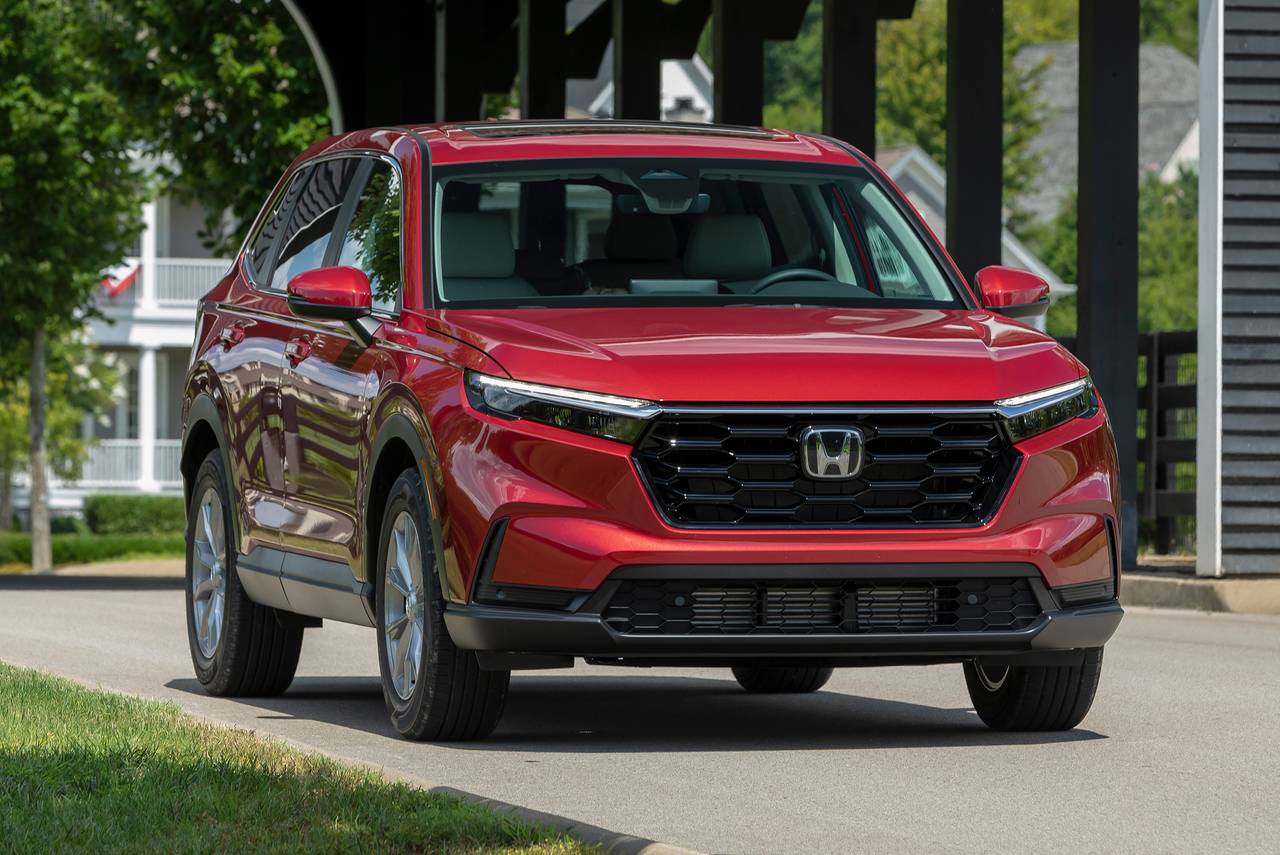
1. Honda CR-V
The Honda CR-V is often considered the benchmark vehicle for rural mail carriers because it consistently delivers a rare combination of practicality, efficiency, and long-term reliability. For carriers who spend years on rural routes with high daily mileage, the CR-V stands out as a vehicle that can withstand constant stop-and-go driving without significant mechanical decline.
Its engine is engineered to handle repetitive stress conditions, which makes it especially well-suited for postal delivery work where braking and acceleration occur hundreds of times per day.
Another important advantage of the CR-V is its suspension tuning. Rural routes frequently include uneven pavement, gravel stretches, and rural farm access roads. The CR-V absorbs these irregularities well, reducing driver fatigue over long shifts. This comfort factor is often overlooked, but for rural mail carriers who may spend six to ten hours on the road daily, reduced physical strain can significantly improve productivity and safety.
The interior layout is also highly functional for mail delivery operations. The rear cargo area is flat, wide, and easy to organize, which allows carriers to arrange mail trays in a structured manner for faster access at each stop. The low loading height reduces repetitive strain injuries, especially when handling heavy parcels or bulk mail during peak delivery seasons.
Fuel efficiency is another reason the CR-V dominates rural carrier recommendations. Even older models maintain respectable mileage, and newer versions improve this further with turbocharged and hybrid options. This helps carriers manage fuel expenses under the Equipment Maintenance Allowance system, where every mile directly affects net earnings.
Long-term maintenance cost is another strong point. The CR-V is widely serviced across rural and urban areas, meaning parts are easy to source and repairs are generally affordable. This reduces downtime and ensures carriers can remain operational even in remote regions without specialized repair facilities.
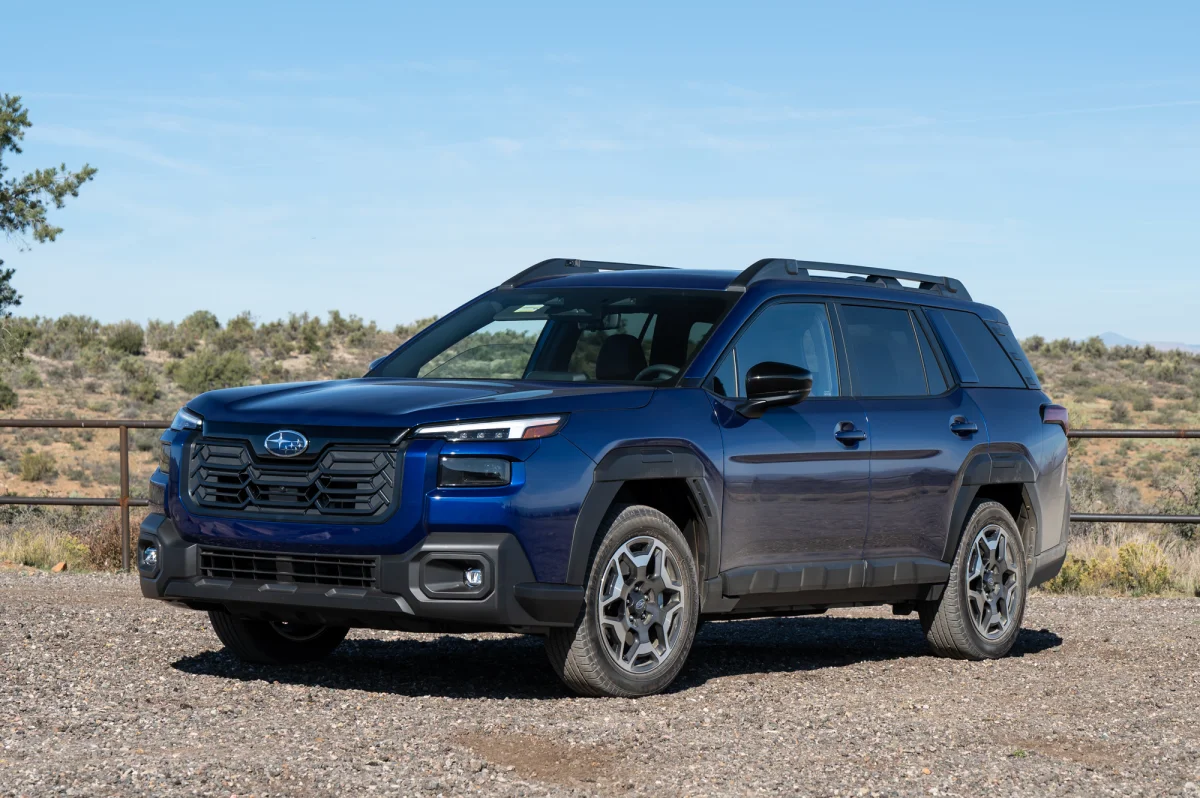
2. Subaru Outback
The Subaru Outback is one of the most dependable all-weather vehicles for rural mail carriers, particularly those operating in regions with harsh winters, heavy rainfall, or mixed terrain conditions. Its symmetrical all-wheel-drive system provides consistent traction across all four wheels, which significantly improves stability on slippery surfaces such as snow-covered roads or muddy rural paths.
One of the most valuable aspects of the Outback is its ground clearance. Unlike many compact SUVs, the Outback sits higher off the ground, allowing it to navigate uneven rural terrain without risking damage to the underbody. This is especially useful for mail carriers who must travel on unpaved farm roads or poorly maintained county routes where potholes and dips are common.
Driver visibility is another strong advantage. The Outback is designed with large windows and an elevated seating position, giving carriers a clear view of roadside mailboxes, pedestrians, livestock, and oncoming vehicles. This improved visibility enhances safety and reduces the risk of missed deliveries or roadside hazards.
Cargo flexibility is also a key strength. The rear hatch opens wide and low, making it easy to load and unload mail bins repeatedly throughout the day. The flat-folding rear seats allow carriers to maximize cargo space, which is particularly useful during peak mailing periods such as holidays when package volume increases significantly.
Durability is another reason rural carriers trust the Outback. Subaru engines are known for long service life when properly maintained, and many carriers report high-mileage usage without major engine failures. Combined with its all-weather capability and comfortable interior, the Outback is an excellent long-term investment for rural delivery work.
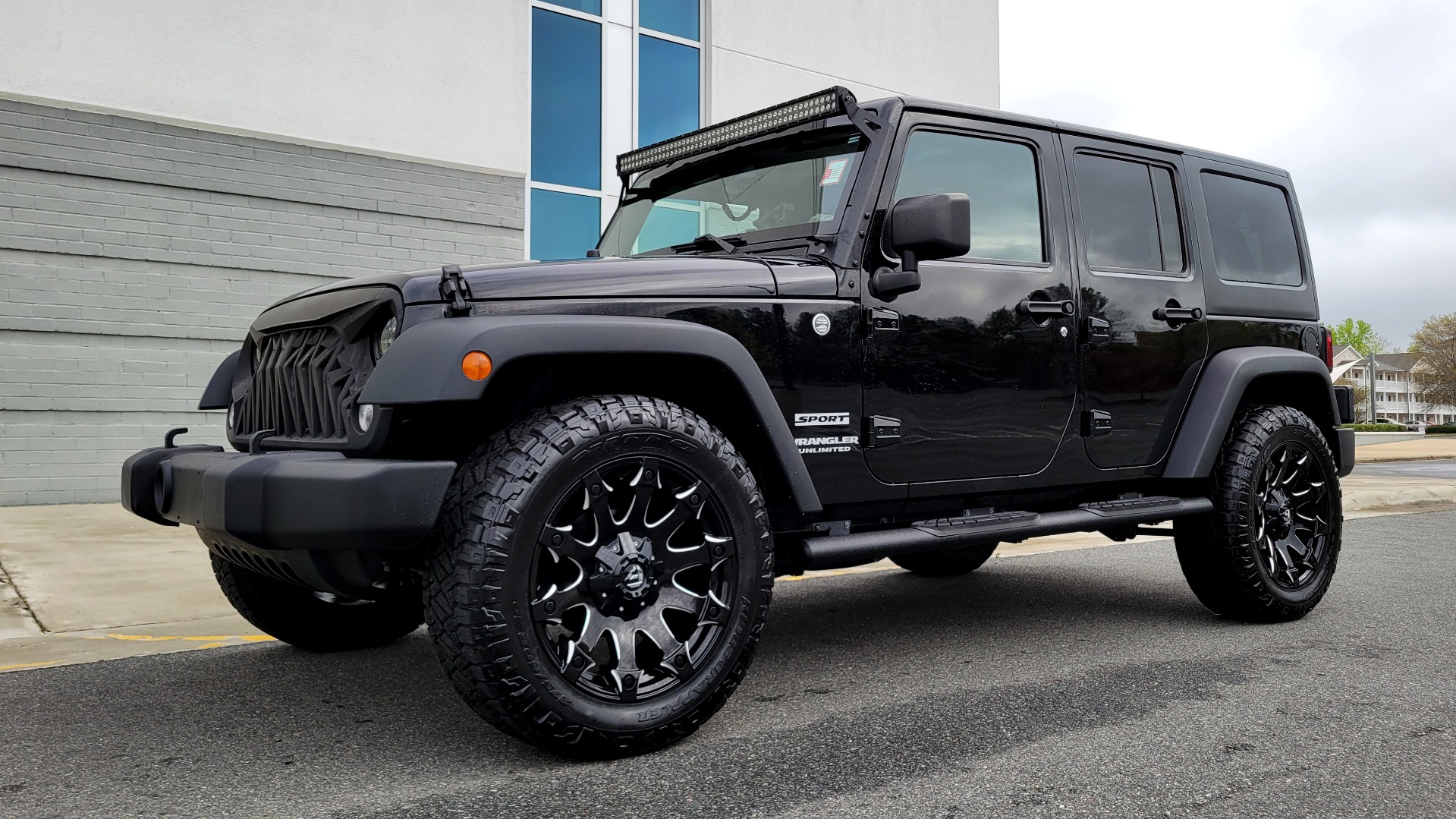
3. Jeep Wrangler Unlimited
The Jeep Wrangler Unlimited is designed for extreme durability and off-road capability, making it a unique but highly effective option for rural mail carriers operating in difficult terrain conditions. Unlike most standard SUVs, the Wrangler is built on a body-on-frame platform, which gives it superior structural strength when traveling over rough or uneven surfaces.
One of its biggest strengths is its four-wheel-drive system with low-range gearing. This allows the vehicle to crawl over deep mud, snow, gravel, and steep inclines without losing traction. For rural carriers who operate in mountainous or poorly maintained regions, this capability can be essential for completing routes consistently regardless of weather conditions.
The Wrangler’s design also allows for easier physical access to mailboxes. Many carriers take advantage of its upright seating position and removable doors, which make it easier to reach curbside mailboxes without constantly adjusting body position. This can improve efficiency during densely packed rural routes.
However, comfort is more basic compared to other vehicles on this list. The Wrangler prioritizes durability and off-road strength over luxury or smooth ride quality. As a result, long highway stretches or paved rural roads may feel less comfortable, especially during extended shifts.
Fuel efficiency is also lower than that of most compact SUVs, which is an important consideration for carriers managing high daily mileage. Despite this, many rural carriers still choose the Wrangler because it performs reliably in conditions where other vehicles might struggle or become stuck.
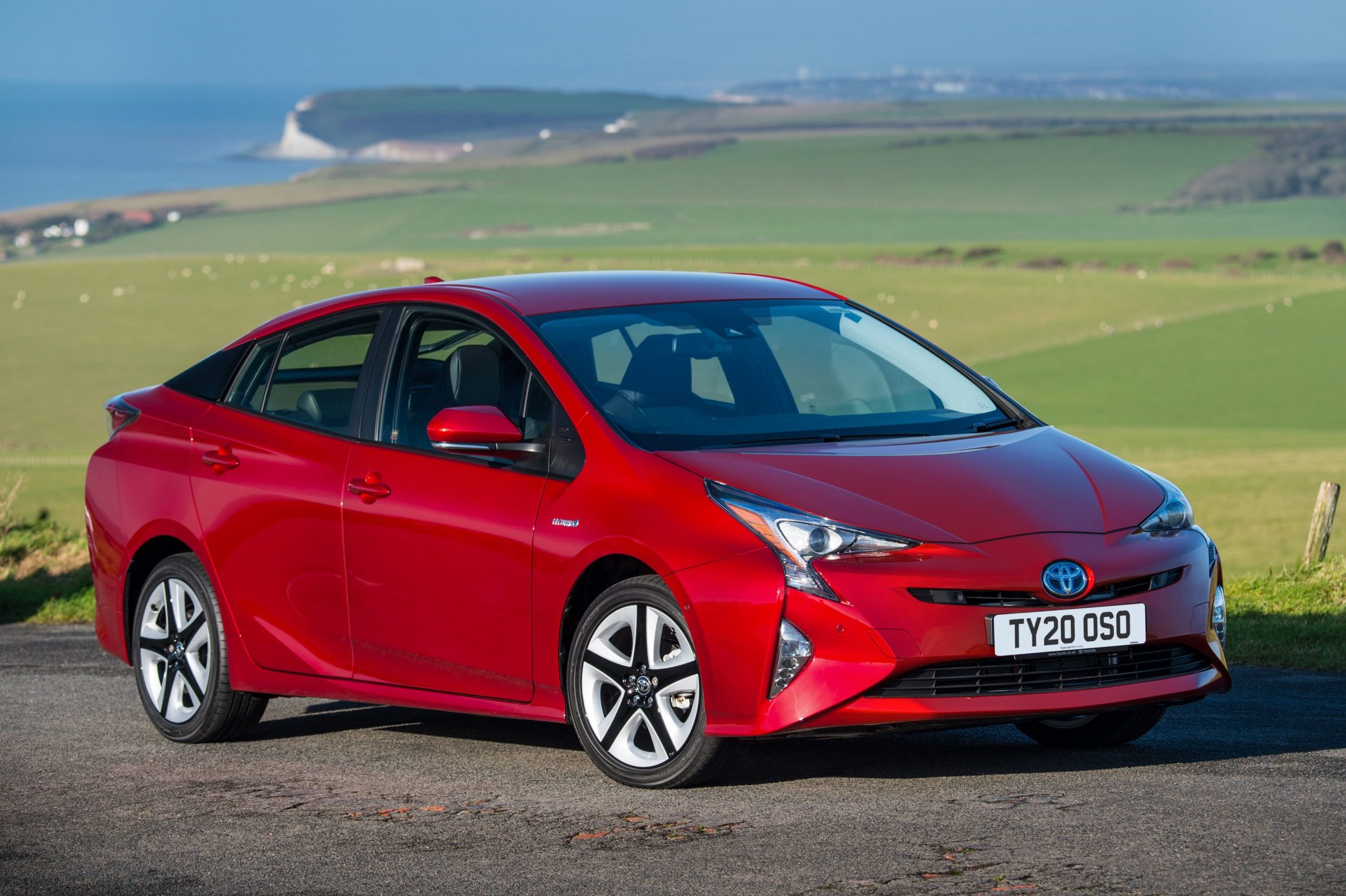
4. Toyota Prius
The Toyota Prius is widely recognized as one of the most fuel-efficient vehicles available, and it has become increasingly popular among rural mail carriers who prioritize operating cost reduction over off-road capability. Its hybrid powertrain is specifically designed for stop-and-go driving, which makes it ideal for postal delivery routes that involve frequent acceleration and braking.
One of the most important engineering features of the Prius is its regenerative braking system. Every time the vehicle slows down, energy is captured and stored in the battery, which helps reduce fuel consumption over time. This system is particularly effective in rural mail delivery scenarios where carriers may stop hundreds of times per shift.
Despite its compact design, the Prius offers a surprisingly usable cargo area. The rear hatch design allows for organized storage of mail trays, and the foldable rear seats provide flexibility for larger parcels. While it does not match the capacity of SUVs or vans, it is sufficient for standard rural delivery workloads.
Maintenance costs are also generally lower than average due to reduced wear on braking components and a simplified hybrid system design. Many carriers report that Prius vehicles maintain reliability even after extremely high mileage when regular servicing is performed.
However, the Prius is less suitable for rough rural roads. It performs best on paved or well-maintained routes, making it ideal for carriers whose territories are less terrain-intensive and more mileage-focused.
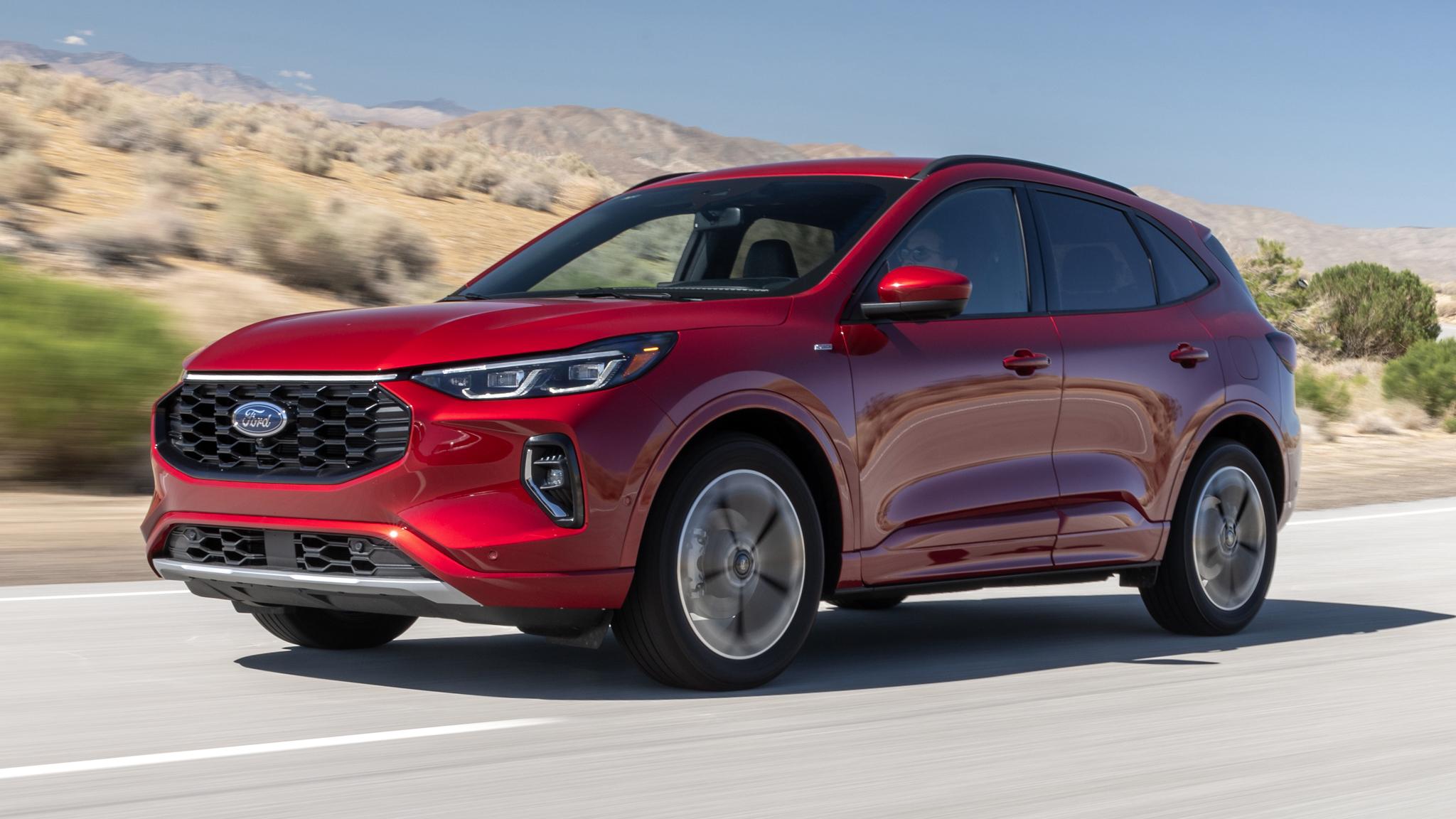
5. Ford Escape
The Ford Escape is a well-balanced compact SUV that offers rural mail carriers a combination of comfort, practicality, and adaptability. It is especially valued for its smooth driving dynamics, which help reduce fatigue during long delivery shifts that may last most of the day.
One of its strongest features is its suspension system, which is tuned to handle a variety of road conditions. Whether driving on paved rural highways or moderately rough gravel roads, the Escape maintains stability and comfort, which is essential for reducing physical strain over time.
Fuel efficiency is another important factor. The Escape performs well in both gasoline and hybrid configurations, giving carriers flexibility depending on their route demands and budget constraints. The hybrid version is particularly effective for stop-heavy rural routes where fuel consumption can otherwise become expensive.
Interior usability is also well designed for postal work. The cargo space is wide and easily accessible, allowing carriers to organize mail trays efficiently for quick retrieval. The rear seating configuration can also be adjusted to accommodate larger packages when necessary.
Finally, the Ford Escape benefits from the widespread availability of parts and service centers. This makes it a practical option for rural carriers who need a dependable vehicle with minimal downtime and easy access to repairs, even in less populated regions.
ALSO READ: 9 Cars That Survive New Drivers Without a Single Major Repair
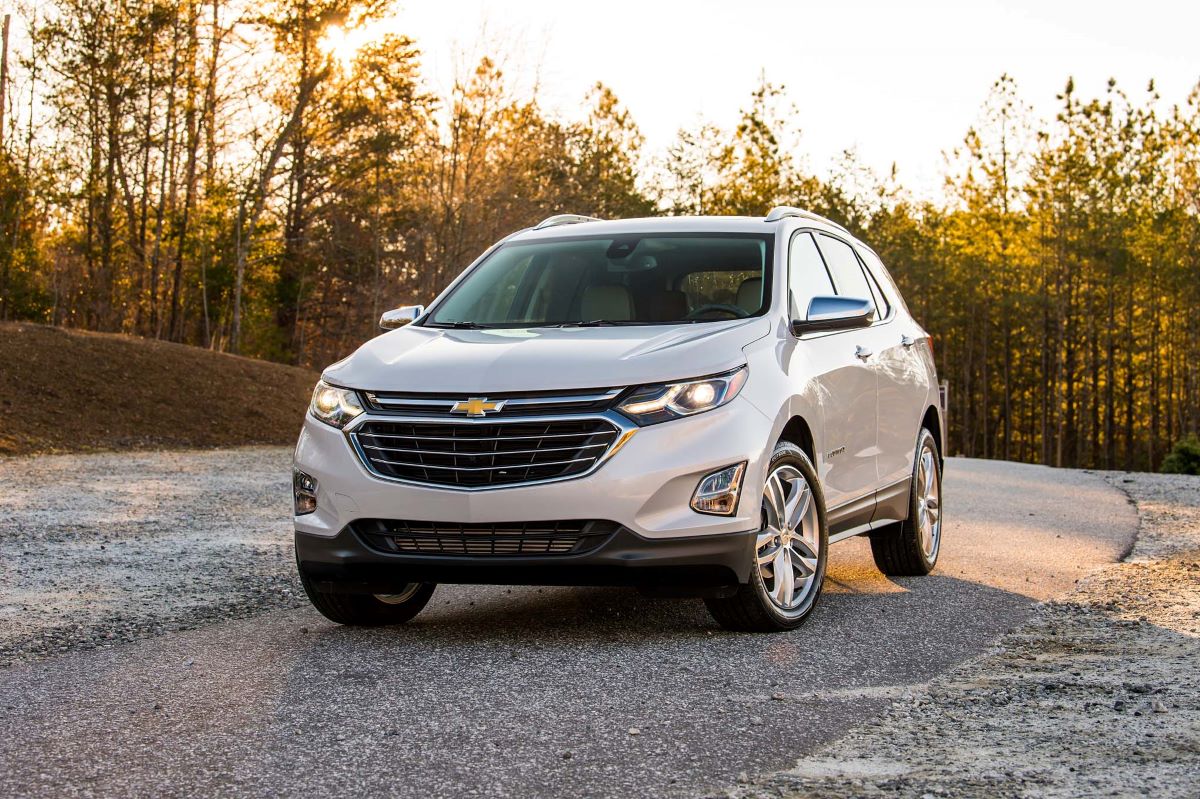
6. Chevrolet Equinox
The Chevrolet Equinox is a practical compact SUV that appeals to rural mail carriers who want a balance between affordability, comfort, and everyday reliability. It is not the most rugged vehicle on this list, but it performs consistently well in typical rural delivery conditions where roads are a mix of paved highways, small town streets, and moderately rough country routes. For carriers who prioritize smooth driving over extreme off-road capability, the Equinox is a dependable option.
One of the key strengths of the Equinox is its ride comfort. Rural mail carriers often spend long, uninterrupted hours on the road, and the Equinox’s suspension is tuned to absorb bumps and irregular road surfaces effectively. This helps reduce fatigue during long shifts, especially in routes that require repeated stops combined with stretches of driving between villages or farm clusters.
Fuel efficiency is another advantage, particularly in newer models. While not a hybrid-focused vehicle like the Prius or RAV4 hybrid, the Equinox still manages respectable mileage for its size. This makes it a reasonable option for carriers who want a mid-range SUV that does not heavily impact fuel expenses over time.
Cargo space is also designed with practicality in mind. The rear compartment is wide and easy to access, allowing mail carriers to load and unload trays quickly at each stop. The fold-flat rear seats provide additional flexibility, which can be useful during high-volume delivery periods when parcel loads increase significantly.
In terms of maintenance, the Equinox benefits from Chevrolet’s widespread service network. Replacement parts are relatively easy to find, and repairs are generally affordable compared to imported SUVs. This makes it a sensible entry-level choice for rural carriers who want a reliable vehicle without high ownership costs.
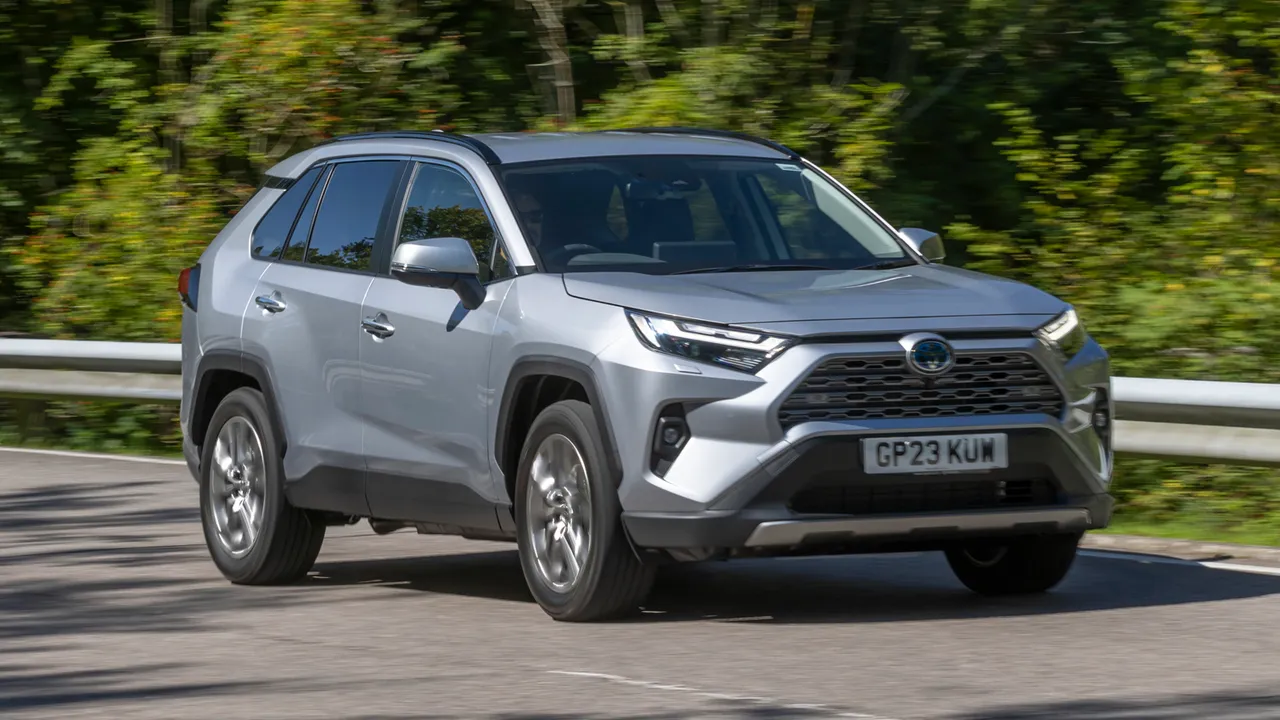
7. Toyota RAV4
The Toyota RAV4 is one of the most trusted vehicles among rural mail carriers due to its exceptional reliability, strong resale value, and well-rounded performance. It is widely considered a long-term investment vehicle, especially for carriers who plan to stay in rural delivery work for many years.
One of the most important advantages of the RAV4 is its durability under high mileage conditions. Rural mail carriers often accumulate tens of thousands of miles per year, and the RAV4 is known for maintaining mechanical stability even after prolonged heavy use. Its engine and transmission systems are engineered to withstand continuous stop-and-go driving, which is essential for postal delivery work.
Fuel efficiency is another major strength, particularly in hybrid versions. The RAV4 Hybrid offers excellent mileage for an SUV, making it highly cost-effective for long rural routes. This allows carriers to maximize their earnings under mileage-based reimbursement systems while still driving a spacious and capable vehicle.
Interior functionality is another key benefit. The cargo area is well designed for organization, with a flat load floor that accommodates mail trays efficiently. The wide rear opening makes it easy to access parcels quickly, which improves workflow speed during frequent stops along rural delivery routes.
All-wheel-drive availability further enhances its suitability for rural environments. While not a dedicated off-road vehicle, the RAV4 handles gravel roads, wet conditions, and light snow with ease. This makes it a versatile option for carriers who operate across varied seasonal conditions.
8. Nissan Rogue
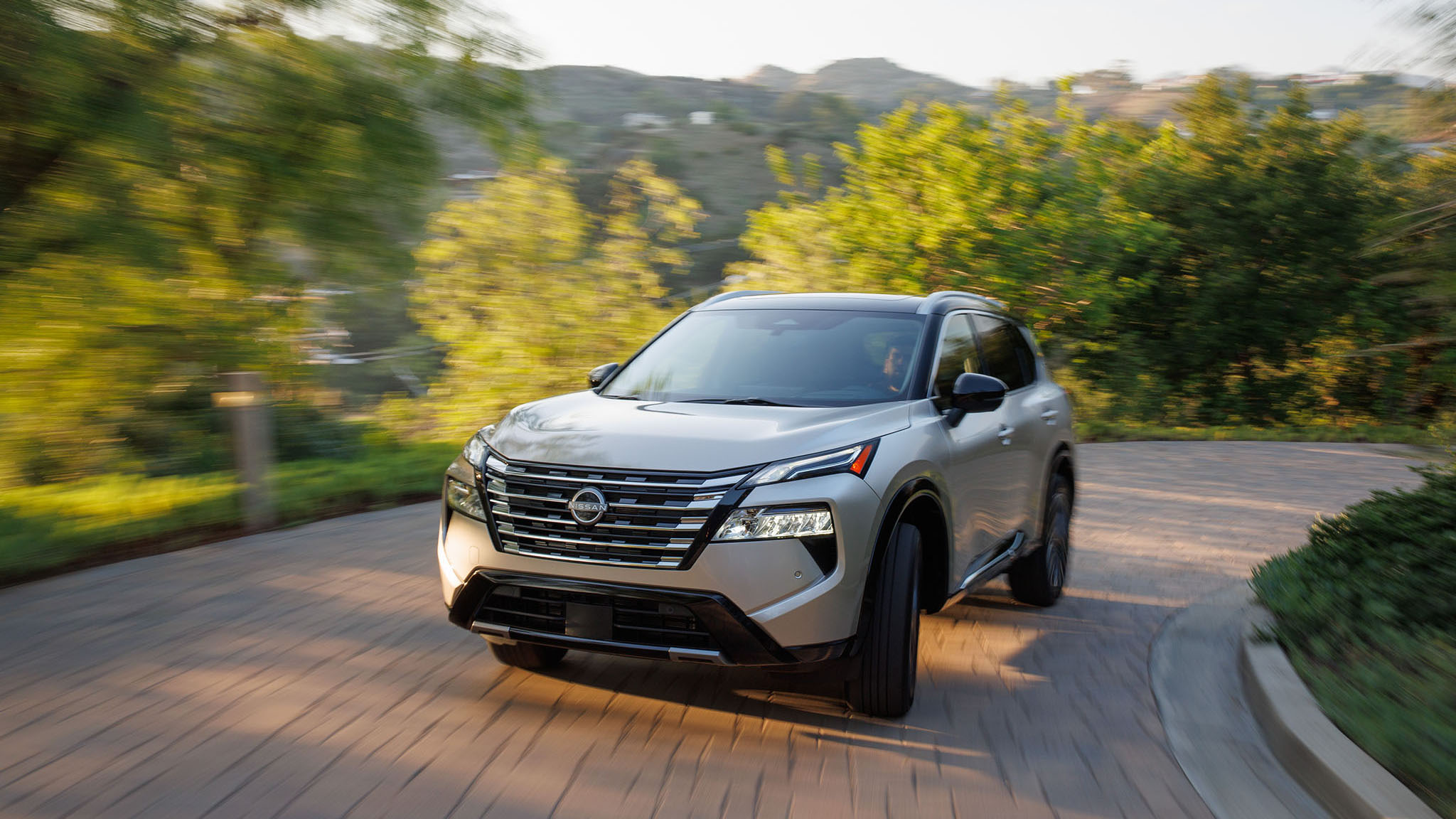
The Nissan Rogue is a compact SUV that offers rural mail carriers a strong combination of comfort, fuel efficiency, and everyday usability. It is especially popular among carriers who prefer a smooth driving experience over heavy-duty off-road performance.
One of the main advantages of the Rogue is its efficient fuel consumption. It performs particularly well in stop-and-go driving conditions, which are common in rural delivery routes. The engine is tuned to balance power and efficiency, allowing carriers to manage long daily distances without excessive fuel costs.
Comfort is another standout feature. The Rogue’s interior is designed with long-distance driving in mind, offering supportive seating and a quiet cabin environment. This can significantly reduce driver fatigue during extended rural routes where carriers may spend many hours behind the wheel.
Cargo space is also well optimized. The rear compartment is large enough to handle standard mail trays and moderate parcel loads. The flexible seating arrangement allows carriers to adjust the interior layout depending on daily workload requirements.
Maintenance and reliability are generally solid, with Nissan offering widely available parts and service support. While not as rugged as Toyota or Subaru models, the Rogue provides a dependable balance for carriers operating in moderately demanding rural conditions.
9. Ford Transit Connect
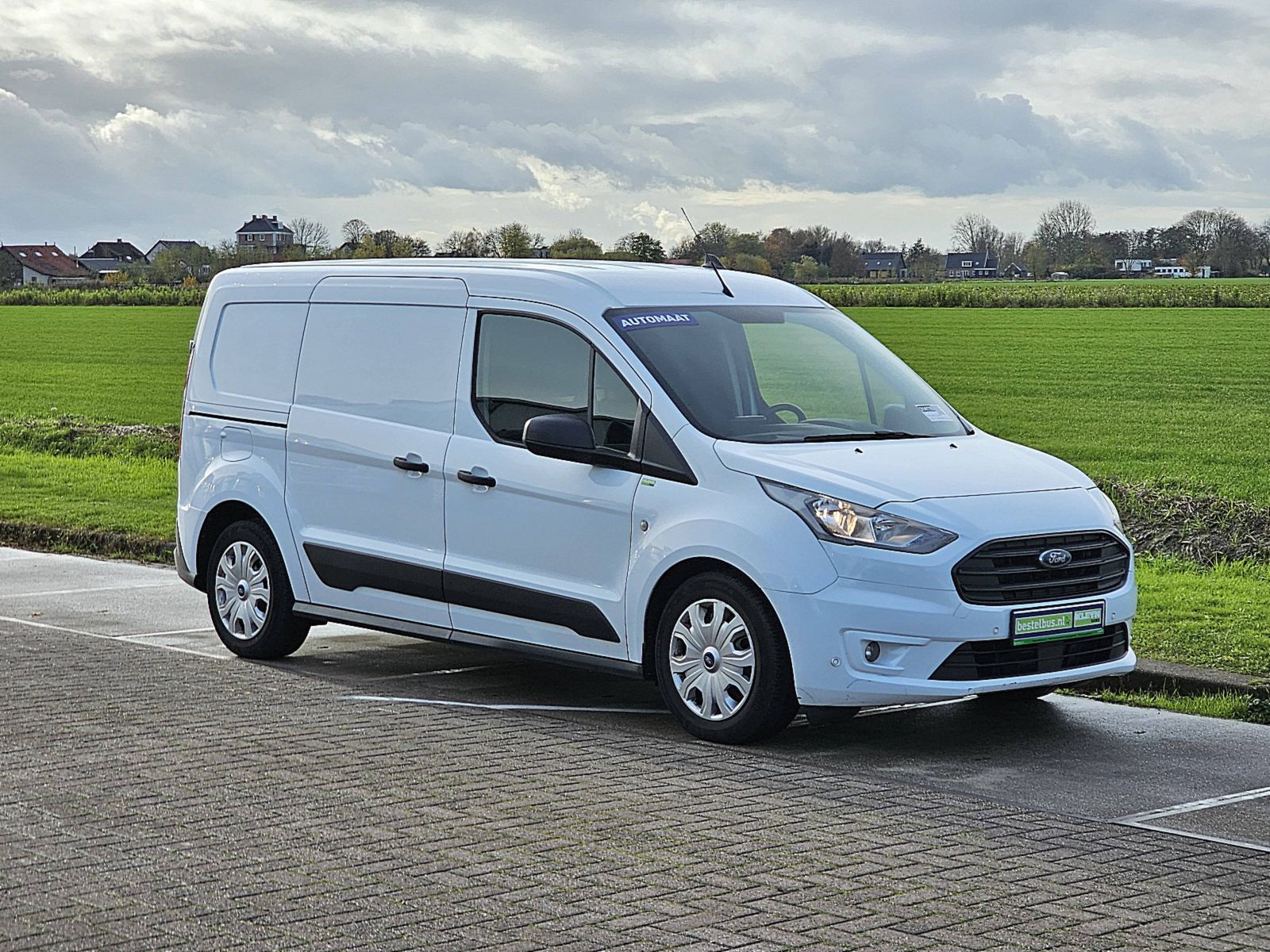
The Ford Transit Connect is one of the most practical vehicles for rural mail carriers who handle high mail volumes or require maximum cargo efficiency. Unlike compact SUVs, it is designed as a small cargo van, making it significantly more functional for organized mail delivery operations.
One of its biggest strengths is cargo capacity. The interior is spacious, flat, and highly configurable, allowing carriers to stack multiple mail trays and parcels in an efficient layout. This reduces the time spent sorting and accessing mail during frequent stops, which improves route productivity.
Accessibility is another major advantage. The sliding side doors make it easy to enter and exit quickly, even in tight rural mailbox areas. The rear hatch provides additional loading convenience, especially when handling larger packages or bulk deliveries.
Fuel economy is reasonable for a vehicle of its size, especially considering its cargo capacity. While it is not as efficient as compact SUVs or hybrids, it delivers strong value in terms of payload-to-fuel ratio, which is important for carriers managing large delivery volumes.
However, maneuverability can be a challenge in very narrow rural roads. The Transit Connect is larger than typical passenger vehicles, so drivers must be comfortable handling a van-sized footprint. Despite this, many experienced carriers prefer it due to its unmatched practicality for high-density delivery routes.
10. Subaru Forester
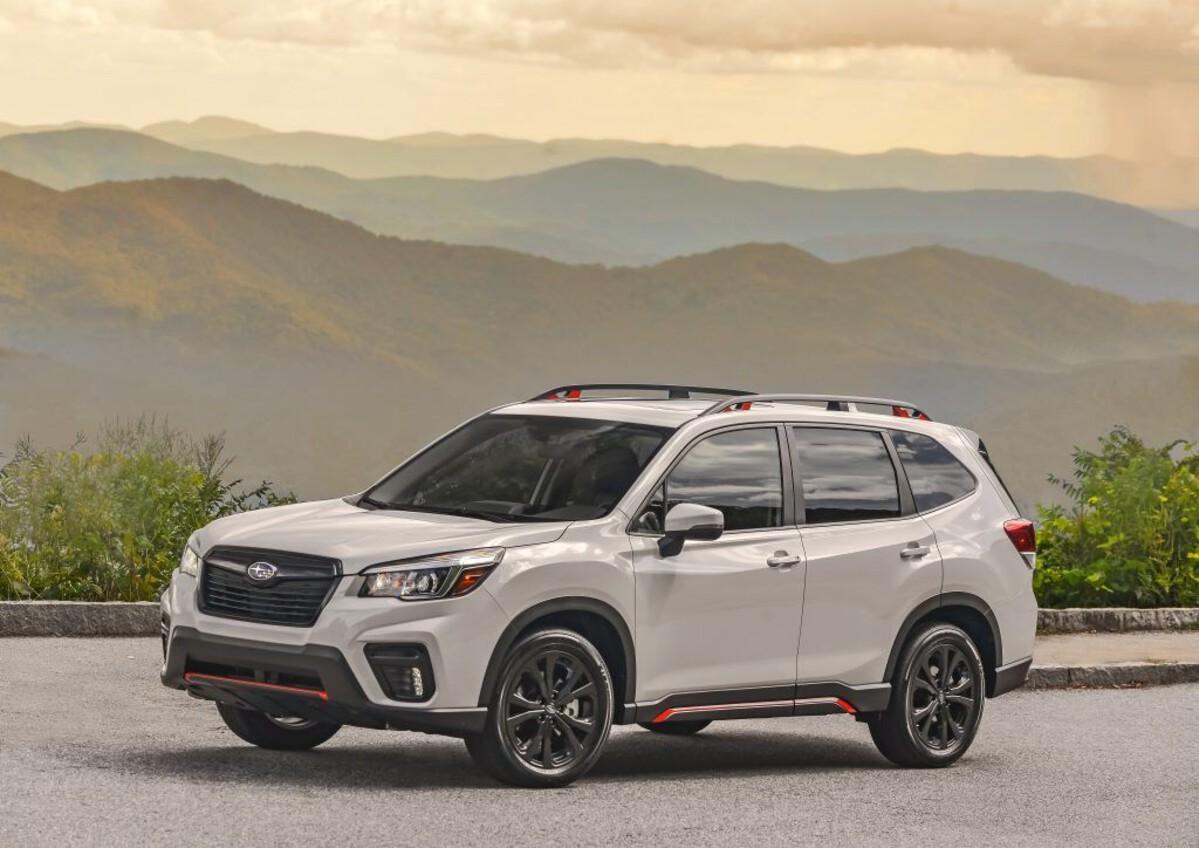
The Subaru Forester is one of the most reliable all-wheel-drive compact SUVs available for rural mail carriers, particularly those working in regions with unpredictable weather and mixed terrain conditions. It is known for its strong balance between practicality, safety, and all-weather performance.
One of its strongest features is its symmetrical all-wheel-drive system. This system provides consistent power distribution to all wheels, improving traction on snow, gravel, mud, and wet rural roads. For carriers operating in seasonal climates, this reliability ensures year-round delivery capability without major disruptions.
Visibility is another major advantage. The Forester is designed with large windows and a high seating position, giving drivers a clear view of rural mailboxes, roadside obstacles, and oncoming traffic. This improves both safety and efficiency during repetitive delivery stops.
Cargo space is highly functional and well-suited for postal work. The rear compartment is wide, square-shaped, and easy to load, making it ideal for organizing mail trays and parcels. The low cargo floor also reduces strain during repeated loading throughout the day.
Finally, Subaru’s reputation for engine longevity makes the Forester a long-term dependable choice. Many rural carriers rely on it for high-mileage routes because it consistently performs well when properly maintained, even under demanding rural driving conditions.
