
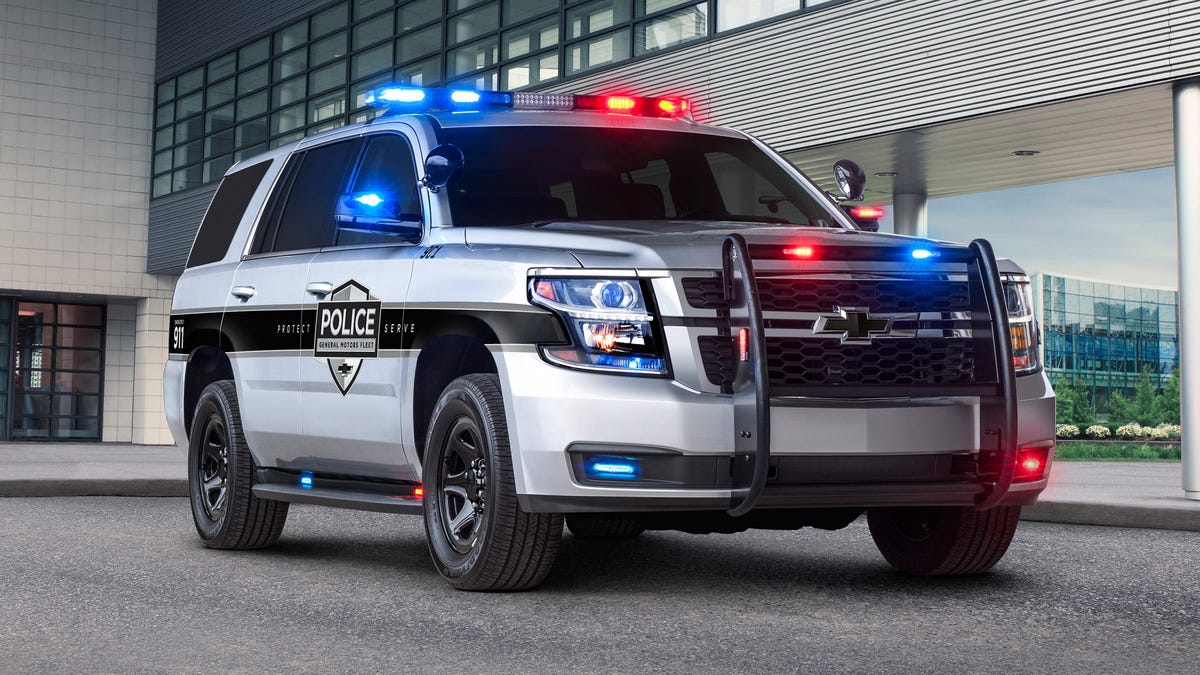
Highway patrol officers are often seen in uniform, driving marked patrol vehicles equipped with flashing lights, sirens, radios, and enforcement tools designed for public safety and rapid response. Their professional identity is strongly tied to these official vehicles, which are typically government-issued and maintained according to strict operational standards.
However, when these officers are off duty, their driving choices become far more personal and varied. Unlike their work vehicles, which are standardized for performance, visibility, and safety enforcement, off-duty vehicles reflect individual lifestyle preferences, financial considerations, family needs, and regional culture.
There is a common curiosity about whether highway patrol officers continue to drive high-performance vehicles in their personal time or whether they prefer something more practical and low profile. The reality is more nuanced.
While some officers do own sporty or powerful cars, many choose practical sedans, pickup trucks, or SUVs that prioritize reliability, comfort, and fuel efficiency over performance or attention. The decision is influenced by long working hours on the road, exposure to demanding driving conditions, and a general preference for dependable transportation that does not resemble their marked patrol units.
Another important factor is privacy. Many highway patrol officers prefer not to draw attention when they are off duty. Driving a highly visible or aggressive-looking vehicle can sometimes lead to unwanted recognition, questions, or even confrontational interactions from the public.
As a result, a significant number of officers deliberately choose vehicles that blend in with everyday traffic. Neutral colors, common models, and unmodified appearances are often preferred to maintain a low profile in public spaces.
Financial practicality also plays a major role. While law enforcement officers have stable careers, most still make vehicle decisions based on budget, maintenance costs, insurance, and long-term reliability. Many gravitate toward well-known brands with strong reputations for durability, such as Toyota, Honda, Ford, and Chevrolet. These vehicles are widely available, affordable to maintain, and suitable for both commuting and family use.
At the same time, it is not unusual to find highway patrol officers who are passionate about cars. Some enjoy performance vehicles or motorcycles during their personal time, especially those with an interest in automotive culture. However, even in these cases, such choices are usually separate from their professional identity and are used strictly for leisure rather than daily commuting.
The vehicles driven by highway patrol officers off duty reflect a balance between practicality, personal interest, safety, and discretion. They are not defined by their job vehicles once the shift ends, but instead by the same considerations that influence any working professional choosing a reliable mode of transportation for everyday life.
Also Read: 10 Cars With Insurance Premiums Lower Than a Compact Sedan
Practical Daily Drivers
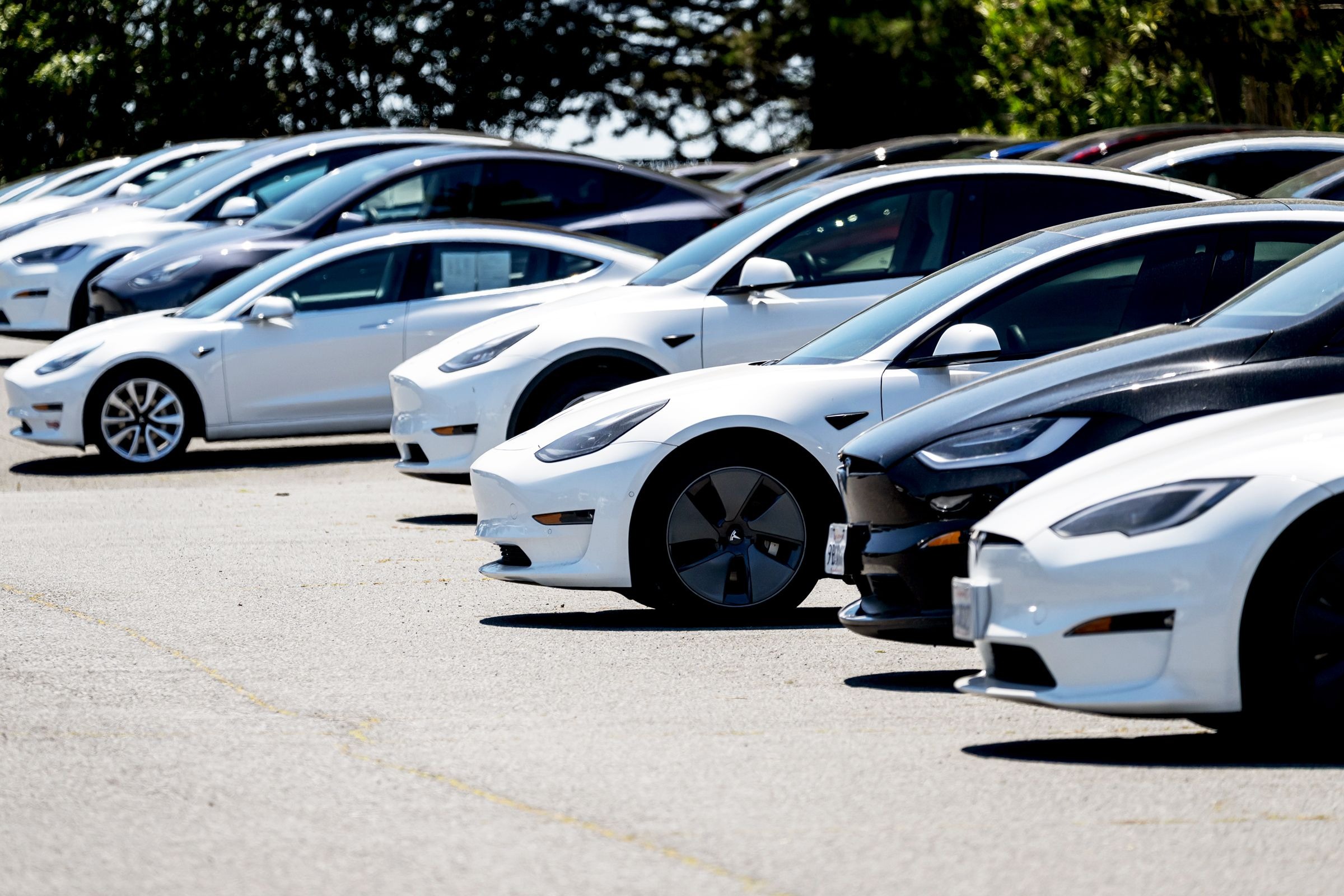
Off-duty highway patrol officers most commonly choose practical daily drivers that can handle commuting, errands, and family responsibilities without unnecessary complications. These vehicles are typically selected for reliability rather than style or performance.
After long shifts spent driving patrol cars for hours at a time, officers often prefer something comfortable, predictable, and easy to maintain. Sedans and compact SUVs are especially common because they offer a good balance between fuel efficiency and interior space.
Brands such as Toyota and Honda are frequently favored due to their strong reputation for long-term durability. Models like the Toyota Camry, Toyota Corolla, Honda Accord, and Honda Civic are often seen in the personal driveways of law enforcement professionals.
These vehicles require minimal maintenance, have high resale value, and are widely serviced across most regions. For officers who spend much of their career on the road, dependability becomes more important than luxury features or sporty performance.
Another reason for choosing practical vehicles is the nature of shift work. Highway patrol officers often work irregular hours, including night shifts and long rotations. A dependable vehicle that starts every time, performs consistently, and handles different weather conditions becomes essential.
Many officers also commute long distances between home and assigned patrol zones, making fuel efficiency an important factor in their decisions.
Comfort also plays a major role. After spending hours in a rigid patrol seat, officers often prefer personal vehicles with softer suspension, quieter cabins, and ergonomic seating. This helps reduce fatigue during off-duty driving. Features like cruise control, automatic climate control, and modern infotainment systems are appreciated but not always required, depending on the individual.
Insurance and maintenance costs also influence decisions. Practical vehicles tend to have lower insurance premiums and cheaper repair costs compared to high-performance or luxury cars. This allows officers to manage household budgets more effectively, especially those supporting families. As a result, even officers who enjoy cars professionally often settle on sensible options for everyday transportation.
In many cases, these vehicles are also shared within the household. A highway patrol officer may choose a mid-sized SUV or sedan that suits both personal commuting and family needs, such as school runs, grocery trips, and travel. This makes versatility one of the most important factors in selecting an off-duty vehicle.
SUVs and Pickup Trucks for Comfort and Utility
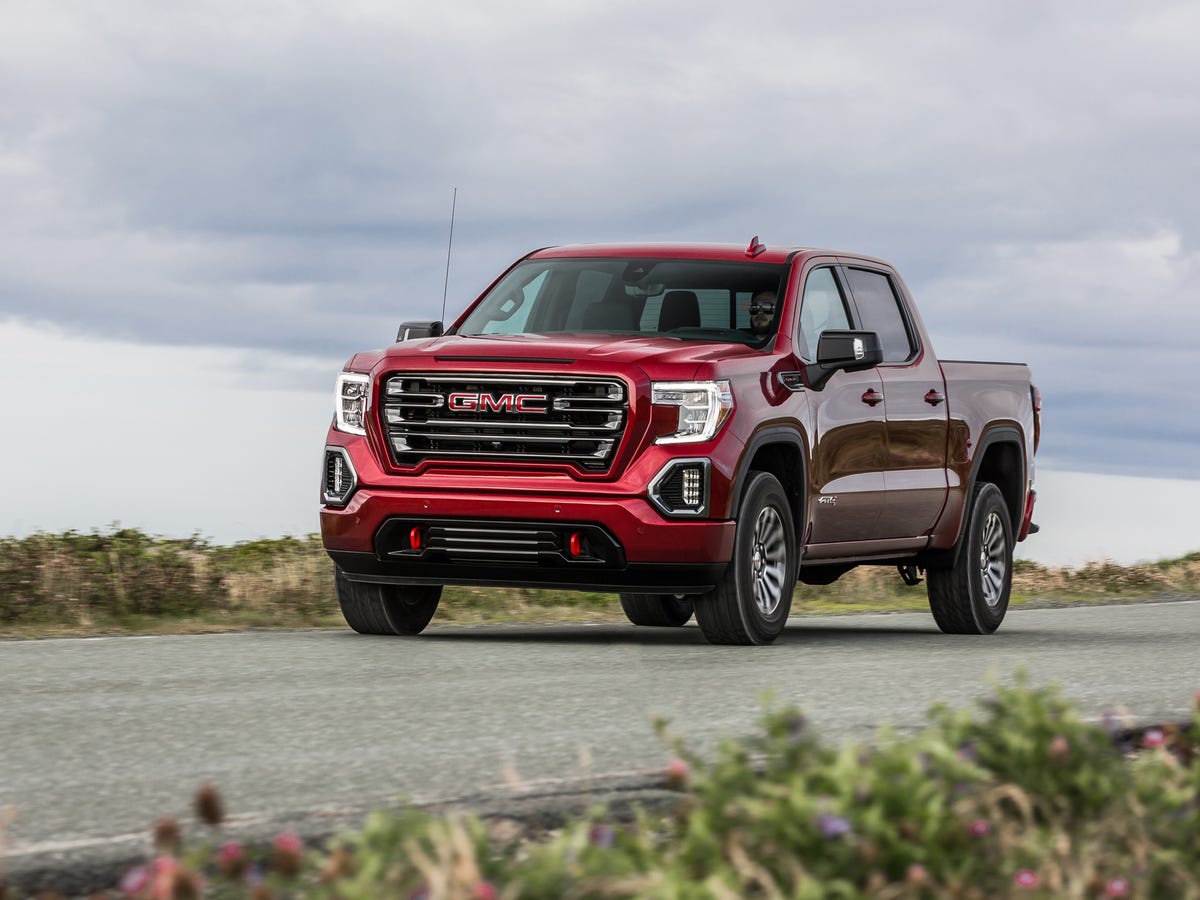
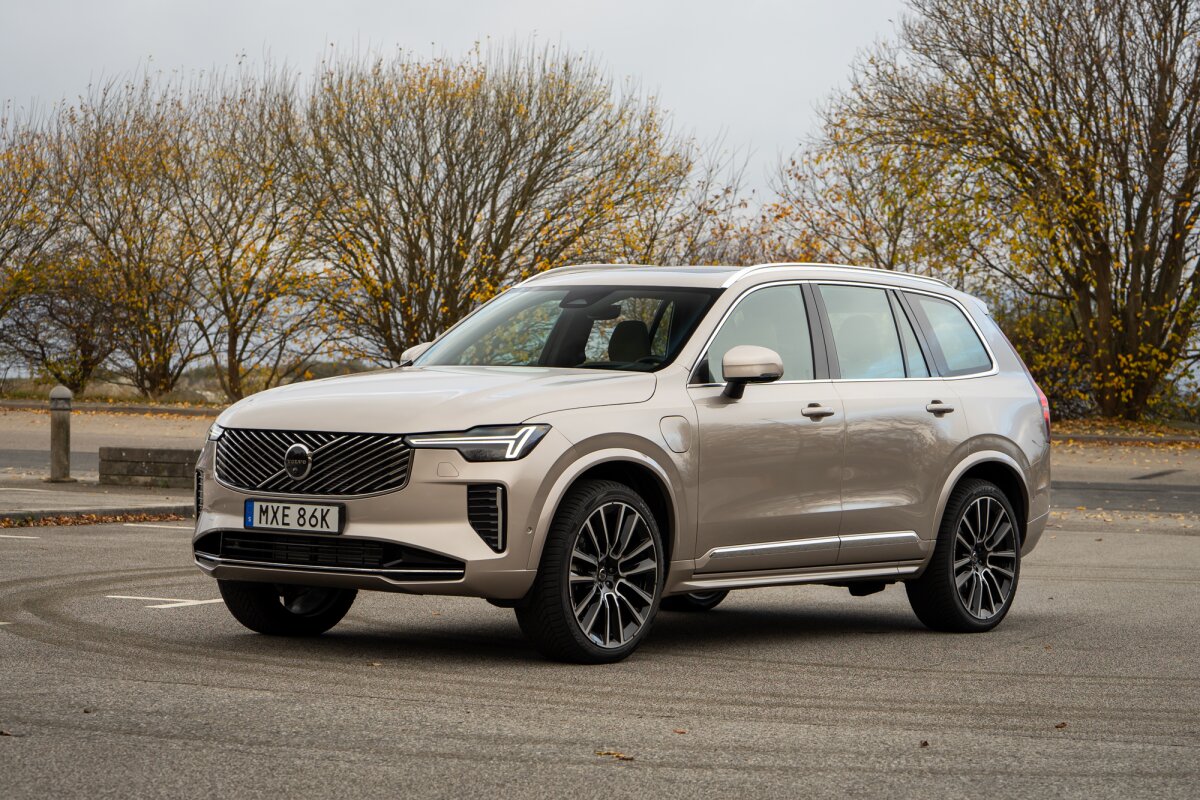
SUVs and pickup trucks are another extremely common category of off-duty vehicles among highway patrol officers. These vehicles offer a combination of space, durability, and versatility that fits well with both professional lifestyles and personal needs.
Many officers prefer SUVs because they provide higher seating positions, improved road visibility, and better handling on rough or rural roads, which can be common in certain patrol regions.
Popular SUV choices often include models like the Ford Explorer, Toyota Highlander, and Chevrolet Tahoe. These vehicles are known for their strong build quality and ability to handle long distances comfortably. They also offer ample cargo space, which is useful for family trips, outdoor activities, and everyday errands. For officers with families, the additional seating capacity is a major advantage.
Pickup trucks are also widely favored, especially in regions where rural terrain or outdoor work is common. Vehicles such as the Ford F Series, Chevrolet Silverado, and Ram trucks are frequently seen in the personal garages of officers. These trucks are valued for their towing capacity, durability, and ability to handle heavy loads. Whether it is for recreational use like camping or practical needs such as home improvement projects, pickup trucks offer unmatched utility.
Another key reason for choosing SUVs and trucks is road presence without enforcement association. While patrol vehicles are often highly recognizable with decals and emergency equipment, personal SUVs and trucks appear standard and unmarked. This allows officers to blend into traffic while still enjoying a strong, commanding driving experience.
Safety is also an important factor. SUVs and trucks generally provide better crash protection due to their size and structure. For individuals who spend much of their professional life on highways dealing with accidents and high speed traffic situations, safety awareness becomes deeply ingrained. This often carries over into personal vehicle choices.
Despite their size, modern SUVs and trucks are also increasingly comfortable and technologically advanced. Features such as advanced driver assistance systems, touchscreen controls, and improved fuel efficiency have made them more appealing for daily use. This combination of practicality and comfort makes them a natural choice for many law enforcement professionals.
Sports Cars and Enthusiast Vehicles
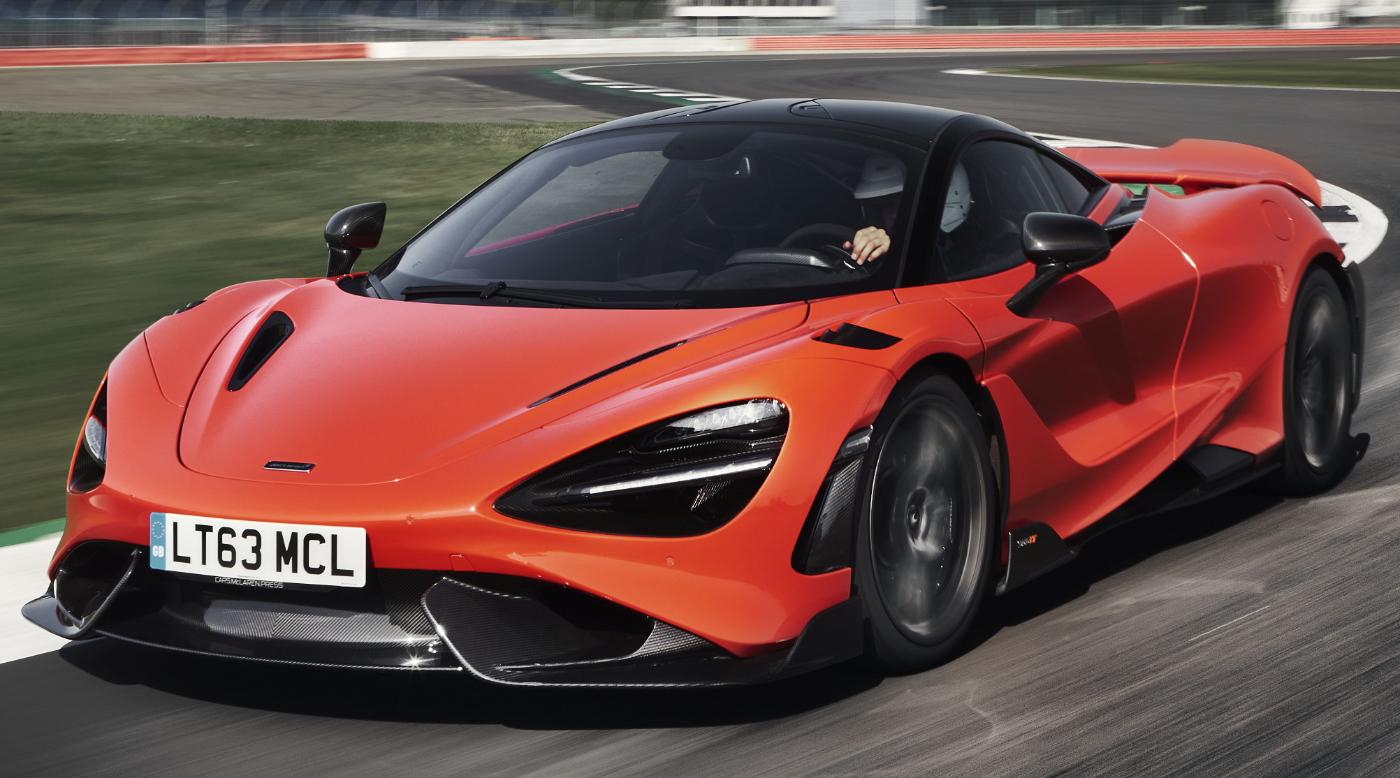
While practicality dominates most off-duty vehicle choices, there is still a segment of highway patrol officers who are passionate about sports cars and performance vehicles. These individuals often have a strong interest in automotive engineering, speed, and driving dynamics, separate from their professional responsibilities.
Sports cars such as Ford Mustang, Chevrolet Camaro, and Dodge Challenger are commonly appreciated within law enforcement communities due to their powerful engines and iconic designs. Some officers may own these vehicles purely for recreational driving, weekend trips, or participation in car enthusiast events. However, these cars are generally not used for daily commuting due to fuel consumption, insurance costs, and practicality limitations.
Motorcycles are another popular enthusiast category. Many highway patrol officers have experience with motor units during their career, which can create a lasting appreciation for riding. Off-duty motorcycles offer a sense of freedom and enjoyment that contrasts with the structured environment of patrol work. However, safety considerations remain important, and many officers are highly trained and cautious riders.
It is important to note that even when officers own performance vehicles, they typically avoid modifications that would draw unnecessary attention or resemble enforcement equipment. Their goal is enjoyment, not public recognition or confusion. As a result, most enthusiast vehicles remain subtle in appearance while still delivering strong performance.
Financial discipline also plays a role in limiting widespread ownership of sports cars. While some officers may afford them, they are often secondary vehicles rather than primary transportation. Practical cars remain the mainstay, while enthusiast vehicles are reserved for leisure.
This category reflects personal passion rather than occupational necessity. It shows that highway patrol officers, like any other professionals, can have diverse interests that extend beyond their work identity.
Also Read: 10 Cars That Survive Being Used as Daily Uber Vehicles
Privacy, Safety, and Lifestyle Choices
One of the most important factors influencing what highway patrol officers drive off duty is privacy. Because of their professional visibility, many officers prefer vehicles that do not attract attention. Driving an unmarked, common vehicle helps them maintain anonymity in public spaces, reducing the chances of being recognized outside work.
This privacy consideration is not just about convenience but also safety. Law enforcement professionals can sometimes face public scrutiny or unwanted interactions. A neutral vehicle reduces the likelihood of being singled out or approached based on occupation. This is especially important in areas where officers live within the communities they serve.
Lifestyle also plays a significant role. Officers often work long and unpredictable hours, which means their personal vehicle must support a flexible routine. Whether it is commuting to work, handling family responsibilities, or traveling for rest and recreation, the vehicle must adapt easily to changing needs.
Family needs are another strong influence. Many officers prioritize vehicles that can comfortably accommodate children, spouses, and everyday household demands. This often leads to the selection of SUVs or sedans rather than specialized or niche vehicles.
There is also a psychological aspect. After spending hours in a high-alert, enforcement-focused environment, many officers prefer a separation between work identity and personal life. Choosing a normal, everyday vehicle helps reinforce that boundary and allows for mental relaxation during off-duty time.
Off-duty vehicle choices reflect a combination of practicality, discretion, and personal preference. While their professional vehicles are designed for authority and visibility, their personal vehicles are designed for balance, comfort, and everyday living.
