
For decades, the American automotive industry has been deeply connected to ideas of national pride, industrial strength, and homegrown manufacturing. Many drivers still associate iconic brands like Ford, Chevrolet, Dodge, and Jeep with factories located in Detroit, Michigan, or other industrial cities across the United States.
However, the modern automotive industry is far more globalized than many consumers realize. Today, some of the most recognizable vehicles sold under American badges are actually assembled outside the United States, with Mexico becoming one of the most important production hubs in North America.
Thanks to trade agreements, lower manufacturing costs, skilled labor, and close geographic proximity, automakers have shifted a large percentage of production south of the border while still marketing vehicles as part of their American brand identity.
This shift has created an interesting disconnect between perception and reality. Many American buyers continue to believe certain vehicles are built domestically simply because they carry an American nameplate or have long histories tied to the United States automotive industry.
In reality, numerous popular sedans, trucks, SUVs, and performance cars now roll off assembly lines in Mexican cities such as Saltillo, Hermosillo, Ramos Arizpe, and Toluca. Some of these vehicles have been manufactured in Mexico for years, yet public awareness remains surprisingly low. This misunderstanding is partly due to branding, advertising, and the fact that most consumers rarely check where a vehicle is actually assembled before purchasing it.
Mexico has become a powerhouse for automotive manufacturing because of its advanced infrastructure, experienced workforce, and integration into the North American supply chain. Automakers, including Ford, General Motors, Stellantis, and others, have invested billions of dollars into Mexican factories capable of producing world-class vehicles on a massive scale.
These facilities often build vehicles not only for the United States market but also for export around the globe. In many cases, the quality standards are identical to those used in American plants, and the vehicles themselves remain engineered primarily by American companies.
Still, the distinction between an American brand and an American-built vehicle is significant for buyers who prioritize domestic manufacturing or want to support United States factory jobs.
The automotive industry has changed dramatically in the twenty-first century, and understanding where vehicles are made offers insight into how interconnected global manufacturing has become.
From pickup trucks to muscle cars and compact SUVs, several vehicles Americans commonly assume are domestic products are actually assembled in Mexico. Here are eight examples that continue to surprise car buyers across the United States.
Also Read: 10 Cars With Insurance Premiums Lower Than a Compact Sedan
1. Chevrolet Silverado 1500
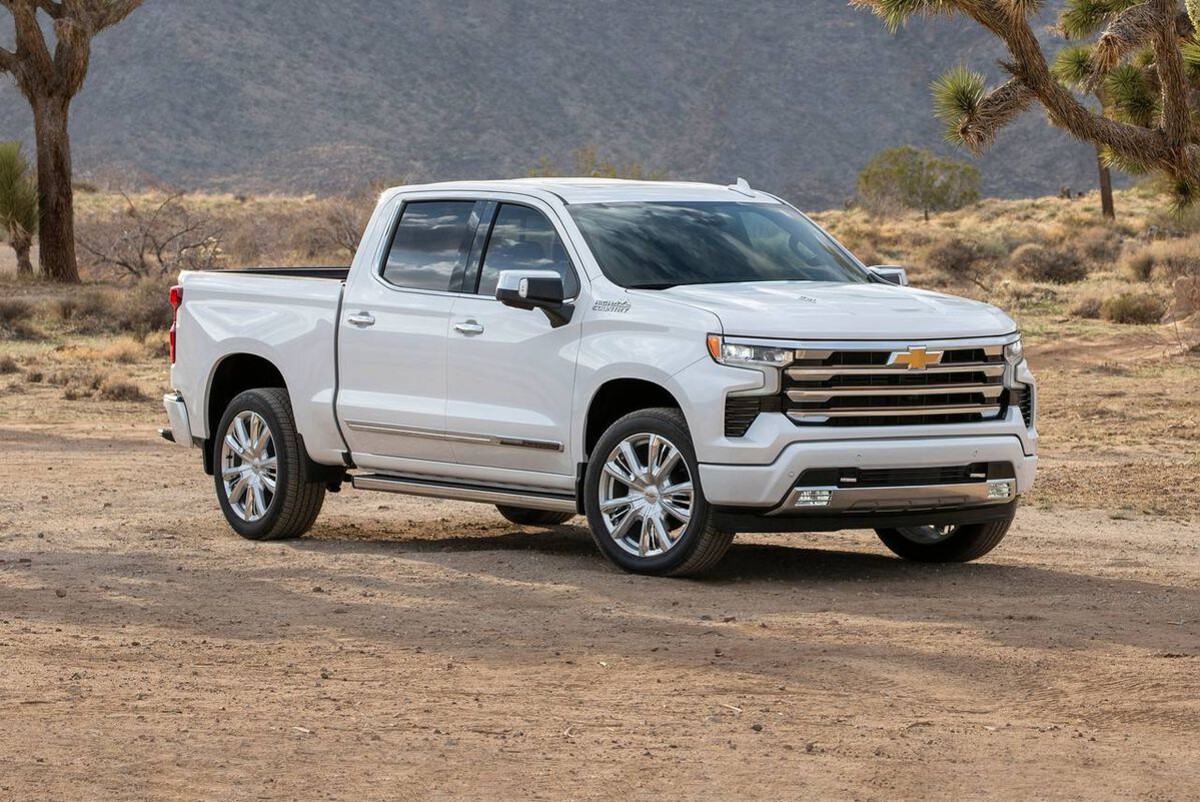
The Chevrolet Silverado 1500 has long represented one of the core pillars of American truck culture. Known for its rugged styling, towing capability, and strong V8 engine options, the Silverado is often viewed as a symbol of domestic manufacturing and blue-collar pride.
Many buyers assume every Silverado is assembled somewhere in the American Midwest because of Chevrolet’s deep historical connection to the United States automotive industry. However, a significant portion of Silverado production has taken place in Mexico for years, particularly at General Motors facilities in Silao, Guanajuato.
The Silao manufacturing plant has become one of General Motors’ most important production centers in North America. This facility builds thousands of Silverado trucks annually for the American market alongside other GM products. Despite this, many consumers continue to believe all Silverado models are exclusively made in the United States.
Chevrolet marketing campaigns frequently emphasize American heritage and truck tradition, which reinforces this perception among buyers who may never investigate the actual manufacturing location of their vehicle.
Mexico became an attractive production location for the Silverado because of lower labor costs and streamlined supply chain logistics under North American trade agreements. By manufacturing trucks in Mexico, General Motors can maintain competitive pricing while still delivering vehicles that meet American quality expectations.
The Silao plant is highly advanced and operates with strict quality control standards comparable to facilities located in the United States. Engineers, technicians, and assembly workers there produce trucks that are nearly indistinguishable from those assembled north of the border.
Many Silverado owners are surprised when they look up the Vehicle Identification Number or assembly label and find that their truck was built in Mexico. This reflects how vehicle production is now spread across multiple countries, with different stages of assembly and parts sourcing happening in various locations before the finished vehicle reaches the market.
Even trucks assembled in American factories often contain parts sourced from Mexico, Canada, and other international suppliers. The distinction between domestic and foreign production has become increasingly blurred in today’s automotive industry.
2. Ram Heavy Duty Trucks
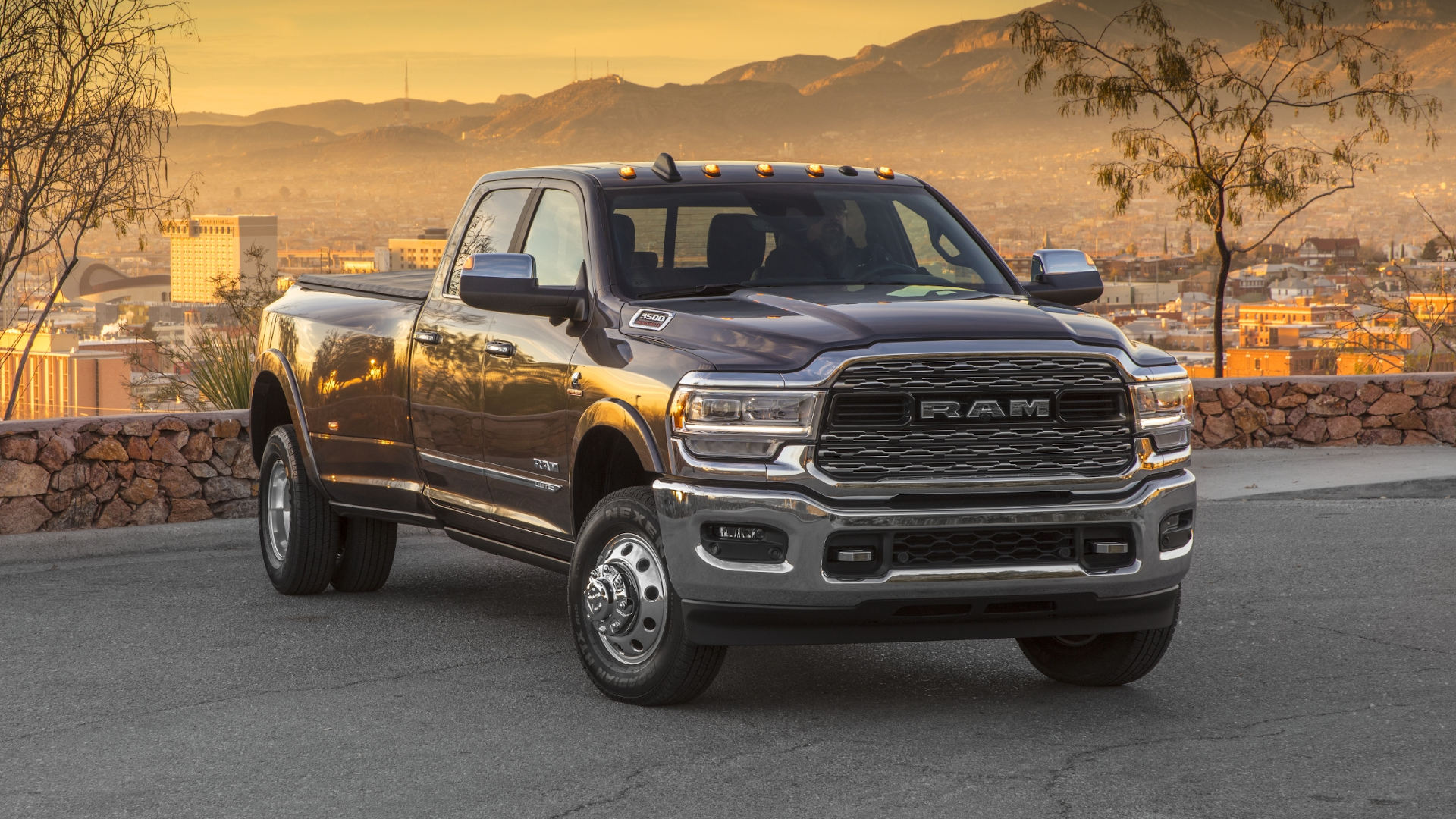
Ram trucks are often associated with classic American toughness, diesel power, and heavy-duty capability. The Ram 2500 and Ram 3500 in particular have become favorites among contractors, ranchers, RV owners, and drivers who need serious towing performance.
Because Ram originated under Dodge and carries such a strong American image, many consumers naturally assume these heavy-duty pickups are built domestically. In reality, many Ram Heavy Duty trucks are assembled in Saltillo, Mexico.
The Saltillo Truck Assembly Plant has produced Ram pickups for decades and represents one of Stellantis’ most important manufacturing facilities in North America. This massive plant builds heavy-duty trucks that are sold throughout the United States and Canada. Despite their reputation as all-American workhorses, these pickups owe much of their production success to Mexican manufacturing operations.
One reason Americans often overlook this fact is the strong branding behind Ram trucks. Advertising campaigns focus heavily on themes of patriotism, hard work, farming culture, and blue-collar identity.
The Saltillo facility is highly respected within the automotive industry for its efficiency and quality standards. Ram Heavy Duty trucks require sophisticated engineering because of their powerful diesel engines, reinforced frames, and high towing capacities. Producing these vehicles demands precision manufacturing and rigorous testing procedures.
Stellantis has invested heavily in Mexican production because the country offers both skilled labor and cost advantages compared to some American facilities.
For buyers, the revelation that their heavy-duty truck was assembled in Mexico can come as a surprise. However, these trucks still rely heavily on American engineering, design, and corporate oversight. Components often move across borders multiple times during production, reflecting the deeply interconnected nature of the North American automotive industry. In practice, modern pickup manufacturing involves collaboration between facilities in the United States, Mexico, and Canada.
Ram Heavy Duty trucks remain extremely popular because of their capability, comfort, and durability. Their Mexican assembly location has not diminished consumer demand or industry recognition. Instead, it illustrates how global manufacturing strategies now shape even the most iconic American vehicle segments.
3. Ford Maverick
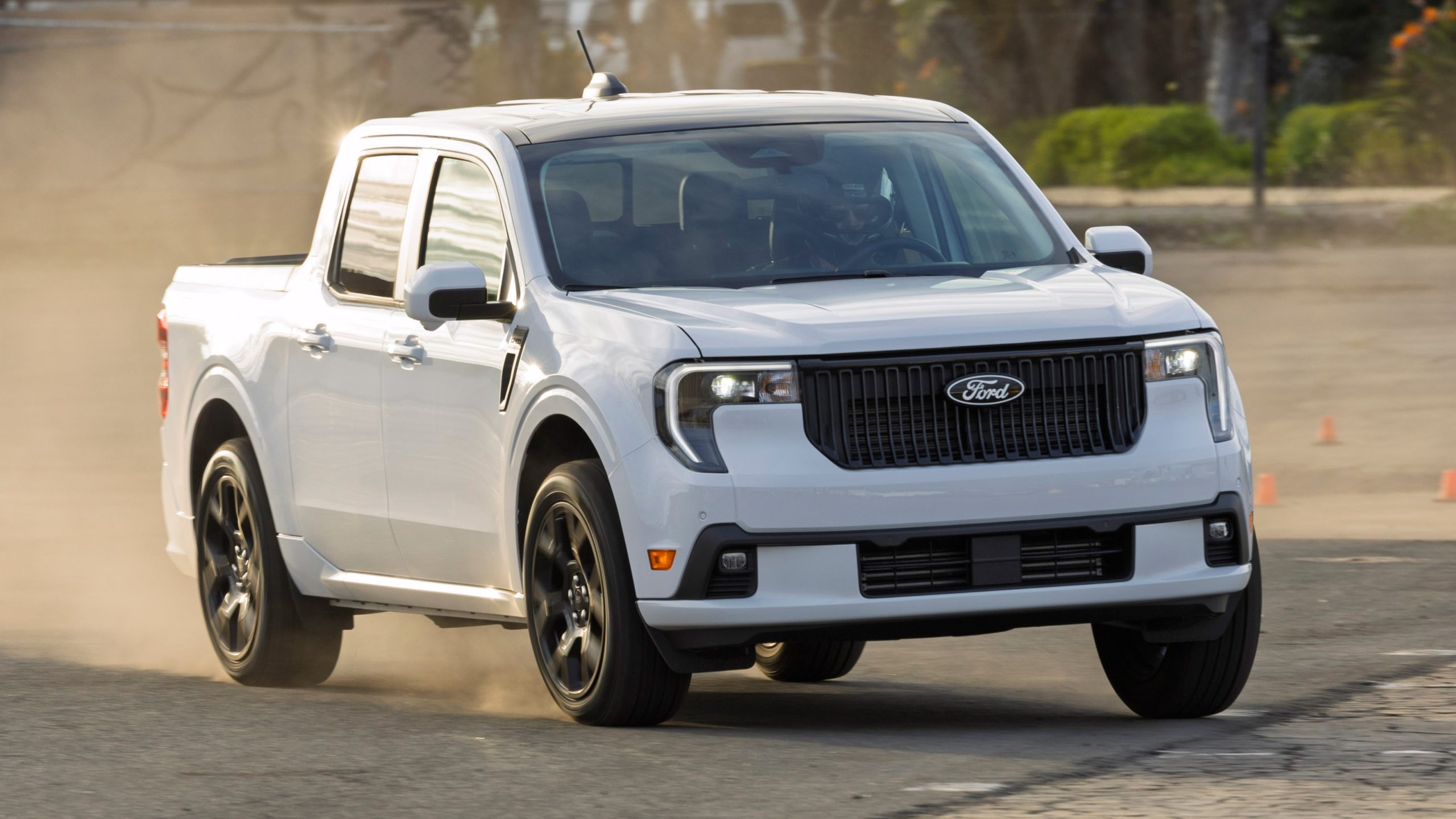
The Ford Maverick quickly became one of the most talked-about vehicles in America after its launch. With its compact size, impressive fuel efficiency, practical bed design, and affordable price point, the Maverick attracted buyers who wanted pickup utility without the bulk or expense of a full-size truck.
Because it wears the Ford badge and taps into America’s long-standing love affair with pickups, many consumers naturally assume the Maverick is built in the United States. In fact, it is assembled in Hermosillo, Mexico.
Ford chose the Hermosillo Assembly Plant as the production home for the Maverick due to its experience building compact and midsize vehicles efficiently. The factory already had expertise in producing vehicles based on similar platforms, making it an ideal location for Maverick manufacturing. While the truck has become incredibly popular among American buyers, relatively few consumers realize its assembly takes place south of the border.
The Maverick represents a new generation of pickup trucks aimed at urban drivers, young professionals, and budget-conscious consumers. Its hybrid powertrain option, smaller footprint, and lower starting price helped it stand out in a market dominated by expensive full-size pickups.
Ford marketed the Maverick heavily as a practical American lifestyle vehicle, emphasizing versatility, adventure, and innovation. These themes strengthened the perception that it was a domestically built product.
Mexico’s role in the Maverick’s success demonstrates how modern automakers balance cost efficiency with market demand. Building the truck in Hermosillo allows Ford to control production expenses while still delivering competitive pricing to consumers.
The plant itself is considered one of Ford’s most advanced manufacturing facilities in North America, featuring high levels of automation and strict quality control procedures.
Many Maverick buyers prioritize affordability and functionality over assembly location. However, for consumers specifically seeking American-built vehicles, the truck’s Mexican origins can be surprising. The situation also reflects broader trends in the automotive industry, where compact vehicles are increasingly manufactured outside the United States because of lower profit margins and competitive pricing pressures.
Despite debates over domestic manufacturing, the Maverick has become one of Ford’s biggest success stories in recent years. Demand has often exceeded supply, proving that consumers care deeply about practicality and value. Its production in Mexico highlights the economic realities shaping the automotive industry while challenging long-held assumptions about what qualifies as an American truck.
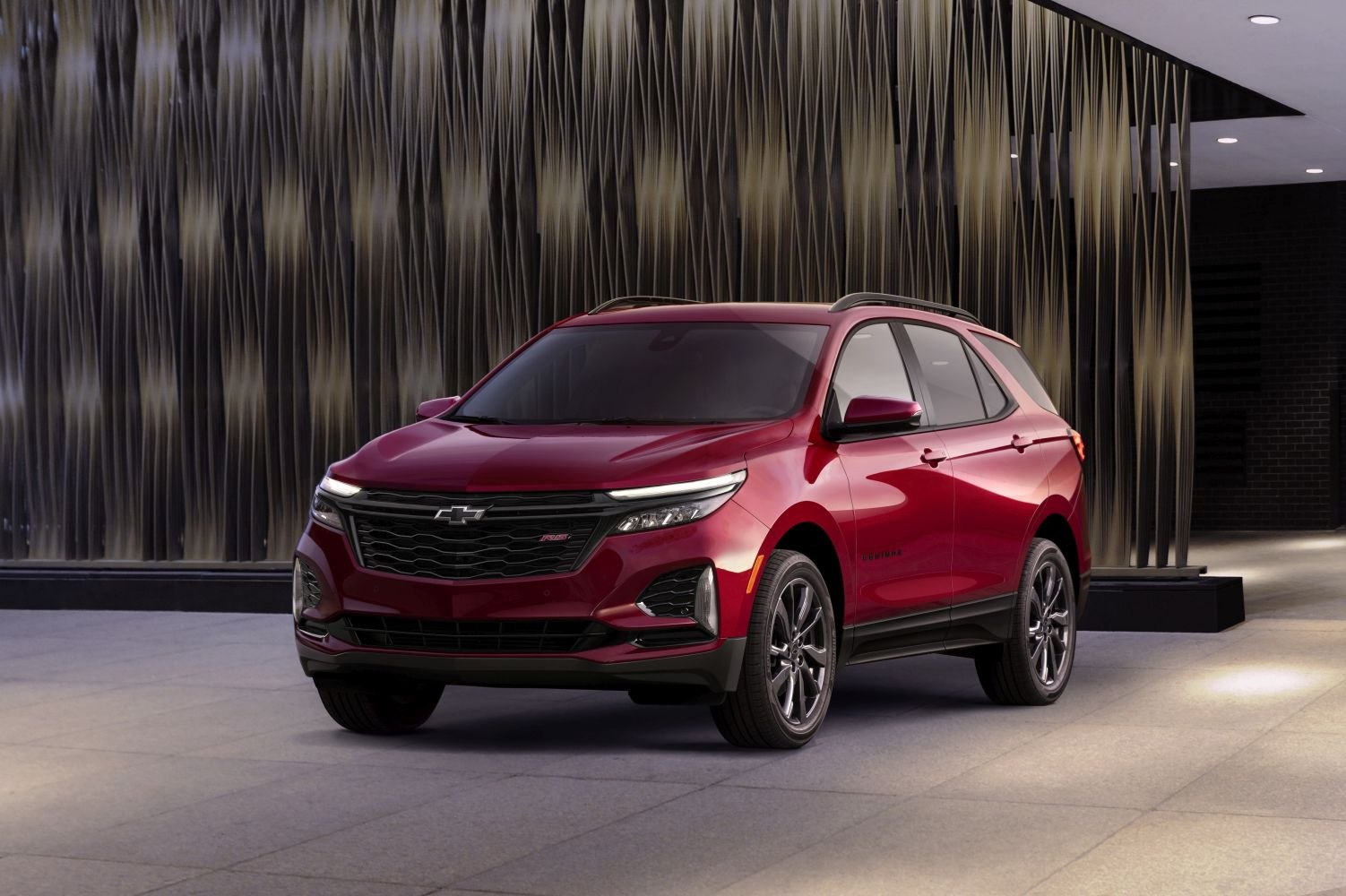
4. Chevrolet Equinox
The Chevrolet Equinox is one of the best-selling compact SUVs in the United States and has become a common sight on suburban roads, highways, and city streets across America. Many buyers choose the Equinox because of its affordability, comfortable ride, spacious interior, and trusted Chevrolet branding.
Given its popularity and association with an iconic American automaker, countless consumers assume the Equinox is built domestically. However, a substantial amount of Equinox production takes place in Mexico.
General Motors assembles the Equinox at facilities including the Ramos Arizpe plant in Coahuila, Mexico. This factory has become a major production center for several GM vehicles sold in North America. The Equinox’s Mexican assembly often surprises buyers who associate Chevrolet with traditional American manufacturing centers such as Michigan or Ohio.
Part of the confusion comes from how vehicles are marketed. Chevrolet promotes the Equinox as a practical family SUV designed for American lifestyles, road trips, and commuting needs.
Commercials often highlight everyday American families using the vehicle in recognizable suburban environments. Rarely do advertisements discuss manufacturing origins, allowing many consumers to assume the SUV is assembled in the United States.
The rise of Mexico as an SUV manufacturing hub reflects changing industry economics. Compact crossovers like the Equinox are extremely competitive products with tight profit margins. Building them in Mexico helps General Motors reduce production costs while maintaining strong profitability. Mexican factories also benefit from geographic proximity to the United States, making transportation and logistics relatively efficient.
Quality concerns once associated with overseas manufacturing have largely faded in the modern automotive industry. The Ramos Arizpe facility operates under strict production standards and uses advanced robotics, precision assembly techniques, and comprehensive inspection processes. Vehicles built there are expected to meet the same performance and reliability standards as those assembled in American factories.
For many buyers, discovering that the Equinox is built in Mexico changes their understanding of the automotive market. It reveals how globalized manufacturing has become, even for vehicles deeply tied to American brands. Nevertheless, the Equinox remains one of Chevrolet’s strongest sellers because it delivers the comfort, technology, fuel economy, and value that consumers expect from a modern compact SUV.

5. Jeep Compass
Jeep has one of the strongest American identities of any automotive brand. Its roots trace back to military vehicles used during World War II, and its image remains closely connected to freedom, adventure, and rugged American capability. Because of this legacy, many consumers assume every Jeep vehicle is built in the United States. Surprisingly, the Jeep Compass is assembled in Toluca, Mexico.
The Compass occupies an important position in Jeep’s lineup as an affordable compact SUV designed for urban drivers and small families. While larger Jeep models like the Wrangler maintain stronger ties to American assembly plants, the Compass relies heavily on Mexican manufacturing.
The Toluca Assembly Plant handles production for multiple international markets and plays a key role in Stellantis’ global manufacturing strategy.
Jeep branding contributes significantly to public misconceptions about manufacturing origins. Advertising campaigns emphasize outdoor exploration, mountain trails, camping adventures, and patriotic themes. Consumers often connect these messages with American manufacturing traditions without realizing the vehicle itself may come from a Mexican factory.
Mexico became a logical production site for the Compass because compact SUVs are highly competitive products requiring efficient manufacturing and cost control.
Producing the vehicle in Toluca allows Stellantis to maintain lower costs while serving both North American and international markets. The facility itself is modern and capable of producing vehicles that meet the strict quality standards demanded by American consumers.
The Compass demonstrates how brand identity and production location are no longer tightly connected. A vehicle can maintain a strong American image while being assembled elsewhere. This reflects broader globalization trends that affect nearly every major automaker operating today.
Consumers may still view Jeep as a symbol of American automotive culture, but the reality behind manufacturing is more internationally distributed.
Despite being built in Mexico, the Compass continues to attract buyers looking for compact SUV practicality combined with Jeep styling and light off-road capability. Its success illustrates that most consumers prioritize features, pricing, and brand appeal over manufacturing geography. Nonetheless, its production story remains a surprising fact for many Americans who believe Jeep vehicles are universally built in the United States.
Also Read: 10 Cars That Survive Being Used as Daily Uber Vehicles
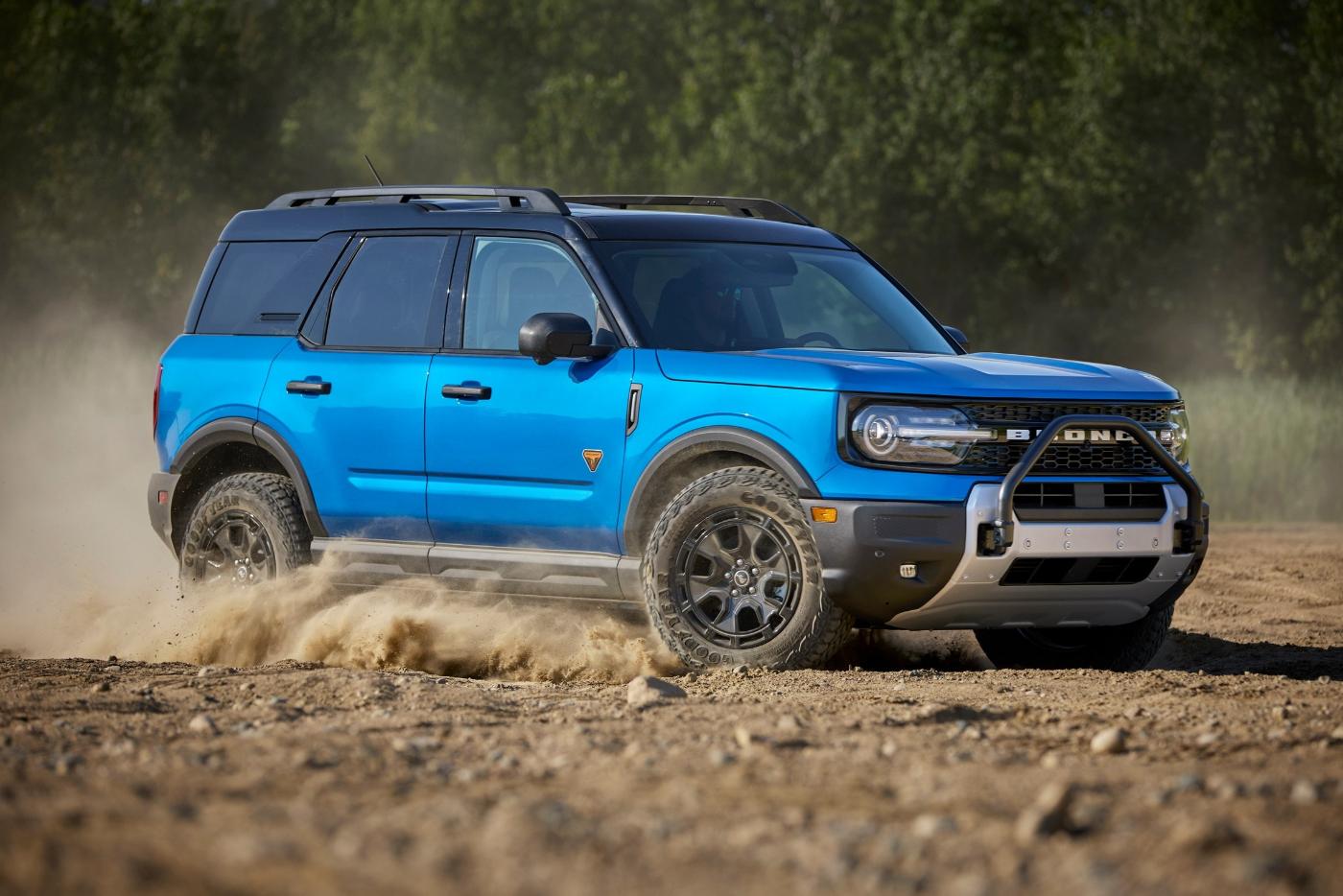
6. Ford Bronco Sport
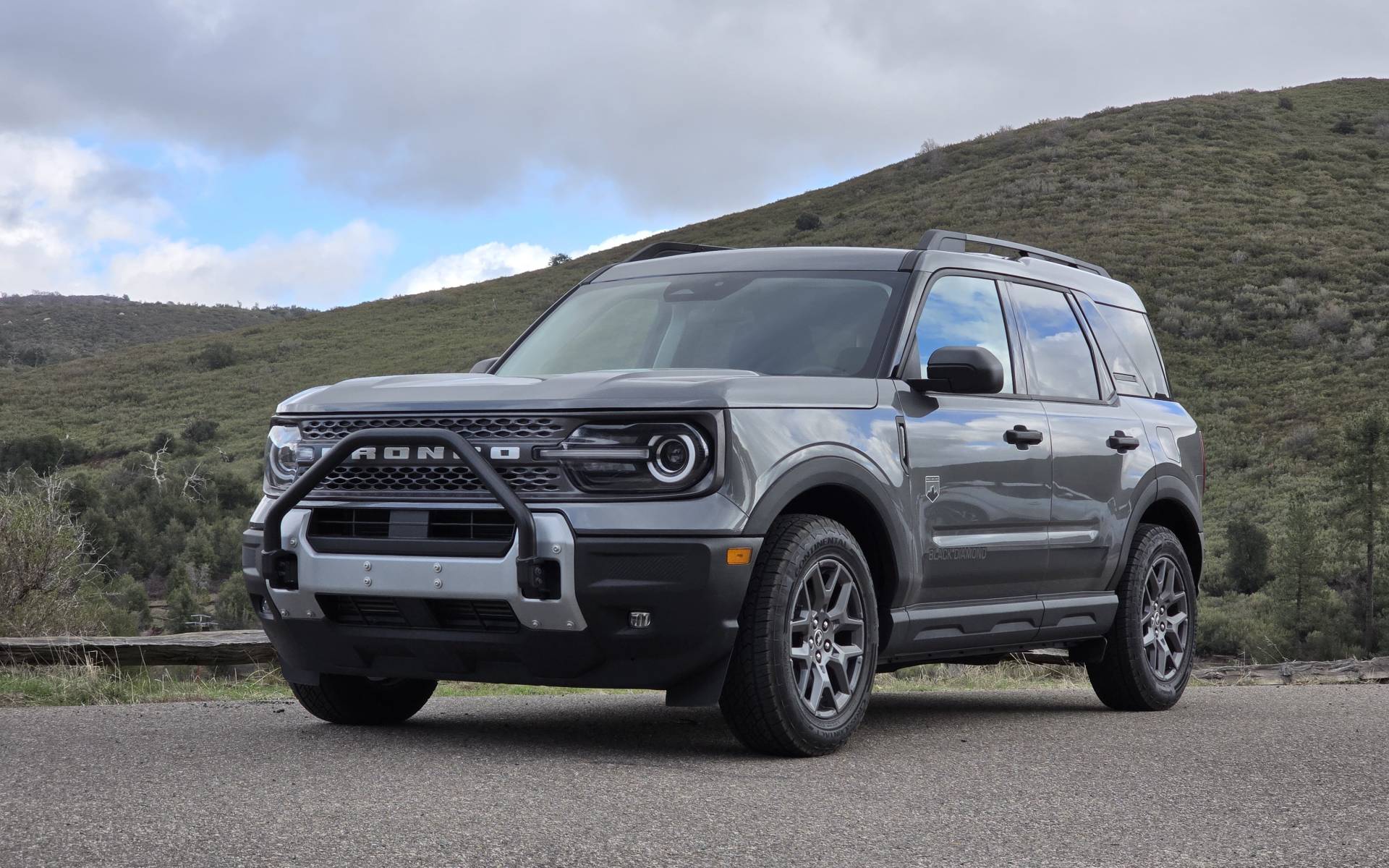
The Ford Bronco Sport revived one of America’s most iconic automotive names and quickly became a hit among drivers seeking adventure-focused styling in a smaller SUV package. Because the Bronco brand carries deep historical ties to American off-road culture, many consumers assume the Bronco Sport is built domestically. In reality, it is manufactured in Hermosillo, Mexico, alongside the Ford Maverick.
The Bronco name evokes images of rugged terrain, desert racing, and outdoor exploration. Ford capitalized heavily on this heritage when launching the Bronco Sport, emphasizing capability, durability, and adventurous lifestyles in its marketing campaigns. As a result, many buyers naturally associate the vehicle with American manufacturing traditions.
The Hermosillo Assembly Plant was selected because of its expertise in producing compact vehicles and crossovers efficiently. Ford invested heavily in upgrading the facility to support newer products like the Bronco Sport and Maverick. The plant uses advanced robotics, automated systems, and extensive quality monitoring to ensure vehicles meet Ford’s global standards.
The Bronco Sport shows how today’s car industry separates brand identity from where a vehicle is built. While the SUV carries classic American off-road styling, it is produced using manufacturing facilities in Mexico. This setup helps Ford lower production costs while keeping prices competitive in the crowded compact SUV segment.
Consumers often overlook manufacturing details when purchasing vehicles associated with strong emotional branding. The Bronco name itself creates an immediate sense of nostalgia and Americana, making the assembly location feel less important in the minds of buyers. Ford’s advertising further reinforces these emotional connections by showcasing wilderness adventures and outdoor experiences rather than factory origins.
Despite its Mexican assembly, the Bronco Sport has been widely praised for its versatility, attractive design, and practical off-road features. It appeals to younger buyers seeking adventure-themed vehicles without the size or expense of larger SUVs. Its success demonstrates that consumers remain highly responsive to branding and lifestyle marketing even in an increasingly globalized industry.
The Bronco Sport’s production story highlights how North American manufacturing has evolved beyond traditional national boundaries. Vehicles may still represent American brands culturally and emotionally while relying on multinational supply chains and assembly operations.
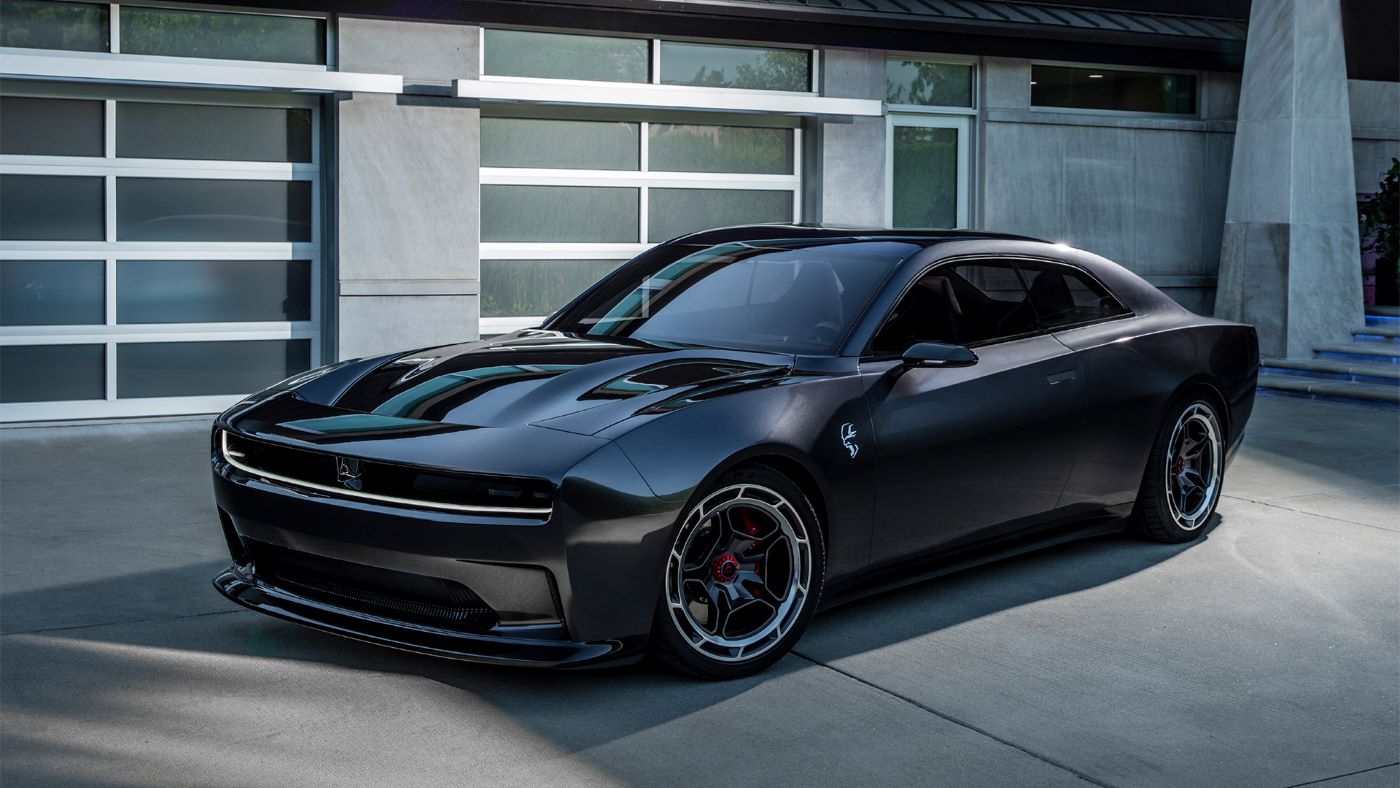
7. Dodge Charger
The Dodge Charger has long stood as one of America’s most recognizable muscle cars. Known for aggressive styling, powerful engines, and bold performance, the Charger became deeply associated with American automotive culture. Many enthusiasts naturally assume this iconic sedan is built in the United States because of its connection to classic Detroit muscle.
However, the Charger has been assembled in Brampton, Canada, and more recently linked to manufacturing strategies involving Mexico for various components and supply chain operations. Some trims and related production logistics increasingly involve Mexican facilities.
The Charger’s identity is rooted in American performance history. Dodge advertisements frequently highlight horsepower, tire smoke, drag racing culture, and patriotic themes. These campaigns reinforce the belief that the Charger represents pure American manufacturing despite the reality of multinational production systems supporting the vehicle.
Car production today is rarely confined to a single country. Even when final assembly takes place in one location, key parts are frequently sourced from Mexico. Engines, transmissions, electronics, interior components, and structural pieces often cross borders multiple times as they move through different stages of manufacturing before a vehicle is completed.
In the Charger’s case, Mexican suppliers and manufacturing operations play a significant role in supporting the vehicle’s production ecosystem.
The confusion surrounding the Charger reflects broader misunderstandings about what qualifies as domestic manufacturing. Consumers often focus solely on brand identity rather than examining where parts originate or where final assembly occurs. In practice, modern vehicles depend on highly integrated North American supply chains that blur traditional distinctions between domestic and foreign production.
Mexico’s automotive industry has become especially important for performance vehicles because suppliers there can produce components at competitive costs while maintaining quality standards. Automakers benefit from lower manufacturing expenses while still delivering the performance and styling consumers expect from muscle cars like the Charger.
Even as the automotive market shifts toward electrification and changing consumer preferences, the Charger remains a symbol of American performance culture. Its production reality serves as another reminder that globalization now shapes nearly every aspect of vehicle manufacturing.
Enthusiasts may continue viewing the Charger as an American icon, but its existence depends heavily on international manufacturing cooperation.
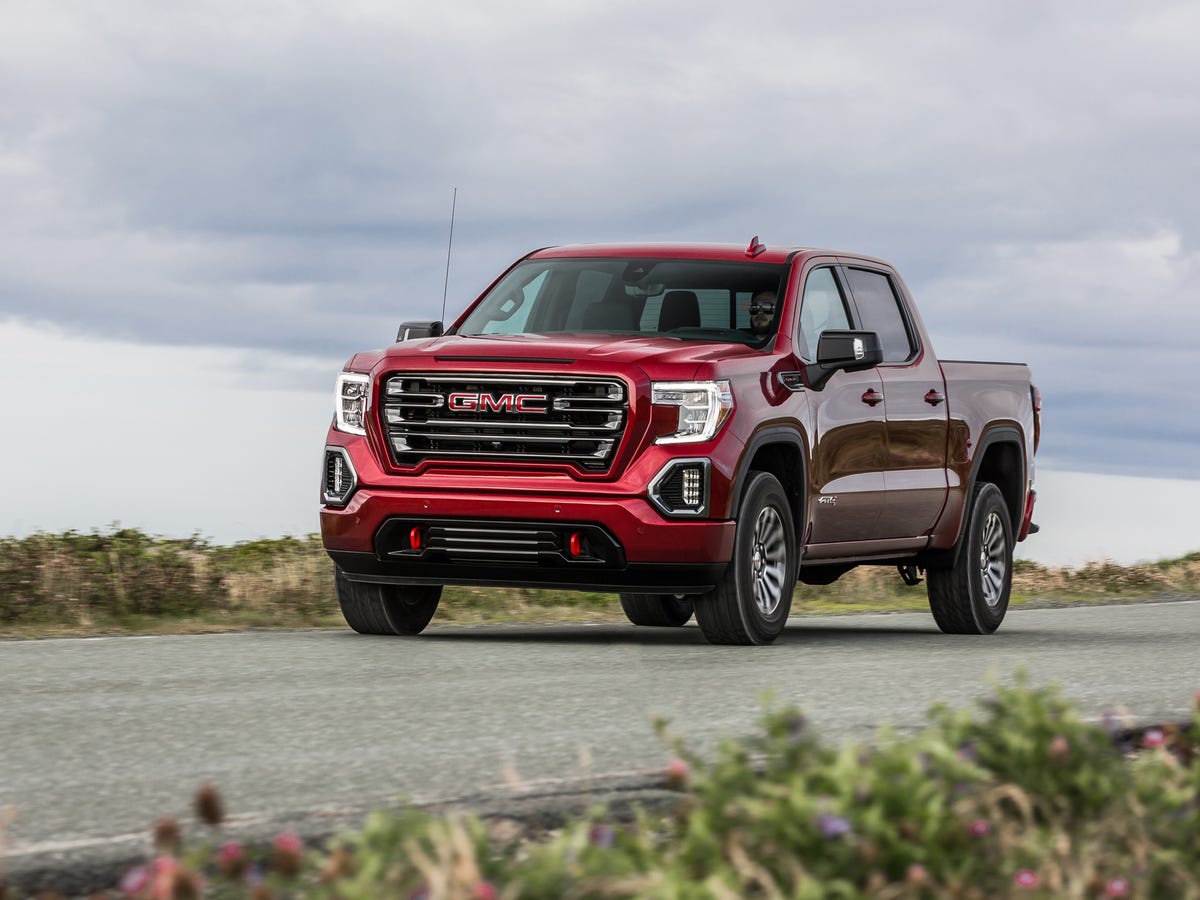
8. GMC Sierra
The GMC Sierra is another pickup truck that many Americans assume is built entirely in the United States because of its strong association with domestic truck culture. Closely related to the Chevrolet Silverado, the Sierra has become a popular choice among buyers seeking premium features, towing capability, and rugged styling. Yet like its Chevrolet counterpart, a significant portion of Sierra production occurs in Mexico.
General Motors assembles many Sierra models at the Silao plant in Guanajuato, Mexico. This facility plays a central role in GM’s truck manufacturing operations and produces large numbers of pickups destined for the American market. Despite this, many Sierra owners remain unaware that their truck may have been assembled outside the United States.
GMC branding contributes heavily to this misconception. Advertisements emphasize toughness, professional-grade engineering, and American truck traditions. Commercials often showcase construction sites, ranches, mountains, and hard-working lifestyles associated with domestic pickup ownership. These marketing themes create a strong emotional link between the Sierra and American manufacturing identity.
The decision to build trucks in Mexico reflects economic and logistical realities within the automotive industry. Full-size pickups remain highly profitable vehicles, but competition is intense.
Producing trucks in Mexico allows General Motors to reduce labor costs and improve operational efficiency while maintaining strong profit margins. The Silao plant itself uses advanced manufacturing technologies and follows strict quality standards comparable to facilities in the United States.
Many Sierra buyers focus primarily on capability, reliability, luxury features, and towing performance rather than manufacturing location. As long as the truck delivers expected performance, assembly geography often becomes a secondary concern. However, for consumers specifically interested in supporting American factory jobs, discovering that their pickup was built in Mexico can be eye-opening.
The Sierra demonstrates how deeply interconnected North American manufacturing has become. Vehicles marketed as quintessentially American often rely on multinational production networks involving suppliers and factories across several countries. This reality reflects the transformation of the automotive industry over recent decades.
Despite debates over domestic manufacturing, the GMC Sierra continues to thrive in the competitive pickup market. Buyers appreciate its refined interiors, advanced technology, and powerful engine options. Its Mexican assembly does little to diminish its reputation among loyal truck enthusiasts, proving that brand loyalty often outweighs concerns about production location.
