

Modern cars are more advanced than ever before. Touchscreens have become larger, software systems now control everything from climate settings to navigation, and manufacturers continue promoting electric powertrains, artificial intelligence integration, and connected driving experiences as the future of mobility.
While these innovations have undoubtedly improved vehicle efficiency, safety, and entertainment, many drivers have started noticing something unexpected. Several convenience features that once made everyday driving simpler and more enjoyable are quietly disappearing from new vehicles.
Automakers often justify these changes by pointing to cost-cutting, weight reduction, software integration, manufacturing efficiency, or evolving consumer preferences. However, not every removed feature is being replaced with something better.
In many cases, practical tools and driver-friendly design elements are vanishing in favor of sleek aesthetics, touchscreen controls, or subscription-based digital services. Features that drivers once considered standard have slowly become optional extras, hidden behind expensive trim levels, or removed entirely from modern vehicle lineups.
The automotive industry has changed dramatically over the past decade. The shift toward electric vehicles, stricter environmental regulations, and rising production costs have forced manufacturers to rethink how vehicles are designed and equipped. At the same time, car interiors are becoming more minimalist, often at the expense of functionality.
Physical buttons are being replaced with digital menus, spare tires are disappearing to save weight, and simple convenience upgrades are being sacrificed to streamline production. Many longtime drivers argue that newer vehicles feel less practical despite their advanced technology.
For consumers, these missing features can affect daily usability far more than flashy innovations ever could. Small conveniences like hidden storage compartments, traditional gear shifters, or easy-to-use climate controls often make a bigger difference during everyday commuting than advanced autonomous driving systems.
Drivers who upgrade to newer models frequently discover that features they took for granted in older cars are no longer available. This can lead to frustration, especially when these removed conveniences previously required no learning curve and worked reliably without software updates or complicated interfaces.
Understanding which convenience features have disappeared can help buyers make smarter decisions when shopping for a new car. It also highlights how automotive priorities are evolving in response to technology trends, manufacturing pressures, and changing consumer expectations.
While progress in vehicle technology is important, convenience and usability remain equally valuable for drivers who rely on their cars every day. Here are eight convenience features that are quietly disappearing from modern vehicles and why many drivers still miss them.
Also read: Top 10 Cars With the Shortest Turning Radius Ranked
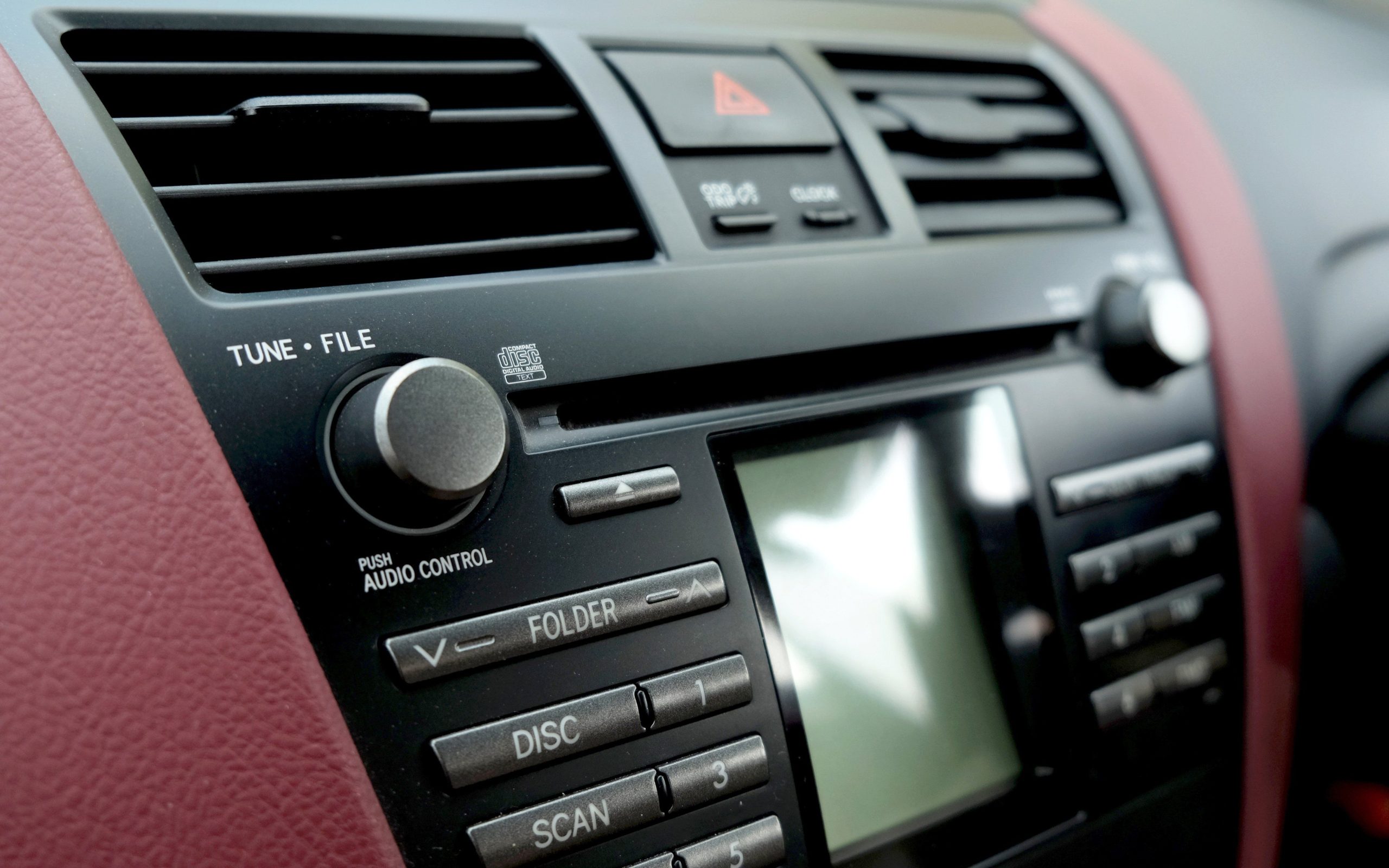
1. Physical Climate Control Buttons
One of the most noticeable changes in modern cars is the disappearance of physical climate control buttons. Many new vehicles now rely entirely on touchscreen interfaces to adjust air conditioning, heater settings, fan speed, and seat ventilation.
While manufacturers argue that this approach creates a cleaner and more futuristic dashboard layout, many drivers find touchscreen-based controls less practical in everyday driving situations. Making simple adjustments, such as changing temperature settings through digital menus, can feel distracting and inconvenient, especially in heavy traffic or poor weather conditions.
Traditional climate control buttons offered immediate tactile feedback. Drivers could adjust settings without taking their eyes off the road because muscle memory made the controls easy to locate and operate. Knobs and switches were intuitive, responsive, and reliable even in rough driving situations.
In contrast, touchscreen controls often require multiple taps, delayed responses, or scrolling through menus. Fingerprints, screen glare, and software lag can further reduce usability. These problems become especially annoying during long trips when drivers need quick access to temperature adjustments.
Several automakers have faced criticism for removing physical controls too aggressively. Drivers and automotive reviewers frequently mention that basic functions should not depend entirely on digital interfaces. Some brands have even started reversing course after negative customer feedback.
Companies like Volkswagen acknowledged that touch-sensitive controls in certain models created usability issues, leading them to reconsider the balance between digital design and practical functionality.
The shift toward touchscreen climate controls is largely driven by manufacturing efficiency and modern design trends. Removing physical buttons reduces production complexity and creates cleaner dashboards that appeal to technology-focused marketing campaigns.
Software-controlled systems also allow manufacturers to standardize components across multiple models, helping reduce costs. However, this approach often prioritizes appearance over convenience, leaving drivers with systems that are visually impressive but less user-friendly in everyday use.
Despite advancements in automotive technology, physical climate controls remain one of the most requested features among car buyers. Many drivers prefer straightforward systems that can be operated instantly without distractions.
As safety concerns around touchscreen usage continue growing, more consumers are recognizing the value of simple and intuitive dashboard layouts. The disappearance of physical climate control buttons serves as a reminder that technological progress does not always improve the driving experience.
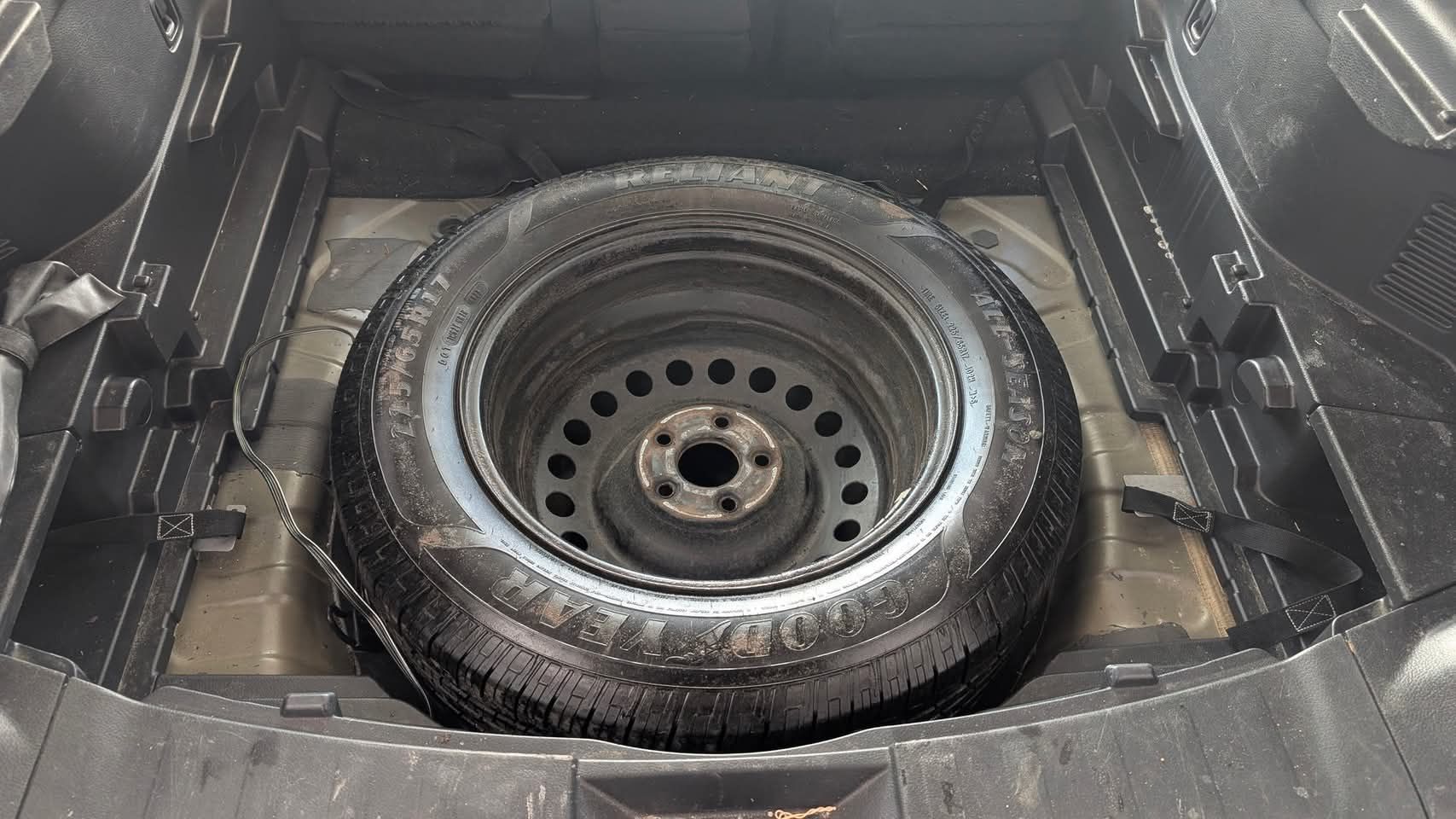
2. Full-Size Spare Tires
Another convenience feature quietly disappearing from modern vehicles is the full-size spare tire. For decades, carrying a proper spare tire was considered essential for road safety and driver confidence.
Today, many automakers replace spare tires with compact emergency spares, tire repair kits, or run-flat tires. While these alternatives reduce vehicle weight and improve fuel efficiency slightly, they often create inconvenience and stress for drivers dealing with unexpected tire damage.
A full-size spare tire provided peace of mind during long trips or remote travel. Drivers could replace a damaged tire quickly and continue driving normally until repairs were available.
Compact spare tires, often called donut spares, come with strict speed and distance limitations. Tire repair kits may only work for small punctures and become useless in cases involving sidewall damage or blowouts. Run flat tires can still leave drivers stranded if damage exceeds their operational limits.
Manufacturers justify removing spare tires by citing fuel economy regulations and cargo space optimization. Every kilogram removed from a vehicle contributes to slightly better efficiency ratings, which helps automakers meet environmental standards.
Electric vehicles also prioritize battery packaging, leaving less room for spare tire storage compartments. Although these reasons make sense from an engineering perspective, many drivers believe the tradeoff sacrifices practicality for marginal efficiency gains.
Roadside assistance services have become more common, encouraging manufacturers to assume drivers no longer need traditional spare tires. However, relying entirely on roadside support is not always convenient. Waiting hours for assistance in remote areas or during bad weather can become frustrating and potentially unsafe. In regions with rough roads or limited service infrastructure, having a reliable spare tire remains extremely valuable.
The disappearance of full-size spare tires reflects a broader trend in the automotive industry where convenience features are removed to achieve technical goals such as efficiency, weight reduction, and manufacturing simplicity.
Yet many drivers continue valuing practical preparedness over minimal fuel savings. For people who travel frequently, drive long distances, or live in rural areas, the absence of a proper spare tire can significantly reduce confidence in newer vehicles.
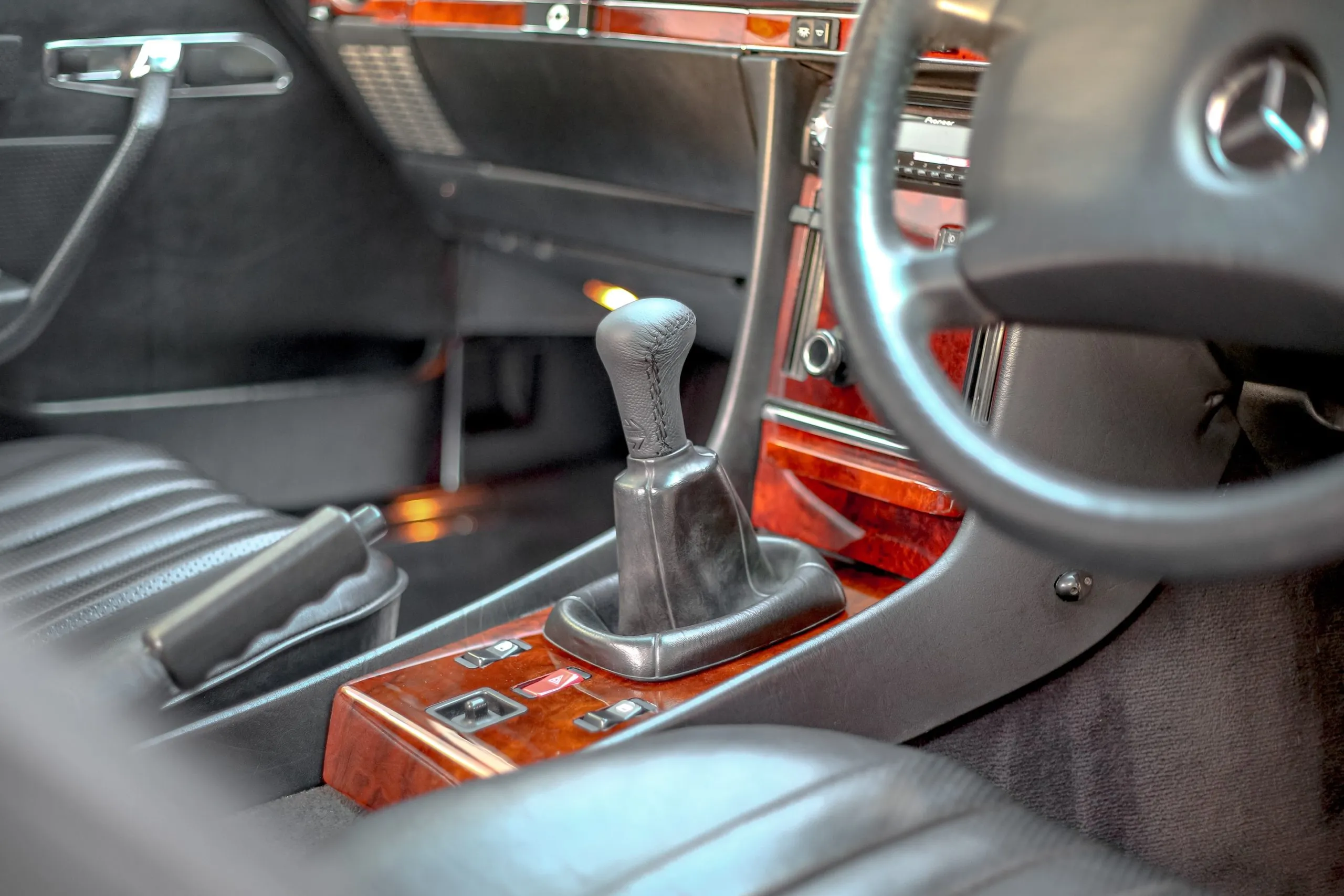
3. Traditional Gear Shifters
Traditional mechanical gear shifters are slowly being replaced by electronic toggles, rotary dials, push buttons, and software-controlled selectors.
While these modern systems free up interior space and contribute to futuristic cabin designs, many drivers miss the simplicity and familiarity of conventional gear levers. Physical shifters provided clear mechanical feedback that made selecting gears intuitive and reliable.
Modern electronic shifters often prioritize style over practicality. Some systems use tiny switches or buttons that can confuse drivers unfamiliar with the layout. In certain cases, inconsistent designs between manufacturers create additional learning curves.
Drivers switching between vehicles may struggle to locate reverse or park functions quickly because every brand implements electronic controls differently. Traditional gear shifters offered universal familiarity that reduced confusion and improved usability.
Mechanical gear selectors also created a stronger physical connection between the driver and the vehicle. Even automatic transmissions felt more engaging with solid gear levers that moved predictably through gear positions. Electronic systems can feel less satisfying because they rely on digital commands rather than physical movement. While this may seem like a minor issue, driver confidence and comfort often depend on intuitive controls.
Automakers favor electronic shifters because they reduce mechanical complexity and create more interior flexibility. Without bulky mechanical linkages, designers gain additional space for storage compartments, cup holders, or center console redesigns.
Electronic systems can also integrate more easily with advanced driver assistance technologies and automated parking features. However, convenience for manufacturers does not always translate into convenience for drivers.
Safety concerns have also emerged around certain electronic shifter designs. Some vehicles received criticism after drivers accidentally selected the wrong gear due to confusing interfaces. Traditional gear levers rarely caused such issues because their physical positions clearly indicated the selected mode.
As automotive interiors continue evolving, many consumers still appreciate straightforward controls that require minimal adjustment or interpretation.
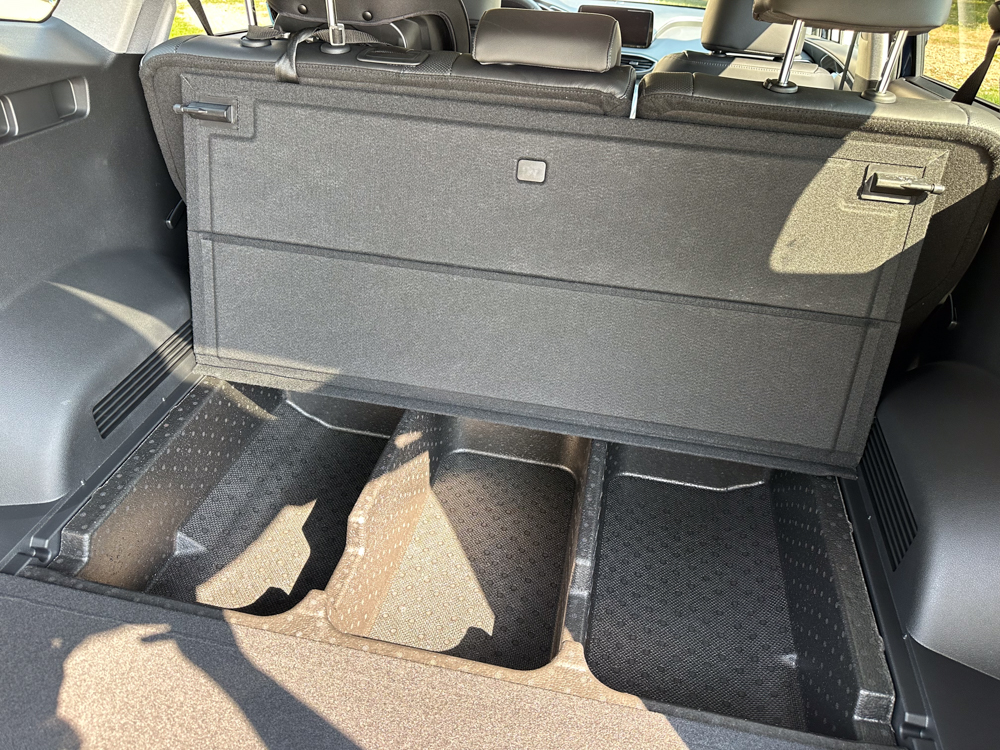
4. Hidden Storage Compartments
Older vehicles often included clever hidden storage compartments designed to improve organization and practicality. Secret dashboard cubbies, under-seat storage bins, center console trays, and concealed compartments in cargo areas helped drivers store valuables, emergency tools, documents, and everyday items discreetly.
In many modern cars, these thoughtful storage solutions are becoming less common as minimalist interior designs dominate the market.
The shift toward cleaner cabin aesthetics has reduced the number of practical storage areas available to drivers. Large touchscreens and simplified dashboards leave less room for hidden compartments.
Manufacturers increasingly focus on visual elegance rather than maximizing utility. While modern interiors may appear sophisticated and uncluttered, they sometimes sacrifice everyday convenience in the process.
Hidden storage spaces served multiple practical purposes. Drivers could keep important items secure and out of sight, reducing clutter inside the cabin. Families benefited from additional organization during road trips, while commuters appreciated easy access to essentials such as sunglasses, charging cables, and paperwork. These small design details often improved the ownership experience significantly.
The disappearance of hidden storage compartments also reflects changing assumptions about consumer behavior. Automakers now expect drivers to carry fewer physical items due to smartphone integration and digital services.
Navigation systems, music streaming, and electronic payments reduce the need for maps, CDs, and physical accessories. However, drivers still carry many personal belongings that require practical storage solutions.
Despite advances in automotive design, functionality remains important for real-world usability. Vehicles are daily tools as much as they are technological showcases.
Hidden compartments may not attract attention in marketing campaigns, but they contribute greatly to convenience and organization. Their gradual disappearance highlights how modern vehicle design increasingly favors aesthetics and digital minimalism over practical versatility.
Also read: 5 Cars Where Trade-In Beats Private Sale vs 5 Where It Doesn’t
5. Manual Handbrakes
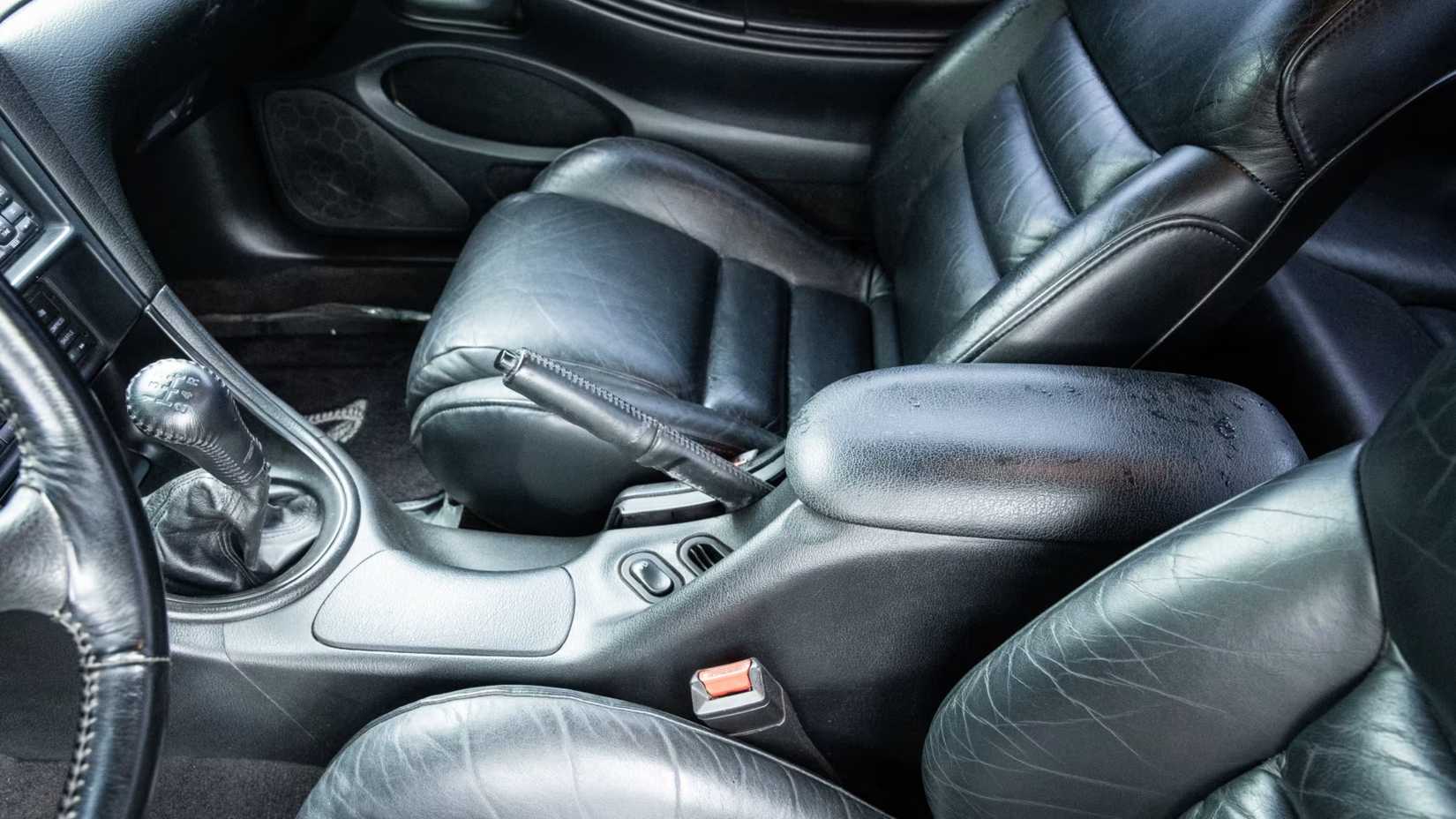
Traditional manual handbrakes are rapidly disappearing from modern cars, replaced by electronic parking brake systems controlled by small buttons or switches.
While electronic parking brakes save interior space and support advanced safety features, many drivers still prefer the reliability and simplicity of mechanical handbrakes. The classic lever provided direct control and immediate feedback that electronic systems cannot fully replicate.
Manual handbrakes were straightforward and dependable. Drivers could easily engage or release them without relying on electronic systems or battery power. In emergency situations, mechanical handbrakes could also assist with vehicle control if the primary braking system failed.
Enthusiast drivers appreciated the tactile involvement and responsiveness that traditional handbrakes provided during certain driving maneuvers.
Electronic parking brakes offer several advantages for manufacturers. They reduce cabin clutter, integrate with hill hold assist systems, and support automated driving technologies. Removing the traditional lever also allows designers to create cleaner center consoles with additional storage or cup holder space. However, these benefits often come at the cost of driver engagement and simplicity.
Repair costs and reliability concerns are additional issues associated with electronic parking brakes. Mechanical handbrakes were relatively inexpensive to maintain and easy to diagnose when problems occurred. Electronic systems rely on sensors, motors, and software, increasing complexity and potential repair expenses. Battery-related failures can also prevent electronic parking brakes from functioning properly under certain conditions.
For many drivers, the removal of manual handbrakes symbolizes the broader shift away from direct mechanical interaction in modern vehicles.
Cars are becoming increasingly automated and software-dependent, reducing the sense of control that drivers once enjoyed. While electronic parking brakes may represent technological progress, they also eliminate a simple and trusted feature that served drivers effectively for generations.

6. Built-In CD Players
Built-in CD players were once standard equipment in almost every vehicle. Drivers relied on them for music, audiobooks, and road trip entertainment long before smartphones and streaming services dominated the automotive experience. Today, CD players are disappearing rapidly from new vehicles as manufacturers prioritize digital connectivity and minimalist interior designs.
The decline of CD players reflects broader changes in media consumption habits. Bluetooth streaming, USB connections, smartphone integration, and subscription music platforms have largely replaced physical media.
Automakers now assume most drivers access entertainment digitally through apps and connected services. As a result, removing CD players frees up dashboard space and reduces manufacturing costs.
Despite the popularity of streaming services, many drivers still value physical media collections. CDs offer reliable audio quality without requiring internet connections or data usage. Audiophiles often prefer CDs because compressed streaming formats can reduce sound fidelity. In rural areas with weak mobile coverage, physical media remains especially practical during long drives.
CD players also provided simplicity and familiarity. Drivers could insert a disc and enjoy uninterrupted playback without dealing with pairing issues, software updates, or subscription fees.
Modern infotainment systems sometimes create distractions due to complex interfaces and connectivity problems. The straightforward functionality of CD players appealed to drivers seeking reliable entertainment without technological complications.
The removal of CD players demonstrates how automakers increasingly design vehicles around connected digital ecosystems. While streaming technology offers undeniable convenience, it also creates dependence on smartphones, mobile networks, and software compatibility.
For drivers who still appreciate physical media ownership and simple audio systems, the disappearance of CD players represents the end of an era in automotive entertainment.
7. Keyed Ignitions
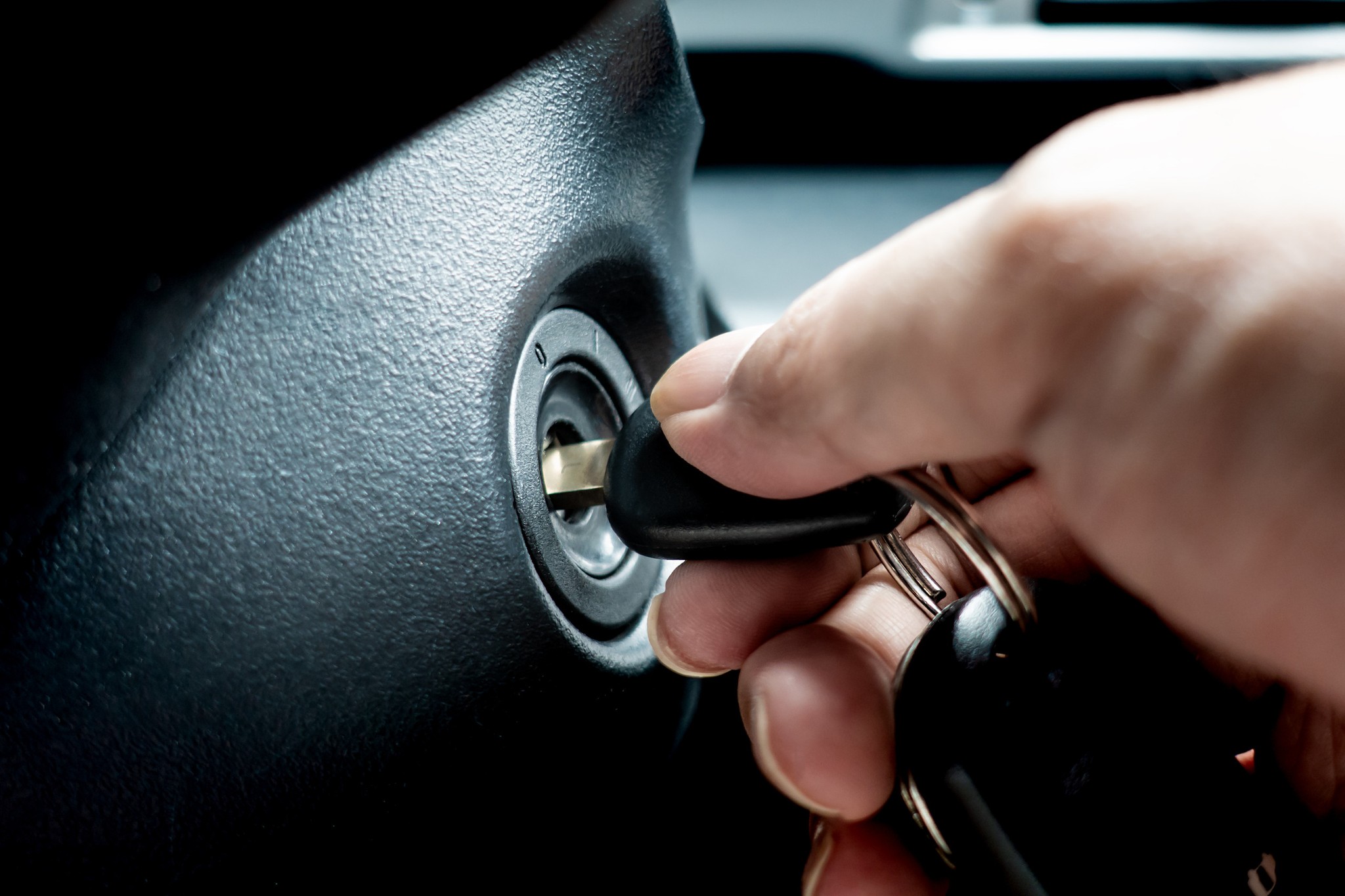
Traditional keyed ignitions are steadily being replaced by push-button start systems and proximity-based smart keys. While keyless technology offers convenience and modern appeal, many drivers still appreciate the reliability and straightforward nature of physical keys. Turning an actual key in the ignition created a familiar routine that many motorists trusted for decades.
Push-button start systems allow drivers to unlock and start vehicles without removing keys from pockets or bags. This convenience has become increasingly popular, especially in premium and technology-focused vehicles. However, smart key systems introduce additional complexity and potential security concerns that traditional keyed ignitions largely avoided.
Keyless systems rely heavily on electronic communication between the vehicle and the key fob. Battery failures, signal interference, or software glitches can prevent vehicles from starting properly. Some drivers also worry about rising rates of relay theft, where criminals use signal amplifying devices to exploit keyless entry systems. Physical keys were generally simpler to secure and harder to manipulate electronically.
Traditional ignitions also provided a stronger sense of mechanical interaction with the vehicle. Drivers could feel the engine engage as they turned the key, creating a direct connection between driver and machine.
Push button systems feel more detached and automated by comparison. While this difference may appear minor, many longtime drivers value the tactile experience associated with conventional vehicle operation.
Manufacturers continue favoring push button systems because consumers increasingly associate them with luxury and advanced technology. Keyless systems also support remote start features and smartphone integration.
However, as vehicles become more digitally dependent, some drivers miss the durability and predictability of simple mechanical solutions. The disappearance of traditional keyed ignitions reflects the automotive industry’s broader movement toward software-centered driving experiences.
8. Opening Rear Windows in Coupes and SUVs
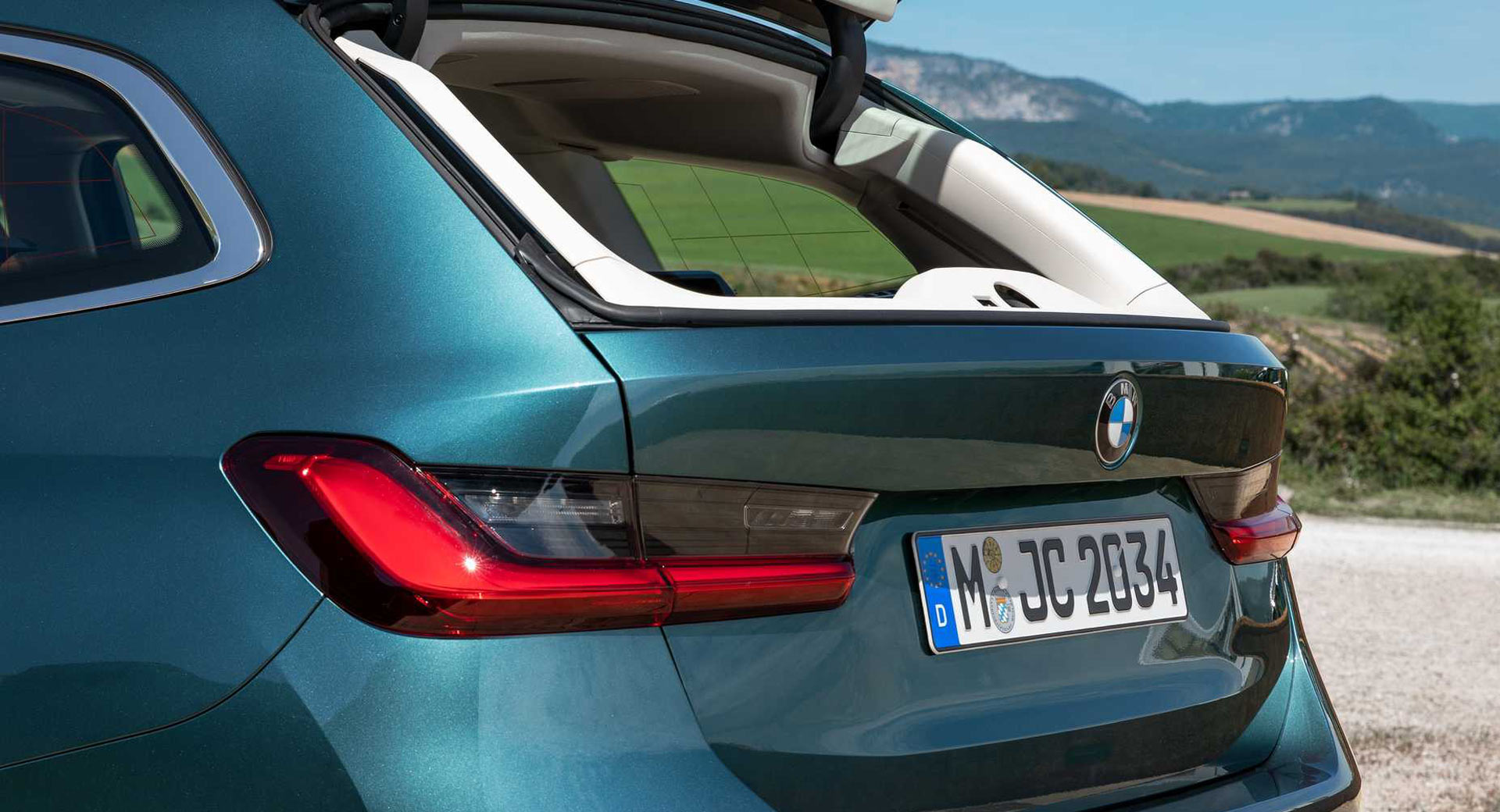
One subtle convenience feature disappearing from many modern vehicles is the ability to fully open rear windows, particularly in coupes, crossovers, and SUVs.
Many newer models now use smaller rear window designs that only partially lower or remain fixed entirely. Although this change often results from structural and styling considerations, it reduces ventilation flexibility and passenger comfort.
Fully opening rear windows once improved airflow throughout the cabin, especially before dual-zone climate systems became common. Drivers could create natural ventilation during mild weather without relying heavily on air conditioning. Rear passengers also benefited from greater comfort and easier communication with people outside the vehicle.
Modern vehicle styling trends increasingly prioritize sloping rooflines, thicker door structures, and aggressive body shapes. These design choices often limit the available space inside rear doors, making full-size retractable windows difficult to engineer. Safety regulations and side impact reinforcement requirements further complicate traditional window designs.
Partial rear windows can become frustrating for passengers during long drives. Reduced airflow affects cabin comfort, particularly in warm climates.
Pet owners and families with children often prefer windows that open fully to improve ventilation and convenience. While panoramic sunroofs and advanced climate systems partially compensate for this limitation, they do not fully replace the practicality of properly opening rear windows.
The disappearance of fully retractable rear windows highlights how modern automotive design increasingly prioritizes visual appeal and structural optimization over simple functionality.
Consumers may not notice this change immediately during showroom visits, but it often becomes apparent during everyday use. As manufacturers continue chasing sleek aesthetics and aerodynamic efficiency, small conveniences like proper rear windows quietly fade away from modern vehicles.
