
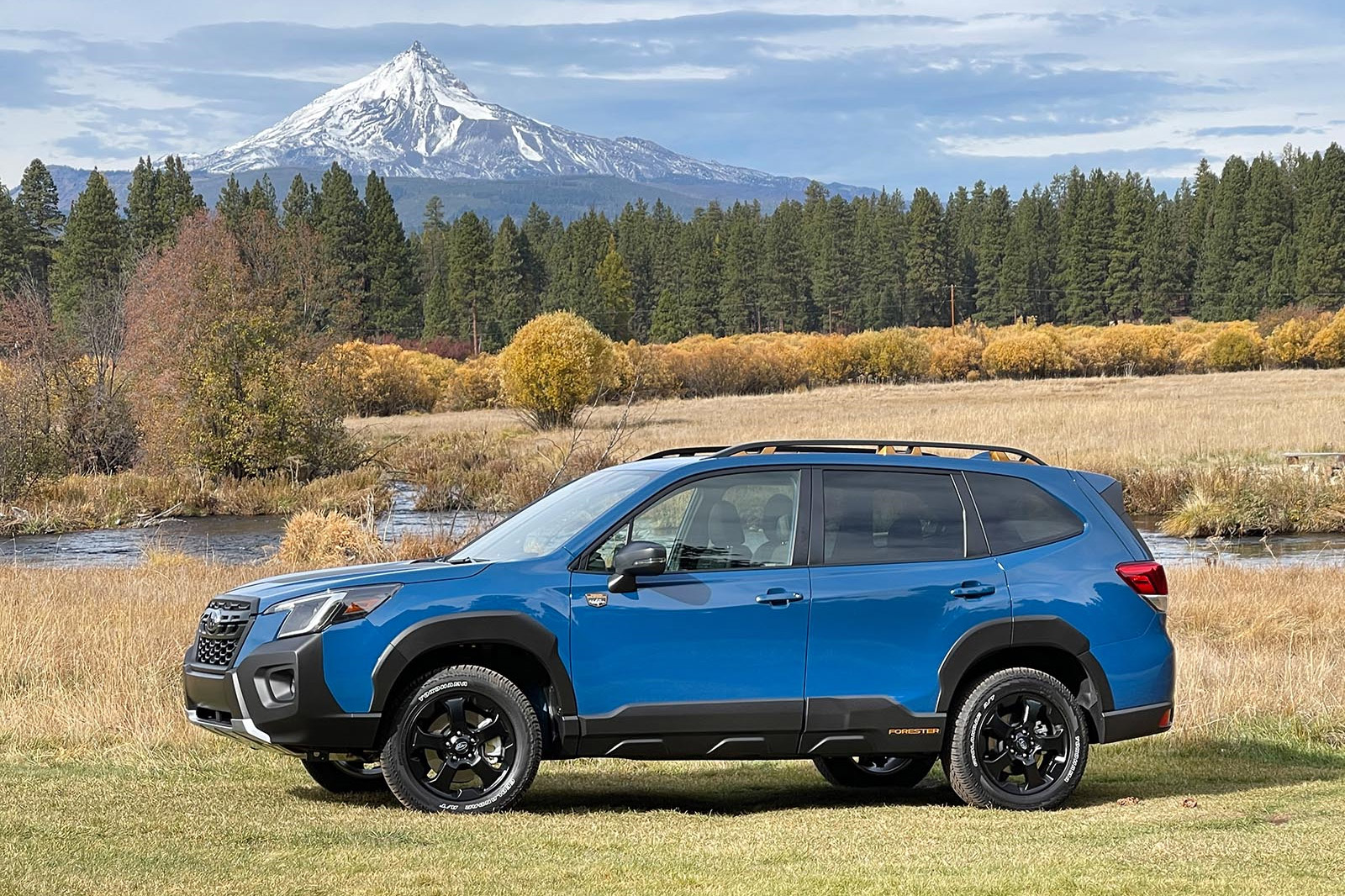
The Subaru Forester has built a loyal following by offering a unique blend of practicality, all-weather capability, safety, and durability. Since its introduction in the late 1990s, the compact SUV has become one of Subaru’s most important models, attracting everyone from outdoor enthusiasts and families to commuters seeking dependable transportation.
Unlike many crossovers that prioritize style over substance, the Forester has traditionally focused on functionality, visibility, cargo space, and confidence-inspiring performance in difficult weather conditions.
Not every Forester generation has achieved the same level of success, however. Some model years developed reputations for reliability concerns, excessive oil consumption, aging technology, or costly maintenance issues.
Others earned praise for longevity, safety ratings, refined driving dynamics, and impressive ownership satisfaction. As a result, choosing the right Forester can make a substantial difference for buyers shopping in the used market.
Ranking Foresters requires evaluating more than a single characteristic. Reliability history, powertrain durability, safety technology, ride quality, practicality, resale value, and long-term ownership costs all contribute to a model’s reputation.
A Forester that performed well when new may not have aged gracefully, while another may have exceeded expectations over hundreds of thousands of miles.
One of the reasons the Forester remains so popular is Subaru’s commitment to standard all-wheel drive. This feature has distinguished the model from many rivals throughout its history. Combined with generous ground clearance and a spacious interior, it has helped the Forester maintain a strong identity in a highly competitive segment.
This ranking examines six notable Forester generations and model years, moving from the least desirable to the strongest version.
Lower-ranked entries are not necessarily bad vehicles, but they possess weaknesses that affect their standing compared with better examples. Higher-ranked Foresters earned their positions through a combination of reliability, capability, comfort, and long-term owner satisfaction.
For buyers considering a used Subaru or simply interested in the evolution of the Forester, these rankings provide a closer look at which versions deserve the most attention and which ones require greater caution.
Also Read: 8 Cars That Are Cheap to Buy and Cheap to Insure
1. 2014 Subaru Forester 2.5i
The 2014 Subaru Forester arrived with significant expectations. Subaru redesigned the model with improved interior space, better fuel economy, and updated technology. On paper, it seemed destined to become one of the brand’s strongest compact SUVs.
Unfortunately, long-term ownership experiences revealed several concerns that place this version at the bottom of the ranking.
The most frequently discussed issue involved excessive oil consumption. Numerous owners reported needing to add oil between scheduled maintenance intervals, sometimes at levels that exceeded normal expectations. While Subaru addressed some concerns through technical updates and warranty actions, the issue remained a major factor influencing the vehicle’s reputation.
What makes oil consumption particularly frustrating is that it often develops gradually. Owners may not notice the problem immediately, but repeated monitoring and additional maintenance can become necessary as mileage accumulates. For buyers seeking a dependable daily vehicle, such concerns naturally affect confidence.
Beyond the engine-related complaints, the 2014 Forester still offered several appealing characteristics. Visibility remained one of the best in the segment. Large windows and a practical seating position gave drivers an excellent view of surrounding traffic and road conditions.
Cargo space was another strength. Subaru designed the Forester with usability in mind, creating a roomy interior that accommodated family activities, outdoor adventures, and everyday errands with ease.
The standard all-wheel-drive system also continued to be a major advantage. Drivers in snowy climates appreciated the confidence and traction the Forester delivered throughout the year.
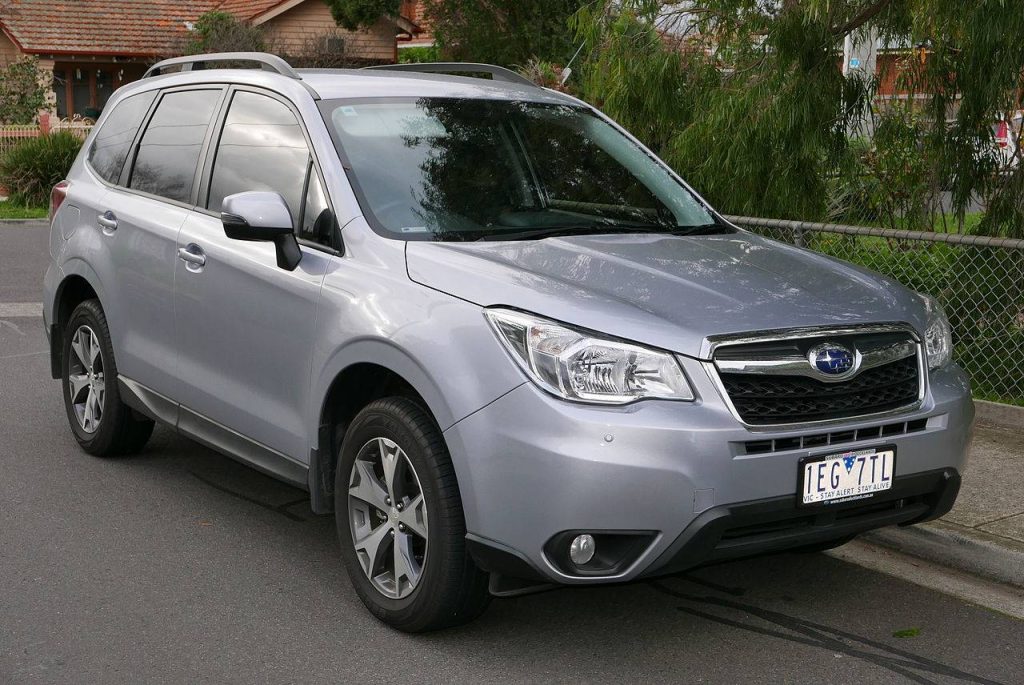
Yet rankings must balance strengths against weaknesses. Reliability concerns ultimately outweigh many of the vehicle’s positive attributes. While plenty of 2014 Foresters continue to serve owners faithfully, the widespread nature of the oil consumption issue prevents this model from ranking higher.
The SUV still demonstrated Subaru’s commitment to practicality and versatility, but buyers researching used Foresters often approach this particular year with greater caution than many others. That combination of useful features and notable drawbacks places it at the bottom of this list.
Specifications
- Engine: 2.5L Flat 4
- Torque: 174 lb-ft
- Horsepower: 170 hp
- Length/Width: 180.9 in / 70.7 in
2. 2009 Subaru Forester 2.5X
The 2009 Forester represented an important moment in the model’s history. Subaru moved toward a larger and more family-oriented design, transforming the vehicle from a wagon-like crossover into something closer to a traditional compact SUV.
At the time, the decision proved successful. Buyers appreciated the increased interior room, improved ride comfort, and enhanced practicality. The Forester became more accessible to mainstream consumers without abandoning its distinctive Subaru character.
Years later, however, several factors prevent the 2009 model from climbing higher in this ranking.
One issue involves refinement. Compared with newer Foresters, the cabin feels noticeably dated. Road noise is more pronounced, infotainment technology is minimal, and many modern convenience features have yet to become standard equipment.
None of these shortcomings was unusual for the era, but they affect how the vehicle compares against later generations.
Reliability was generally respectable, though some owners encountered head gasket concerns, an issue that affected various Subaru models from that period. While not every vehicle experienced problems, the possibility remains part of the model’s long-term ownership story.
Where the 2009 Forester truly shines is in practicality. The redesign created a more spacious interior, improving comfort for passengers and increasing cargo-carrying flexibility. Families found it easy to load luggage, sports equipment, and outdoor gear.
The driving experience emphasized confidence rather than excitement. Subaru’s symmetrical all-wheel-drive system provided dependable traction, particularly in challenging weather conditions. This capability helped establish the Forester’s reputation as a vehicle that could handle environments where many competitors struggled.

Another strength was durability. Numerous examples remain on the road today with substantial mileage, a testament to the underlying robustness of the platform when properly maintained.
The reason this Forester ranks above the 2014 model is simple. While it lacks modern refinement, its mechanical simplicity and proven versatility remain appealing. However, age, older technology, and certain reliability concerns prevent it from competing with the strongest Foresters that would follow.
For buyers seeking an affordable entry into Subaru ownership, the 2009 model can still make sense. Yet when measured against the very best Foresters ever produced, it falls closer to the lower end of the ranking.
Specifications
- Engine: 2.5L Flat 4
- Torque: 170 lb-ft
- Horsepower: 170 hp
- Length/Width: 179.5 in / 70.1 in
3. 2017 Subaru Forester 2.5i Premium
The 2017 Subaru Forester occupies an interesting position in the model’s history because it arrived after Subaru had several years to refine the fourth-generation platform.
Instead of introducing dramatic changes, the company focused on addressing weaknesses, improving safety technology, and enhancing day-to-day usability. The result was a vehicle that felt more polished and mature than many earlier Foresters.
Unlike some SUVs that attempt to attract buyers through aggressive styling, the 2017 Forester continued Subaru’s tradition of prioritizing functionality.
The upright shape, large windows, and generous glass area may not have looked flashy, but they created one of the best visibility experiences in the segment. Drivers could easily judge corners, parking spaces, and surrounding traffic without relying heavily on cameras or electronic aids.
One of the major improvements involved safety. Subaru expanded the availability of its EyeSight driver-assistance system, which introduced technologies such as adaptive cruise control, lane departure warning, and pre-collision braking.
At a time when many competitors were still reserving such features for expensive trim levels, Subaru made advanced safety more accessible.
The driving experience emphasized confidence rather than excitement. Steering felt predictable, ride quality remained comfortable, and the standard all-wheel-drive system continued to deliver excellent traction. Whether driving through rainy highways, snow-covered roads, or gravel paths leading to campsites, the Forester provided reassuring capability.
Another reason the 2017 model earns a middle-to-upper ranking is practicality. The cargo area was large for the class, and the wide rear opening made loading bulky items easier than in many rival crossovers. Families appreciated the roomy rear seats, while outdoor enthusiasts found ample space for camping gear, bicycles, and hiking equipment.
Reliability also improved compared with some earlier years. The oil consumption concerns that affected certain previous models became less prominent, helping restore buyer confidence. Maintenance costs remained relatively reasonable, and many owners reported positive long-term experiences.
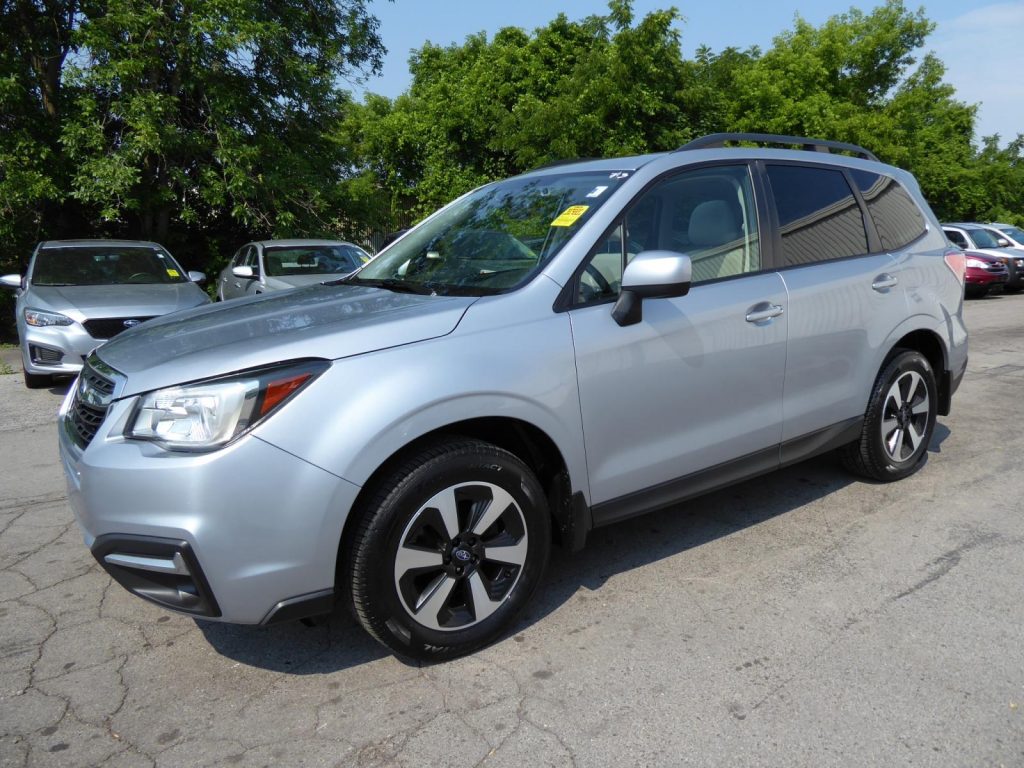
There were still areas where the Forester showed its age. Interior materials, while durable, lacked the premium feel offered by some competitors. The continuously variable transmission could also feel less engaging than traditional automatic transmissions during hard acceleration.
Even with those limitations, the 2017 Forester succeeded because it excelled at the fundamentals. It provided practicality, visibility, safety, and all-weather capability in a package that consistently met the needs of its owners.
For buyers seeking a dependable used Forester without paying premium prices for the newest versions, the 2017 model remains one of the strongest choices available. It represents a point where Subaru’s formula was refined enough to feel highly capable while still retaining the rugged simplicity that helped build the Forester’s reputation.
Specifications
- Engine: 2.5L Flat 4
- Torque: 174 lb-ft
- Horsepower: 170 hp
- Length/Width: 181.5 in / 70.7 in
4. 2020 Subaru Forester Touring
When Subaru introduced the fifth-generation Forester, the company resisted the temptation to reinvent the vehicle completely. Instead, engineers concentrated on improving nearly every aspect of the existing formula. By 2020, those efforts had produced one of the most well-rounded compact SUVs on the market.
The first thing many drivers noticed was refinement. Road and wind noise were reduced compared with previous generations, creating a quieter cabin during highway travel. Long-distance trips became more relaxing, particularly for families spending hours on the road.
The interior represented a significant step forward. Subaru improved material quality throughout the cabin while maintaining the practical layout that owners appreciated.
Controls remained intuitive, visibility stayed excellent, and passenger comfort improved noticeably. The rear seats offered generous space, making the Forester an attractive option for households with growing children.
Safety became a major highlight of the 2020 model. Subaru’s EyeSight suite was now more advanced and widely available, contributing to impressive crash-test performance and strong safety ratings. Features such as adaptive cruise control and lane-centering assistance helped reduce driver fatigue during long journeys.
A different strength emerged when examining cargo versatility. The Forester’s boxy shape maximized usable space, allowing it to carry items that often proved challenging for more stylish competitors. Furniture, outdoor equipment, luggage, and sports gear fit with surprising ease.
Another reason the 2020 Forester ranks highly involves ownership satisfaction. Many drivers appreciated its straightforward nature. The vehicle did not attempt to be sporty or luxurious. Instead, it focused on being exceptionally useful in a wide variety of situations.
Subaru’s symmetrical all-wheel-drive system continued to separate the Forester from many rivals. Combined with generous ground clearance, it allowed owners to confidently tackle rough roads, snowy conditions, and remote destinations that would challenge some front-wheel-drive competitors.
The powertrain was not without criticism. Some drivers wished for more horsepower, particularly when carrying multiple passengers or climbing steep grades. The naturally aspirated engine prioritized efficiency and reliability rather than outright performance.
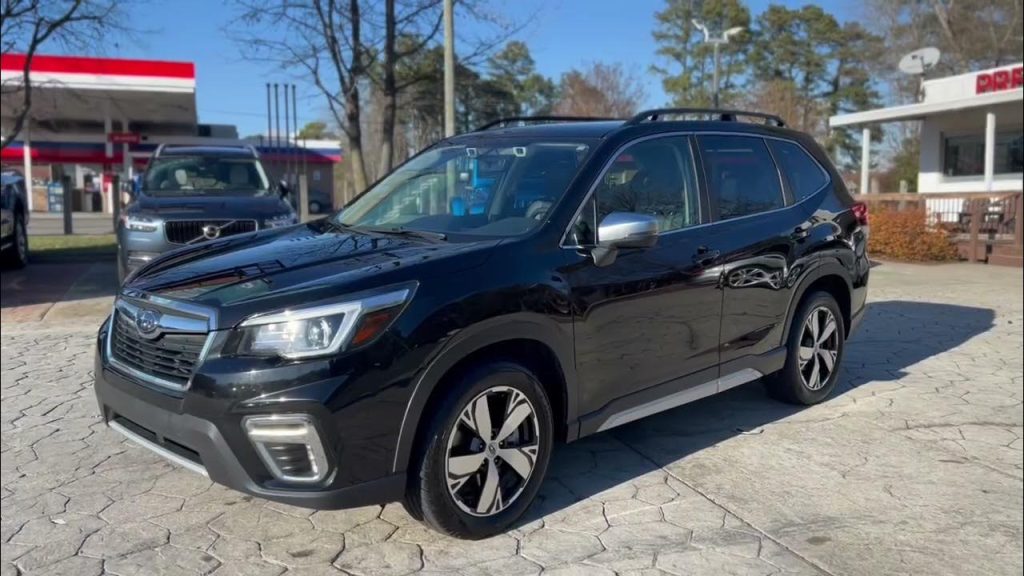
Despite that limitation, the Forester’s strengths were numerous. Excellent visibility, practical packaging, strong safety credentials, dependable all-weather capability, and a comfortable cabin combined to create a highly desirable SUV.
The reason it stops short of the very top positions is that Subaru would continue refining the formula even further. Nevertheless, the 2020 Forester demonstrated just how effective a thoughtfully engineered compact SUV could be when every design decision focused on real-world usability rather than marketing trends.
Specifications
- Engine: 2.5L Flat 4
- Torque: 176 lb-ft
- Horsepower: 182 hp
- Length/Width: 182.1 in / 71.5 in
5. 2022 Subaru Forester Wilderness
The Forester Wilderness represented something many Subaru enthusiasts had been requesting for years.
While the standard Forester was already respected for its capability and practicality, some buyers wanted a version that leaned even further into adventure-oriented driving. Subaru answered that demand with the Wilderness trim, creating one of the most distinctive Foresters ever offered.
Rather than simply adding cosmetic accessories, Subaru made meaningful mechanical changes that enhanced the vehicle’s abilities. Ground clearance increased to 9.2 inches, giving the Forester Wilderness a significant advantage when traveling over uneven terrain.
This improvement allowed drivers to tackle rough forest roads, rocky trails, and snow-covered routes with greater confidence.
The suspension received revisions as well. Engineers tuned the setup to better handle off-road conditions while maintaining reasonable comfort on paved roads. The result was a vehicle capable of transitioning between daily commuting duties and weekend adventures without feeling out of place in either environment.
Another noteworthy upgrade involved the all-wheel-drive system. Subaru modified the gearing and traction management software to improve low-speed capability. These changes may not have transformed the Forester into a dedicated off-road machine, but they provided meaningful benefits when conditions became challenging.
Inside the cabin, practicality remained a priority. Durable materials helped the interior withstand mud, dirt, wet clothing, and outdoor equipment. Owners who regularly camped, hiked, or participated in outdoor sports appreciated having a vehicle designed to handle active lifestyles without excessive concern for wear and tear.
The Wilderness trim also stood out visually. Unique exterior accents, protective body cladding, and rugged styling details differentiated it from standard Forester models. Unlike many appearance packages offered by competitors, these visual enhancements were supported by genuine functional improvements.
One of the strongest arguments in favor of the 2022 Forester Wilderness is versatility. It could comfortably transport a family during the week and then carry camping gear into remote areas on the weekend. Few compact SUVs manage that balance as effectively.
Safety remained another major advantage. Subaru continued offering advanced driver-assistance systems, ensuring that the vehicle’s adventurous nature did not come at the expense of modern safety technology. Owners received the same confidence-inspiring features that helped make the Forester a favorite among families.
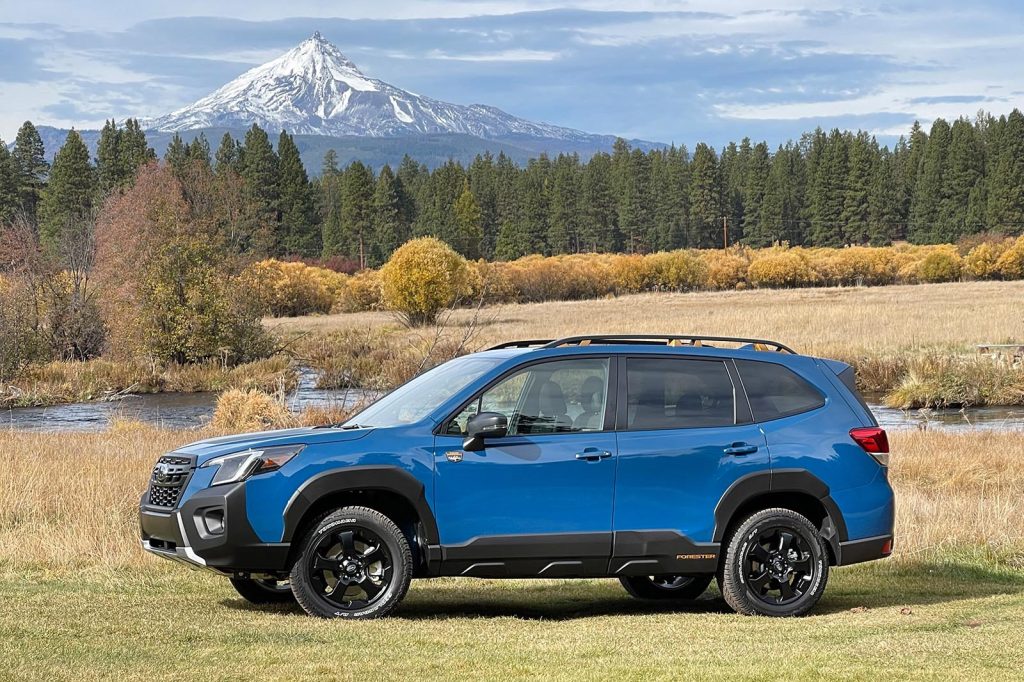
The primary reason this model does not claim the top spot comes down to refinement. While exceptionally capable, the Wilderness trim introduced slightly more road noise and a modest reduction in fuel economy compared with some other Forester variants. These trade-offs were understandable given the vehicle’s mission, but still influenced its ranking.
Even so, the 2022 Forester Wilderness demonstrated Subaru’s willingness to build a vehicle specifically for customers who value outdoor capability.
It enhanced an already strong platform while preserving the practicality, safety, and reliability that made the Forester successful. For adventure-minded buyers, it remains one of the most appealing Foresters ever produced.
Specifications
- Engine: 2.5L Flat 4
- Torque: 176 lb-ft
- Horsepower: 182 hp
- Length/Width: 182.7 in / 72.0 in
6. 2025 Subaru Forester
The best Subaru Forester ever produced is the 2025 model. Reaching this position was not the result of one dramatic innovation or revolutionary redesign. Instead, it reflects more than two decades of continuous improvement, refinement, and careful attention to owner feedback.
Every successful Forester generation contributed something valuable to the model’s evolution. Earlier versions established the formula of standard all-wheel drive, excellent visibility, and practical packaging.
Later generations introduced advanced safety systems, improved refinement, and greater comfort. The 2025 Forester brings all of those strengths together more effectively than any version before it.
One of the first things drivers notice is the increased sophistication of the vehicle. The exterior design remains recognizably Forester, yet it appears more modern and confident. Subaru resisted the temptation to sacrifice practicality for dramatic styling.
The upright profile continues to maximize interior room while preserving the excellent outward visibility that has long been a hallmark of the model.
Inside, the cabin represents the most refined Forester environment to date. Material quality has improved substantially compared with earlier generations, creating a more premium atmosphere without abandoning durability.
Seats provide excellent support during long trips, controls remain easy to understand, and the interior layout emphasizes functionality rather than unnecessary complexity.
Technology integration is another area where the 2025 model excels. Modern infotainment features, connectivity options, and driver-assistance systems are seamlessly incorporated into the vehicle. Rather than overwhelming drivers with excessive menus and complicated interfaces, Subaru focused on making technology accessible and intuitive.
Safety continues to be one of the Forester’s defining characteristics. The latest version of EyeSight driver-assistance technology offers improved performance and broader functionality. Combined with strong crash-test credentials and Subaru’s longstanding commitment to occupant protection, the 2025 Forester provides exceptional peace of mind.
The driving experience has also matured significantly. Ride quality strikes an impressive balance between comfort and control.
Highway travel feels composed and quiet, while rough roads are handled with confidence. The standard all-wheel-drive system remains one of the best in the segment, delivering dependable traction in rain, snow, and off-pavement conditions.
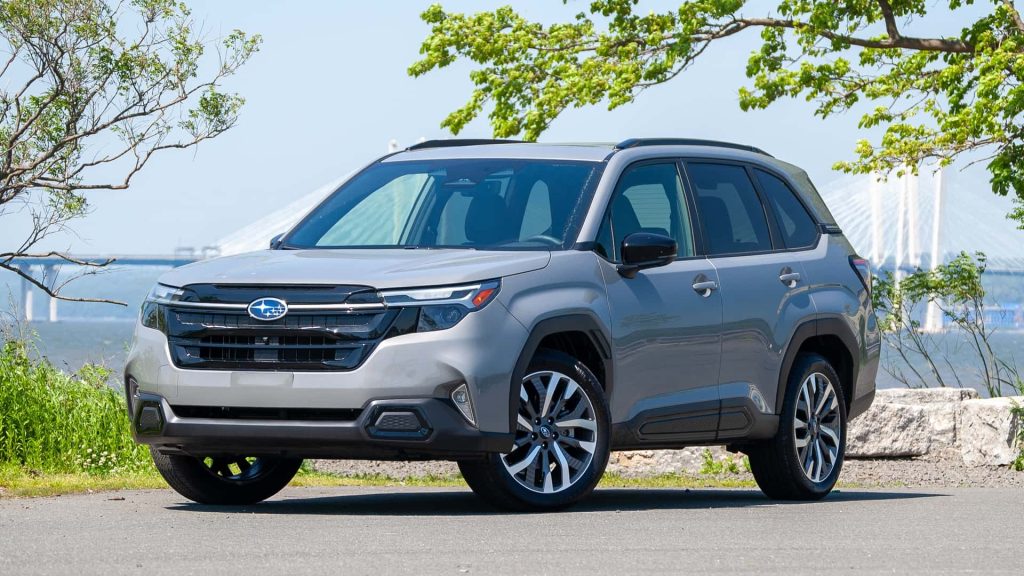
Cargo capacity and passenger accommodations remain among the Forester’s strongest assets. Families, pet owners, outdoor enthusiasts, and commuters all benefit from the vehicle’s spacious design. The rear seats provide ample room for adults, while the cargo area easily accommodates luggage, sports equipment, and everyday necessities.
Unlike some competitors that excel in one category while compromising another, the 2025 Forester performs exceptionally well across nearly every area that matters to buyers. Reliability expectations are strong, safety technology is advanced, practicality remains outstanding, and comfort has reached new levels.
That combination of strengths is why the 2025 Forester earns the top position in this ranking. It represents the most complete expression of Subaru’s vision for the Forester and demonstrates how thoughtful evolution can produce an SUV that excels in real-world ownership.
Specifications
- Engine: 2.5L Flat 4
- Torque: 178 lb-ft
- Horsepower: 180 hp
- Length/Width: 183.3 in / 72.0 in
Also Read: 8 Cars With the Most Expensive Brake Jobs in America
