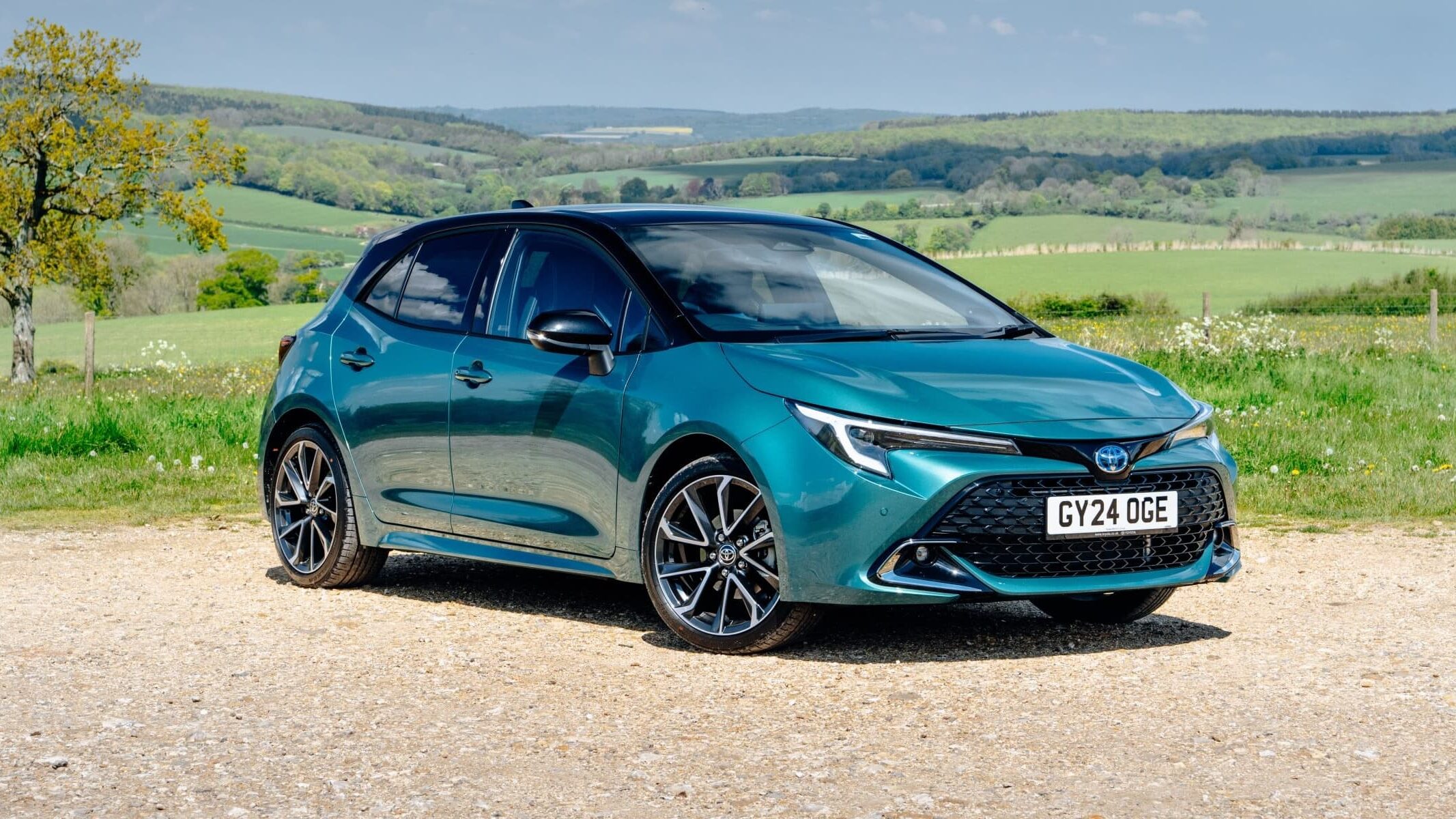
Behind the sleek dashboards and intuitive touchscreens of modern cars lies a layer of software most drivers will never see. Today’s vehicles are no longer just mechanical machines; they are highly computerized systems packed with sensors, control units, and diagnostic tools that constantly monitor performance.
To support maintenance and troubleshooting, manufacturers build hidden service menus into infotainment systems and instrument clusters, giving technicians access to detailed vehicle data, calibration settings, and system tests. These menus are typically locked away from everyday users to avoid confusion and prevent unintended changes that could affect safety or reliability.
This feature set appears across a wide range of models, from economy hatchbacks to luxury sedans and full-size trucks. In “8 Cars With Hidden Diagnostic Menus Owners Aren’t Supposed to See,” we explore how brands like Toyota, Honda, Ford, BMW, Subaru, Mercedes-Benz, Audi, and Volkswagen embed powerful engineering interfaces inside their vehicles, revealing just how advanced modern automotive technology has become.
1. Toyota Corolla
The Toyota Corolla includes hidden diagnostic and maintenance menus primarily intended for factory technicians. In models such as the Corolla, these systems can be accessed through specific button sequences and accessory-mode startup procedures that place the infotainment unit into a factory diagnostic interface.
This mode allows technicians to run system checks, view live sensor data such as engine parameters, throttle position, and fuel trims, and test components like speakers, cameras, and display calibration.
It can also activate a maintenance mode that keeps the engine running continuously and disables systems like traction control, which is useful during servicing but potentially unsafe for everyday driving. Toyota restricts access to these functions to prevent accidental changes that could damage vehicle systems, disable safety features, or void warranties.
The Corolla is powered by a 2.0-liter four-cylinder engine producing around 169 horsepower, paired with a continuously variable transmission. A hybrid variant is also available, offering higher fuel efficiency but more modest acceleration. Performance is adequate for daily commuting, though not particularly sporty compared to rivals, with relaxed handling and predictable steering. The suspension is tuned for comfort, though sport-oriented trims add stiffness and larger wheels for improved agility.
Fuel economy is one of the Corolla’s strengths, with the hybrid achieving significantly higher efficiency than the gasoline model. Interior design emphasizes simplicity and practicality, offering reasonable comfort, modern materials, and configurable features such as climate control, heated seats, and ambient lighting. Cargo space varies by body style, with the sedan providing a deeper trunk while the hatchback offers more flexible loading when rear seats are folded.
Technology includes an 8-inch touchscreen with smartphone integration, optional larger displays, digital instrument clusters, USB-C ports, and available wireless charging. Safety is a major focus, with Toyota Safety Sense 3.0 providing standard driver-assistance features like adaptive cruise control, lane-keeping assist, and emergency braking.
The Corolla balances efficiency, reliability, and everyday usability, while its hidden diagnostic systems highlight the complex electronic architecture behind modern vehicles.
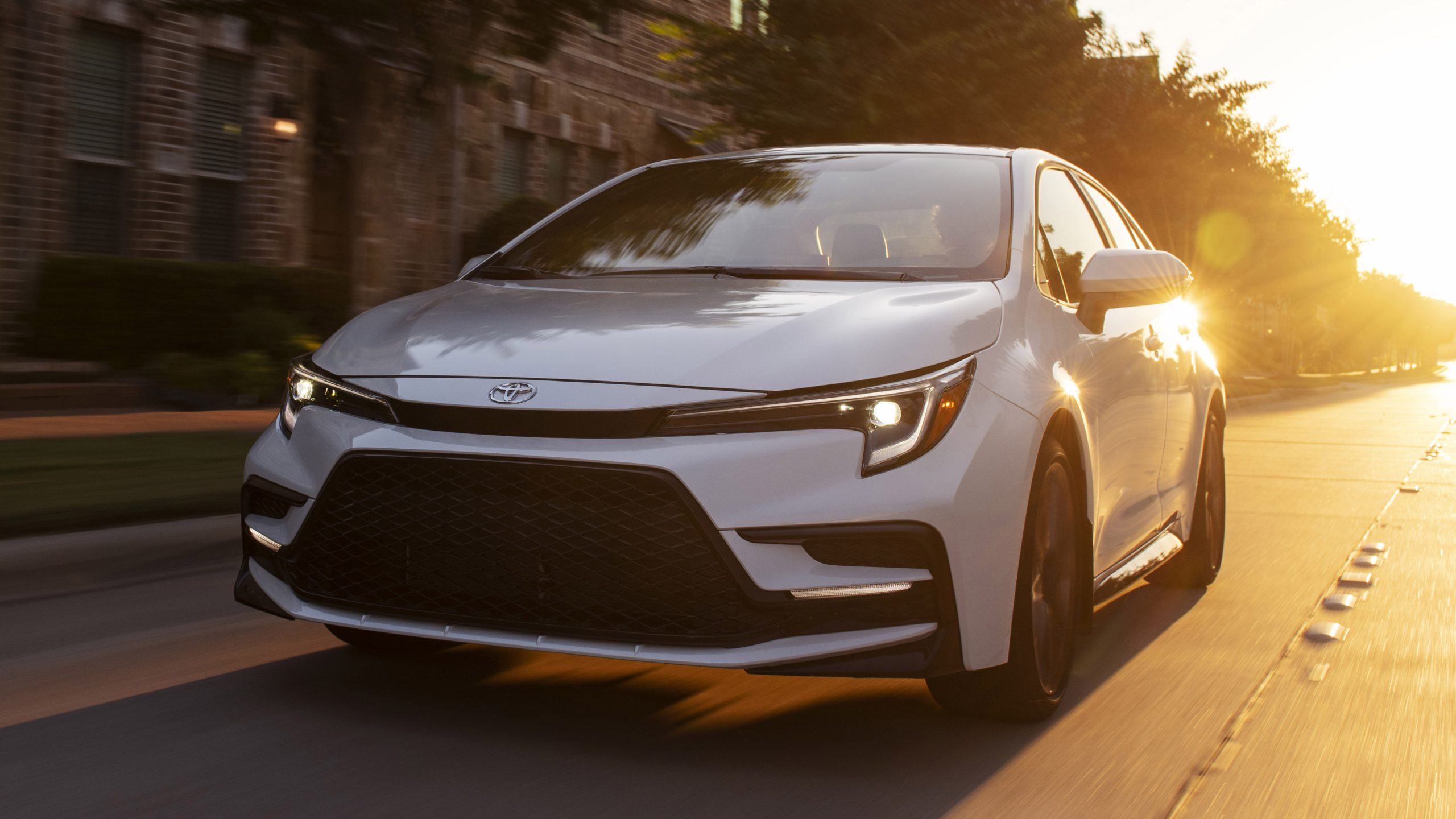
- Engine: 2.0L Dynamic Force inline-4 (gas)
- Horsepower: 169 hp @ 6,600 rpm
- Torque: 151 lb-ft (205 Nm) @ 4,400 rpm
- Length: 182.3 in (4,630 mm)
- Width: 70.1 in (1,781 mm)
2. Honda Civic
The Honda Civic contains a concealed diagnostic and telemetry interface that can be activated through a specific sequence of touchscreen inputs while the vehicle is running.
When triggered, the infotainment system switches into an engineering-oriented mode that exposes internal software layers, including sensor data streams, system configuration menus, and calibration tools for components such as the infotainment unit and rear camera system.
This environment is primarily intended for professional technicians who need to diagnose issues like Bluetooth malfunctions, navigation signal disruptions, or audio system faults without immediately replacing hardware.
These restricted menus exist to protect the vehicle’s interconnected electronic systems from unintended changes. Modern Civics rely on multiple communication networks linking safety, infotainment, and powertrain functions, meaning incorrect adjustments could disable key features or destabilize system performance.
They also help reduce the risk of misinterpreting diagnostic trouble codes, ensuring that complex electronic issues are handled correctly by trained service personnel. Some hidden settings can affect safety systems or display raw operational data, which is why access is intentionally limited.
Powertrain options define much of the Civic’s driving character. The standard version uses a 2.0-liter four-cylinder engine producing about 150 horsepower, paired with a continuously variable transmission and front-wheel drive layout. This setup prioritizes efficiency and smoothness over performance, delivering adequate responsiveness for commuting and city driving. The hybrid variant pairs the same engine with dual electric motors, raising output to roughly 200 horsepower and significantly improving acceleration and refinement.
Efficiency is one of the Civic’s strongest attributes, particularly in hybrid form, where fuel economy can reach around 50 mpg combined under optimal conditions. Inside, the cabin is designed for practicality, with a clean layout, comfortable seating, and useful storage spaces. Hatchback variants expand cargo flexibility, while both body styles provide enough room for everyday use and travel needs.
Technology offerings include touchscreen infotainment systems ranging from 7 to 9 inches, smartphone connectivity through Apple CarPlay and Android Auto, optional premium audio setups, and available digital instrument clusters.
Safety equipment is extensive, with features such as adaptive cruise control, lane-keeping assist, and automatic emergency braking included as standard, while higher trims add blind-spot monitoring and parking assistance systems. The Civic balances efficiency, technology, and usability within a straightforward and accessible package.
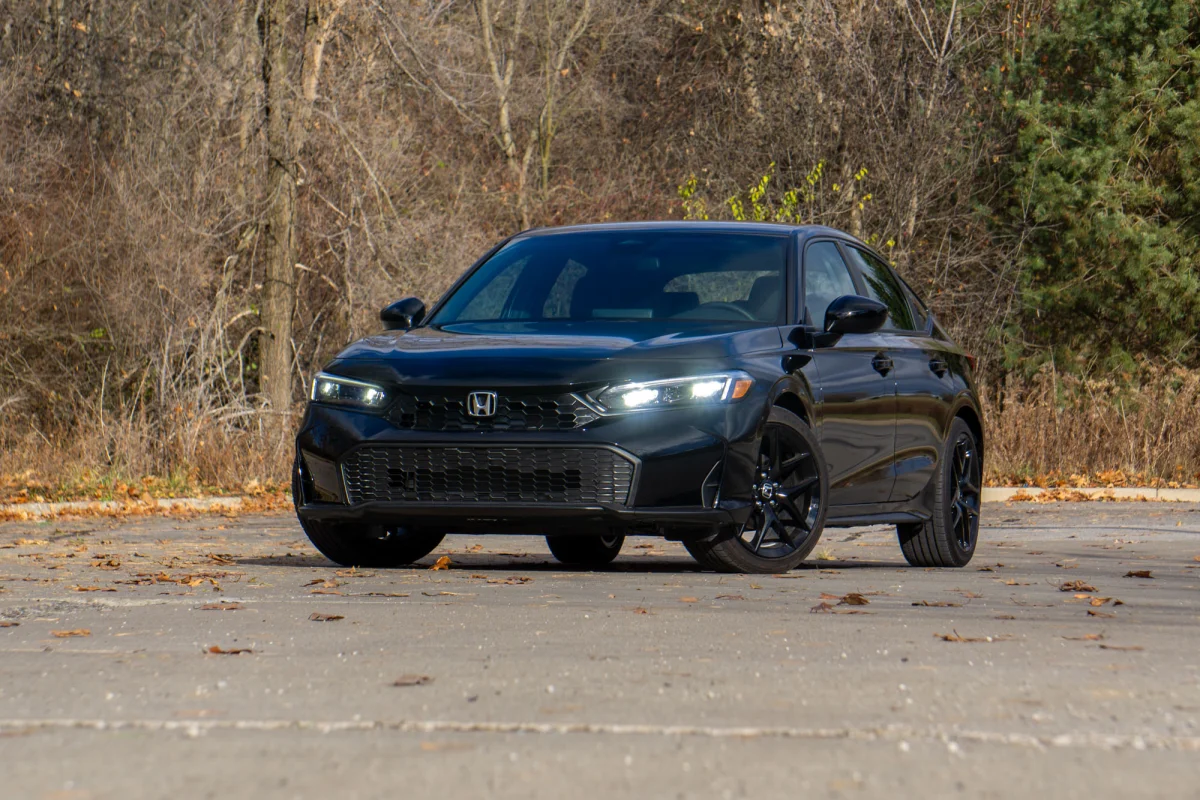
- Engine: 2.0L Atkinson-cycle inline-4 + dual electric motors (Honda e:HEV two-motor hybrid system)
- Horsepower: 200 hp (combined system output)
- Torque: 232 lb-ft (315 Nm)
- Length: 184.8 in (4,694 mm)
- Width: 70.9 in (1,802 mm)
3. Ford F-150
The Ford F-150 includes a hidden “Engineering Test Mode” accessible through the digital instrument cluster, activated by holding the steering wheel’s OK button during engine start. Once enabled, the system opens a diagnostic interface that displays raw vehicle data typically reserved for engineers and factory technicians.
This includes real-time readings such as coolant temperature, battery voltage, fuel flow metrics, digital speed, and RPM values, and stored diagnostic trouble codes. It functions as an internal monitoring system that helps assess vehicle health, especially under demanding conditions like towing or heavy hauling.
Ford restricts access to this mode because the information is highly technical and unfiltered. The data includes constantly changing sensor outputs, hexadecimal codes, and system frequencies that can overwhelm typical drivers. Without proper context, such information could lead to confusion, unnecessary repair requests, or misinterpretation of normal fluctuations as mechanical problems. Limiting access ensures that complex diagnostic insights remain in the hands of trained technicians.
The F-150 offers a wide range of powertrains, including turbocharged V6 engines, a naturally aspirated V8, and a hybrid setup that combines a twin-turbo V6 with an electric motor. All versions are paired with a 10-speed automatic transmission and are available in rear-wheel or four-wheel drive configurations.
Performance varies across trims, with acceleration ranging from moderate to quick depending on engine choice. While capable and stable in handling, the truck’s leaf-spring rear suspension prioritizes load-bearing strength over ride comfort compared to some competitors.
Capability is one of the F-150’s defining traits, with towing capacity reaching up to 13,500 pounds and payload capacity exceeding 2,400 pounds. Fuel economy varies by engine, with hybrid models offering improved efficiency while still maintaining strong utility performance.
The truck’s cabin is designed to accommodate a wide range of buyers, from commercial users to those seeking a more upscale experience. Lower trims emphasize durability and functionality, while higher trims add premium materials, enhanced comfort features, and a more refined interior environment. Crew Cab models provide generous passenger space, flexible seating arrangements, and numerous storage solutions that improve practicality for both work and family use.
Technology is anchored by Ford’s SYNC 4 infotainment system, which operates through a 12-inch touchscreen and supports smartphone integration, over-the-air updates, and available navigation. Safety features include standard systems such as automatic emergency braking and blind-spot monitoring, while advanced driver-assistance technologies, including hands-free driving capability, are available through Ford’s subscription-based platform.
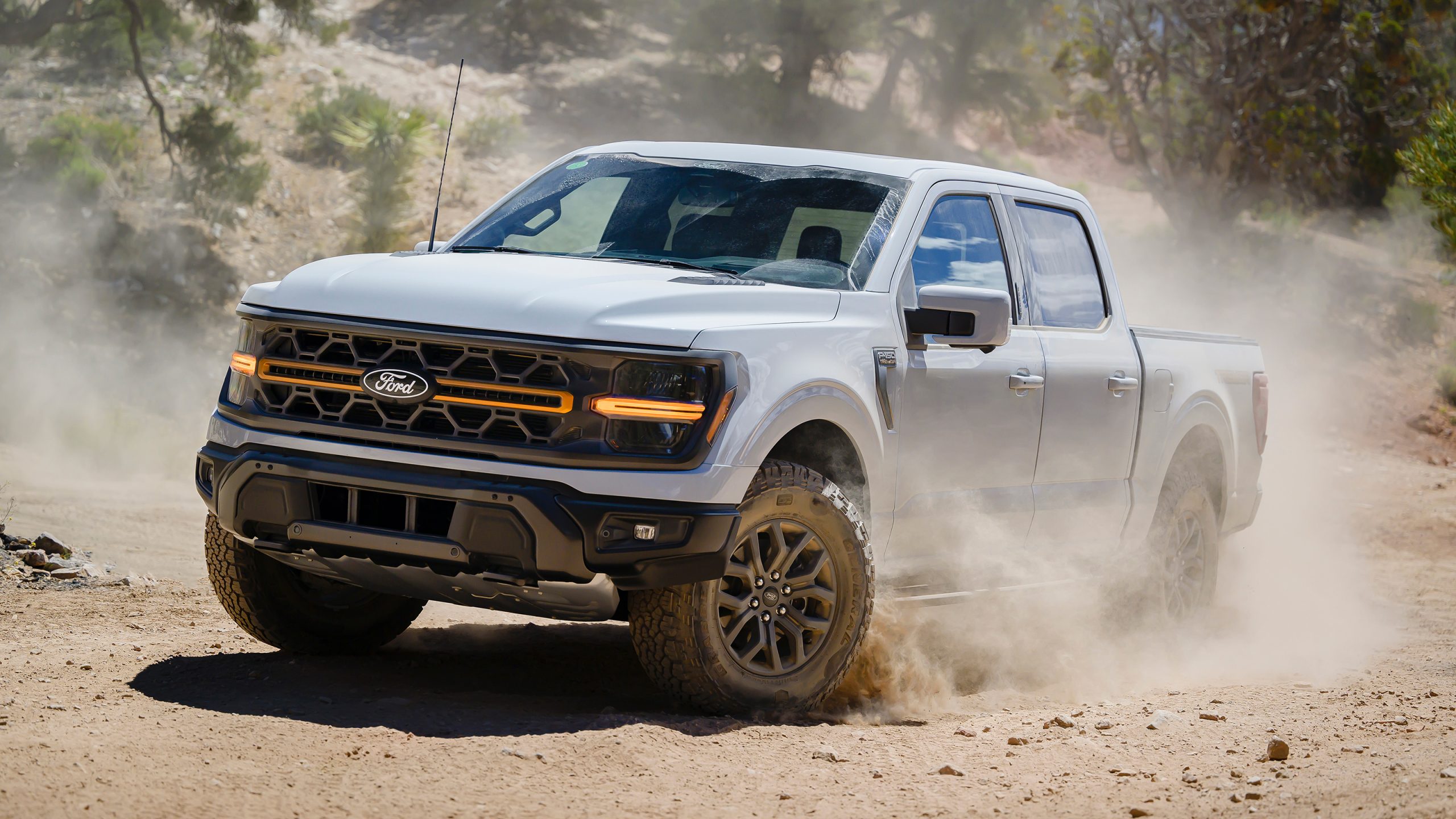
- Engine: 3.5L PowerBoost™ twin-turbo V6 hybrid (integrated electric motor)
- Horsepower: 430 hp
- Torque: 570–578 lb-ft
- Length: 231.7–243.5 in (SuperCrew, 5.5 ft or 6.5 ft bed)
- Width: 79.9 in (2,029 mm) (without mirrors) / 95.7 in (with mirrors extended)
4. BMW 3 Series
The BMW 3 Series includes a concealed diagnostic interface within its instrument cluster designed to restrict access to sensitive vehicle data. Activation requires a specific sequence using the trip reset button and ignition cycle, followed by an unlock code derived from the vehicle’s VIN.
Once accessed, the system provides real-time technical information such as precise engine RPM, coolant temperature, battery voltage, and detailed fuel system readings. These features are intended for technicians and engineers who need accurate system diagnostics beyond what is shown in the standard driver display.
BMW limits access to these menus to prevent unintended changes that could affect vehicle safety or performance. The system contains low-level controls for hardware testing, module resets, and chassis configurations, which could cause malfunctions or require expensive reprogramming if altered incorrectly.
It also helps prevent misinterpretation of fluctuating sensor data, such as temperature or voltage changes that are normal during driving but may appear alarming to untrained users. Restricted access also ensures that complex diagnostic tasks are handled through authorized service channels.
The BMW 3 Series continues to build its reputation around an engaging driving experience. Buyers can choose between a turbocharged 2.0-liter four-cylinder rated at 255 horsepower or a turbocharged 3.0-liter inline-six producing 386 horsepower. Both powertrains work with a 48-volt mild-hybrid system and an eight-speed automatic transmission, providing smooth power delivery and quick responses.
Performance is particularly impressive in the M340i, which can accelerate to 60 mph in less than four seconds while still offering a comfortable ride and composed handling, especially when equipped with the available adaptive suspension.
Despite its performance-oriented character, the 3 Series remains relatively efficient, with the four-cylinder variant delivering the strongest fuel economy figures and the six-cylinder model balancing additional power with respectable consumption. Inside, the cabin blends luxury and functionality through premium materials, supportive seats, and a modern dashboard dominated by a digital instrument cluster and a large infotainment display. Rear-seat accommodations are suitable for two adults, while trunk space remains competitive for the segment.
A broad range of technology features further enhances the ownership experience. Standard equipment includes wireless smartphone connectivity, advanced driver-assistance systems, and collision-mitigation technologies, while higher trims and option packages add premium audio systems, expanded digital displays, and additional driver aids. The result is a luxury sport sedan that successfully combines refinement, technology, and everyday practicality with strong performance credentials.
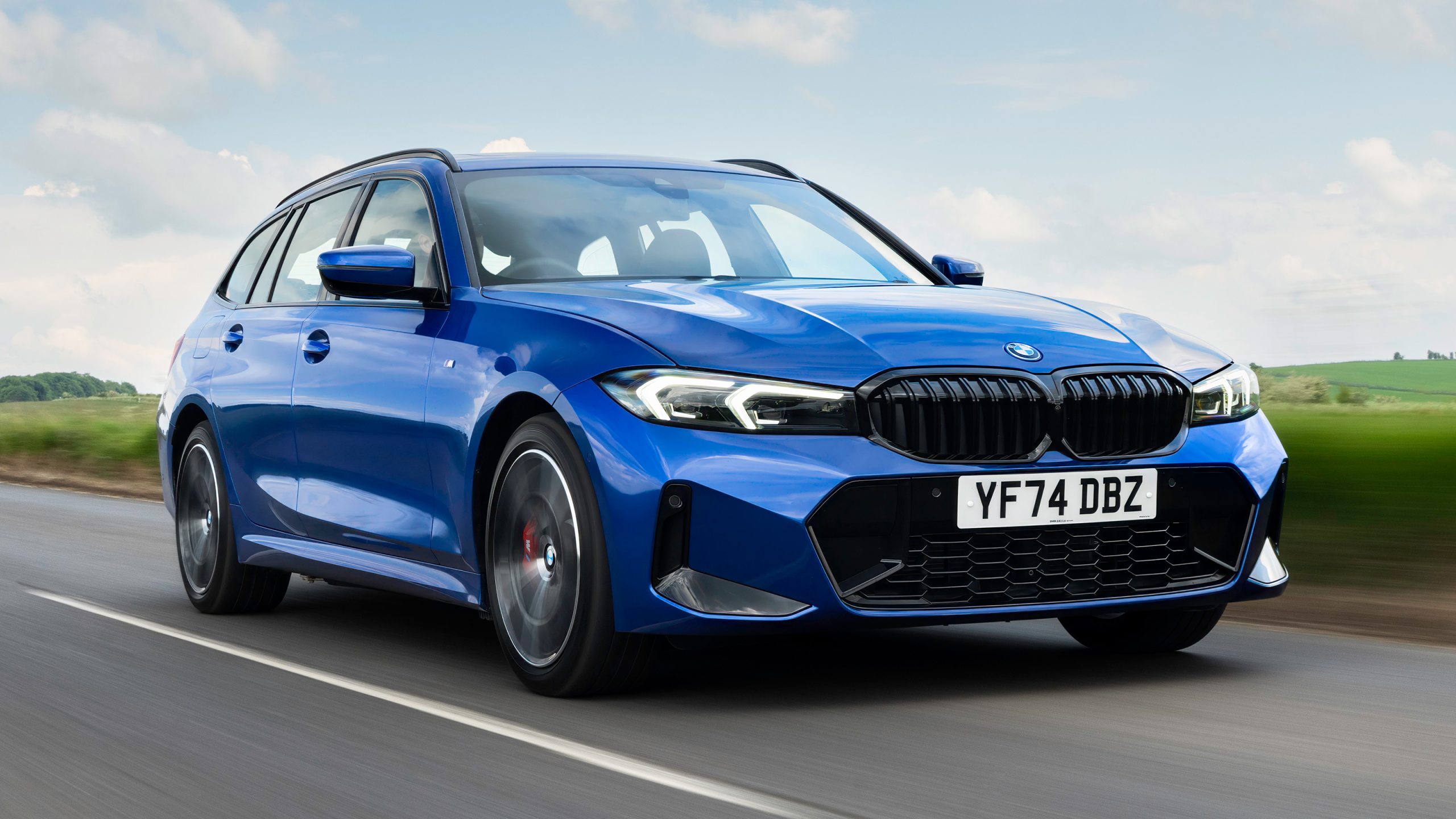
- Engine: 3.0L BMW M TwinPower Turbo inline-6 with 48V mild-hybrid system
- Horsepower: 386 hp
- Torque: 398 lb-ft
- Length: 185.7 in (4,713 mm)
- Width: 71.9 in (1,827 mm)
Also read: 5 Cars Where Trade-In Beats Private Sale vs 5 Where It Doesn’t
5. Subaru Outback
The Subaru Outback includes a concealed “Dealership Mode” within its infotainment system designed for technicians to access detailed vehicle diagnostics. On models equipped with the 11.6-inch touchscreen, this mode can be triggered through specific button sequences in accessory mode.
Once activated, it provides access to advanced system data such as transmission fluid temperatures, CAN bus communication status, battery voltage, climate control fault history, and calibration tools for driver-assistance cameras. These functions are intended for professional use to support deeper diagnostics and maintenance.
Subaru hides these menus to prevent misuse by everyday drivers, as the data can be complex and easily misinterpreted. Incorrect adjustments or readings could lead to unnecessary repairs or accidental changes to safety and comfort systems. The interface is also designed to support technician workflows, allowing them to test components, analyze system logs, and diagnose electrical issues more efficiently.
The Outback is offered with two engine choices, including a 2.5-liter four-cylinder producing 180 horsepower and a turbocharged 2.4-liter engine producing 260 horsepower. Both are paired with a continuously variable transmission and standard all-wheel drive.
The vehicle is designed for mixed-use driving, balancing comfort with light off-road capability. While the base engine prioritizes efficiency over performance, the turbocharged version delivers stronger acceleration and improved responsiveness, though the CVT can feel less refined under hard acceleration.
Capability is a key strength, with towing capacity reaching up to 3,500 pounds on turbo models and generous ground clearance supported by selectable terrain modes. The Wilderness trim enhances off-road performance further with increased ride height, adaptive suspension, and rugged tires.
Efficiency remains one of the Outback’s strengths, though fuel consumption varies depending on powertrain choice. Models equipped with the standard engine deliver the best mileage, while turbocharged versions and the more rugged Wilderness trim trade some efficiency for additional performance and off-road capability.
Recent updates have also improved the cabin experience, introducing a more contemporary design, greater passenger comfort, expanded cargo capacity, and smarter storage solutions for everyday versatility.
The Outback’s technology suite is centered on a 12.1-inch touchscreen that supports smartphone connectivity, voice commands, and faster system responses than previous generations.
Every trim includes a comprehensive set of driver-assistance features, including adaptive cruise control, lane-centering technology, and collision-mitigation systems, while select models add enhanced highway-driving aids. Together, these features reinforce the Outback’s reputation as a practical and comfortable crossover with the capability to handle both daily commuting and more demanding adventures.
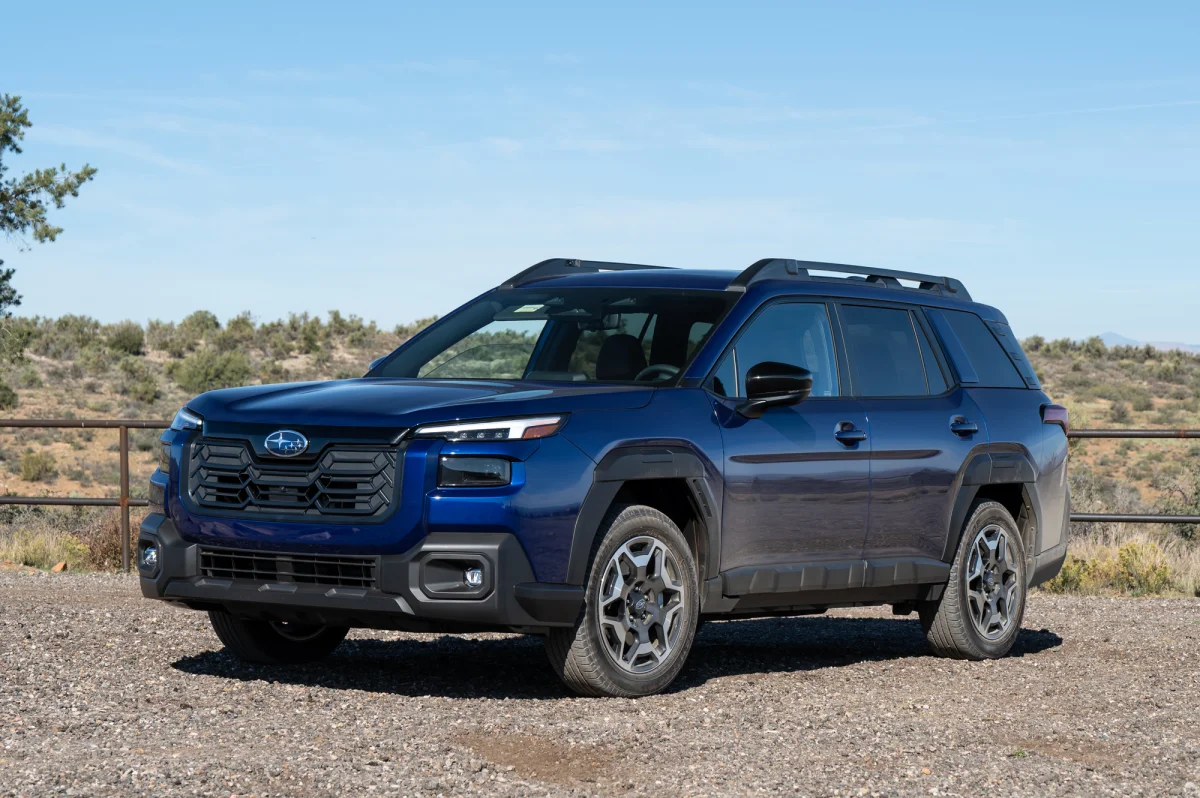
- Engine: 2.4L turbocharged BOXER 4-cylinder (Subaru Onyx Edition XT / Wilderness)
- Horsepower: 260 hp
- Torque: 277 lb-ft
- Length: 191.7 in (≈4,870 mm)
- Width: 74.0 in (≈1,880 mm)
6. Mercedes-Benz C-Class
The Mercedes-Benz C-Class includes a hidden “Dealer Mode” or engineering menu within its MBUX infotainment system, a feature primarily intended for technicians and service professionals rather than everyday drivers. Accessible through a specific sequence in the vehicle’s settings, this restricted interface allows technicians to view advanced diagnostic information, system configurations, and vehicle health data that are normally concealed from owners.
In newer C-Class models equipped with the MBUX platform, users can reportedly reach parts of the engineering menu by entering the central settings area, highlighting the Quick Access panel, and swiping left multiple times in a precise pattern. Older generations use different methods, such as pressing combinations of dashboard buttons or infotainment controls. Mercedes intentionally hides these menus to prevent accidental changes to critical systems and to ensure maintenance and repairs remain in the hands of trained technicians.
The engineering mode contains real-time vehicle data, including battery voltage, software versions, GPS status, and diagnostic trouble codes that may not trigger a dashboard warning. It can also provide access to audio adjustments, navigation system settings, speaker testing, and workshop configurations used for servicing or dynamometer testing. These functions help technicians determine whether problems stem from software issues or hardware deterioration.
Luxury is at the forefront of the Mercedes-Benz C-Class experience, with a cabin that closely mirrors the design philosophy of the brand’s larger flagship models. An 11.9-inch portrait-oriented touchscreen serves as the centerpiece of the dashboard, running the latest MBUX infotainment software and supporting wireless Apple CarPlay and Android Auto. Premium materials, heated memory seats, and a refined interior atmosphere help create a distinctly upscale environment for both driver and passengers.
Under the hood, the C300 is powered by a turbocharged 2.0-liter four-cylinder engine supplemented by a 48-volt mild-hybrid system. The setup generates 255 horsepower and works through a nine-speed automatic transmission. Rear-wheel drive is standard, while Mercedes’ 4Matic all-wheel-drive system is available for added traction. The result is a sedan capable of reaching 60 mph in roughly 5.3 seconds while still delivering highway fuel economy of up to 35 mpg.
Mercedes also equips the C-Class with a broad array of safety and driver-assistance technologies. Automatic emergency braking, blind-spot monitoring, and parking assistance are included as standard equipment, while adaptive cruise control and lane-centering functions can be added through optional packages. Together, these features help position the C-Class as a well-rounded luxury sedan that prioritizes comfort, technology, and everyday refinement.
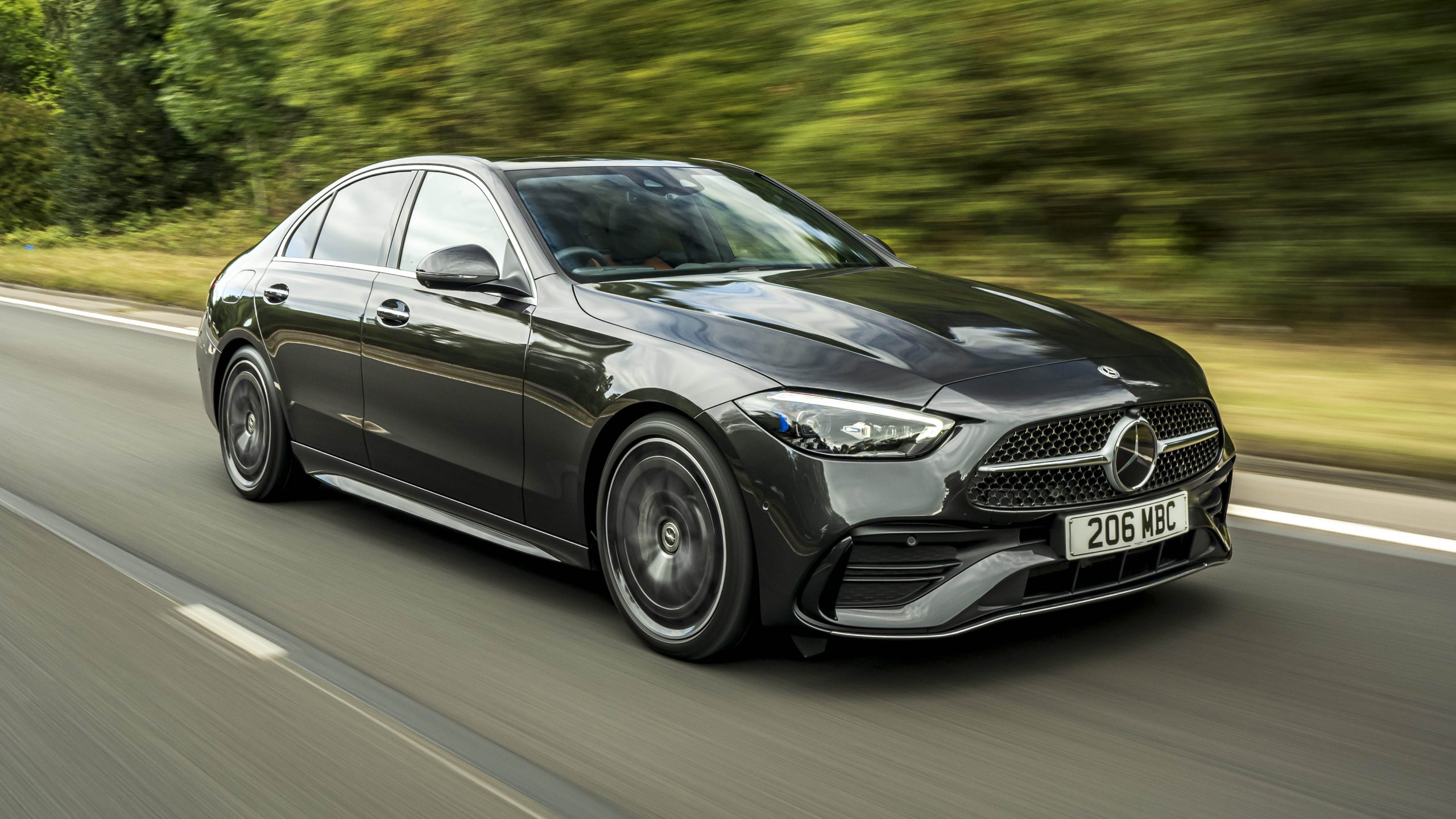
- Engine: 2.0L turbocharged inline-4 + 48V mild-hybrid system (C 300 Sedan)
- Horsepower: 255 hp @ 5,800 rpm (+20 hp temporary electric boost)
- Torque: 295 lb-ft @ 2,000–3,200 rpm
- Length: 187.0 in (4,751 mm)
- Width: 74.4 in (1,890 mm) (excluding mirrors) / 80.0 in (2,032 mm) (including mirrors)
7. Audi A4
The Audi A4 includes a hidden engineering interface inside its Multimedia Interface (MMI) system known as the “Green Menu,” a diagnostic platform typically reserved for technicians and advanced users. Accessed by pressing and holding the physical CAR and SETUP or MENU buttons for several seconds, the hidden menu opens a low-level system console that reveals software, hardware, and diagnostic information not normally visible to drivers.
The Green Menu provides access to detailed system data, including firmware information, optical fiber network status, component protection logs, and computer diagnostics. Some enthusiasts also use tools such as VCDS or OBDeleven to unlock additional developer settings and activate convenience functions disabled at the factory. These may include visual parking guidelines, battery monitoring displays, ambient lighting adjustments, lap timers, or auxiliary ventilation settings.
Audi restricts access to this menu for several reasons. The first is to prevent accidental damage, as modifying hidden software or calibration settings can disrupt critical vehicle systems or disable infotainment functions. The second is simplicity, since raw fault codes and technical information can overwhelm drivers without diagnostic knowledge. Restricted access also keeps advanced servicing within authorized dealership networks, where technicians are trained to interpret complex vehicle data.
Step inside the 2025 Audi A4, and the focus is immediately on refinement and connectivity. The cabin features high-quality materials, a clean dashboard layout, and a technology package centered around a 10.1-inch touchscreen. Smartphone integration and voice-command functionality come standard, while available upgrades such as Audi’s Virtual Cockpit and premium audio systems provide a more upscale experience.
Audi also places a strong emphasis on safety, equipping the A4 with a suite of driver-assistance technologies. Adaptive cruise control, lane-keeping assistance, forward-collision warning, and automatic emergency braking are included to enhance confidence during daily driving and long-distance travel.
Beneath the sleek exterior, the A4 relies on a turbocharged 2.0-liter four-cylinder engine that produces 261 horsepower. Supported by a 12-volt mild-hybrid system and paired with a seven-speed dual-clutch transmission, the powertrain delivers quick responses and smooth operation. Standard quattro all-wheel drive further enhances traction and stability, helping the sedan reach 60 mph from a standstill in about 4.8 seconds while maintaining the balanced driving character for which the A4 is known.
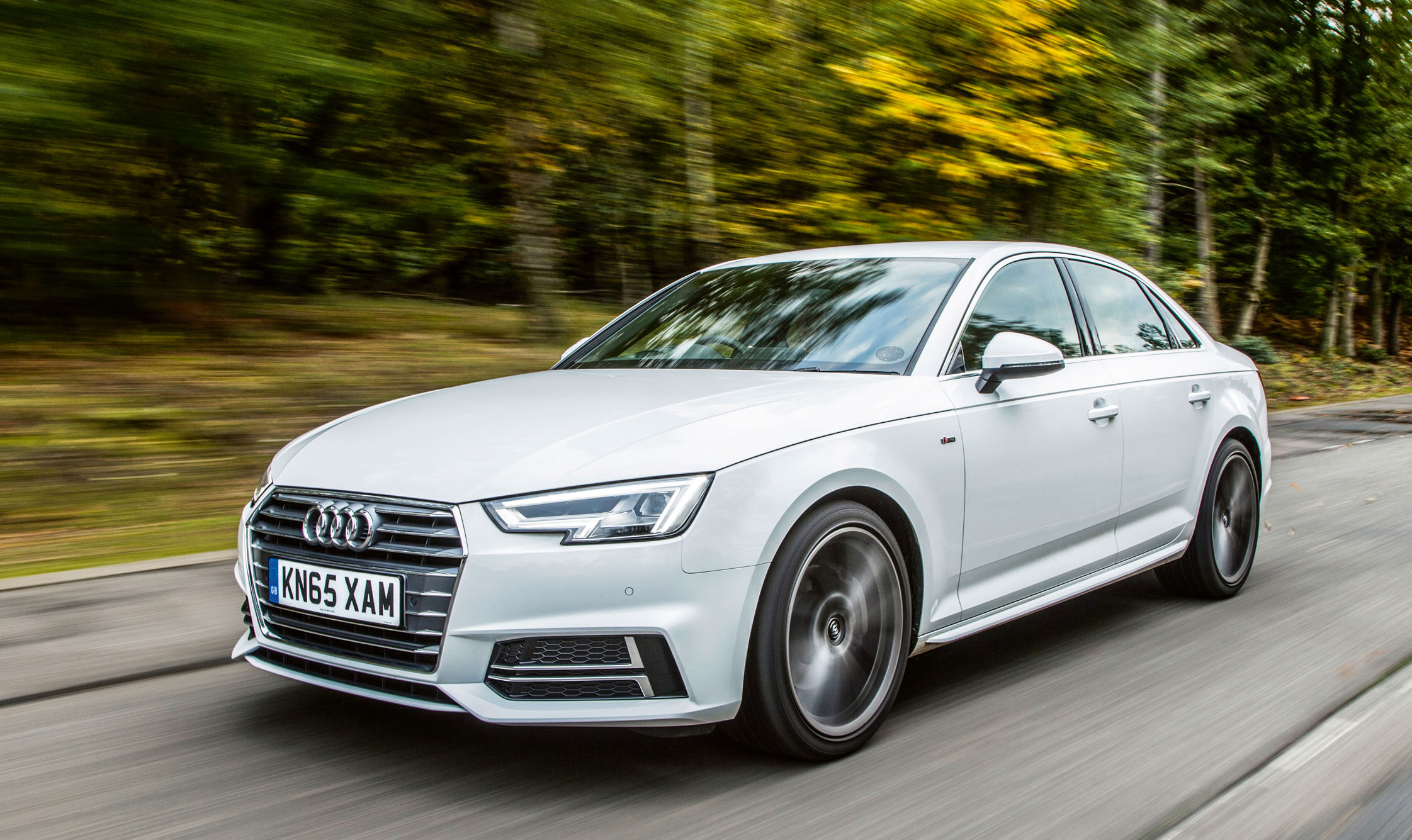
- Engine: 2.0L turbocharged inline-4 (40 TFSI) / 2.0L turbocharged inline-4 (45 TFSI)
- Horsepower: 201 hp (40 TFSI) / 261 hp (45 TFSI)
- Torque: 236 lb-ft (40 TFSI) / 273 lb-ft (45 TFSI)
- Length: 187.5 in (4,762 mm)
- Width: 72.7 in (1,847 mm) (without mirrors) / 79.6 in (2,022 mm) (with mirrors)
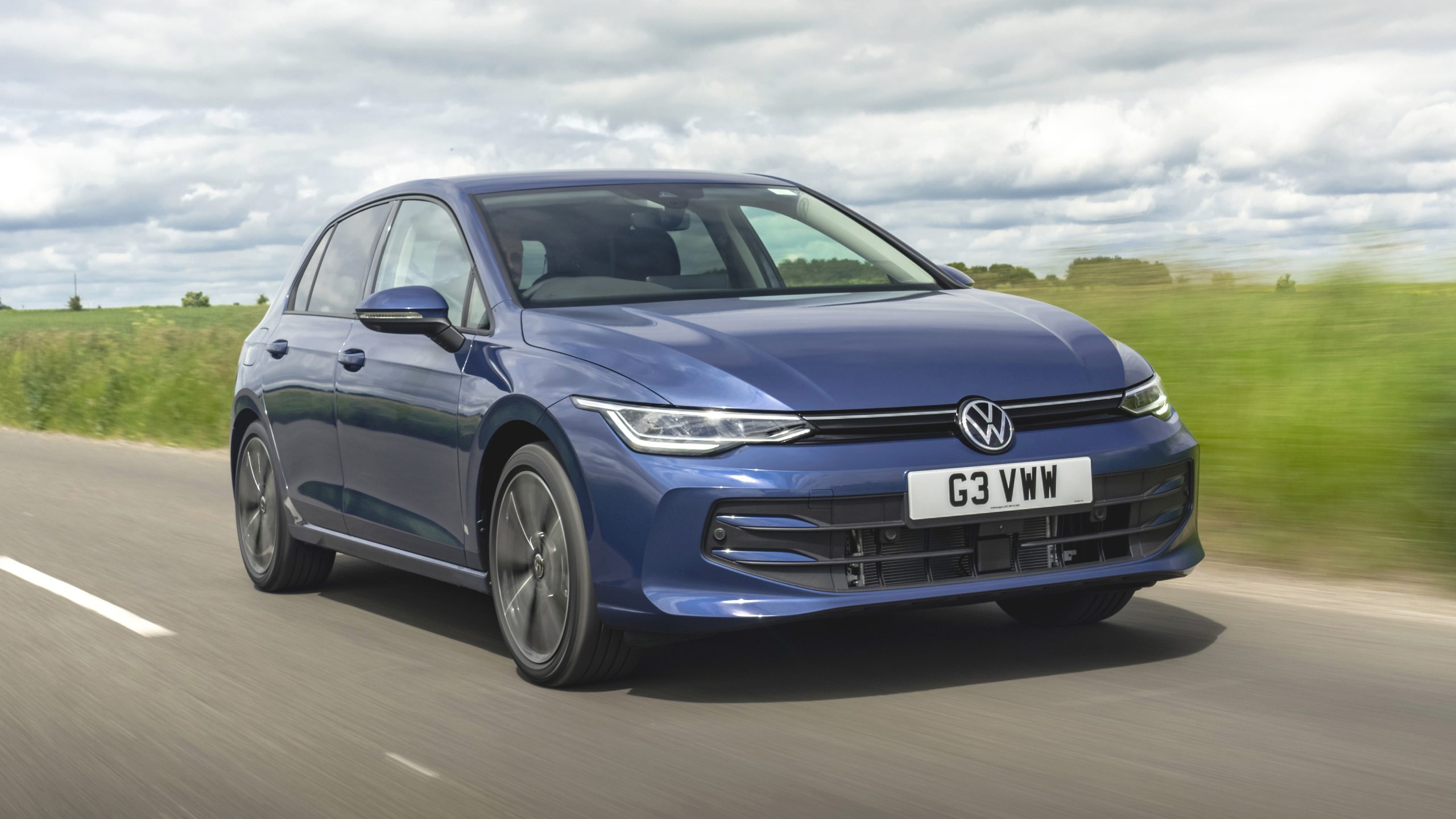
8. Volkswagen Golf
The Volkswagen Golf includes a hidden infotainment “Service Mode” that gives technicians access to advanced diagnostic information not normally visible to everyday drivers. Accessed by holding the MENU button for roughly 15 seconds, the standard version typically displays software update details. However, with specialized tools such as OBDeleven, a deeper developer menu can be unlocked, exposing hardware temperatures, storage system health, radio signal diagnostics, and touchscreen performance tests.
Volkswagen limits access to this engineering menu to prevent accidental software disruptions and system damage. Incorrect changes to firmware or calibration settings can affect core infotainment and vehicle functions, making the menu more suitable for trained technicians or experienced enthusiasts. The restricted interface also simplifies ownership by shielding drivers from complex diagnostic information that often requires expert interpretation.
Beyond hidden software tools, the Golf continues to stand out as one of the most refined family hatchbacks on the market. Recent updates addressed criticism of earlier infotainment systems by introducing a larger 12.9-inch touchscreen with quicker responses and more intuitive controls. Volkswagen also replaced unpopular touch-sensitive steering wheel controls with traditional physical buttons, improving usability.
On the road, the Golf combines comfort with confident handling. Light steering and responsive brakes make city driving easy, while a quiet cabin and adaptive cruise control improve long-distance comfort. The sportier GTI model uses a turbocharged 2.0-liter four-cylinder engine producing 241 horsepower, paired with a seven-speed dual-clutch automatic transmission, reaching 0 to 60 mph in around 5.6 seconds.
The interior offers generous space, supportive seating, and practical cargo flexibility typical of a hatchback design. Standard technology includes wireless smartphone connectivity, voice commands, USB-C charging ports, and driver-assistance systems such as adaptive cruise control, lane-keeping assistance, and automatic emergency braking. Together, these features reinforce the Golf’s reputation for blending practicality, comfort, and hidden technological sophistication.
- Engine: 2.0L turbocharged inline-4 (EA888 Evo4)
- Horsepower: 328 hp @ 5,600 rpm
- Torque: 295–310 lb-ft @ ~2,000 rpm
- Length: 168.9 in (4,290 mm)
- Width: 70.4 in (1,789 mm)
Also read: 10 Cars Where the Battery Replacement Costs Half the Car Price