
The global automotive industry is undergoing major change, with affordability becoming as important as electrification, autonomy, and sustainability. Rising vehicle prices caused by inflation, technology costs, supply chain issues, and regulations have made new cars less accessible for many buyers worldwide.
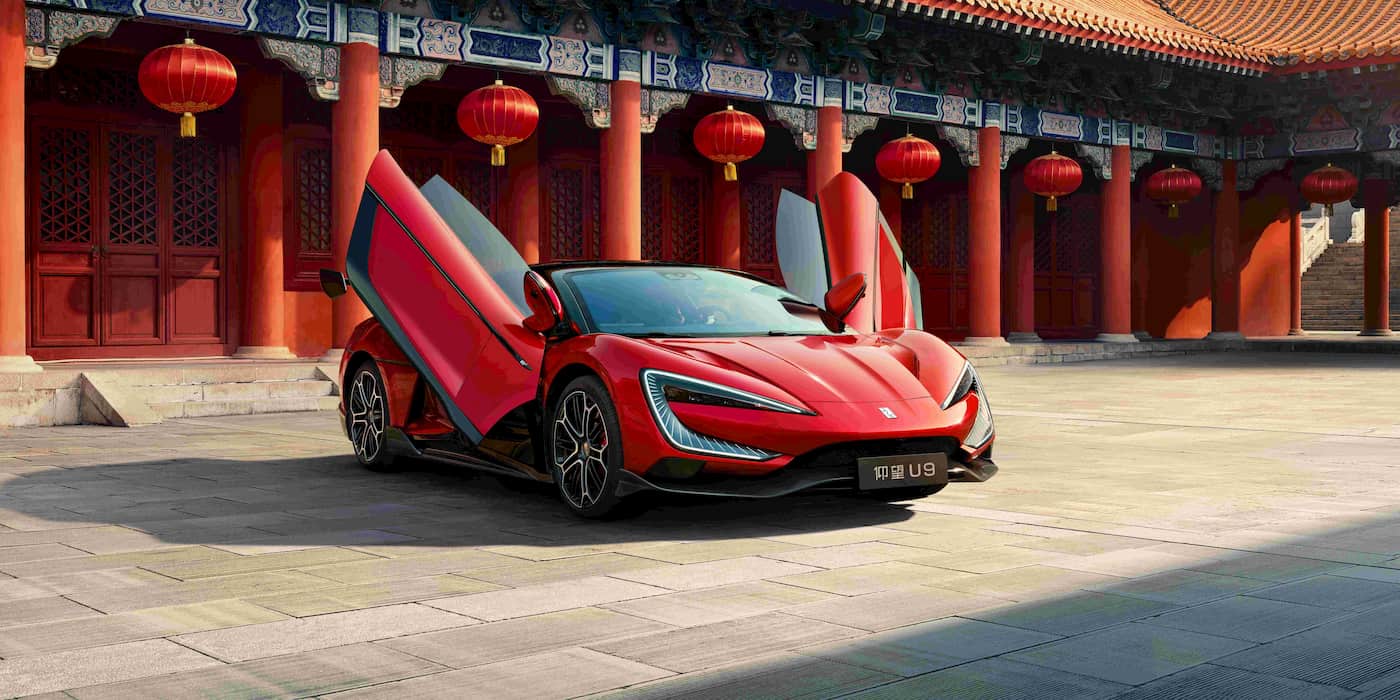
Chinese automakers have rapidly emerged as major global competitors by offering vehicles with advanced features at significantly lower prices. Their efficient manufacturing, strong battery expertise, and modern engineering allow them to challenge established brands across Asia, Europe, and Latin America. This has intensified competition and reshaped expectations around value in the automotive market.
Traditional American automakers such as Ford and General Motors still benefit from strong brand loyalty, large dealer networks, and long-standing reputations for quality and innovation. However, the rise of highly competitive Chinese brands is forcing them to reconsider pricing strategies and product planning.
Consumers are now comparing vehicles more closely based on features, technology, safety, and total ownership costs rather than brand heritage alone. When lower-priced models offer similar capabilities, it challenges long-held assumptions about value.
This competitive pressure may ultimately benefit the industry by encouraging innovation, efficiency, and more affordable product offerings. American automakers will need to balance profitability with accessibility while continuing to invest in future technologies to remain competitive.
Also read: 5 Cars Worth Buying for City Living vs 5 Built Wrong for It
The Rise of Chinese Automakers as Global Competitors
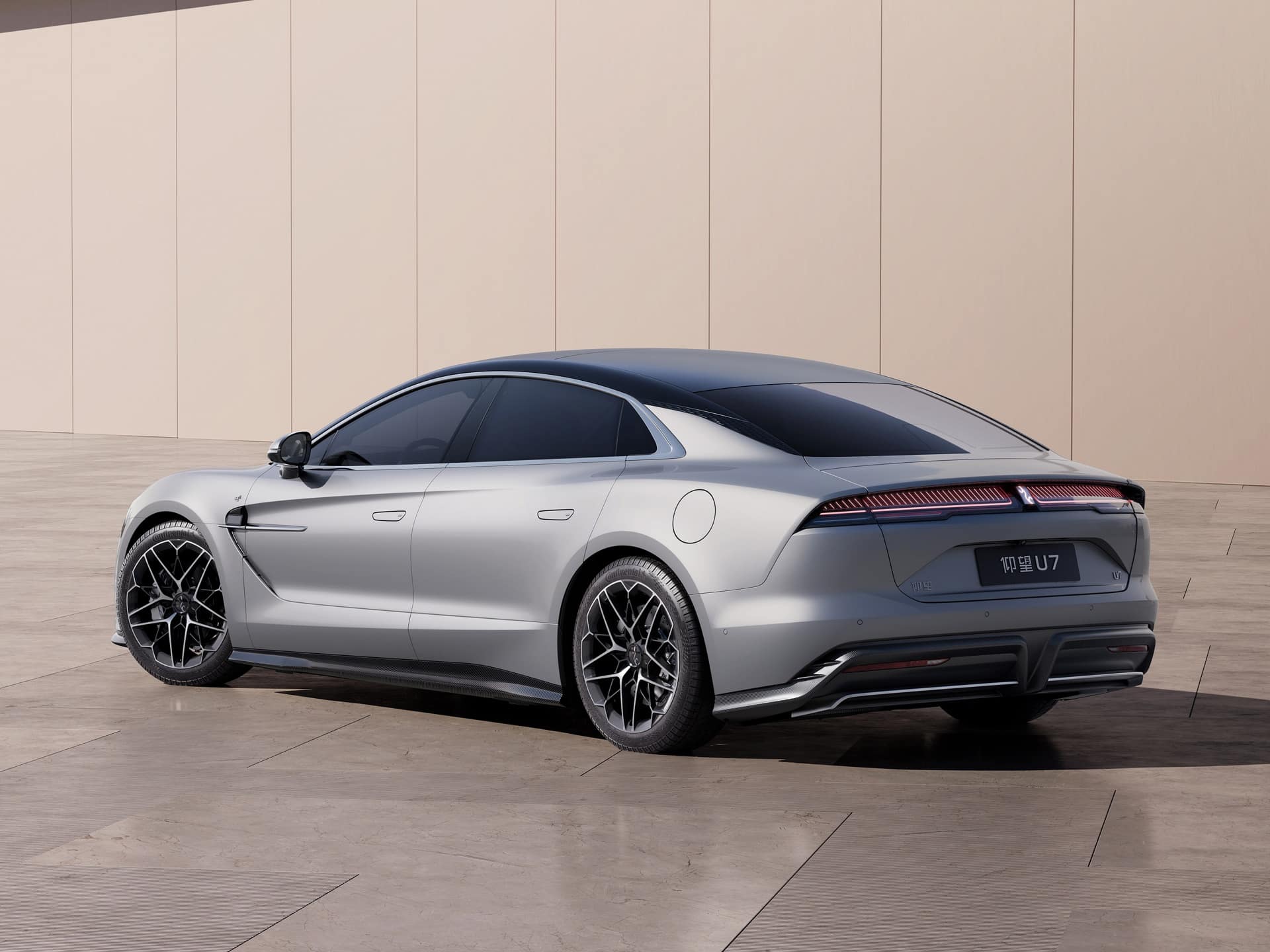
Chinese automakers have undergone a remarkable transformation over the last two decades. Once viewed primarily as manufacturers focused on domestic markets and lower cost production, many Chinese companies have evolved into sophisticated global competitors.
Through significant investment in research, development, manufacturing, and supply chain integration, these firms have developed capabilities that rival some of the most established automotive brands in the world. Their growth reflects both strategic planning and the rapid modernization of China’s industrial base.
One of the key factors behind this rise has been the scale of the Chinese automotive market. As the world’s largest vehicle market, China provides manufacturers with access to enormous production volumes.
High volumes create opportunities to achieve economies of scale, allowing companies to spread development costs across millions of vehicles. This advantage helps reduce per-unit expenses and enables more competitive pricing without necessarily sacrificing profitability.
Chinese manufacturers have also benefited from strong expertise in battery technology and electric vehicle production. As the industry shifts toward electrification, companies that have invested heavily in battery development are positioned to gain an advantage.
Many Chinese automakers recognized this trend early and established extensive capabilities in battery manufacturing, supply chain management, and electric vehicle engineering. This foundation has allowed them to introduce electric vehicles that combine modern technology with attractive pricing.
Another important factor is the willingness of Chinese brands to embrace rapid innovation cycles. Traditional automotive development processes often require several years between major updates.
Many Chinese companies operate with greater flexibility, enabling them to introduce new models, software features, and technological improvements more quickly. This responsiveness appeals to consumers who increasingly expect vehicles to evolve alongside consumer electronics.
International expansion has further accelerated the influence of Chinese automakers. By entering foreign markets with competitive products and aggressive pricing strategies, these companies have demonstrated that they can compete beyond their home market.
Success in regions such as Europe and Southeast Asia provides valuable experience, strengthens brand recognition, and increases pressure on established global manufacturers to respond.
Why Affordability Has Become a Concern?
Vehicle affordability has become one of the most pressing issues facing consumers in today’s automotive market. The cost of purchasing a new vehicle has increased significantly in many countries, creating challenges for households that depend on personal transportation for work, education, and daily life.
Rising prices have altered purchasing decisions and forced consumers to reconsider what they can realistically afford.
Inflation has played a major role in increasing vehicle costs. Higher prices for raw materials, labor, logistics, and manufacturing inputs have affected virtually every automaker. These costs are often passed on to consumers, resulting in higher sticker prices. While inflation impacts all manufacturers, consumers focus on the final price they must pay, regardless of the underlying reasons for increases.
The growing complexity of modern vehicles has also contributed to affordability challenges. Advanced driver assistance systems, sophisticated infotainment platforms, connectivity features, emissions technologies, and safety equipment all add value but also increase production costs.
Consumers appreciate these innovations, yet many struggle to absorb the resulting price increases, especially when wages have not risen at the same pace.
Another contributing factor is the industry’s increasing emphasis on larger and more expensive vehicles. In many markets, manufacturers have prioritized trucks, sport utility vehicles, and premium models because they often generate higher profit margins. While these vehicles remain popular, the reduced availability of affordable entry-level options leaves budget-conscious consumers with fewer choices.
Financing costs further complicate affordability. Rising interest rates can substantially increase monthly payments, making even moderately priced vehicles more difficult to purchase. Consumers often evaluate affordability based on monthly expenses rather than total vehicle cost, meaning financing conditions play a significant role in purchasing decisions.
As affordability concerns grow, buyers become more willing to consider alternatives they may have previously overlooked. This shift creates opportunities for manufacturers capable of offering compelling products at lower prices. Chinese automakers have recognized this reality and positioned themselves accordingly, making affordability a central component of their competitive strategy.
How Chinese Brands Are Redefining Automotive Value
The concept of value in the automotive industry has evolved significantly. Historically, consumers often associated value with durability, resale value, and long-term reliability.
While these factors remain important, modern buyers increasingly evaluate vehicles based on a broader range of criteria, including technology, features, efficiency, design, and ownership costs. Chinese automakers have been particularly effective at adapting to these changing expectations.
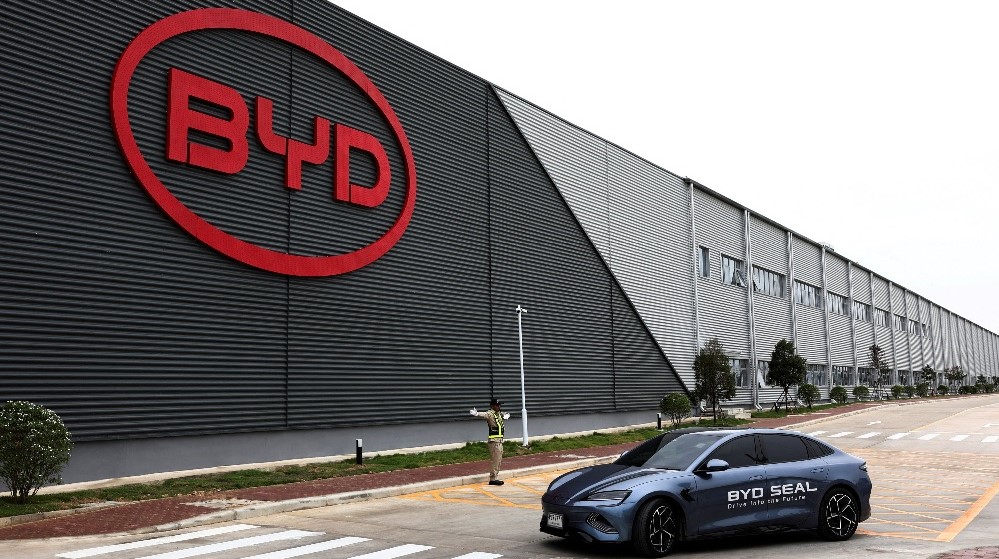
Many Chinese manufacturers focus on delivering feature-rich vehicles at prices that undercut established competitors. Consumers frequently encounter models equipped with large touchscreen displays, advanced connectivity systems, premium interior materials, and sophisticated driver assistance technologies at price points that appear highly competitive. This combination creates a strong perception of value among buyers seeking modern functionality.
Electric vehicles provide another example of how Chinese brands are redefining value. By leveraging domestic battery production and integrated supply chains, many manufacturers can offer electric vehicles at lower prices than competitors.
For consumers interested in transitioning to electric mobility, affordability becomes a decisive factor, particularly when performance and range meet everyday requirements.
Design quality has also improved dramatically. Earlier generations of Chinese vehicles often faced criticism regarding styling and perceived quality. Today, many Chinese automakers employ international design teams and invest heavily in product development. The resulting vehicles often feature contemporary aesthetics that appeal to global audiences and challenge outdated perceptions.
Technology integration represents another area of strength. Chinese consumers are among the most digitally connected in the world, encouraging manufacturers to prioritize software development and connected vehicle experiences. As these vehicles enter international markets, consumers gain access to advanced digital features that enhance the ownership experience without necessarily increasing prices dramatically.
Value is determined by the relationship between what consumers receive and what they pay. Chinese automakers have focused relentlessly on maximizing this relationship, creating competitive pressure that established manufacturers can no longer ignore. This approach is reshaping expectations across the automotive industry and influencing how consumers evaluate purchasing decisions.
Also read: 10 Cars Cheapest to Own in High-Gas States Like California
The Pressure on American Automakers to Adapt
American automakers now face a competitive environment that differs substantially from previous decades. The challenge is not merely technological innovation or electrification. It is also the growing expectation that modern vehicles should remain financially accessible.
As Chinese manufacturers gain global traction, American brands may be forced to reconsider long-standing assumptions about pricing, product positioning, and profitability.
One area under scrutiny is vehicle portfolio strategy. Over time, many American manufacturers have shifted focus toward higher margin vehicles, particularly trucks and sport utility vehicles. While this approach has generated strong financial results, it has also reduced the availability of lower-cost options. Increased competition from affordable alternatives could encourage a renewed emphasis on entry-level models.
Manufacturing efficiency represents another critical consideration. Chinese automakers often benefit from highly integrated supply chains and large-scale production capabilities. American manufacturers may need to explore new methods of reducing production costs while maintaining quality standards. Achieving this balance will be essential for remaining competitive in a market increasingly sensitive to price.
The electric vehicle transition adds another layer of complexity. Developing new platforms, battery technologies, and software ecosystems requires substantial investment. At the same time, consumers expect affordable pricing. American manufacturers must find ways to recover development costs without creating products that exceed the budgets of average buyers.
Brand loyalty remains a valuable asset, but it cannot be taken for granted. Consumers who previously purchased vehicles based primarily on familiarity may become more willing to compare alternatives when price differences are substantial. Maintaining loyalty will require delivering compelling value propositions that justify premium pricing when appropriate.
Competition often drives positive outcomes. Faced with pressure from emerging rivals, American automakers may accelerate innovation, streamline operations, and introduce more affordable products. These changes could strengthen their long-term competitiveness while benefiting consumers through improved choice and pricing.
What Greater Competition Means for Consumers and the Future of the Industry
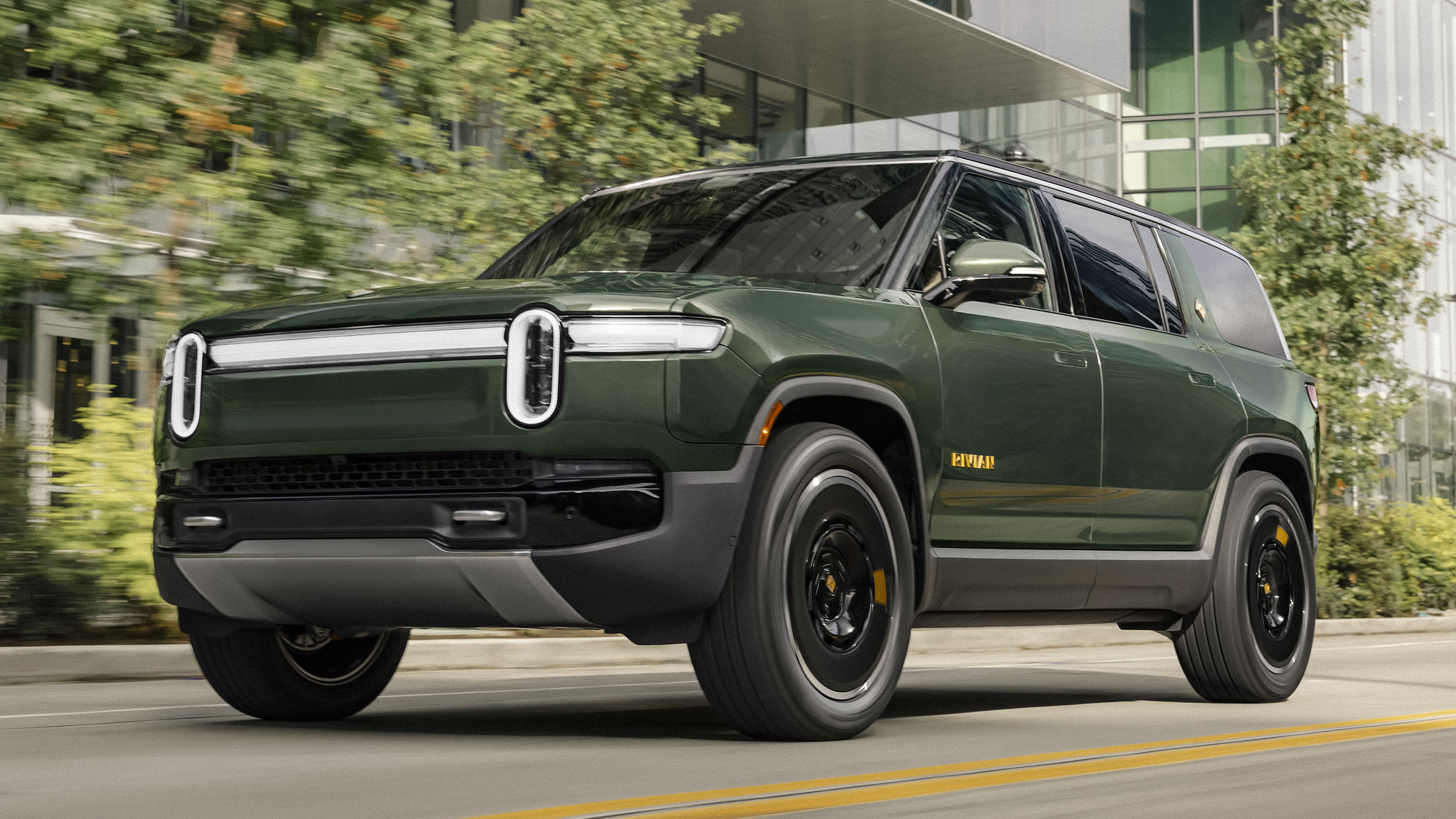
The increasing presence of Chinese automakers in global markets has the potential to create meaningful benefits for consumers. Competition generally encourages manufacturers to improve products, lower prices, and respond more effectively to customer needs. In the automotive industry, where purchases often represent significant financial commitments, these benefits can have a substantial impact on household budgets.
Consumers may gain access to a wider range of affordable vehicles equipped with advanced technologies. Features that were once limited to premium segments often become more accessible when manufacturers compete aggressively for market share. This democratization of technology can improve safety, convenience, and driving experiences across multiple price categories.
Price competition may also encourage established manufacturers to reassess their cost structures and product offerings. Rather than focusing exclusively on premium segments, companies may seek opportunities to attract first-time buyers, younger consumers, and families seeking practical transportation solutions. Such efforts could expand consumer choice and improve affordability throughout the market.
Innovation is another likely outcome. Competitive pressure encourages manufacturers to develop more efficient production methods, better battery technologies, improved software platforms, and enhanced vehicle designs. Consumers benefit when companies invest in innovation as a means of differentiating themselves from rivals rather than relying solely on brand recognition.
The broader industry may experience structural changes as well. Partnerships, joint ventures, and supply chain collaborations could become increasingly important as manufacturers seek ways to remain competitive. Companies that adapt successfully will be better positioned to navigate evolving consumer expectations and technological transitions.
In the long run, the rise of Chinese automakers may serve as a powerful reminder that affordability remains a fundamental component of automotive success. While innovation, performance, and brand heritage continue to matter, consumers need vehicles they can afford.
American automakers that embrace this reality and respond effectively are likely to remain influential players in the global market. Those that fail to address affordability may find themselves facing increasing pressure from competitors that understand the importance of delivering value in an increasingly competitive automotive industry.
