

The Chevrolet Equinox is one of the most popular compact SUVs in North America, widely recognized for its comfortable ride, practical interior space, fuel efficiency, and affordability in both new and used markets.
Since its introduction in 2005, the Equinox has gone through multiple generations of redesigns, engine updates, and technology improvements, making it a frequently searched model for buyers looking for a reliable family SUV.
However, like many long-running vehicles, not all model years are created equal. Some years stand out for strong reliability, smooth performance, and lower maintenance costs, while others are known for recurring mechanical issues and costly repairs.
When evaluating the best and worst years for the Chevy Equinox, it is important to look at real-world data such as owner complaints, NHTSA reliability reports, recall frequency, and long-term durability trends. Across its production history, certain generations have been more problematic than others.
For example, early Equinox models are often associated with engine oil consumption problems, transmission failures, and timing chain issues. Meanwhile, more recent models have improved significantly in reliability, safety features, and efficiency, though some issues like electrical glitches and brake-related complaints still appear in owner reports.
Modern Equinox models, particularly from the early 2020s, are generally considered more dependable due to improved engineering and updated turbocharged engines. These newer versions also benefit from advanced safety technology, better fuel economy, and refined ride quality.
However, even within newer generations, there are variations in reliability depending on the specific model year. Some years stand out as excellent used SUV options, while others are best avoided due to higher repair frequency or expensive component failures.
On the other hand, older Chevrolet Equinox models, especially from the first and second generations, have developed a reputation for inconsistent reliability.
Issues such as excessive oil consumption, transmission breakdowns, and powertrain failures have been widely reported by owners and automotive reviewers. These problems often make certain years less desirable on the used market, even if they appear affordable upfront.
This guide breaks down the 4 best and 4 worst Chevrolet Equinox model years, based on reliability trends, consumer reports, and long-term ownership data. Whether you are planning to buy a used Equinox or simply researching its history, understanding these model-year differences can help you avoid costly mistakes and choose a vehicle that offers better long-term value.
Also Read: 8 Repairs That Cost More in Parts Than Labor
Best Chevy Equinox Years
- Engine: 1.5-liter turbocharged inline 4 cylinder
- Horsepower: 170 hp
- Torque: 203 lb ft
- Length: 183.1 inches
- Width: 72.6 inches (without mirrors)
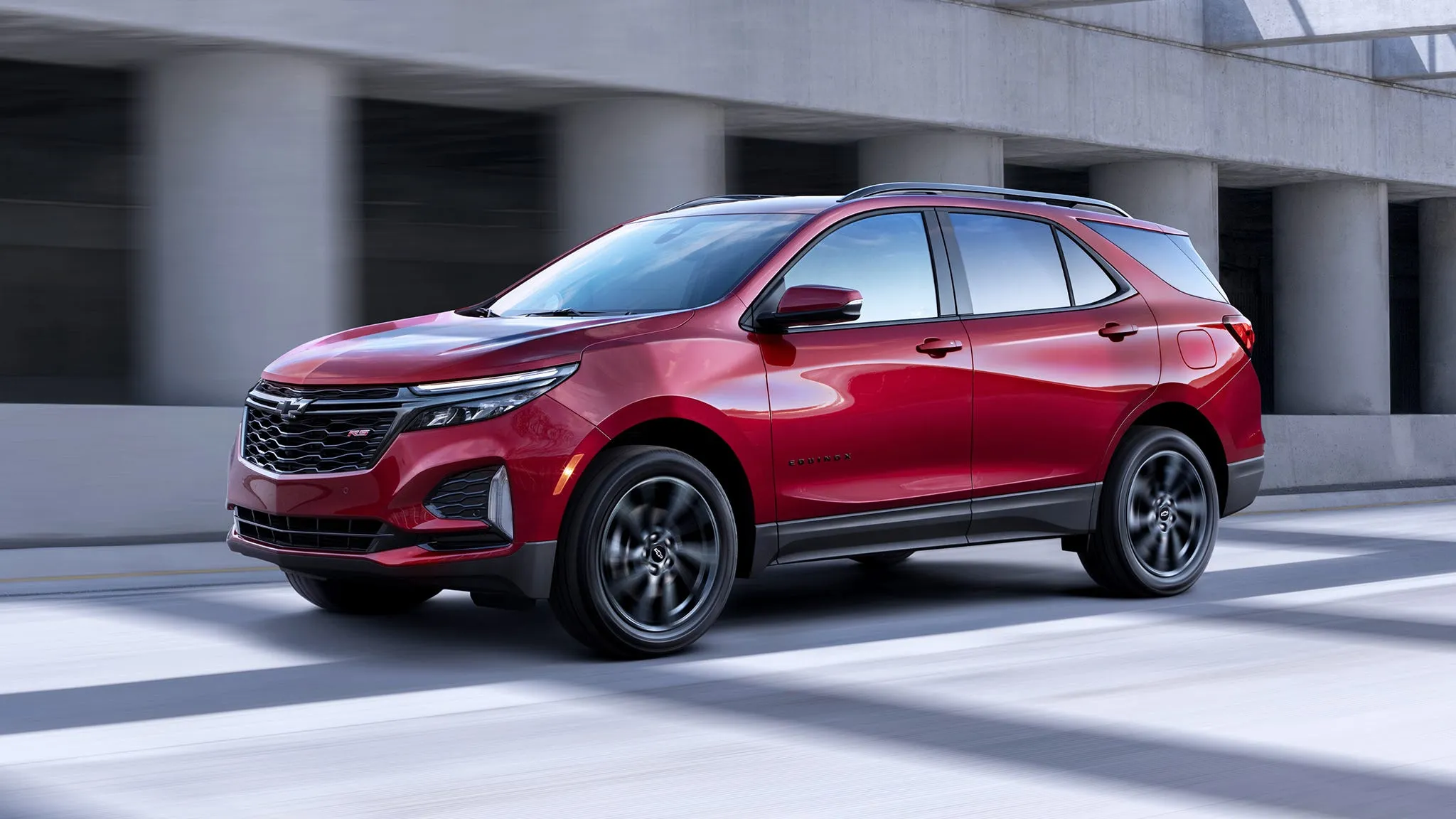
1. 2021 Chevrolet Equinox
The 2021 Chevrolet Equinox is often considered one of the most balanced and dependable choices within the third generation of the model. By this point, Chevrolet had already refined many of the earlier issues that affected previous years, especially concerns related to engine tuning, transmission smoothness, and electronic system stability.
The 1.5-liter turbocharged engine used in this model is generally regarded as more stable than earlier Equinox engines, offering a consistent blend of power and fuel efficiency suitable for daily commuting, long highway drives, and family use. While it is not a performance-oriented SUV, it delivers predictable and comfortable driving behavior, which is a major factor in its reliability reputation.
From a long-term ownership perspective, the 2021 Equinox benefits from relatively low rates of severe mechanical failure compared to older model years. Owners commonly report that routine maintenance, such as oil changes, brake servicing, and tire rotations, is straightforward and affordable.
Major drivetrain failures are less common in this model year, especially when compared to early second-generation Equinox vehicles. The automatic transmission, while not the most advanced in its class, tends to operate more reliably this year, with fewer complaints about harsh shifting or hesitation. This stability makes it a safer choice for buyers looking for a used SUV with predictable upkeep costs.
Another strength of the 2021 model is its improved technology integration. The infotainment system is more responsive compared to older versions, and the vehicle includes a solid suite of driver assistance features such as lane departure warning, forward collision alert, and rearview camera systems.
These features not only enhance convenience but also contribute indirectly to safety and long-term durability by helping reduce the likelihood of accidents. Interior quality is also improved, with better materials and ergonomics that make daily driving more comfortable for both drivers and passengers.
In terms of efficiency, the 2021 Equinox performs reasonably well for its class. The turbocharged engine is tuned for fuel economy rather than aggressive acceleration, which helps reduce long-term engine strain when driven responsibly.
Many owners report consistent mileage that aligns closely with manufacturer expectations, especially on highway routes. This balance of efficiency and usability is one of the key reasons why this model year is frequently recommended as a smart used SUV purchase.
The 2021 Chevrolet Equinox stands out as a dependable and practical option in the used compact SUV market. It does not suffer from the major reliability concerns seen in older Equinox generations, and it offers a more refined ownership experience.
While it may not be the newest or most feature-rich version available, it provides a strong combination of affordability, stability, and everyday usability that makes it one of the better choices in the lineup.
- Engine: 1.5-liter turbocharged inline 4 cylinder
- Horsepower: 170 hp
- Torque: 203 lb ft
- Length: 183.1 inches
- Width: 72.6 inches (without mirrors)
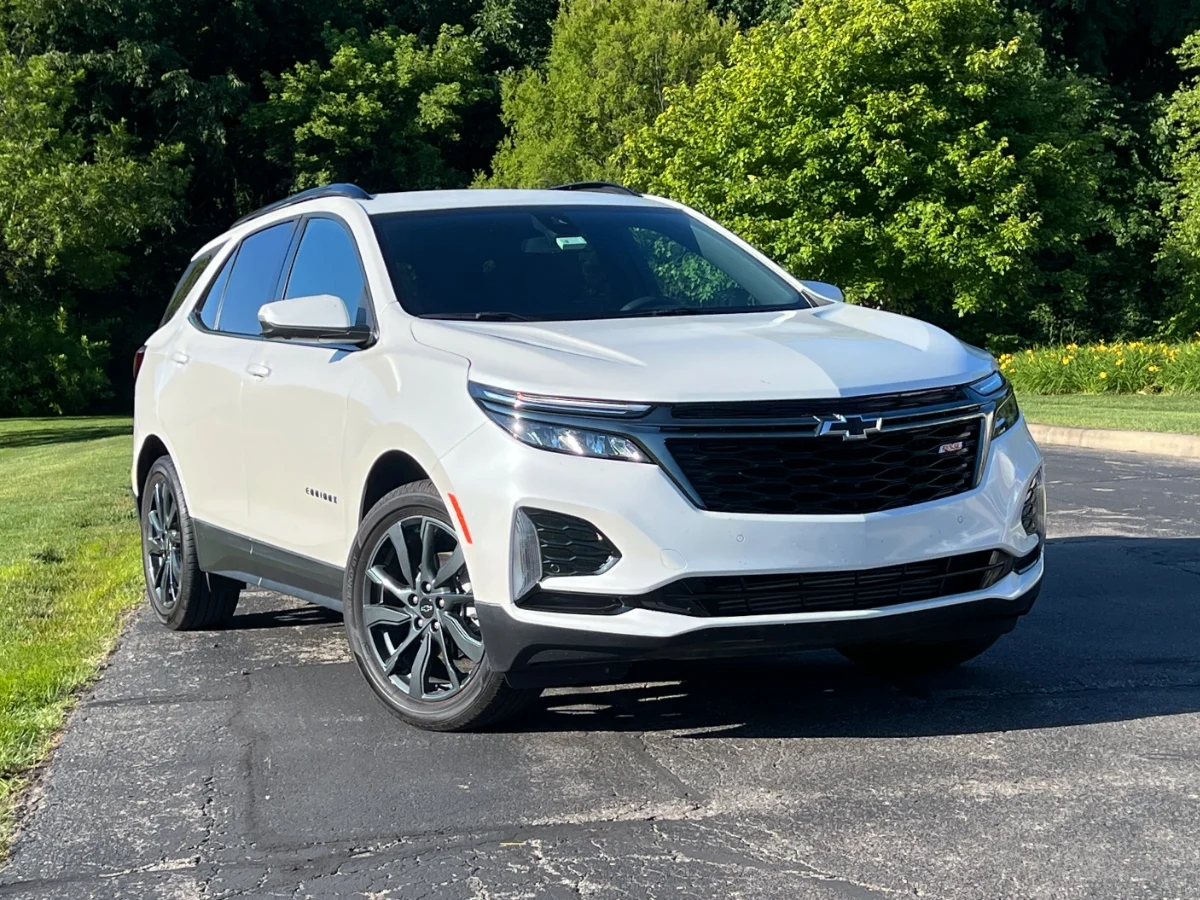
2. 2022 Chevrolet Equinox
The 2022 Chevrolet Equinox builds directly on the improvements of the previous model year, offering slightly better refinement and continued reliability within the same generation platform.
Mechanically, it remains very similar to the 2021 version, using the same 1.5-liter turbocharged engine paired with an automatic transmission that has been progressively optimized over time. This continuity is beneficial for reliability because it avoids major redesign risks that often introduce new mechanical problems. As a result, the 2022 model is considered one of the safer options for buyers seeking a modern used SUV with minimal mechanical uncertainty.
One aspect of the 2022 Equinox is its steady performance consistency. Drivers often describe it as a predictable and easy-to-maintain vehicle that does not present frequent surprises in terms of repairs.
While it is not free from minor issues, such as occasional sensor warnings or infotainment glitches, these problems are generally not severe and do not typically affect drivability. Compared to earlier Equinox models, especially those from the 2010s, the reduction in major engine and transmission complaints is a significant improvement that contributes to its strong reputation.
Comfort and interior refinement also play an important role in the appeal of the 2022 model. Chevrolet continued to improve cabin materials, seating comfort, and noise insulation, making this SUV more suitable for long-distance driving and daily commuting.
The ride quality is smooth, and suspension tuning is geared toward comfort rather than sportiness, which aligns well with its target market of families and practical buyers. These refinements may seem subtle, but they significantly improve the ownership experience compared to older generations.
In terms of safety and technology, the 2022 Equinox remains competitive within the compact SUV segment. It includes essential driver assistance systems that enhance safety awareness and reduce driver fatigue.
Features such as automatic emergency braking and lane keeping assistance contribute to its modern appeal. While it may not offer the most advanced technology compared to newer rivals, its systems are generally reliable and well integrated, avoiding the frequent software issues seen in earlier infotainment platforms.
The 2022 Chevrolet Equinox is a dependable and well-rounded compact SUV that benefits from gradual improvements rather than drastic changes. Its reliability record is stable, its maintenance costs are reasonable, and its driving experience is comfortable and predictable.
For buyers looking for a slightly newer option than 2021 without moving into a significantly higher price bracket, the 2022 model remains a strong and practical choice.
- Engine: 1.5-liter turbocharged inline 4 cylinder
- Horsepower: 175 hp
- Torque: 203 lb ft
- Length: 183.1 inches
- Width: 72.6 inches (without mirrors)
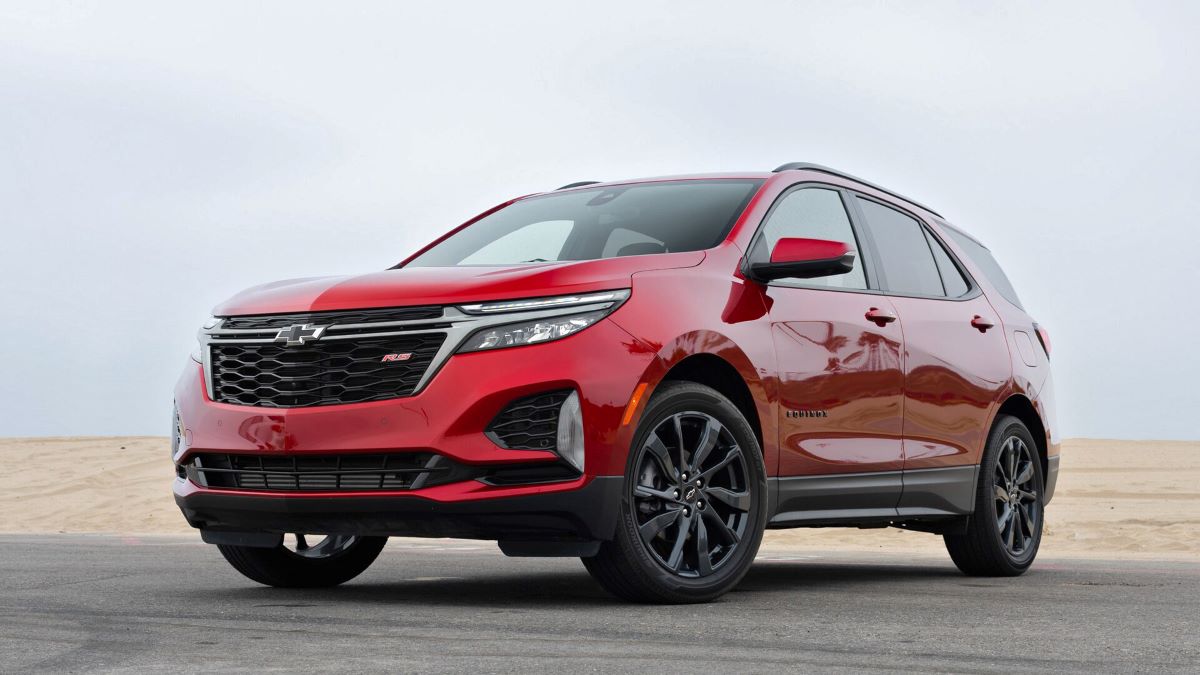
3. 2023 Chevrolet Equinox
The 2023 Chevrolet Equinox represents one of the most refined versions of the model to date, benefiting from years of incremental improvements within the third-generation platform.
By this point, Chevrolet had largely stabilized the engine and transmission behavior, resulting in a vehicle that performs consistently under a variety of driving conditions.
The 1.5-liter turbocharged engine continues to be the standard powertrain, offering adequate acceleration for daily use while prioritizing fuel efficiency and long-term durability when properly maintained. This balance makes the 2023 model especially appealing to buyers who want modern features without sacrificing reliability.
Reliability data for the 2023 Equinox suggests relatively low levels of severe mechanical issues compared to older model years. Most reported problems are minor and often related to electronics rather than core mechanical systems.
This includes occasional infotainment bugs or sensor calibration issues, which are common across many modern vehicles with advanced software systems. However, these issues do not typically impact drivability or safety, which helps maintain the model’s strong reputation among compact SUVs in its category.
Another key strength of the 2023 model is its improved safety and driver assistance suite. Chevrolet has continued refining features such as forward collision alert, lane keep assist, and automatic emergency braking to ensure smoother and more reliable operation.
Comfort and interior usability are also important advantages of the 2023 Equinox. The cabin is designed with practicality in mind, offering sufficient space for passengers and cargo while maintaining a user-friendly layout. Seating comfort is above average for its class, and road noise is well controlled at highway speeds.
These factors contribute to a more relaxed driving experience, which is often highlighted by owners as one of the model’s key strengths.
The 2023 Chevrolet Equinox is one of the most reliable and well-rounded versions of the SUV. It offers a mature platform, stable mechanical performance, and a good mix of comfort and technology. For buyers looking for a near-new used vehicle with minimal risk of major repairs, the 2023 model stands out as one of the safest options in the entire Equinox lineup.
- Engine: 1.5-liter turbocharged inline 4 cylinder
- Horsepower: 175 hp
- Torque: 203 lb ft
- Length: 183.1 inches
- Width: 72.6 inches (without mirrors)
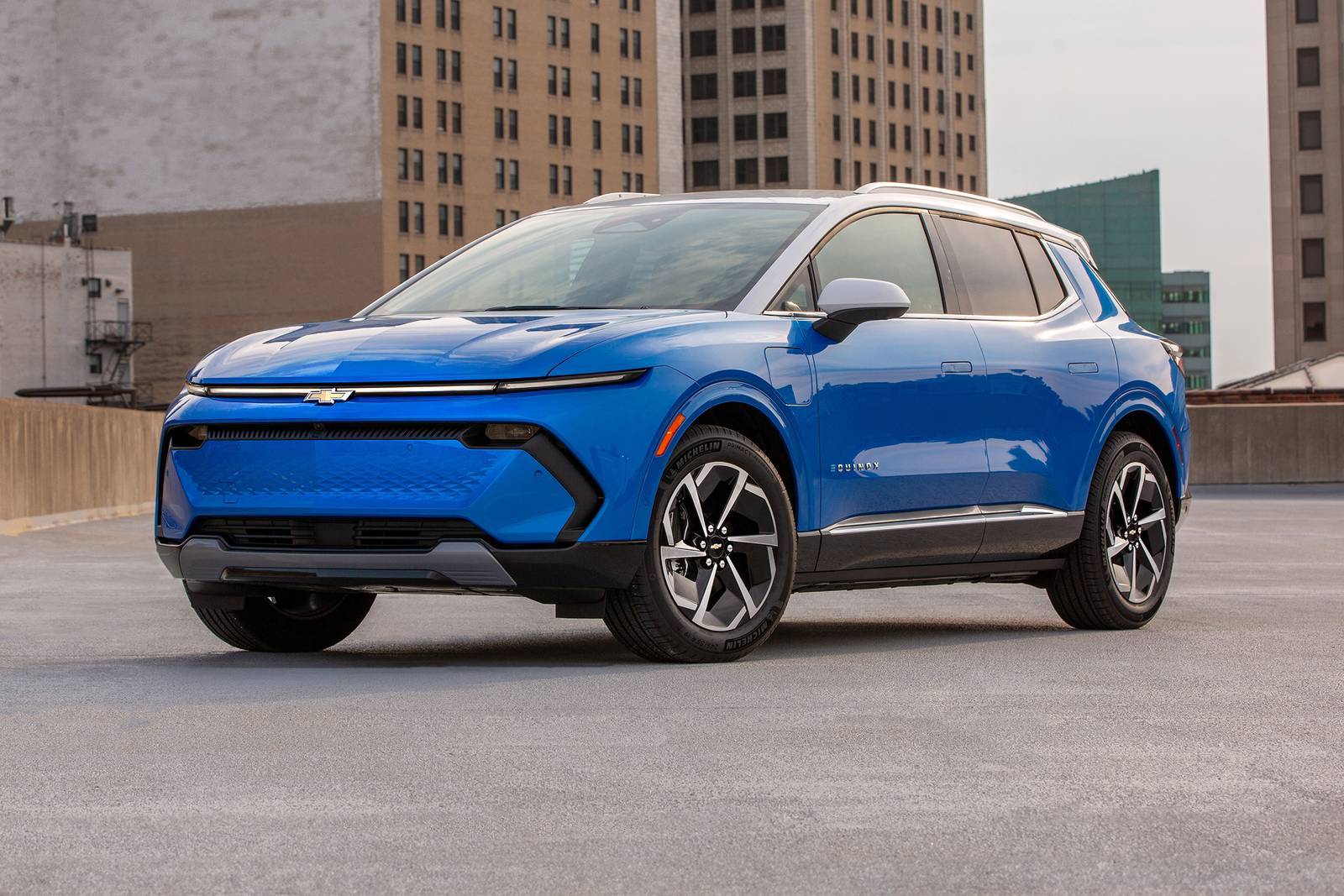
4. 2024 Chevrolet Equinox
The 2024 Chevrolet Equinox continues the trend of refinement and stability seen in the previous model years, representing one of the most current and dependable versions available. It retains the same proven 1.5-liter turbocharged engine and transmission pairing, which by now has reached a high level of maturity in terms of performance consistency and reliability.
Chevrolet’s focus for this model year has been on polishing existing systems rather than introducing major mechanical changes, which helps reduce the risk of new reliability issues.
From a reliability standpoint, the 2024 Equinox is considered one of the strongest entries in the lineup. Early ownership feedback indicates very few reports of major mechanical failures, with most concerns limited to minor electronic or software-related issues.
This is typical for modern vehicles that rely heavily on digital systems for driver assistance and infotainment. Importantly, these issues are generally not severe and are often resolved through software updates or simple recalibrations rather than expensive repairs.
These systems include collision mitigation, lane assistance, and parking support features that are designed to reduce driver workload and improve safety outcomes. The integration of these systems is smoother than in older models, reducing false alerts and improving usability.
Inside the cabin, the 2024 Equinox offers a modern and functional interior designed for everyday practicality. Materials are improved compared to earlier generations, and the layout is intuitive for drivers of all experience levels.
Passenger space remains competitive for the compact SUV segment, and cargo flexibility makes it suitable for both urban use and longer trips. Comfort levels are also strong, with suspension tuning that prioritizes a smooth ride over aggressive handling.
The 2024 Chevrolet Equinox represents the most refined and up-to-date version of the SUV. It offers strong reliability potential, modern safety systems, and a comfortable driving experience that makes it highly appealing for families and daily commuters.
As a result, it stands as one of the best choices in the Equinox lineup for buyers seeking a nearly new vehicle with minimal mechanical risk and strong long-term usability.
Also Read: 8 Luxury SUVs That Become Bargains the Moment the Warranty Ends
Worst Chevy Equinox Years
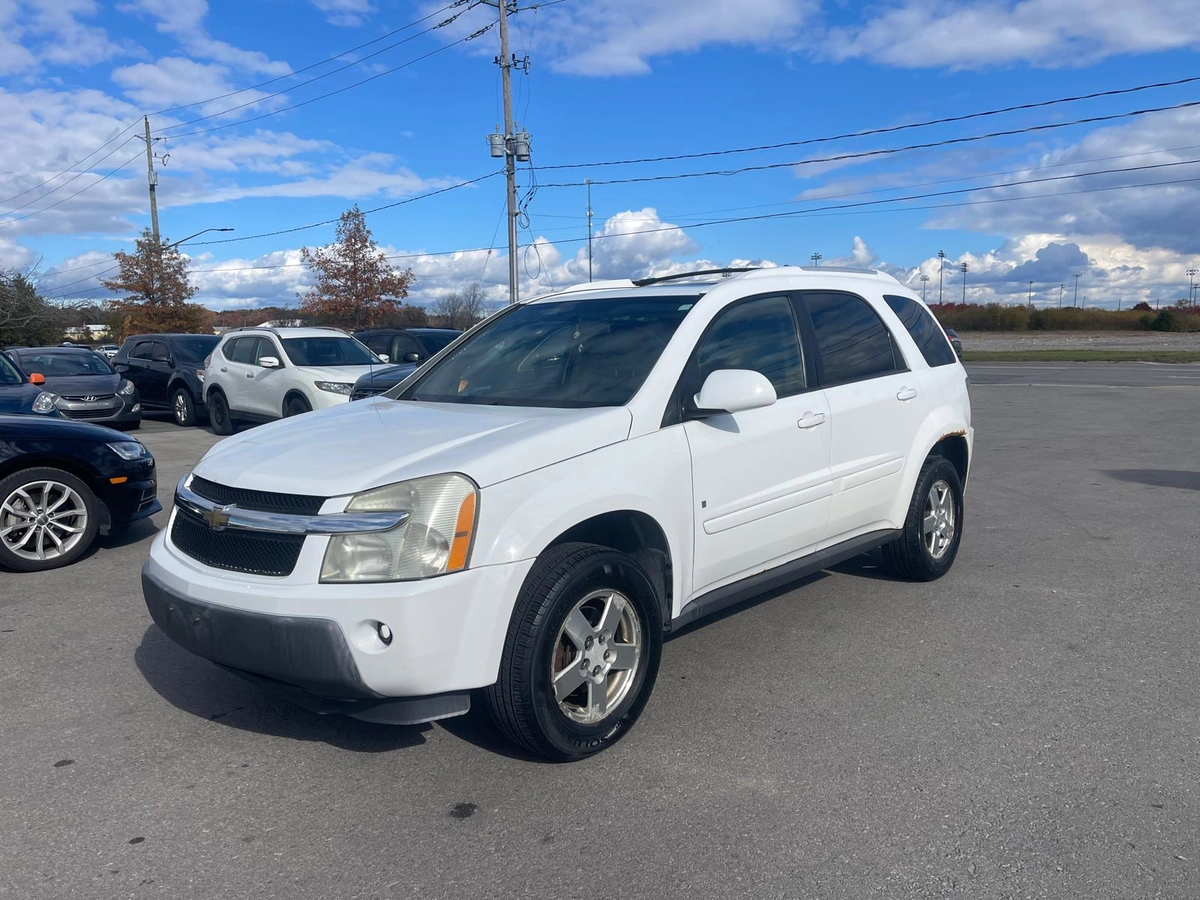
- Engine: 3.4-liter V6
- Horsepower: 185 hp
- Torque: 210 lb ft
- Length: 188.8 inches
- Width: 71.4 inches
1. 2006 Chevrolet Equinox
The 2006 Chevrolet Equinox is widely regarded as one of the most problematic early model years, mainly because it represents the first generation of the Equinox when Chevrolet was still refining the platform. While it offered decent space and comfort for its time, the mechanical reliability issues quickly became a major concern for long-term owners.
One of the most significant problems reported with this model is transmission failure, particularly with the 5-speed automatic transmission. Many owners experienced slipping gears, delayed shifting, or complete transmission breakdowns, often at relatively lower mileage compared to competitors in the same class.
These issues made ownership expensive and unpredictable, especially for buyers expecting long-term durability from an SUV.
Another major concern with the 2006 Equinox is related to engine performance and durability. Although the 3.4-liter V6 engine was capable of adequate power, it was not known for long-term reliability. Oil leaks, gasket failures, and cooling system issues were commonly reported, and in some cases, these problems led to overheating and engine damage.
The combination of mechanical wear and inconsistent maintenance sensitivity made this engine less dependable over time. For many owners, what initially seemed like a practical family SUV turned into a vehicle requiring frequent repairs and ongoing mechanical attention.
Electrical system issues also contributed to the poor reputation of the 2006 model. Problems with dashboard warning lights, sensor malfunctions, and intermittent electrical failures were not uncommon.
From a long-term ownership perspective, the 2006 Equinox struggles to compete with more reliable SUVs in its segment. While it may still be found at a low purchase price in the used market, the potential for expensive repairs often outweighs any initial savings. For this reason, it is generally considered a model year to avoid unless it has been extremely well maintained with documented repair history.
The 2006 Chevrolet Equinox suffers from a combination of transmission weaknesses, engine reliability concerns, and electrical issues that make it one of the least desirable choices in the entire Equinox lineup.
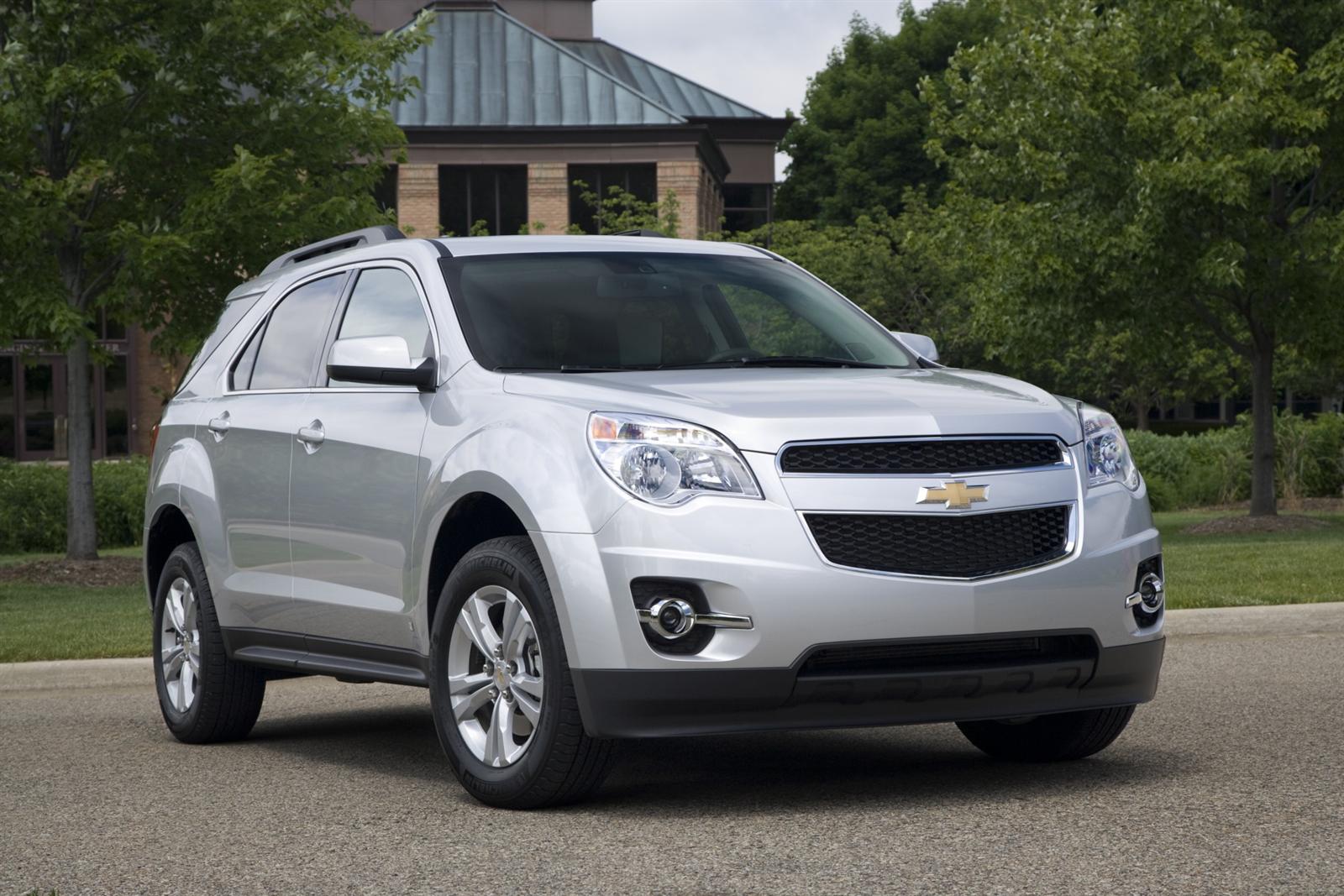
- Engine options:
- 2.4 liter inline 4 cylinder
- 3.0 liter V6
- Horsepower:
- 182 hp (2.4L I4)
- 264 hp (3.0L V6)
- Torque:
- 172 lb ft (2.4L I4)
- 222 lb ft (3.0L V6)
- Length: 187.8 inches
- Width: 72.5 inches
2. 2010 Chevrolet Equinox
The 2010 Chevrolet Equinox is another model year that has earned a poor reliability reputation, primarily due to widespread engine oil consumption issues. This problem became one of the most discussed concerns among owners, as many vehicles required frequent oil top-ups between scheduled oil changes.
In more severe cases, engines suffered damage due to low oil levels going unnoticed, leading to costly repairs or complete engine replacement. This issue significantly impacted the long-term dependability of the vehicle and remains one of the main reasons the 2010 model is often avoided.
In addition to oil consumption problems, the 2010 Equinox also experienced timing chain-related issues. The timing chain system, which is critical for engine operation, was known to stretch or wear prematurely in some vehicles.
Transmission performance in the 2010 Equinox was also inconsistent according to owner reports. Some drivers experienced rough shifting, hesitation during acceleration, or transmission slipping under load.
While not every vehicle was affected, the frequency of these complaints was high enough to raise concerns about long-term durability. Combined with engine-related issues, this created a situation where multiple major components were potentially unreliable over time.
Electrical system complaints were also present in the 2010 model. These included faulty sensors, inaccurate warning lights, and occasional issues with dashboard electronics. While these problems were not always severe, they contributed to a sense of unpredictability in vehicle performance.
Additionally, interior wear and suspension concerns began appearing earlier than expected in some cases, further reducing confidence in long-term ownership.
The 2010 Chevrolet Equinox is widely considered a high-risk used SUV due to its engine oil consumption problems, timing chain issues, and inconsistent transmission reliability. Even though it may be affordable on the used market, the potential for expensive repairs makes it a model year that many buyers are advised to avoid.
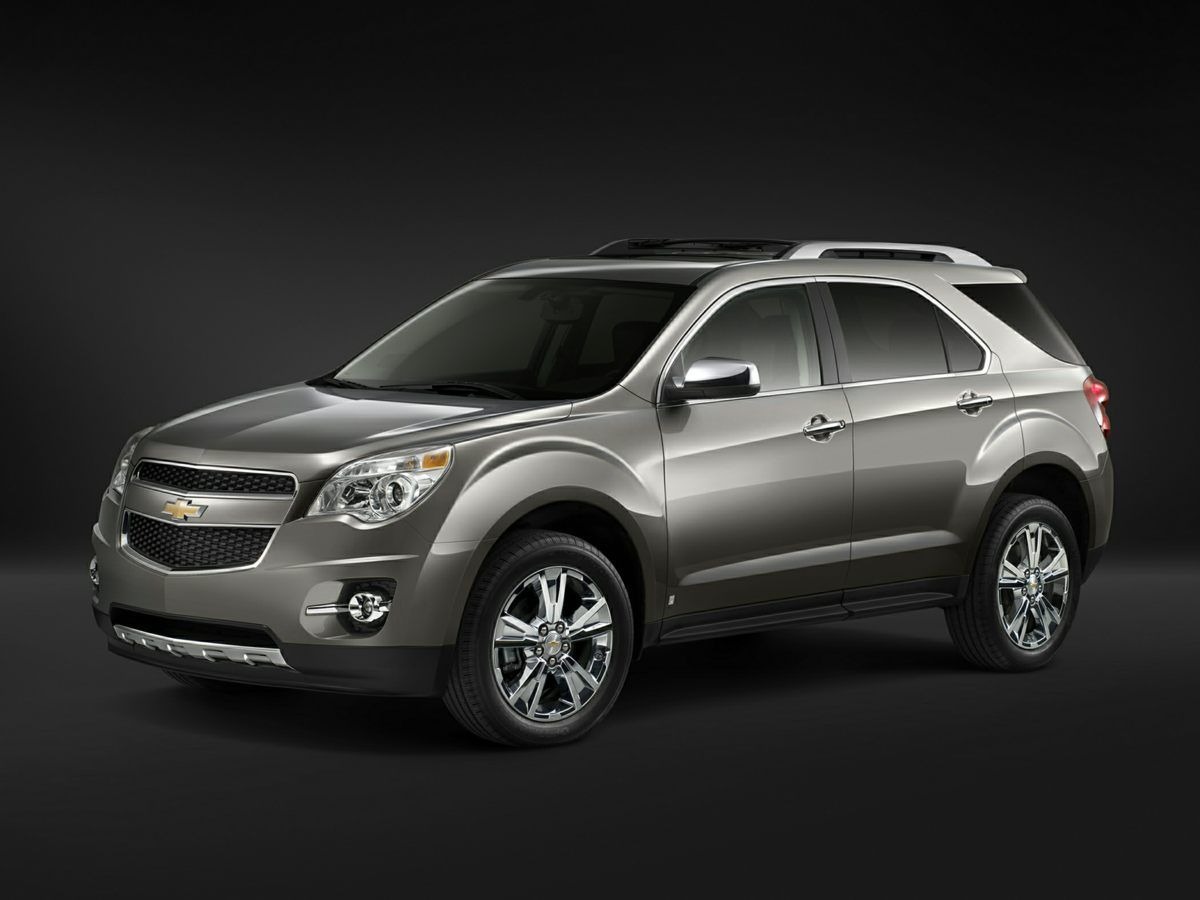
- Engine options:
- 2.4 liter inline 4 cylinder
- 3.0 liter V6
- Horsepower:
- 182 hp (2.4L I4)
- 264 hp (3.0L V6)
- Torque:
- 172 lb ft (2.4L I4)
- 222 lb ft (3.0L V6)
- Length: 187.8 inches
- Width: 72.5 inches
3. 2012 Chevrolet Equinox
The 2012 Chevrolet Equinox continues many of the same issues seen in earlier second-generation models, particularly related to engine oil consumption and long-term mechanical durability. Despite Chevrolet’s efforts to improve reliability over time, this model year still struggled with excessive oil usage in certain engine configurations.
Many owners reported needing to check and refill engine oil frequently between scheduled maintenance intervals, which increases the risk of engine wear if not carefully monitored. In severe cases, this issue contributed to premature engine failure, making it a significant concern for used buyers.
Timing chain wear is another major problem associated with the 2012 Equinox. As the engine accumulated mileage, some vehicles developed stretched timing chains, which can lead to rough idling, engine misfires, and reduced performance.
If not addressed early, timing chain failure can cause serious internal engine damage. Because repairs are labor-intensive and expensive, this issue greatly affects the long-term cost of ownership and reliability perception of this model year.
In addition to engine concerns, the 2012 Equinox also experienced a range of electrical and sensor-related issues. These included malfunctioning dashboard warning systems, inconsistent readings from engine sensors, and occasional infotainment glitches.
While these problems may not always prevent the vehicle from running, they reduce driver confidence and can make troubleshooting mechanical issues more difficult. Electrical reliability is an important factor in modern vehicles, and the inconsistencies in this model year contribute to its negative reputation.
Transmission performance in the 2012 model was somewhat improved compared to earlier years, but it was still not completely free from complaints.
Some owners reported delayed shifting or minor hesitation during acceleration, particularly under heavier loads or highway merging conditions. While not as widespread as engine issues, these transmission concerns still add to the list of reliability challenges associated with this vehicle.
The 2012 Chevrolet Equinox remains a less desirable option in the used SUV market due to its ongoing engine oil consumption problems, timing chain risks, and electrical system inconsistencies. Although it may appear affordable, the potential for long-term repair costs makes it a model year that buyers are generally advised to avoid.
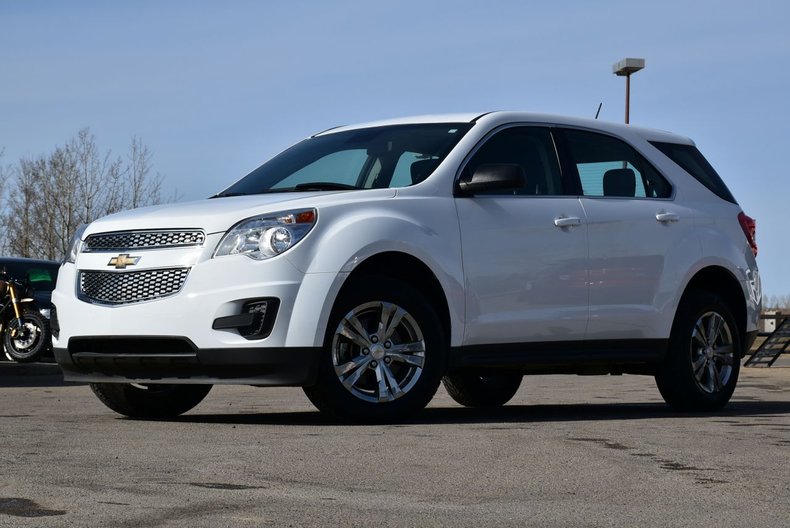
- Engine options:
- 2.4 liter inline 4 cylinder
- 3.6 liter V6
- Horsepower:
- 182 hp (2.4L I4)
- 301 hp (3.6L V6)
- Torque:
- 172 lb ft (2.4L I4)
- 272 lb ft (3.6L V6)
- Length: 187.8 inches
- Width: 72.5 inches
4. 2014 Chevrolet Equinox
The 2014 Chevrolet Equinox is often criticized for continuing reliability concerns within the second generation, even as Chevrolet attempted incremental improvements. While it is slightly more refined than earlier problematic years, it still suffers from several issues that affect long-term ownership satisfaction.
One of the primary concerns remains engine-related performance, particularly in terms of oil consumption and engine stress. Some vehicles continued to experience higher-than-expected oil usage, which can lead to long-term engine wear if not consistently monitored.
Another issue reported in the 2014 Equinox involves fuel system and engine performance inconsistencies. Some drivers experienced rough idling, stalling, or hesitation during acceleration, which can be both frustrating and potentially unsafe in certain driving conditions. These issues often required repeated diagnostic checks without always leading to a clear or permanent solution, adding to owner frustration and repair uncertainty.
Electrical system problems also contributed to the mixed reputation of the 2014 model. Faulty sensors, intermittent warning lights, and infotainment glitches were reported across multiple vehicles.
While these issues were generally not catastrophic, they affected the driving experience and created a perception of inconsistent build quality. Electrical reliability is particularly important in modern SUVs, and repeated minor faults can significantly reduce owner satisfaction over time.
Transmission performance in the 2014 Equinox was somewhat improved compared to earlier second-generation models, but it still did not fully eliminate complaints. Some drivers noted occasional shifting, hesitation, or lack of smoothness during acceleration, especially in stop-and-go traffic.
While not considered a widespread failure point, it adds to the list of concerns that make this model year less appealing compared to later third-generation Equinox vehicles.
The 2014 Chevrolet Equinox is considered a below-average choice in the used SUV market due to its combination of engine performance concerns, electrical issues, and inconsistent driving refinement.
While it may still be functional as a budget option, its long-term reliability profile is weaker compared to newer Equinox models, making it a less recommended purchase for buyers seeking durability and low maintenance costs.
