
The industry is undergoing one of the most significant transformations in its history, driven by electrification, stricter emissions regulations, changing consumer expectations, and rapid advances in battery and motor technology.
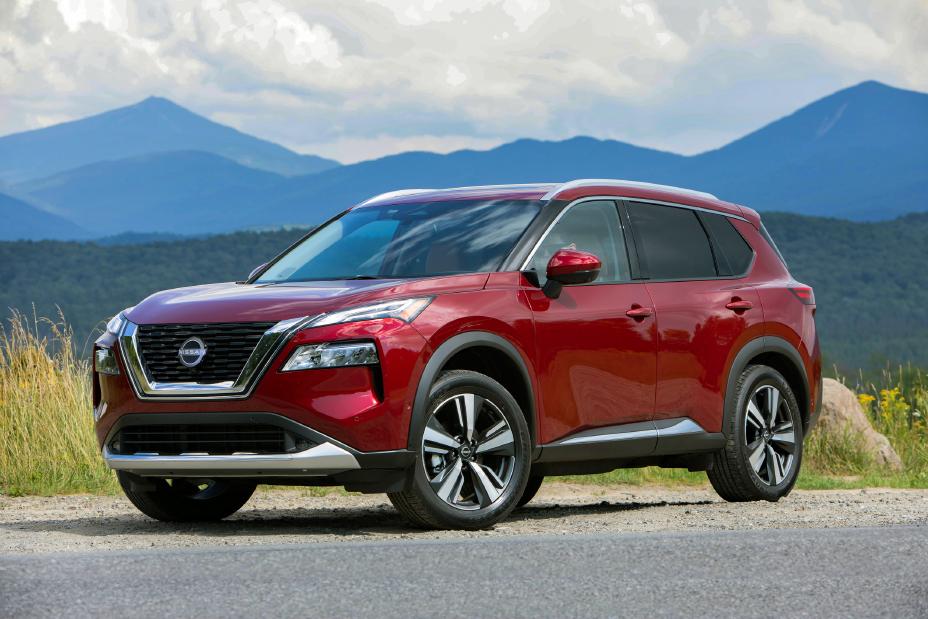
Within this evolving era, Nissan has been steadily refining its electrification strategy, particularly through its unique approach to hybrid systems. The discussion around the 2027 Nissan Rogue and its reported move away from a traditional hybrid powertrain reflects a broader shift in how automakers are redefining efficiency, cost, and performance balance in compact SUVs.
For years, the Nissan Rogue has been one of the brand’s most important global models, especially in North America, where compact crossovers dominate sales charts. Traditionally, competitors like Toyota and Honda have leaned heavily into conventional hybrid systems that combine a gasoline engine with a mechanically linked electric motor to directly drive the wheels.
However, Nissan has often taken a different path, focusing on its series hybrid concept, branded as e-POWER in several markets. In this system, the gasoline engine does not directly drive the wheels but instead functions primarily as a generator to produce electricity for the electric motor.
The rumored or projected direction for the 2027 Nissan Rogue suggests a deliberate step away from traditional hybrid architecture in favor of this e-POWER-based electrified drivetrain strategy. This change is not simply a branding exercise but represents a deeper engineering philosophy shift.
Nissan appears to be prioritizing smoother electric driving characteristics, simplified mechanical design, and potentially lower long-term production complexity over the dual-mechanical hybrid systems used by many rivals.
Understanding why this shift is happening requires looking at several interconnected factors. These include regulatory pressures pushing automakers toward lower emissions, the rising cost and complexity of dual-mode hybrid systems, consumer demand for EV-like driving experiences without full EV limitations, and Nissan’s internal strategy to differentiate itself in a crowded SUV market.
The 2027 Rogue becomes an interesting case study in how legacy automakers are trying to balance internal combustion heritage with full electrification goals.
This article explores the reasoning behind Nissan’s decision, the advantages and tradeoffs of abandoning traditional hybrid systems, and what it means for the future of the Rogue and the broader automotive market.
By breaking down the engineering logic, market dynamics, and strategic positioning, we can better understand why this shift is not just plausible but increasingly aligned with global automotive trends.
Also Read: 7 Most Reliable Motorcycles You Can Buy Today
Nissan’s Electrification Strategy and the Role of the Rogue
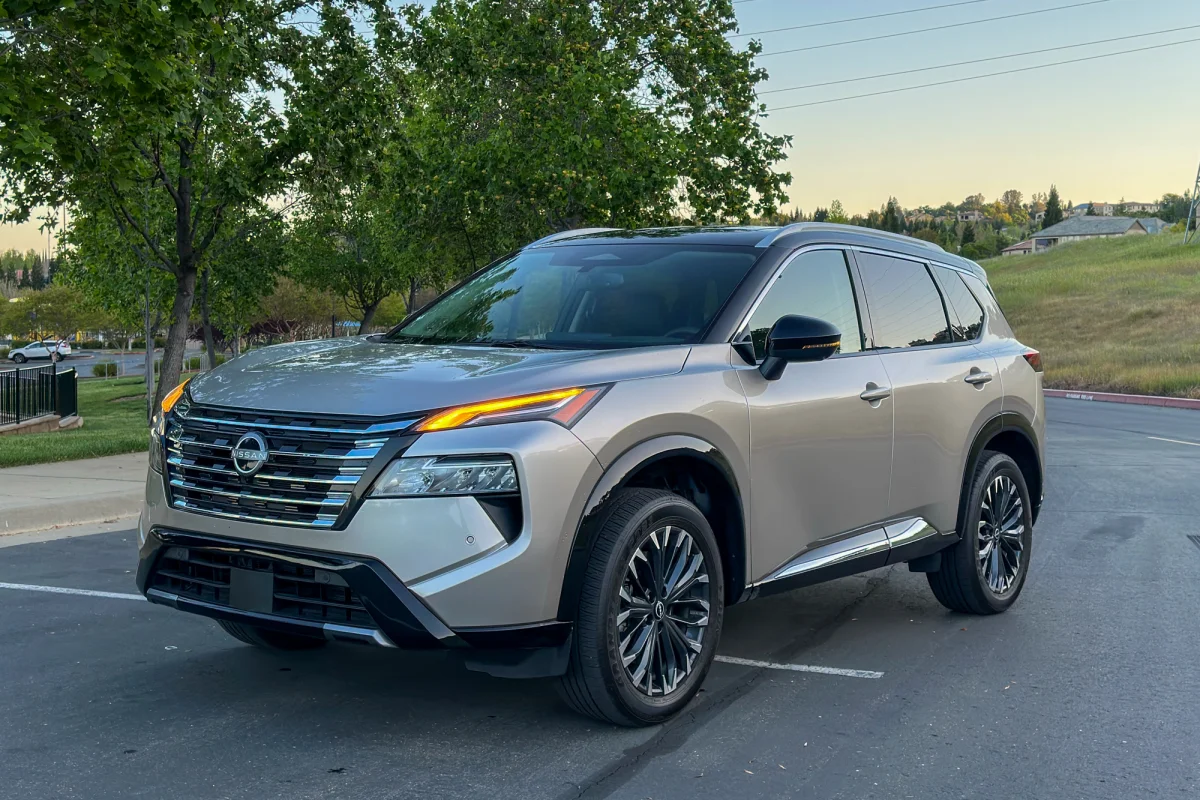
The Nissan Rogue has long served as a cornerstone of Nissan’s global product lineup, particularly in markets where compact SUVs dominate consumer demand. Its role is not just to generate sales volume but also to act as a technological showcase for Nissan’s evolving powertrain strategies.
As electrification becomes central to the automotive industry, the Rogue is positioned as a critical bridge between conventional internal combustion vehicles and fully electric models.
Nissan’s broader electrification strategy has gradually moved away from competing directly in the conventional hybrid space dominated by Toyota and Honda. Instead, Nissan has invested heavily in its e-POWER system, which emphasizes an electric motor driven experience without requiring full external charging infrastructure.
This approach allows Nissan to sidestep some of the infrastructure challenges associated with full battery electric vehicles while still delivering strong efficiency gains.
In this context, the 2027 Rogue is often discussed as a model that fully embraces this strategy. Rather than splitting development resources between traditional hybrids and electrified systems, Nissan appears to be consolidating its engineering focus. This consolidation reduces complexity in manufacturing and allows for deeper optimization of one system rather than maintaining multiple competing hybrid architectures.
By standardizing the Rogue around an electrified system like e-POWER, Nissan can streamline production, reduce supplier variability, and improve economies of scale. This approach also helps the company respond more quickly to regulatory changes in emissions standards across different markets.
The Rogue plays a symbolic role in Nissan’s transition narrative. It represents a mainstream consumer vehicle, not a niche or luxury product. If Nissan can successfully transition the Rogue away from traditional hybrid systems while maintaining affordability and reliability, it strengthens the credibility of its entire electrification strategy.
Limitations of Traditional Hybrid Systems in Modern SUVs
Traditional hybrid systems have been highly successful, especially in markets where fuel efficiency is a top priority. However, they come with inherent mechanical and engineering complexity that becomes more challenging as vehicles evolve.
In a conventional hybrid, both the internal combustion engine and the electric motor can directly drive the wheels, requiring a sophisticated transmission system to manage power delivery between the two sources.
One of the primary limitations of this architecture is mechanical complexity. The integration of dual power sources demands intricate control systems, specialized transmissions, and tightly coordinated energy management software.
While this setup delivers excellent fuel efficiency, it also increases production costs and long-term maintenance considerations. For manufacturers aiming to scale electrification across multiple models, this complexity can become a significant barrier.
Another limitation is driving experience consistency. Traditional hybrids often shift between electric and gasoline power in ways that can be noticeable to drivers, especially under variable load conditions.
While modern systems have improved significantly, they still rely on mechanical transitions that may not deliver the seamless feel associated with fully electric vehicles. As consumer expectations shift toward EV-like smoothness, this becomes an important disadvantage.
Packaging constraints also play a role. Hybrid systems require space for both engine components and electric motors, along with batteries that must be strategically placed within the vehicle.
In compact SUVs like the Rogue, where interior space is a key selling point, balancing these components can be challenging. Any inefficiency in packaging directly affects cargo space, seating comfort, or vehicle design flexibility.
Here’s a revised version with a different structure and without using a semicolon or colon:
One of the key considerations is cost. Compared with series hybrid systems such as e-POWER, conventional hybrid powertrains generally require a greater number of components, including more intricate transmission designs and mechanical coupling mechanisms.
As automakers push toward affordability in mainstream segments, reducing component count becomes a strategic advantage. By comparison, systems that decouple the engine from the wheels can simplify production and reduce cost structure.
Traditional hybrids face strategic redundancy as fully electric vehicles continue to grow. Automakers are increasingly asking whether investing heavily in complex hybrid systems is worthwhile when the long-term direction is clearly toward battery electric platforms.
This question is central to understanding why Nissan may choose to phase out traditional hybrid systems in models like the Rogue.
The e-POWER System as a Replacement Strategy
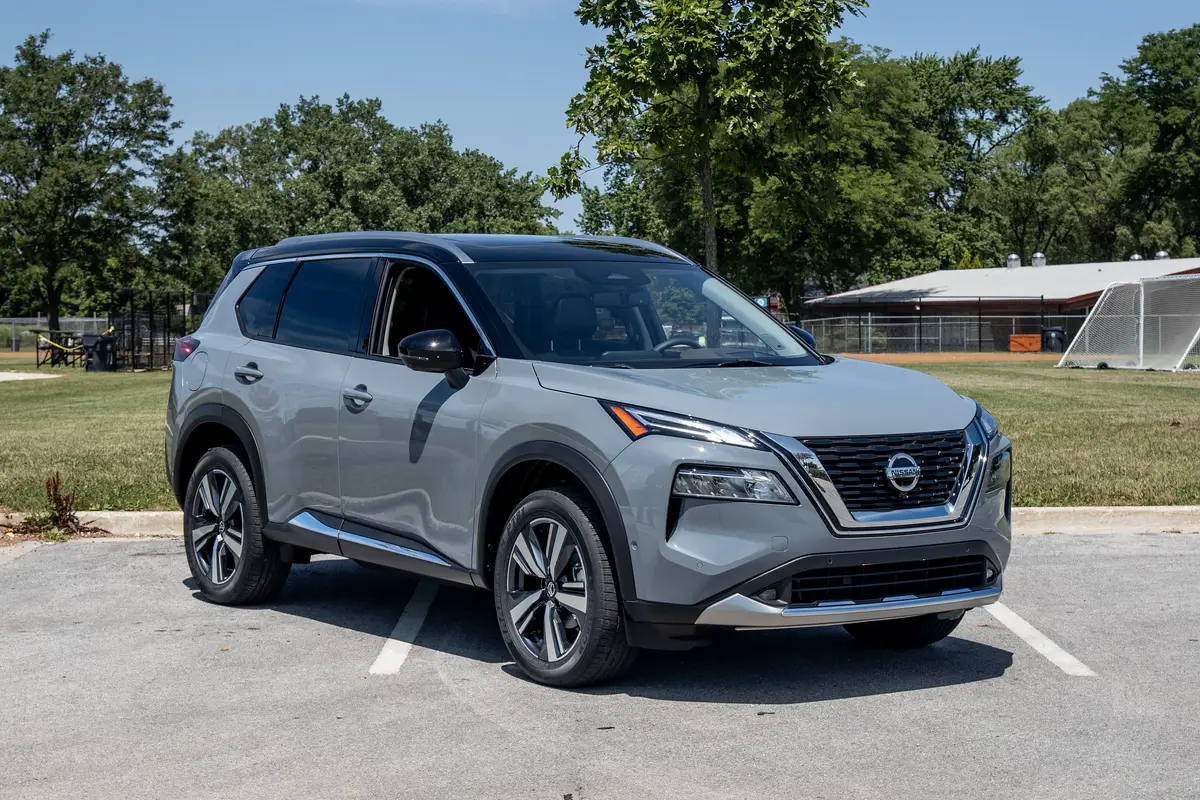
Nissan’s e-POWER system represents a fundamentally different approach to vehicle electrification compared to traditional hybrids. Instead of combining engine and motor power at the wheels, e-POWER uses a gasoline engine solely as a generator. The electric motor is the only component that drives the wheels, creating a driving experience that is much closer to an electric vehicle.
One of the key advantages of this system is driving smoothness. Because the wheels are always driven by an electric motor, acceleration is immediate and linear.
There are no gear shifts or mechanical transitions between power sources, which results in a more consistent driving feel. This characteristic is particularly appealing to consumers who want EV-like performance without committing to a fully electric vehicle.
Another benefit is engine efficiency optimization. Since the gasoline engine in an e-POWER system does not directly drive the wheels, it can operate in a narrower, more efficient range. This allows the engine to run at optimal RPM levels for electricity generation rather than fluctuating based on driving conditions. In theory, this improves fuel efficiency and reduces engine wear over time.
From a design perspective, e-POWER also simplifies drivetrain architecture. Removing the mechanical link between engine and wheels reduces the need for complex transmissions and power-splitting devices. This can lead to more flexible vehicle design and potentially lower manufacturing complexity, especially when scaling across multiple models like the Rogue.
Battery requirements in e-POWER systems are also different from those of full hybrids or plug-in hybrids. The battery does not need to provide long-range propulsion on its own but instead supports energy smoothing and short bursts of power.
This allows for smaller, more cost-effective battery packs compared to full EVs, while still delivering electric driving characteristics.
The system is not without tradeoffs. Fuel dependency remains, since the gasoline engine is still required to generate electricity. Additionally, real-world efficiency can vary depending on driving conditions, especially at highway speeds where continuous energy generation is required.
Despite these limitations, Nissan sees e-POWER as a strong transitional technology that bridges the gap between hybrids and full EVs.
Also Read: 10 Cars That Drove Over 800,000 Miles
Economic and Manufacturing Reasons Behind the Shift
One of the most significant reasons for moving away from traditional hybrid systems in the 2027 Rogue is manufacturing efficiency.
Automotive production is increasingly driven by platform consolidation, where companies aim to reduce the number of unique powertrain systems in order to streamline assembly lines and supplier networks. By focusing on a single electrified architecture like e-POWER, Nissan can reduce engineering duplication and simplify global production strategies.
Traditional hybrid systems require multiple complex components, including specialized transmissions and dual power coupling systems.
Each of these components adds cost not only in manufacturing but also in quality control, logistics, and long-term servicing. A simplified system with fewer mechanical interactions can significantly reduce lifecycle costs.
Supply chain stability also plays an important role. The automotive industry has experienced repeated disruptions in semiconductor availability, battery materials, and specialized mechanical parts.
By reducing dependency on complex hybrid-specific components, Nissan can make its production process more resilient to global supply chain fluctuations. This is especially important for high-volume models like the Rogue.
From a research and development standpoint, focusing on one primary electrification system allows engineers to concentrate their efforts on refining and improving a single architecture. Instead of dividing resources between traditional hybrids and alternative systems, Nissan can invest more heavily in optimizing e-POWER performance, efficiency, and integration with future battery technologies.
Market positioning also influences this decision. In the competitive compact SUV segment, differentiation is crucial. If Nissan can offer a unique driving experience that feels closer to an EV while maintaining the familiarity of gasoline refueling, it creates a distinct value proposition. This helps the Rogue stand out in a crowded market dominated by conventional hybrid competitors.
The regulatory trends globally are pushing manufacturers toward clearer electrification pathways.
Governments are tightening emissions standards and increasingly encouraging full electrification. In this environment, investing heavily in traditional hybrid systems may be less strategic than advancing toward EV-centric architectures like e-POWER that align more closely with long-term regulatory direction.
Consumer Expectations and Market Competition
Consumer expectations in the automotive market have changed dramatically over the past decade. Buyers are no longer focused solely on fuel efficiency or reliability.
Instead, they increasingly expect a combination of performance, technology integration, and electric-like driving behavior. This shift has a direct impact on how vehicles like the Nissan Rogue are engineered and positioned.
One of the most important expectations is driving smoothness. Many consumers who experience electric vehicles report a preference for their quiet operation and instant torque delivery.
Traditional hybrids, while efficient, often cannot fully replicate this experience due to their mechanical power transitions. Systems like e-POWER are designed specifically to address this gap by delivering a fully electric drive feel without requiring external charging.
Competition in the compact SUV segment is also intense. Manufacturers like Toyota and Honda have strong hybrid lineups that dominate fuel efficiency rankings.
To compete effectively, Nissan needs a differentiated strategy rather than a direct imitation. By moving away from traditional hybrid systems, Nissan positions the Rogue as a distinct alternative rather than a direct competitor in the same hybrid category.
Technology integration is a key factor. Modern consumers expect seamless connectivity, advanced driver assistance systems, and intelligent energy management. Electrified platforms like e-POWER can be more easily integrated with software-driven vehicle architectures, allowing for better optimization of energy use, driving modes, and predictive efficiency systems.
Brand perception also plays a role. Nissan has been actively working to reposition itself as a leader in electrification, building on its early experience with electric vehicles. By emphasizing a unique hybrid approach rather than conventional systems, Nissan reinforces its identity as an innovator rather than a follower in the hybrid market.
Consumer behavior is moving toward either full EV adoption or EV-like experiences in transitional vehicles. This creates a narrow window where systems like e-POWER can thrive, offering the benefits of electrification without requiring full infrastructure dependency.
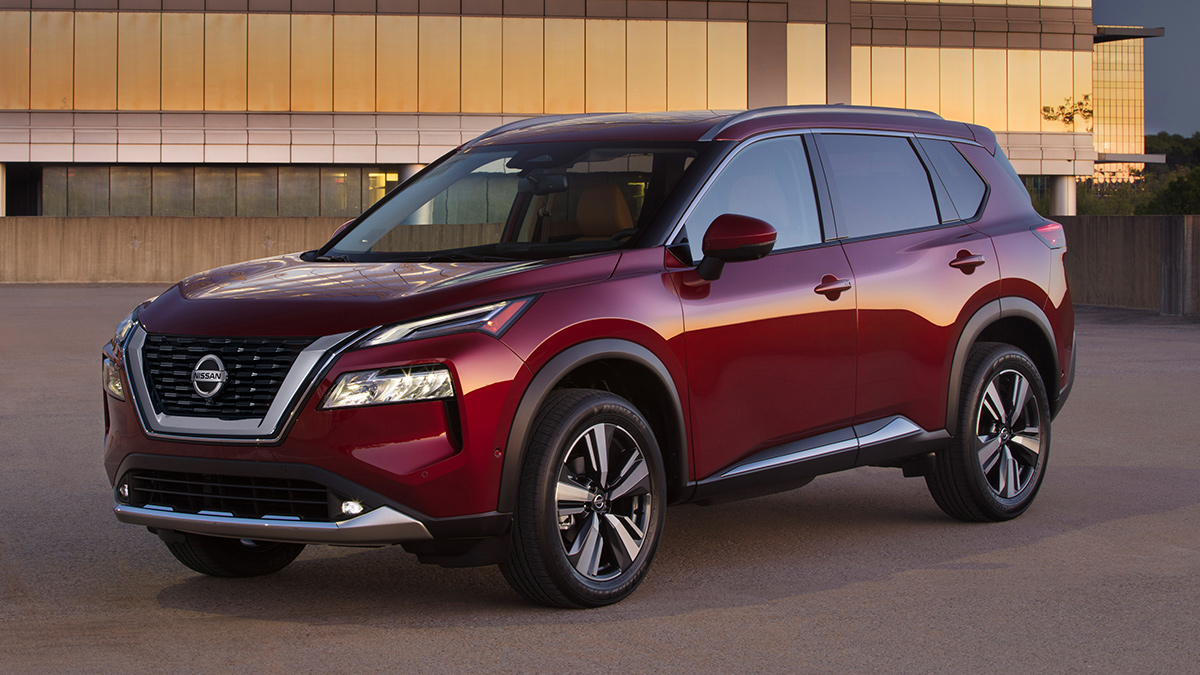
The 2027 Rogue becomes a key example of how automakers are adapting to this transitional demand.
Future Outlook for the Nissan Rogue and Hybrid Technology
The future of the Nissan Rogue is closely tied to the broader evolution of automotive electrification. As battery technology continues to improve and charging infrastructure expands, the role of hybrid systems will gradually shift. Vehicles like the Rogue are likely to serve as transitional platforms that bridge current consumer needs with future full electric adoption.
One likely outcome is further refinement of e-POWER technology. As battery efficiency improves and electric motor performance increases, Nissan can enhance the responsiveness and efficiency of the system. This could include larger battery buffers, more efficient generators, and smarter energy management software that reduces fuel consumption even further.
Another possibility is gradual convergence toward plug-in capabilities. While current e-POWER systems do not rely on external charging, future iterations could incorporate limited plug-in functionality to reduce fuel dependency even more. This would allow drivers to complete short trips on electric power alone while still retaining gasoline backup for longer journeys.
Traditional hybrid systems are likely to continue declining in importance within Nissan’s lineup if this strategy holds. Instead, the company may focus on two main paths: advanced series hybrids like e-POWER and fully electric vehicles. This simplifies product planning and aligns with long-term global emissions goals.
For consumers, the result is a clearer but narrower set of choices. Instead of multiple hybrid variations, buyers may increasingly choose between EV-like gasoline systems or full battery electric vehicles. The 2027 Rogue represents an early step in this consolidation trend.
In the broader industry, Nissan’s approach will likely be watched closely by competitors. If successful, it could validate series hybrid systems as a viable long-term alternative to traditional hybrids during the transition to full electrification. If not, it may reinforce the dominance of conventional hybrid architectures or accelerate direct EV adoption.
