
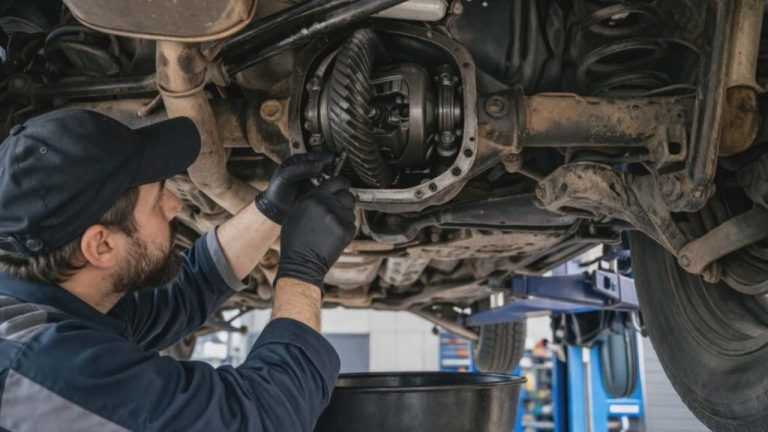
Some vehicle noises deserve immediate attention, while others are simply part of normal operation. The challenge for drivers is knowing which is which. A strange sound may come from something harmless, such as a loose…
Category: Guide
The EPA Set a Detergent Floor and Automakers Went Past It
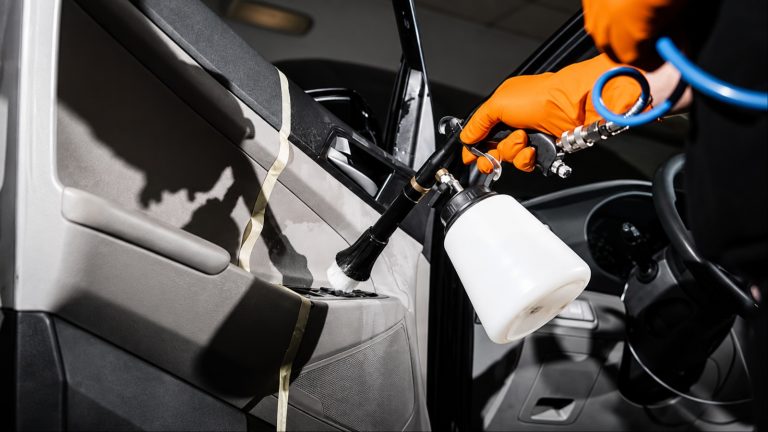
Modern gasoline is not simply gasoline. Along with hydrocarbons and other required components, U.S. gasoline must contain certified detergent additives designed to control deposits in engines and fuel systems. The federal requirement dates back to…
USPS Wrote the 1984 Spec That Created the LLV

The familiar boxy mail truck that spent decades crawling through American neighborhoods was not adapted from an ordinary delivery van. The United States Postal Service wrote a detailed specification for a purpose-built vehicle, then challenged…
Aluminum Is 10 Percent of a Car and Half Its Scrap Value
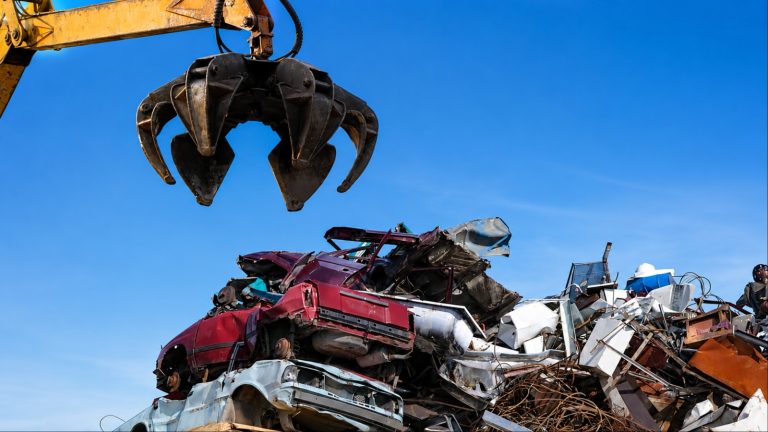
A vehicle may look like a combination of steel, plastic, glass, and rubber, but aluminum can represent a surprisingly large share of its value when it reaches the end of its life. Aluminum makes up…
A Goldman Sachs Estimate Puts the Dealer Markup Above $2,000

The traditional American car-buying system has a built-in middleman: the franchised dealership. Automakers manufacture vehicles, but in most states they cannot simply sell those vehicles directly to consumers. Instead, cars move through independently owned dealers…
Costco Fuel Is Top Tier and Sam’s Club Is Not
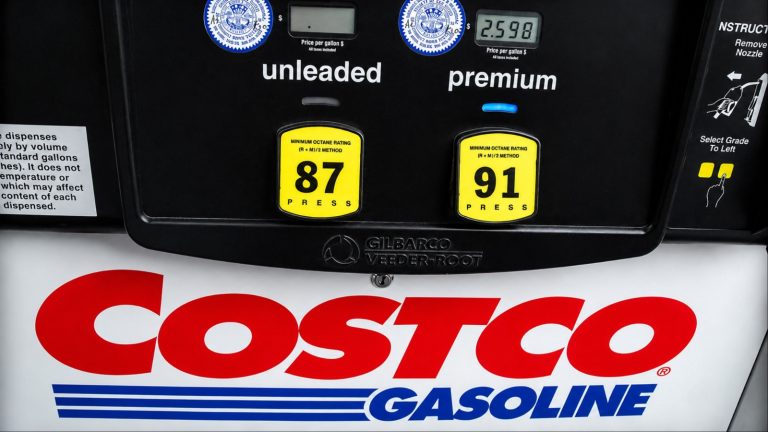
Fuel at warehouse clubs may appear similar from one station to another, but the gasoline can differ in its detergent requirements. This becomes important when comparing two of the largest warehouse retailers in the United…
10 US States Where a Salvage Car Cannot Be Registered
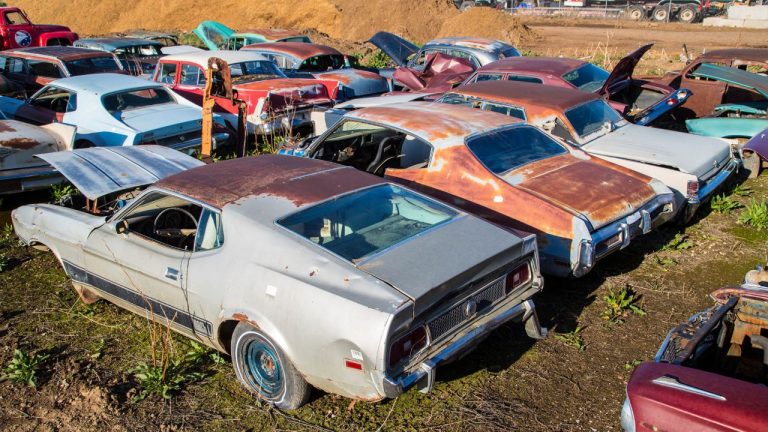
Buying a salvage car can look like a shortcut to a cheap vehicle, but the title can create a much bigger obstacle than the purchase price suggests. Across the United States, a vehicle carrying a…
Headlight Ratings Do Not Favor LED Over Halogen
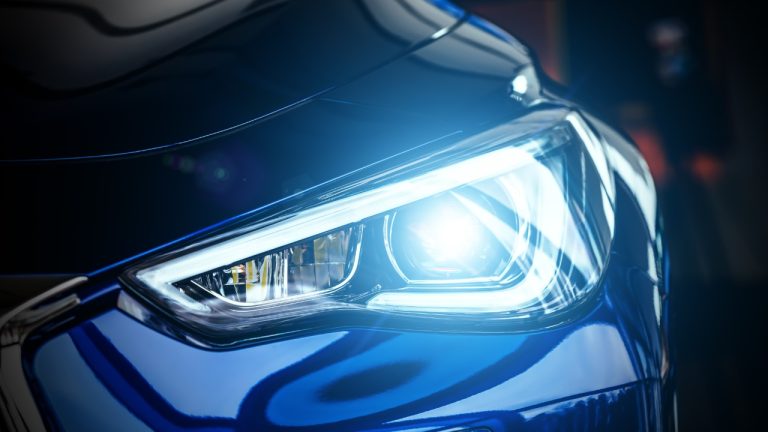
LED headlights are widely marketed as brighter, more efficient, and more advanced than traditional halogen systems. However, the Insurance Institute for Highway Safety says the type of lighting technology does not determine how well a…
12 Habits That Stretch a Car Past 200,000
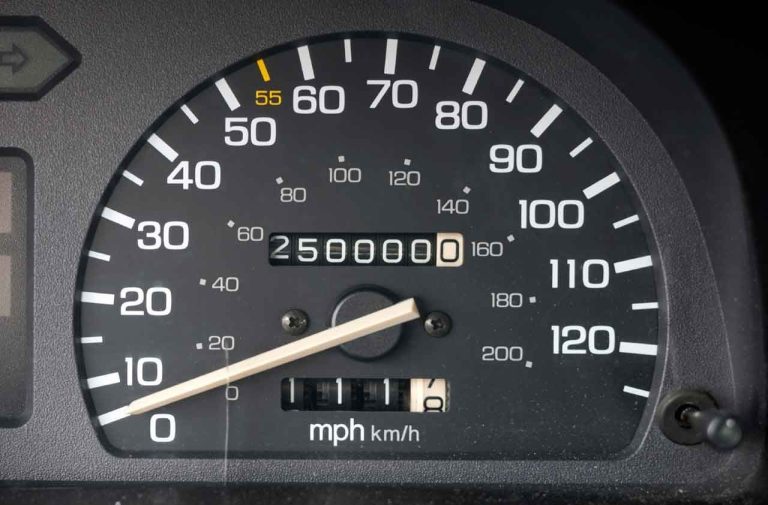
Ever wonder why some cars roll past 200,000 miles like it’s nothing, while others limp to the junkyard at 90,000? The secret isn’t luck or a magic engine. It’s a handful of small, consistent habits…
10 US States Where Sleeping in Your Car Is Illegal
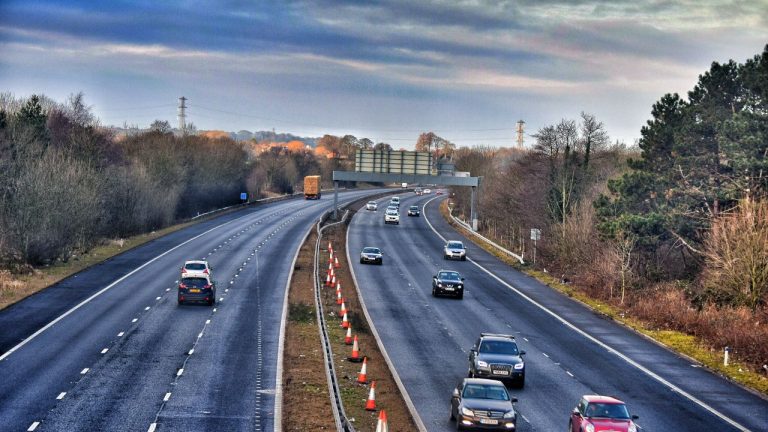
Sleeping in a parked car is not automatically illegal across the United States. There is no federal law creating a nationwide ban, but state rules, rest-area regulations, parking laws, and local ordinances can change the…
8 Aftermarket Parts Illegal to Sell in America
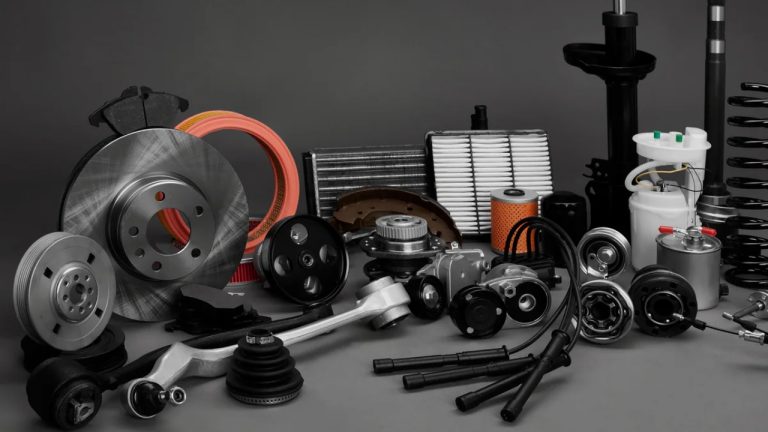
The aftermarket can transform a car’s sound, appearance, handling, and performance, but not every modification is legal to sell for use on public roads. Federal law is especially strict when a part bypasses, disables, or…
Nearly Half of Fatal Crashes Happen After Dark
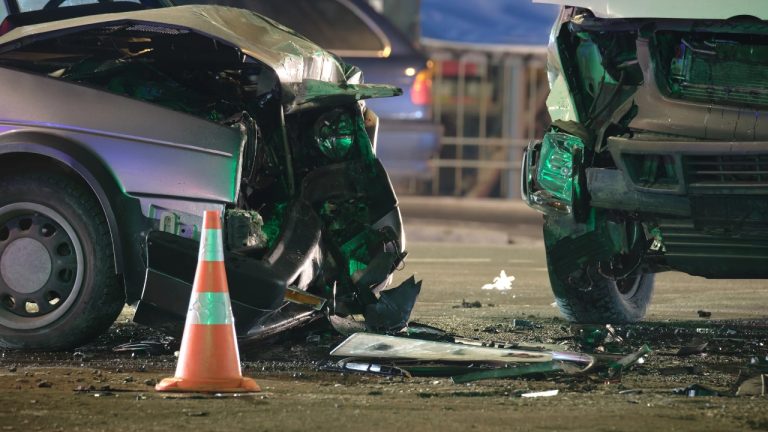
Nighttime represents a much smaller share of Americans’ travel than daytime, yet darkness is involved in a disproportionately large share of fatal crashes. According to the Insurance Institute for Highway Safety, about half of all…
10 Warning Signs in a Used Car Listing You Should Never Ignore
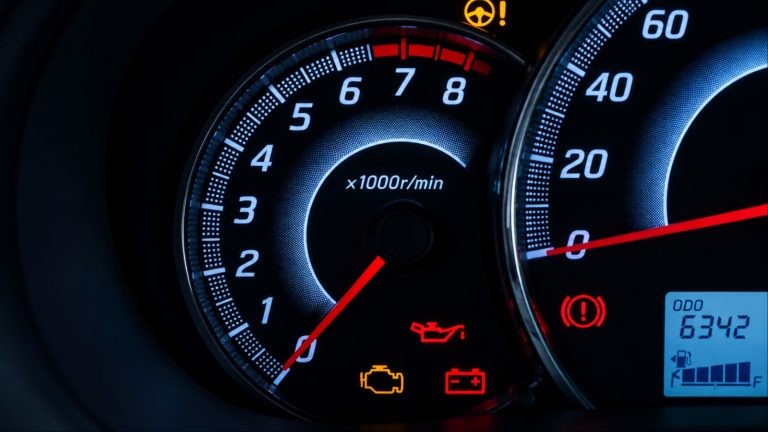
A used-car listing can make a questionable vehicle look like the bargain of the year. A low price, spotless photos, and phrases such as “runs great” can create confidence before you have even seen the…
Good Headlights Cut Nighttime Crashes by 19 Percent
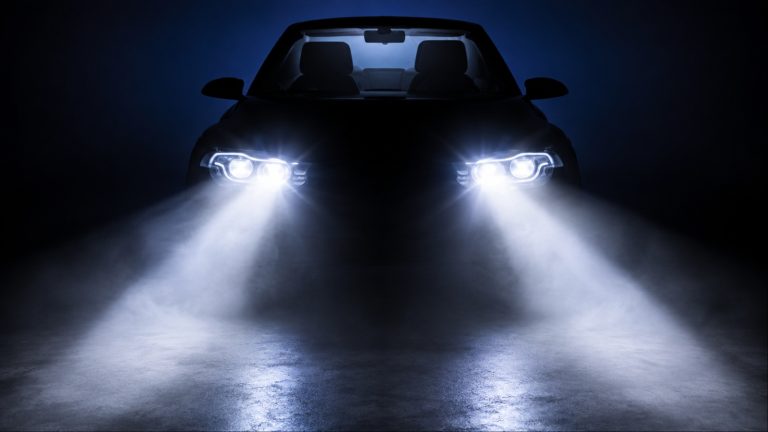
Headlights are one of the most overlooked safety features on a vehicle, yet research from the Insurance Institute for Highway Safety shows that their performance can have a measurable effect on real-world crash rates. Vehicles…
A Quarter of New Cars Have Marginal or Poor Headlights

Headlights have improved dramatically over the past decade, but a significant portion of new vehicles still fail to provide what the Insurance Institute for Highway Safety considers strong nighttime illumination. According to IIHS data for…
Fuel Economy Fell for 16 Straight Years Before 2004
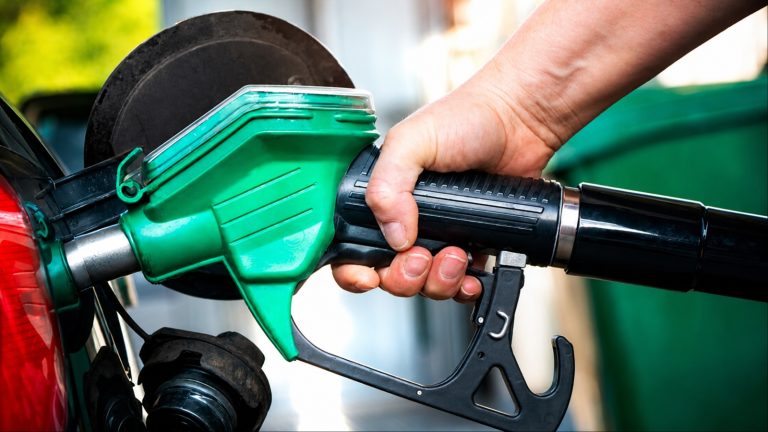
For more than a decade, America’s new-vehicle fuel economy moved in the wrong direction. After reaching a peak of 22.1 mpg in 1987 and 1988, combined fuel economy declined for years, eventually reaching the bottom…
10 States With the Greatest Vehicle Theft Exposure
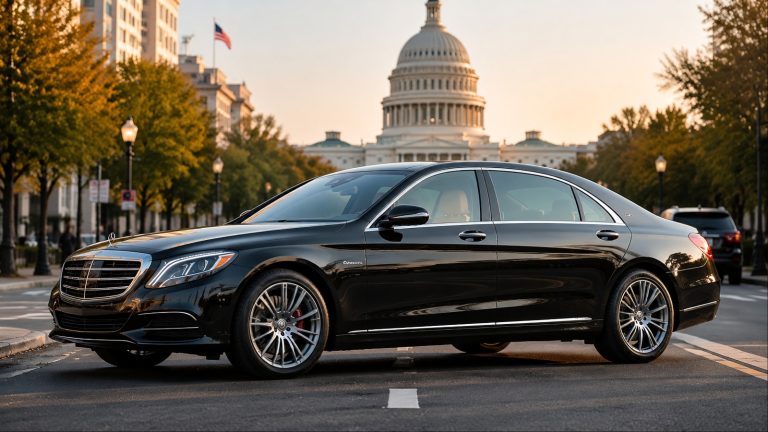
A stolen vehicle is not necessarily gone forever, but the chances of getting it back can vary significantly depending on the type of vehicle, how quickly the theft is reported, and where the theft occurs.…
Two Thirds of New Vehicles Are Legally Trucks
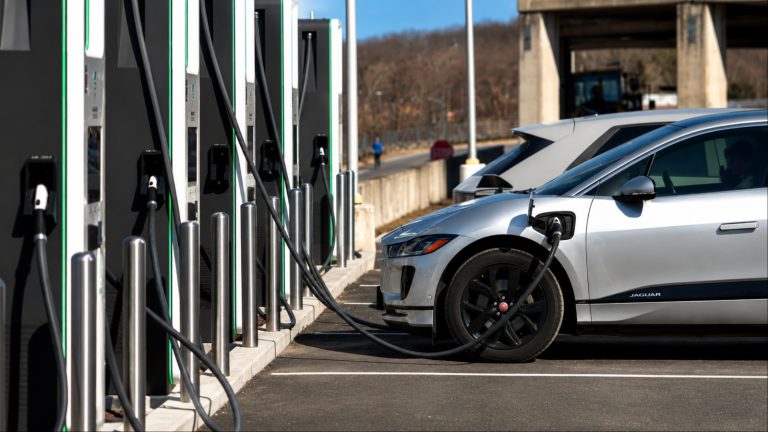
The American vehicle market has changed so dramatically that a surprising statistic now describes the majority of new vehicles sold in the country: two-thirds of them are legally classified as trucks for federal fuel-economy regulatory…
Average Horsepower Has Nearly Doubled Since 1980
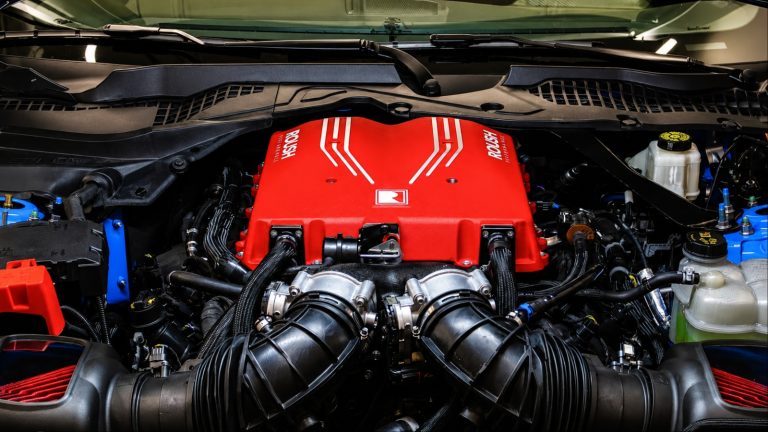
The average new vehicle sold in the United States now produces more than twice as much horsepower as the typical new vehicle did in the early 1980s. According to the latest finalized data from the…
The Real Story Behind a Salvage Auction
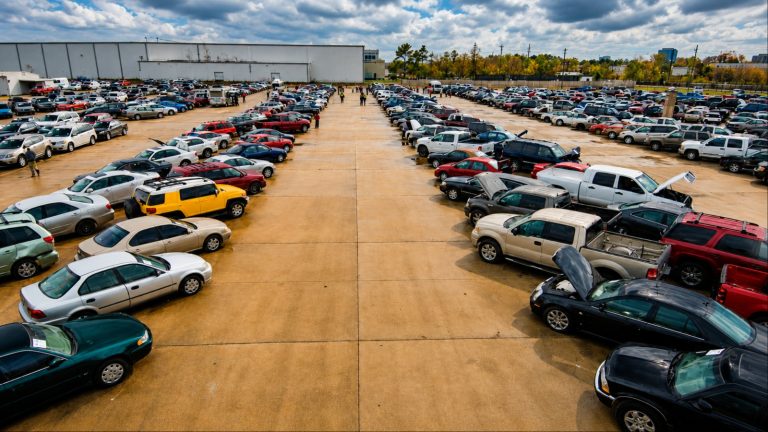
A salvage auction can look simple from the outside. A damaged vehicle appears online, bidders compete, and the highest bidder takes ownership. But behind those auction photos is a complicated chain involving insurance companies, state…
8 Ways Dealers Profit From a Recall Repair
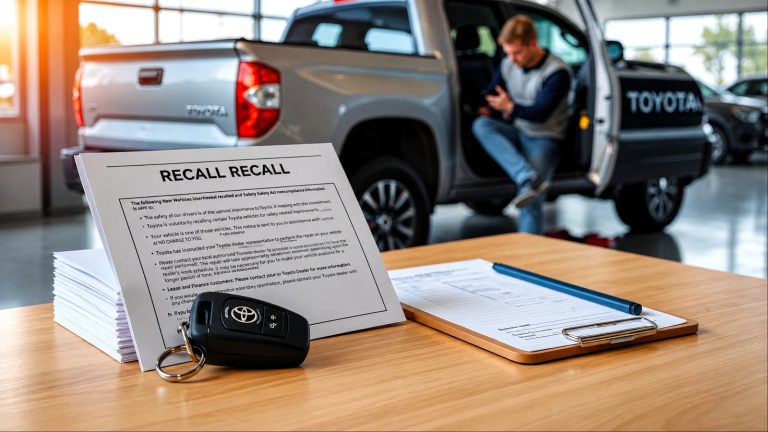
A safety recall is supposed to be one of the easiest dealership visits for a vehicle owner because the manufacturer is responsible for providing the remedy without charge. NHTSA states that recall repairs are free…
Can Advanced Motor Oil Really Protect an Aging, High-Mileage Engine?
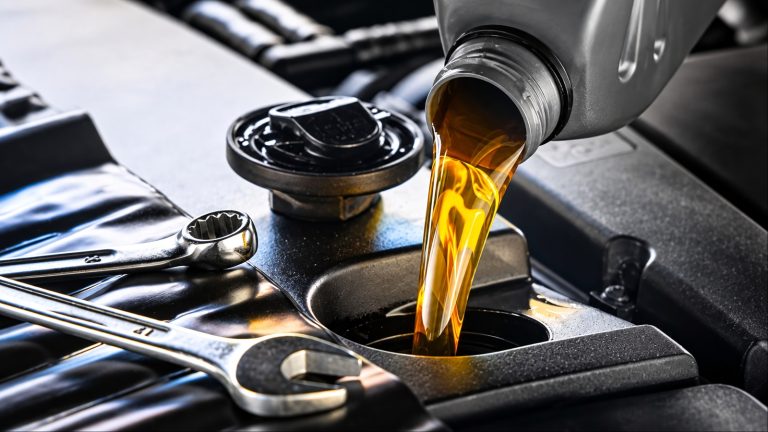
A high-mileage engine does not automatically need a different type of oil just because its odometer has crossed 75,000 or 100,000 miles. What matters more is the engine’s condition, maintenance history, manufacturer specifications, and the…
Should You Change Oil by Miles or by Months?
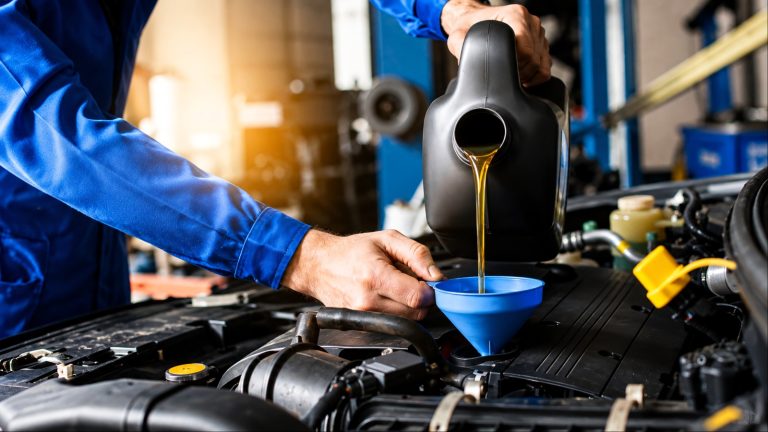
For decades, drivers were told to change their engine oil every 3,000 miles, making the odometer the obvious guide for routine maintenance. Modern engines, however, have made that rule increasingly outdated. Better lubricants, tighter engine…
The True Manufacturing Cost of a Family SUV
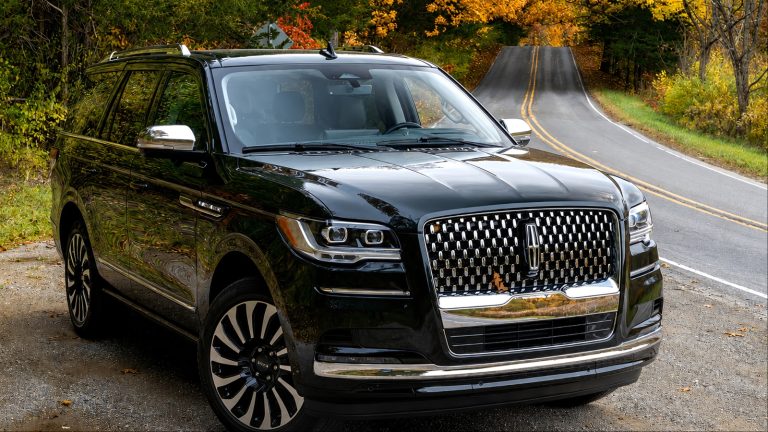
A family SUV may carry a $35,000, $45,000, or even $60,000 sticker price, but that number does not represent what an automaker spends to build the vehicle. The economics behind a new SUV are far…
10 Things a Dealer Charges You For That Cost Them Nothing
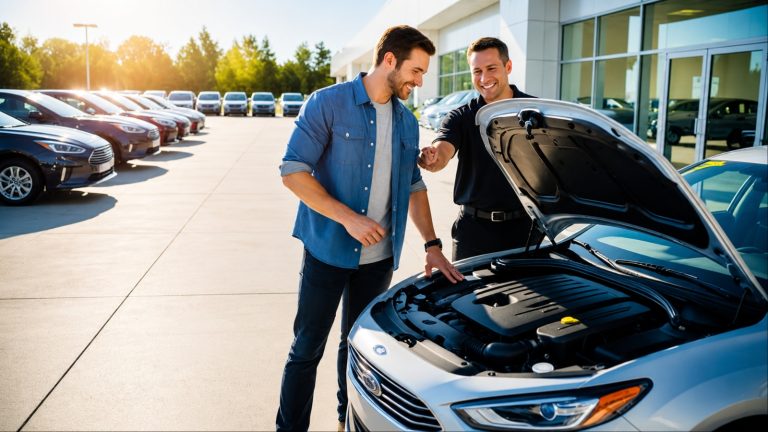
A car’s advertised price is rarely the final number on the paperwork. After negotiating the vehicle itself, buyers can encounter documentation charges, electronic filing fees, dealer-installed products, financing markups, and other items that can add…
What It Costs to Paint a Car Properly, Explained
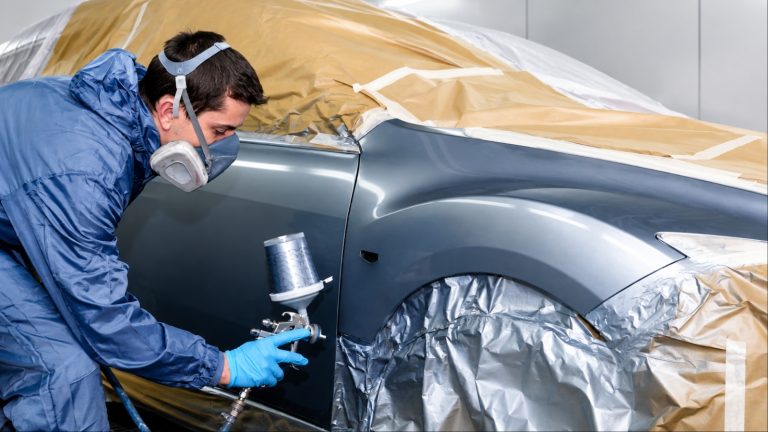
A professional car repaint can cost far more than the price of a few cans of paint. A proper automotive paint job involves preparation, bodywork, primer, color application, clear coat, sanding, curing, and extensive labor.…
10 Things Dealers Do to Your Trade-In Before It Hits the Lot
Most buyers assume a trade-in goes straight from the appraisal lane to the used-car lot, but that is rarely the case. Before a dealership advertises a pre-owned vehicle for sale, it typically goes through a…
New Year’s Eve Is the Second-Best Day to Buy a Used Car
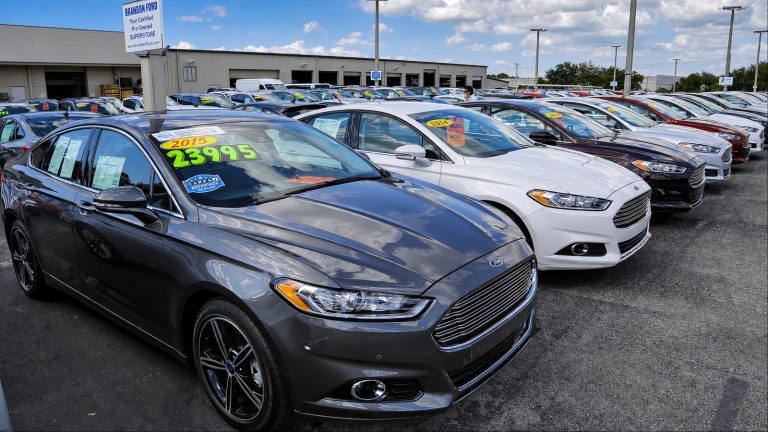
Buying a used car at the right time can make a meaningful difference, and iSeeCars’ latest research suggests that the end of the year is one of the strongest periods for finding a genuine bargain.…
60 Percent of Repair Parts Come From Three Countries
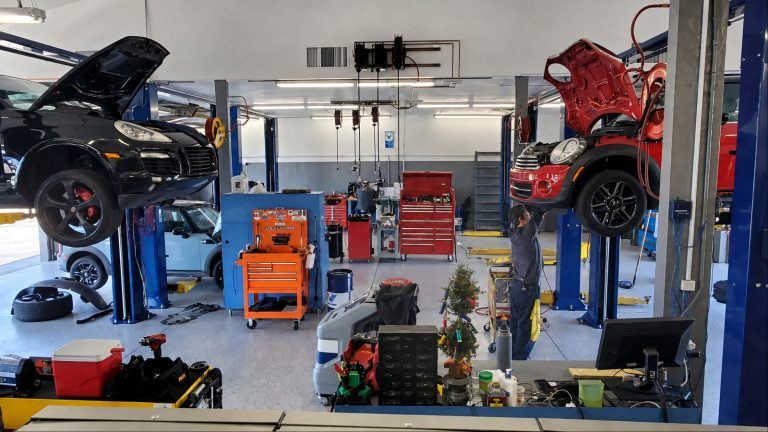
The next time a repair shop replaces a brake component, suspension part, electrical module, or body panel on an American vehicle, there is a good chance that the part did not originate in the United…
8 States That Pull Your Plate for No Insurance

Driving without required auto insurance can trigger more than a ticket. In several states, maintaining liability coverage is legally tied to keeping a vehicle’s registration and license plate valid. When an insurer reports that coverage…